
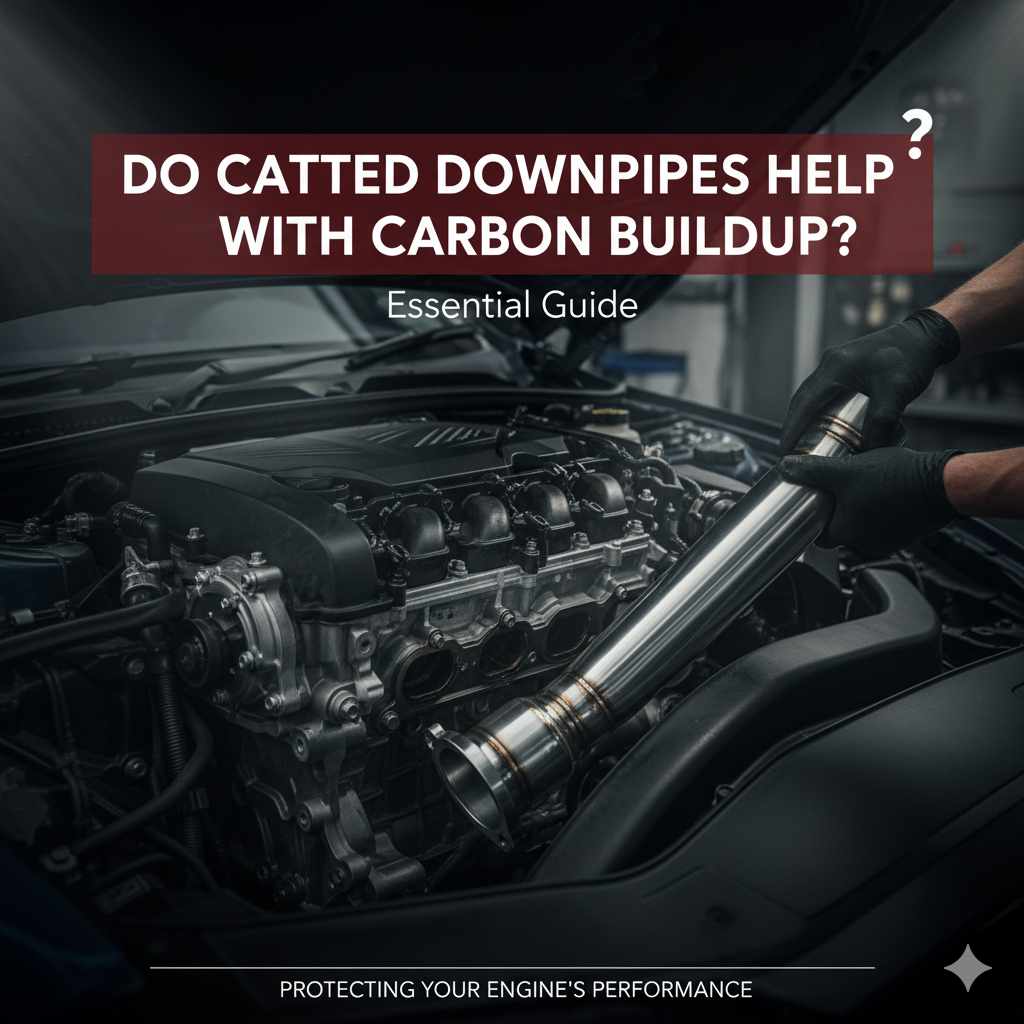
Do Catted Downpipes Help With Carbon Buildup? Essential Guide
Yes, catted downpipes can help mitigate carbon buildup in your exhaust system. By promoting more complete combustion and providing increased airflow, they assist in burning off excess carbon deposits before they accumulate excessively, potentially improving performance and engine health.
Are you noticing a funny smell from your exhaust, or maybe your car feels a little sluggish? These could be signs of carbon buildup in your exhaust system. It’s a common issue that can make your car run rough. But don’t worry! We’re going to break down what causes carbon buildup and how parts like catted downpipes might just be the solution you’re looking for. You’ll learn how these components work and what you can do to keep your car running smoothly.
Understanding Carbon Buildup in Your Exhaust
Carbon buildup happens when your engine doesn’t burn fuel completely. Think of it like a campfire that’s not getting enough air – it produces more smoke and soot. In your car’s engine, this incomplete combustion leaves behind fine carbon particles. Over time, these particles stick to the inside of your exhaust system, including the catalytic converter, mufflers, and pipes.
This “soot” isn’t just messy; it can cause real problems. It can clog up your catalytic converter, which is crucial for cleaning up harmful emissions. A clogged converter can choke your engine, leading to reduced power, worse fuel economy, and even engine warning lights turning on. It can also increase the backpressure in your exhaust, making your engine work harder than it needs to.
Several factors contribute to carbon buildup:
- Short Trips: When you only drive short distances, your engine doesn’t get hot enough to burn off deposits efficiently.
- Rich Fuel Mixture: If your engine is getting too much fuel and not enough air, it can lead to incomplete burning.
- Engine Oil Burning: Sometimes, a small amount of engine oil can enter the combustion chamber, burning and leaving carbon behind.
- Type of Driving: Stop-and-go city driving generally leads to more buildup than long highway cruises.
The good news is that understanding these causes is the first step to prevention and solutions. Let’s explore how specific exhaust components, like catted downpipes, fit into this picture.

What Exactly is a Downpipe?
To understand if a catted downpipe helps with carbon buildup, we first need to know what a downpipe is. In most vehicles, the exhaust system starts right after the engine’s exhaust manifold. The downpipe is typically the first section of exhaust pipe that connects the manifold (or turbocharger, if your car has one) to the rest of the exhaust system, often including the catalytic converter and muffler.
Think of it as the main highway out of your engine. It’s responsible for collecting the hot exhaust gases and channeling them away efficiently. The design and performance of the downpipe can significantly impact how well your engine breathes and how efficiently those exhaust gases are processed.
The Role of the Catalytic Converter
Before diving deeper into downpipes, it’s helpful to quickly touch on the catalytic converter. This is a vital part of your exhaust system that uses chemical reactions to convert harmful pollutants in your exhaust gases into less harmful substances. It’s typically located after the downpipe.
A healthy catalytic converter is essential for reducing emissions and for proper exhaust flow. When carbon buildup occurs, it can smother the precious metals inside the catalytic converter, reducing its ability to do its job and causing it to potentially clog. This is why keeping the exhaust system clean is so important for both performance and environmental reasons.
Do Catted Downpipes Help With Carbon Buildup?
Now, let’s get to the core question: do catted downpipes help with carbon buildup? The answer is generally yes, they can help mitigate it, but it’s not a magic bullet. Here’s how they contribute:
Improved Airflow and Combustion Efficiency
A common characteristic of aftermarket catted downpipes, especially performance-oriented ones, is a design that allows for better exhaust gas flow. This is often achieved through:
- Smoother Bends: Less restrictive bends compared to factory pipes.
- Larger Diameter: Some aftermarket pipes might have a slightly larger diameter, allowing more volume of gas to pass through quickly.
- High-Flow Catalytic Converter: The “catted” part refers to the inclusion of a catalytic converter. Performance catted downpipes often feature a high-flow catalytic converter. This type of converter is designed to be less restrictive than a factory unit, allowing exhaust gases to escape more freely.
When exhaust gases can exit the engine more easily and quickly, it can lead to more complete combustion within the engine cylinders. This means the fuel burns more thoroughly, producing fewer unburnt carbon particles in the first place. It’s like giving your engine a better “exhale,” which in turn can improve its “inhale” and overall function.
The Catalytic Converter’s Direct Role
The catalytic converter within the downpipe itself plays a role. A functioning catalytic converter promotes chemical reactions that help to burn off residual hydrocarbons. While its primary job is emissions control, a well-designed, high-flow catalytic converter working in cooler, less congested exhaust conditions (thanks to improved flow) can assist in oxidizing some of the carbon material that does form.
However, it’s crucial to understand that this isn’t about the downpipe magically “cleaning” existing, heavy buildup. Instead, it’s about:
- Preventing excessive buildup by promoting better combustion upstream.
- Facilitating the escape of exhaust gases more efficiently, reducing the tendency for carbon particles to settle and accumulate.
- Assisting in the oxidation of minor carbon deposits through the catalytic converter’s function.
What About “Catless” Downpipes?
It’s worth noting that “catless” downpipes, which remove the catalytic converter entirely, do not help with carbon buildup in the same way. While they offer the maximum airflow improvement and can lead to slightly better combustion efficiency by reducing backpressure, they eliminate the catalytic converter’s ability to help oxidize exhaust byproducts. In fact, removing the catalyst can exacerbate emissions issues and lead to more particulate matter being released into the atmosphere. For the purpose of managing carbon buildup and staying environmentally compliant, catted downpipes are the preferred choice.
Benefits of Catted Downpipes Beyond Carbon Buildup
While managing carbon buildup is a benefit, catted downpipes offer other advantages that make them popular upgrades for car enthusiasts:
Performance Gains
The most common reason people upgrade their downpipes—especially if they have a turbocharged vehicle—is for performance. By improving exhaust flow, a catted downpipe can:
- Reduce Turbo Lag: Exhaust gases spin the turbocharger. When they can exit faster, the turbo spools up quicker, reducing the delay between pressing the accelerator and getting boost.
- Increase Horsepower and Torque: A less restrictive exhaust means the engine can breathe more freely, leading to modest power gains throughout the RPM range.
- Improve Throttle Response: The engine can react more quickly to driver input.
Sound Improvement
Many aftermarket downpipes, even with a high-flow cat, can alter the exhaust note. They often produce a deeper, more aggressive tone, which many enthusiasts find appealing. The specific sound will vary greatly depending on the material, diameter, and the rest of the exhaust system.
Weight Reduction
Though often minor, some aftermarket downpipes are constructed from lighter materials like stainless steel, which can be lighter than the factory steel components. This contributes to an overall reduction in vehicle weight.
Potential Downsides and Considerations
While catted downpipes can be beneficial, there are a few things to consider before installing one:
Cost
Aftermarket catted downpipes are an investment. They can range from a few hundred to over a thousand dollars, depending on brand, material, and vehicle compatibility. This is a significant cost for a single component.
Installation Complexity
Installing a downpipe can be challenging. It involves working underneath your vehicle, dealing with potentially rusty bolts, and ensuring a proper seal to prevent exhaust leaks. While some DIYers can tackle it, it’s often a job best left to experienced mechanics or performance shops, especially if you don’t have the right tools or experience. This might add to the overall cost of the upgrade.
Legality and Emissions
This is a critical point. In many regions, modifying or replacing emissions control equipment, including catalytic converters, is illegal for road use. While performance catted downpipes still have a catalytic converter, it might be a high-flow unit that doesn’t meet OEM emissions standards for your specific vehicle. Always check your local laws and ensure the downpipe you choose is compliant in your area, or is intended for off-road use only. Tampering with emissions equipment can lead to failed inspections and significant fines. For information on emissions standards, you can consult resources from the U.S. Environmental Protection Agency (EPA).
Increased Noise
As mentioned, the sound can be a pro for some, but if you prefer a quiet ride, an aftermarket downpipe can make your car noticeably louder. This might be undesirable if you frequently drive in residential areas or need to be discreet.
Potential for New Leaks
Any time you alter the exhaust system, there’s a risk of introducing new exhaust leaks if connections aren’t properly sealed. Leaks can cause the “check engine” light to come on, reduce performance, and make the exhaust noticeably louder.
Comparing Stock vs. Catted Downpipes
To help visualize the differences, let’s look at a comparison:
| Feature | Stock Downpipe (OEM) | Catted Downpipe (Aftermarket) |
|---|---|---|
| Catalytic Converter | Standard, designed for maximum emissions compliance and often restrictive. | High-flow design, aims for balance between emissions reduction and performance. May still be subject to emissions regulations. |
| Exhaust Flow Rate | Lower, more restrictive. | Higher, less restrictive. |
| Carbon Buildup Mitigation | Relies solely on engine’s natural efficiency; can be a point of restriction and buildup contributor. | Can help due to improved flow and better combustion, and the cat’s oxidizing properties. |
| Performance Potential | Limited. | Moderate gains in horsepower, torque, and throttle response. |
| Sound | Quiet, designed for comfort. | Generally louder and more aggressive tone. |
| Cost | Included with the vehicle. Replacement can be costly. | Moderate to high cost for purchase and installation. |
| Legality | Fully compliant with emissions regulations. | Varies; check local laws. May be off-road use only. |
This table highlights how aftermarket catted downpipes aim to improve upon stock designs by focusing on flow and efficiency, which can indirectly help manage carbon buildup.
Installation Guide: A Simplified Overview
Installing a downpipe is a more involved process than a simple oil change. If you’re new to car maintenance, it’s highly recommended to have a professional do this. However, understanding the steps can be empowering:
Tools You’ll Likely Need:
- Jack and jack stands (for safely lifting the vehicle)
- Socket set and wrenches (metric and imperial)
- Pry bar
- Penetrating oil (for stubborn bolts)
- Torque wrench
- New gaskets and hardware (often sold separately or included with the downpipe)
- Safety glasses and gloves
General Installation Steps:
Step 1: Preparation and Safety
Park your car on a level surface. Engage the parking brake firmly. Allow the exhaust system to cool down completely – it can get extremely hot! Safely lift the rear of the vehicle using a jack and secure it with jack stands. Never work under a car supported only by a jack.
Step 2: Locate and Access the Stock Downpipe
The downpipe is usually the largest diameter pipe closest to the engine, often connected directly to the turbocharger (if equipped) or the exhaust manifold. You’ll need to get under the car to access it.
Step 3: Remove the Stock Downpipe
This is where penetrating oil is your friend. Spray any bolts connecting the downpipe to the exhaust manifold/turbo and the subsequent exhaust section. Let it soak. Carefully loosen and remove the bolts. You might need to gently pry the old downpipe away from its mounting points. Be prepared for it to be heavy.
Step 4: Install the New Catted Downpipe
If your new downpipe requires a new catalytic converter to be installed into it, do that first, ensuring the cat is oriented correctly. Then, position the new catted downpipe. Align the bolt holes with the manifold/turbo and the connecting exhaust section. Install new gaskets and hand-tighten the bolts first.
Step 5: Tighten and Torque
Once everything is aligned, begin tightening the bolts. It’s crucial to tighten them in a star pattern to ensure an even seal. Refer to the manufacturer’s instructions or a service manual for specific torque specifications. Over-tightening can warp the flanges, while under-tightening can lead to leaks.
Step 6: Re-check and Lower Vehicle
Double-check all connections to ensure they are secure. Install any necessary exhaust hangers. Carefully lower the vehicle off the jack stands.
Step 7: Test for Leaks
Start the engine. Listen for any unusual hissing or puffing sounds that indicate an exhaust leak. A common test is to have someone rev the engine gently while you (safely) inspect the connections for escaping gas, or feel for escaping air with a gloved hand (be careful of hot components).
Important Note: This is a simplified overview. Specific vehicles might have unique challenges, hidden bolts, or require adapter pieces. Always consult a reliable service manual for your specific make and model and prioritize safety above all else.
Signs Your Exhaust System Needs Attention (Beyond Carbon Buildup)
While catted downpipes can help manage carbon, it’s good to be aware of other exhaust system issues. Early detection is key to preventing bigger problems:
- Rattling Noises: This could indicate a loose heat shield, a clogged catalytic converter, or internal muffler damage.
- Ticking or Popping Sounds: Especially noticeable when the engine is cold, this can signal an exhaust leak near the engine.
- Reduced Engine Power: A sluggish engine can be a symptom of a restricted exhaust system, such as a clogged catalytic converter.
- Check Engine Light: Modern cars have sensors that monitor exhaust performance. A lit check engine light often points to an issue within the exhaust system, like a failing catalytic converter or an oxygen sensor problem. You can get codes read at most auto parts stores.
- Sulfur or Rotten Egg Smell: This distinct smell is a strong indicator that your catalytic converter is not functioning correctly, often due to overheating or contamination from heavy carbon buildup or other engine issues.
- Visible Rust or Damage: Regularly inspect your exhaust pipes, muffler, and catalytic converter for significant rust, holes, or physical damage. Exposed metal can lead to leaks and component failure.
Addressing these issues promptly can save you money on repairs and keep your vehicle running safely and efficiently. For more in-depth information on exhaust system maintenance and diagnostics, Cars.com offers helpful insights.

Frequently Asked Questions (FAQ)
Q1: Will a catted downpipe completely prevent carbon buildup?
A1: No, a catted downpipe won’t completely prevent carbon buildup. It helps by improving airflow and promoting more complete combustion, which reduces the rate at which carbon forms and accumulates. Regular engine maintenance and driving habits are still essential.
Q2: Are catted downpipes legal for street use?
A2: This varies significantly by region. In many places, modifying or replacing emissions control equipment is illegal for road vehicles. Performance catted downpipes often have a high-flow catalyst that may not meet OEM standards. Always verify your local emissions laws before purchasing and installing.
Q3: How much horsepower can I expect from a catted downpipe?
A3: Gains vary widely based on the vehicle (especially if turbocharged), the quality of the downpipe, and the rest of the exhaust system.


