Best Tubing Notcher for Exhaust Fabrication
For most exhaust work, the Rogue Fabrication VersaNotcher is the strongest fit because it handles bend work, accepts 3/4 inch to 2 inch round tube on bends, and reaches 225 degrees of adjustment. Pick a rotating-head notcher only when you regularly fishmouth curved sections. Choose poorly and you get gapped joints, heat distortion, extra grinding, and crooked exhaust hangers. This guide compares clamp styles, tube-size ranges, angle control, and thin-wall cutting behavior for DIY and small-shop exhaust fabrication.
Top pick for exhaust work

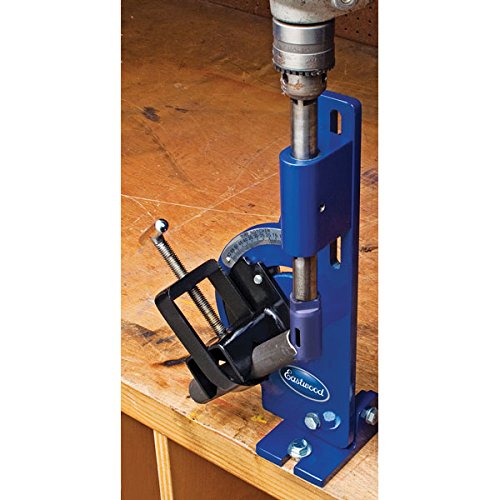
Rogue Fabrication VersaNotcher is the best overall match for exhaust fabrication when you want one notcher that can cover common round exhaust tube sizes, clamp on a bend, and stay useful as jobs move from cat-back work to tighter custom sections.
Who should skip it?
Skip it if you only cut straight, simple cope joints a few times a year and do not need bend-clamping. In that case, a lower-cost bench notcher or a template-and-grinder method may be enough. Skip it too if you need a production machine with dedicated shop-fixture workflow and do not care about portability.
Quick picks by job
Match the notcher to the exhaust task first. Check tube size, bend clearance, and angle control before you look at glossy claims.
- Cat-back and muffler work: Rogue Fabrication VersaNotcher for bend-capable fit-up and broad tube coverage.
- Downpipes and tighter bends: Rogue Fabrication VersaNotcher, because bend-clamping matters when the tube is already curved.
- Header collectors and custom merge work: Baileigh TN-250 if you want a precision-focused setup and can justify a shop tool.
- Budget DIY only: Woodward Fab WFN6 if you need a lower-cost entry point and can accept more setup and slower fit-up.
Exhaust notcher decision table
| Exhaust job | Required tube range | Angle adjustment | Bend-clamping needed? | Hole-saw depth | Buy or skip |
|---|---|---|---|---|---|
| Cat-back | 2 inch to 2.5 inch round tube | 0 to 50 degrees is usually enough | No, unless the section is already bent | 2 inch or 3 inch | Buy if you do repeated fit-up; skip if you only need one job |
| Downpipe | 2 inch to 3 inch round tube | 0 to 50 degrees, with clear indexing | Yes for curved segments | 3 inch | Buy a bend-capable model |
| Header collector | 1.75 inch to 2.5 inch round tube | Wide range helps with merge angles | Sometimes, depending on collector layout | 1.5 inch to 2 inch | Buy only if you do collector work often |
| Truck exhaust | 2.5 inch to 3 inch round tube | Moderate range is fine | Usually no | 3 inch or 4 inch | Buy if you fabricate often; otherwise skip |
| Stainless one-off | 2 inch to 2.5 inch round tube, thin-wall stainless | Wide enough to avoid forced fitment | Yes if the tube is pre-bent | 2 inch, with clean chip evacuation | Buy only if fit quality matters and you can slow the cut |
| Budget DIY | 2 inch to 2.5 inch round tube | Basic adjustment is enough | No | 1.5 inch to 2 inch | Skip premium tools; a template or basic notcher may be enough |
What makes a notcher work for exhaust?
A good exhaust notcher creates a repeatable fishmouth joint that matches the mating tube closely enough to weld with minimal gap. For exhaust work, the real test is not just whether it cuts a tube; it is whether it holds thin-wall material steady, follows the planned angle, and reaches the size you actually use.
Fishmouth quality and weld fit
Fishmouth cuts matter because exhaust tube wall is often thin enough that a sloppy joint leaves a wide root gap or forces extra filler. A hole-saw notcher can beat hand-cut templates when you need repeatable saddle cuts, especially on multiple hangers or mirrored sections.
A common first-timer mistake is buying by maximum angle alone, then discovering the tube still slips because the clamp is too light for 2.5 inch stainless. The cut may look acceptable, but the weld gap changes as the tube moves under load.
Tube size capacity and offset
For exhaust work, look at the sizes you cut most often before you look at the largest size printed on the machine. Rogue Fabrication lists a 1-7/16 inch offset for the VersaNotcher, plus support for 3/4 inch to 2 inch round tube on bends and up to 2 3/8 inch diameter straight tubing.
That matters because offset affects how far the tube can sit from the cutter while still reaching the intended cope. If the tool cannot reach the job geometry, the tube may have to be repositioned several times, which slows fit-up and raises the chance of a bad angle transfer.
Angle range and bend clearance
Angle adjustment is not a convenience feature. It decides whether you can set the cope for a straight section, then move to a bent section without forcing the tube into the wrong orientation. The same source lists 225 degrees of adjustment on the VersaNotcher, while Eastwood describes its Pro Notcher as adjustable up to 50 degrees.
Do not read those numbers the same way. A large overall adjustment range helps with fixture position and tube orientation, but you still need a stable reference for the actual cut angle. For exhaust work, that is what separates a useful bench tool from a setup that only works on straight tubing.
Clamping stability on thin wall
Tube slip is one of the main failure modes on thin-wall mild steel and stainless. A vise-style lead screw or ACME thread clamp gives more predictable pressure than a loose sliding clamp, and the ability to clamp on a bend matters when the tube is already curved and springy.
The same source says the VersaNotcher can clamp and notch on a bend, and can clamp square tube in diamond orientation. Those details matter because exhaust fabricators often need the tool to hold round tube, but occasional square brackets and support pieces also come into the same setup.
Which specs matter most?
For exhaust fabrication, the most useful specs are the ones that affect fit, not just machine size. Start with the hole-saw interface, then check material compatibility, hole depth, and whether you can run the tool with the drill you already own.
Hole-saw arbor and drill fit
Many notchers use a hole-saw arbor with either a 5/8-18 or a 1/2-20 thread, depending on the cutter and machine design. Match the arbor to the hole saw size and your drive tool before you buy, or you may end up with a machine that cannot take the saws you already own.
The same source says the VersaNotcher works off a 3/8 inch or 1/2 inch hand drill. That is useful if you want field portability or a simpler bench setup, but a drill press can still matter when you want cleaner alignment and slower, more controlled feed.
Supported tube shapes and materials
Exhaust work starts with round tube, usually mild steel or stainless. Some notchers also handle square tube, rectangular tube, flat bar, angle iron, and C channel, which is useful if the same tool also handles hangers, tabs, or braces. The same source lists square tube from 3/4 inch to 1.5 inch for the VersaNotcher.
Material choice changes the cutting behavior. Mild steel is more forgiving, while thin-wall stainless can chatter, heat up, and tear at the edge if the feed rate is too aggressive. Aluminum can cut cleanly, but the setup still needs stable clamping and correct saw selection.
Hole-saw depth and cut length
Hole-saw depth matters when the tube diameter or offset demands a longer reach through the work. The same source says the VersaNotcher accepts hole saws up to 4 inches, while other tools may top out lower. A 1.5 inch or 2 inch depth is often enough for smaller exhaust tube, but 3 inch or 4 inch depth can help on larger diameters and awkward setups.
Deeper is not automatically better. If the saw is too long for the job, it can flex more and increase chatter. Use the shortest depth that still clears the wall and lets the cutter track straight.
Manual setup versus drill press
A drill press is usually the cleaner choice when the notcher is stationary and the tube fits under the column. A hand drill can still be practical for portable work, but it demands steadier feed pressure and more attention to runout. The more delicate the stainless wall, the more a rigid setup pays off.
Suppose you are fitting a 3 inch stainless downpipe with a tight bend and only a hand drill. That is where a sloppy clamp or wobble shows up fast as a ragged edge. The same part on a drill press usually gives you more repeatability and less cleanup.
Best tubing notcher options by use case
These picks are grouped by how they fit exhaust work, not by marketing category. The right choice depends on whether you need bend-clamping, lighter weight, or a lower entry price.
Rogue fabrication versaNotcher
This is the most complete exhaust-focused option in the group. It covers 3/4 inch to 2 inch round tube on bends, up to 2 3/8 inch straight tubing, accepts hole saws up to 4 inches, works off a 3/8 inch or 1/2 inch hand drill, and can clamp and notch on a bend. For most DIY and small-shop exhaust jobs, that combination is hard to beat.
Baileigh TN-250
The Baileigh TN-250 is the premium-leaning choice when you want a precision-first machine for repeatable fit-up. The Farm Stand App calls it the “Ultimate Precision Choice.” That label fits best when the work is frequent, the joints must repeat, and the tool will live in a shop rather than ride around for mobile repair.
Woodward Fab WFN6
The Woodward Fab WFN6 is the value-oriented pick. The Farm Stand App lists it as its value pick, which makes sense for buyers who need a workable notch tool without paying for the most flexible clamp and angle package. It is the one to consider when the project list is lighter and the budget is tighter.
Eastwood Pro Notcher
The Eastwood Pro Notcher is the basic adjustable option to look at when your tube work stays near common exhaust sizes and you do not need bend-clamping as often. Eastwood describes it as adjustable up to 50 degrees, which gives it enough range for many standard exhaust fit-ups.
JMR TN1000
The JMR TN1000 is a reasonable look for buyers who want a dedicated notcher for straightforward tube work and are comparing shop-mounted options. Its place in the market is usually about task focus rather than maximum flexibility, so it makes more sense for routine bench work than for oddball bend-heavy exhaust layouts.
Pro-Tools HMP-200
The Pro-Tools HMP-200 fits buyers who want a heavier-duty shop tool and are less concerned with portability. That kind of machine usually makes sense when the notcher stays in one place and the work volume justifies a more rigid setup.
How do you notch tubing without a notcher?
You can notch tubing without a notcher by tracing a cope template, grinding to the line, or using a band saw for the rough cut and finishing by hand. Those methods work for one-off exhaust repairs, but they get slow and inconsistent when the same joint has to fit more than once.
Template and grinder method
Start with a paper or cardboard template based on the mating tube diameter and intended angle. Transfer that outline to the tube, cut close with a grinder, then sneak up on the final fit. This is the cheapest route, but it depends on steady hands and takes time on thin-wall stainless.
Band saw cope method
A band saw can make a cleaner rough cope than a grinder if the saw can hold the tube securely. Finish with a file or flap wheel. This method works well for one-off straight sections, but it loses appeal fast when the exhaust has several repeated joints or mirrored sides.
When the workaround stops making sense
Once you are doing repeated 2.5 inch or 3 inch exhaust joints, or trying to fit curved stainless sections, the manual workaround usually becomes too slow. If a missed line costs another cut, another tube, or another hour of refit, a proper notcher starts to pay for itself in accuracy and reduced cleanup.
How to choose the right notcher for exhaust work
Choose the notcher by the job you actually cut most often. For typical exhaust work, check tube diameter first, then angle range, then bend-clamping, then hole-saw depth. Do not pay for a huge machine if your work is small-diameter straight tubing, and do not buy a light bench tool if you regularly fit bent stainless sections.
- Measure your most common tube size, not the largest job you hope to do later.
- Check whether you need to clamp on an existing bend.
- Confirm the angle adjustment covers the layout you build most often.
- Match the arbor and drill type to your current tools.
- Choose the shortest hole-saw depth that still clears the cut.
- Prefer a rigid clamp and steady feed over a flashy spec sheet.
For home-garage cat-backs, a midrange tool with good clamping and enough tube capacity is usually the right call. For repeat custom exhaust production, the more rigid and adjustable machine earns its keep faster.
Frequently asked questions
What is the best tubing notcher for exhaust fabrication?
For most exhaust fabrication, the Rogue Fabrication VersaNotcher is the best fit because it covers common round tube sizes, clamps on a bend, and gives wide adjustment for awkward exhaust geometry. It is the strongest general option when you want one tool to handle both straight and curved sections.
Can a tubing notcher cut exhaust pipe on a bend?
Only if the machine is built for it. Many notchers are bench tools that assume straight tube, while bend-capable models can clamp the curved section securely enough to keep the hole saw aligned. Rogue Fabrication specifically lists bend-clamping on the VersaNotcher, which is the kind of feature to look for.
What hole saw size do I need for exhaust tubing?
Match the saw to the tube diameter and cope depth you need. For common exhaust work, 1.5 inch to 3 inch depth options are usually practical, and larger tube often benefits from deeper saw capacity. The right size is the one that clears the wall cleanly without extra chatter or overcut.
Is a manual tubing notcher good enough for exhaust work?
Yes, for many DIY and small-shop jobs. A manual notcher is good enough when you work on straight tube, do not need high throughput, and can tolerate a little setup time. If you cut thin-wall stainless often or need repeated bend fit-up, a sturdier notcher is the better buy.
What’s the difference between a pipe notcher and a tubing notcher?
In practice, the difference is how well the tool matches the work. A tubing notcher is usually the better fit for exhaust tube because it is aimed at fishmouth joints, hole-saw cutting, and smaller round sizes. Do not assume a generic pipe notcher is interchangeable with an exhaust tubing notcher.