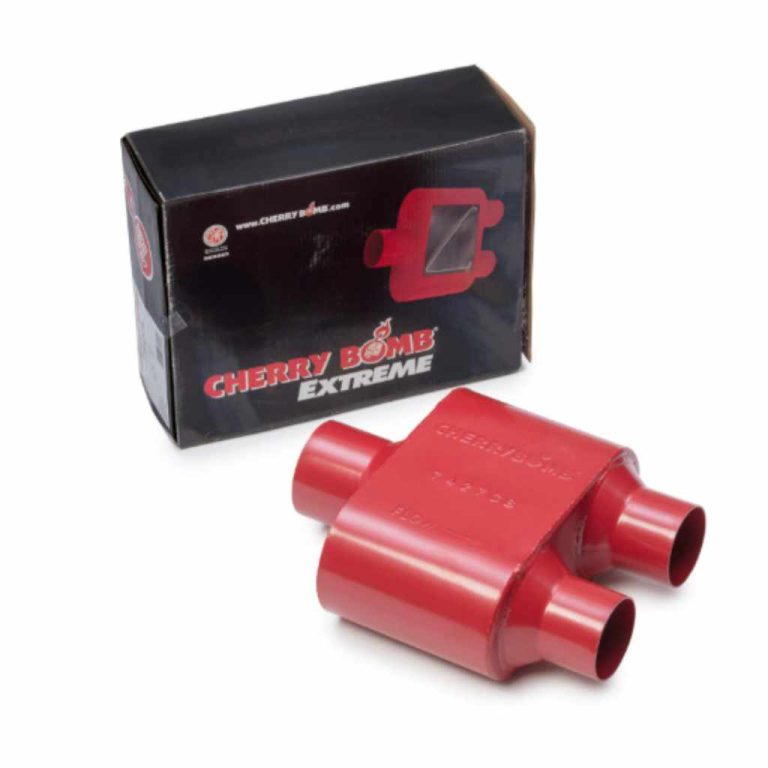
Are Loud Mufflers Illegal? Essential Guide
Are loud mufflers illegal? Yes, in most places, excessively loud mufflers are illegal because they violate local noise ordinances or state vehicle equipment laws, often enforced based on decibel limits or visible modifications. Understanding these rules is key to avoiding fines and enjoying your exhaust legally.
That deep rumble from a modified exhaust can sound amazing, right? But the moment a police officer pulls you over, that satisfying sound turns into a nagging question: “Are loud mufflers illegal?” It’s a common frustration for car owners who want better performance or just a cooler sound but don’t want trouble with the law. Dealing with noise regulations can feel confusing, like navigating a maze of confusing codes.
Don’t worry! As your friendly automotive guide, I’m here to clear the air. We will break down exactly what makes a muffler too loud, where these laws come from, and how you can enjoy your ride safely and legally. By the end of this guide, you will know exactly what your local laws say and how to check if your muffler passes the sound test. Let’s dive into making sure your exhaust sounds great without costing you a ticket!
The Simple Truth: Why Mufflers Get Regulated
Why do governments care how loud your car is? It seems like a small thing, but loud noise pollution affects everyone. Governments, both local and state, put limits on vehicle noise to keep neighborhoods peaceful and safe. Think about it: constant loud vehicles disrupt sleep, stress people out, and can even affect concentration while driving.
The core issue is usually not the muffler itself, but how much noise it lets escape. Most laws focus on preventing “excessive” noise, which they define using specific measurements or standards.
The Primary Reasons for Noise Laws
Vehicle noise restrictions are generally put in place for a few key reasons:
- Public Nuisance: To maintain a peaceful environment in residential and commercial areas, especially late at night.
- Safety Concerns: Extremely loud noises can potentially distract other drivers or mask important sounds like emergency sirens.
- Vehicle Inspection Standards: Many states require that vehicles meet certain standards to ensure they are properly equipped for the road, and mufflers are a key safety component.

Deciphering the Legality: State vs. Local Laws
This is where things get tricky for beginners. There isn’t one single nationwide law that says, “Your muffler must be exactly 95 decibels.” Instead, the rules are a mix of state-level vehicle codes and local city or county ordinances. This means what is legal in one town might earn you a fine in the next town over.
State Vehicle Equipment Codes
Most states adopt language similar to federal guidelines or adopt specific codes that regulate vehicle modifications. These often cover:
- Original Equipment Requirement: Many states require that your vehicle must have a muffler in good working order that prevents excessive or unusual noise. If you remove the muffler entirely (straight piping), you are almost certainly violating this law.
- Decibel Limits: Some states use specific decibel (dB) limits, usually measured at a certain distance from the vehicle while it operates at a specific RPM.
- Visible Modifications: Laws often prohibit modifications that are clearly intended to increase noise, such as removing baffles or using glass-pack mufflers that offer zero sound dampening.
To find your specific state rules, a great starting point is checking the official website for your state’s Department of Motor Vehicles (DMV) or state police regulations. For example, you might check the National Highway Traffic Safety Administration (NHTSA) resources, although they focus more on federal manufacturing standards, which states often adopt.
Local Noise Ordinances (The Most Common Source of Tickets)
Cities and counties often have their own, stricter laws, especially concerning time of day. A state law might allow a certain volume level, but a local ordinance might forbid that volume between 10 PM and 7 AM in residential zones. These local rules are often enforced by regular police patrols.
| Type of Law | Focus Area | Enforcement Level | Typical Violation |
|---|---|---|---|
| State Vehicle Code | Equipment standards and basic functionality. | State Police, Vehicle Inspection Stations | Removing the catalytic converter or muffler entirely. |
| Local Noise Ordinance | Maximum allowable volume and time of day restrictions. | City Police, Code Enforcement | Excessive volume during quiet hours (e.g., after 10 PM). |
How Loud is Too Loud? Understanding Decibels (dB)
The technical measure for sound volume is the decibel (dB). For beginners, understanding where your car falls on the scale helps you judge your muffler. Think of this scale as a guide:
- Whisper: 30 dB
- Normal Conversation: 60 dB
- Lawnmower/Heavy Traffic: 90 dB
- Power Tools: 100 dB
Many states set a maximum limit for passenger vehicles somewhere between 90 dB and 100 dB, measured under specific testing conditions. If your exhaust modification pushes your car consistently over 100 dB, you are highly likely to face legal trouble in most jurisdictions.
The Problem with Muffler Deletes and Straight Pipes
When you hear about someone getting a ticket for a “loud muffler,” they often have one of two things:
- Muffler Delete: The muffler canister is physically removed, and the pipes are welded back together. This results in a very raw, loud sound because you have eliminated the primary sound-dampening component.
- Straight Pipe: The entire exhaust path from the header back (or at least past the catalytic converter) is replaced with smooth, straight tubing. This offers maximum flow (and noise) but virtually zero sound control.
In almost every location, running a truly straight-piped vehicle without any baffling or sound-deadening equipment is illegal, regardless of the time of day, because it fails the basic requirement of having a functioning muffler to reduce noise.
How to Legally Upgrade Your Exhaust Sound (Without Getting Ticketed)
You don’t have to settle for the stock sound if you don’t want to! The key to a legal, satisfying upgrade is choosing components designed to enhance sound while adhering to noise limits. This means focusing on mufflers, not just removing parts.
Choosing the Right Aftermarket Muffler
When shopping for an aftermarket muffler, look for terms that suggest sound enhancement without being outright illegal:
- Chambered Mufflers: These use internal walls to redirect sound waves, often providing a deeper tone than stock without spiking volume excessively.
- Absorption/Straight-Through Mufflers: These use sound-absorbing material (like fiberglass packing) around a perforated core. They provide a louder, throatier sound than stock but are much quieter than a muffler delete. They are usually legal if the quality packing is intact.
- Resonators: These are smaller chambers placed further up the exhaust pipe (before the muffler). They target specific, high-pitched frequencies, making the sound deeper and richer without significantly increasing the overall decibel level.
Tools and Tips for Checking Your Current Exhaust
Before you upgrade or worry about a ticket, you need to know what sound level you are currently producing. This empowers you to make smart choices.
Tools You Might Need:
- A reliable smartphone application that measures decibels (search for “dB meter” in your app store—while not professional grade, they offer a good baseline).
- A friend to help you run the engine stationary.
- Access to your owner’s manual or local vehicle code lookup (often found on your state’s transportation website).
Step-by-Step Check (The Driveway Test):
- Preparation: Park your car in a safe, open area away from neighbors, ideally during the day when ambient noise is higher.
- Measure Ambient Noise: Turn the car off and use your dB app to measure the background noise level. This is your baseline.
- Idle Check: Start the car and let it idle. Measure the noise level from about 3 to 5 feet behind the tailpipe.
- Rev Test (Crucial Step): Have your friend carefully and quickly rev the engine 2-3 times to about 3,000 RPM (do not hold the rev). Immediately measure the peak volume reached during the rev.
- Compare: Compare your peak reading to the known legal limits in your state or city. If you are consistently hitting 100 dB or higher, you are at risk.
Common Misconceptions About Loud Muffler Laws
Many drivers operate on hearsay regarding exhaust laws. Here are some common myths that simply aren’t true, or are only partially true:
Myth 1: If it’s not factory stock, it’s illegal.
Reality: False. Most states allow aftermarket exhaust systems as long as they meet noise and emission standards. The law cares about the noise level, not necessarily the brand name.
Myth 2: You can only get a ticket if the police officer has a decibel meter.
Reality: Often false. Many jurisdictions allow officers to issue citations based on subjective observation (“excessive and unusual noise”) if the modification is obvious (like a missing muffler). While official tickets often require a formal measurement later, the initial stop is usually based on the officer’s judgment.
Myth 3: As long as the catalytic converter is on, I’m fine.
Reality: Not necessarily. While removing a catalytic converter is a separate, serious environmental and sometimes criminal offense in many areas, mufflers are regulated separately for noise. You can have a functional catalytic converter and still have an illegally loud muffler.
Myth 4: Loud exhausts are only illegal after dark.
Reality: Partially true. Many areas have stricter nighttime noise ordinances. However, if your exhaust is excessively loud (e.g., exceeding the general 95 dB limit), it can be illegal 24/7.
What Happens When You Get a “Loud Muffler” Ticket?
Receiving a citation for an illegal exhaust modification can be an annoying setback, but understanding the process helps you deal with it effectively.
The Typical Citation Process
When an officer pulls you over for noise, they will usually issue you a “fix-it ticket,” often referred to as a correctable violation.
- The Ticket: You receive a citation detailing the violation (e.g., “Vehicle Equipment Violation – Excessive Noise”).
- The Requirement: The ticket will require you to repair the vehicle (i.e., quiet the muffler) and have it inspected by a certified authority (like the DMV or a state patrol officer) within a set time frame (usually 30 to 90 days).
- The Fine: If you fix the issue and pass inspection, the initial fine is often waived or significantly reduced.
- Failure to Fix: If you ignore the ticket or fail the re-inspection, the fine amount increases significantly, and in some states, it can lead to vehicle registration suspension.
Strategies for Resolving a Noise Violation
If you are cited, here are your best steps:
- Assess the Damage: Determine if your current setup is truly illegal (use the driveway test above).
- The Quick Fix (If Possible): If you simply removed the muffler, the easiest fix is often to temporarily reinstall a stock muffler or install a cheap, restrictive aftermarket one to pass inspection.
- Document Everything: Take photos of your repaired exhaust system before your inspection appointment.
- Seek Professional Advice: If you feel the ticket was unfair or the measurements were inaccurate, consult a local traffic attorney who specializes in vehicle code violations, especially before your court date or re-inspection.
State-Specific Noise Laws: Where to Look Next
Since laws vary so much, you need to target your local regulations. Here are general categories of states and what you might find:
| State Approach | Example States (General Idea) | Typical Requirement |
|---|---|---|
| Strict Decibel Limits | California, New York | Often require measurements below 95 dB under testing conditions. |
| Subjective/Equipment Based | Many Midwestern States | Focus on having a muffler in good working order that prevents “unnecessary” noise. |
| No Specific Statute | Some Southern/Mountain States | Rely almost entirely on local county/city ordinances regarding public nuisance. |
Pro Tip for Beginners: When in doubt, search online for: “[Your State] vehicle equipment code muffler” or “[Your City] noise ordinance vehicle.” Reputable state legislative websites (often ending in .gov) will have the exact text.
Safety First: Why Mufflers Matter Beyond the Sound
Beyond avoiding fines, maintaining your exhaust system is crucial for your safety and the health of your car. A properly functioning exhaust does much more than just quiet things down.
Exhaust System Functions (It’s More Than Just Sound Dampening)
- Emissions Control: The catalytic converter (which comes before the muffler) is vital for turning harmful pollutants into less harmful ones. Tampering with this part is illegal and environmentally damaging.
- Backpressure Management: Mufflers and resonators create specific levels of backpressure. Too little pressure (like with a straight pipe) can actually hurt low-end torque and fuel economy on street-driven cars, even if it sounds cool at high RPMs.
- Structural Integrity: A well-installed exhaust system is securely mounted. If you cut out a main component, you may compromise the hangers or welds, leading to the entire system dragging or falling off—a major road hazard.
A high-quality, legal aftermarket muffler balances sound enhancement with these critical functions. It’s about smart modification, not just maximizing noise.

FAQ: Beginner Questions About Loud Mufflers and the Law
Q1: If I install an expensive, brand-name performance muffler, is it automatically legal?
A: Not automatically. While reputable performance brands design their products to meet general noise standards, you must still check your local decibel limits. A performance muffler might be legal in one state but push you over the limit in a stricter area.
Q2: Can I get a ticket even if my car is parked?
A: Yes, if your vehicle is running and producing excessive noise while parked, it violates most public nuisance and noise ordinances. You can be cited while sitting in your driveway if neighbors complain or police observe it.
Q3: What is the difference between a muffler and a resonator in the eyes of the law?
A: Generally, the muffler is the main component required by law to reduce noise. A resonator is usually considered an optional sound-tuning device. Removing a resonator often makes the car louder but might not violate the law unless the noise then exceeds the maximum decibel limit.
Q4: How can I prove my muffler is legal if I get pulled over?
A: The easiest proof is documentation. Keep receipts showing the purchase of the muffler and ideally, records of a recent inspection or measurements showing your vehicle operates below the legal limit for your area.
Q5: What if I just drive very quietly so the police don’t notice my loud muffler?
A: This is risky. Officers are trained to recognize modified exhaust sounds. Furthermore, if you are stopped for another reason (like a broken taillight), the officer will then notice the loud exhaust and issue a separate ticket for that violation.
Q6: Can a police officer just decide my exhaust is loud without measuring it?
A: In many places, yes, they can issue a warning or a correctable citation based on reasonable cause and observation of an illegal modification (like a missing component). However, for a non-correctable fine to stick, official testing often must be performed later.
Conclusion: Driving Loud and Proud, The Right Way
Navigating the world of loud mufflers and traffic laws doesn’t have to be stressful. The main takeaway is this: while aftermarket modifications are widely accepted, excessive noise is almost universally regulated. Are loud mufflers illegal? Yes, when they exceed state-mandated decibel levels or violate local public nuisance laws.
As a responsible car owner, your goal should always be to enhance your vehicle’s sound signature intelligently. Research your local ordinances, understand the difference between a noise-canceling performance muffler and a straight pipe, and always prioritize safety and compliance. By being proactive—performing the driveway test or confirming local decibel limits—you ensure that the unique rumble of your engine remains a source of pride, not a source of expensive tickets. Keep it loud enough to sound great, but quiet enough to stay on the right side of the law!