
Straight Pipe vs Muffler Delete on Diesel Trucks
For most diesel trucks, a muffler delete is the better first move; go straight pipe only if you want maximum volume, can live with more drone, and the truck is already set up for off-road or track-only use. Get it wrong and you can end up with cabin fatigue, towing annoyance, inspection trouble, or a setup you later have to redo. This guide compares sound, drone, legality, tuning, reversibility, and gives a decision matrix by truck age, cab style, towing duty, highway RPM band, and DPF status.
| Decision factor | Straight Pipe | Muffler Delete on Diesel Trucks | Winner |
|---|---|---|---|
| Sound | Loudest, most aggressive tone, with more turbo whistle and more cabin drone at cruise RPM | Still loud, but usually a deeper diesel tone with less cabin drone | Straight Pipe |
| Reversibility | Less convenient to undo if the system was cut and reworked | Cheaper and easier to return toward stock | Muffler Delete on Diesel Trucks |
| Flow gain | Slightly freer flowing than a muffler delete | Close behind, with only a small performance difference in most builds | Straight Pipe |
| Daily driving and towing comfort | Higher drone risk on long highway trips and under load | Usually easier to live with for commute and towing | Muffler Delete on Diesel Trucks |
| Setup cost and change risk | More likely to turn into a full redo if the sound is too harsh | Lower-risk first change for a truck owner who may want to revert later | Muffler Delete on Diesel Trucks |
Sound, drone, and DPF impact on a crew cab diesel
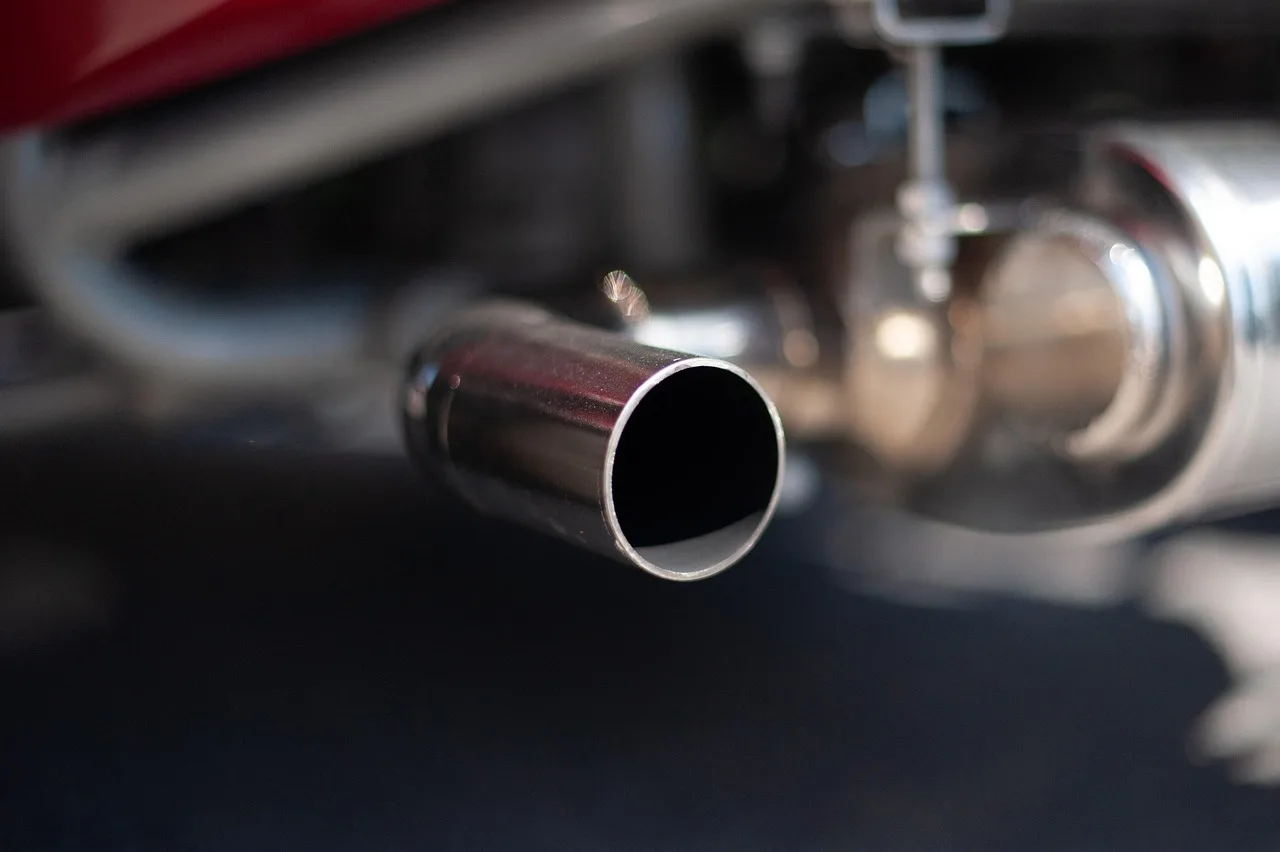
What each setup removes
A straight pipe removes the muffler and any other restrictions in that section, then replaces the run with tubing. A muffler delete removes only the muffler and leaves the rest of the exhaust layout intact, so it is the smaller change.
How they differ in sound, drone, and reversibility
Straight pipe is the louder, harsher choice, and it is also the one more likely to create cabin drone at cruise RPM. Muffler delete still opens the truck up, but it usually keeps a deeper tone and is easier to undo if the result is too loud.
Where the DPF changes the answer
On a modern diesel, the diesel particulate filter is the main sound and flow restriction. A stock truck with the DPF still installed will not respond like an older pre-DPF truck, because the filter does about 80 percent of the silencing work.
Say your truck is a crew cab with 3.55 gears, 35-inch tires, and a DPF still in place. A straight pipe behind the filter may still sound restrained at idle, then get much harsher once the truck settles into the 1,800 to 2,000 rpm band on the highway.
What changes when the DPF is still on?
Why the DPF is the main restriction on modern diesels
The DPF is the biggest factor governing sound and flow on many newer trucks. When it stays in place, a muffler change alone only alters part of the exhaust note, so the result is less dramatic than owners often expect.
Why a straight pipe alone does not equal a full delete
A straight pipe behind the DPF is not the same as deleting emissions hardware. The filter still blocks much of the sound and flow, so the truck may remain quieter than a true delete setup even with the muffler removed.
When tuning becomes necessary
If emissions hardware is removed, the truck needs a delete tune or similar computer change to avoid codes and limp mode. The supplied cost range for that tune is about $400 to $800, and deleting the DPF and/or down pipe without it can trigger a check engine code.
Is a straight pipe louder than a muffler delete on a diesel?
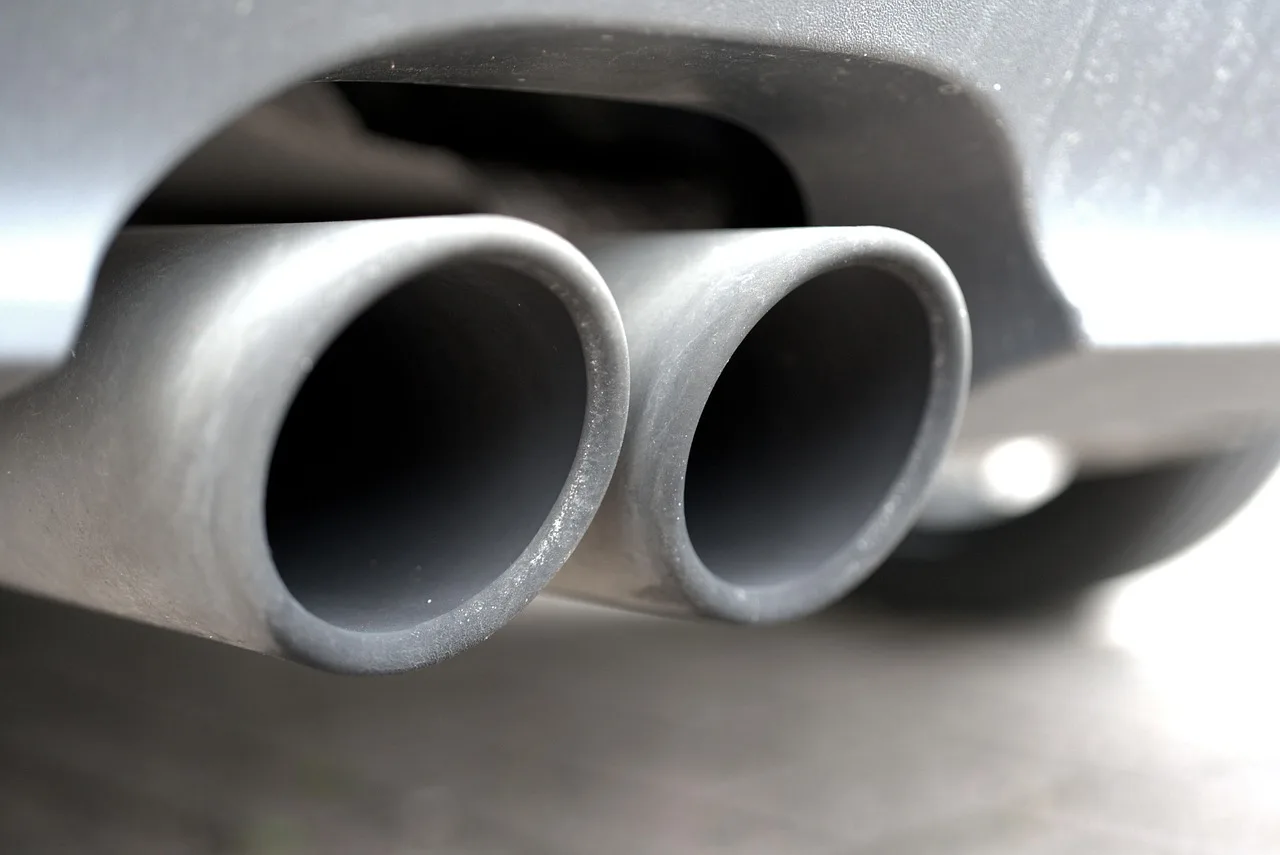
Tone, volume, and turbo whistle differences
Yes. Straight pipe is louder than a muffler delete on a diesel, and it tends to make the truck sound more aggressive at idle, acceleration, and part throttle. On a 6.7 Powerstroke, the variable-geometry turbo whistle is often reported to get noticeably louder after a delete.
Cabin drone around cruise rpm
Drone is the low-frequency hum that usually peaks around 1,800 to 2,000 rpm on straight-piped diesel trucks. That band matters because many highway setups live there for long stretches, which is why the same exhaust can feel fine around town and tiring on a commute.
Why cab style and axle ratio matter
Cab style changes how much exhaust energy reaches the cabin. A regular cab is usually said to tolerate more sound than a crew cab, and taller axle gearing can keep the engine closer to the drone band on the highway. Tire size can also shift cruise rpm enough to change where the hum lands.
Suppose a truck with 5-inch exhaust, a crew cab, and 37-inch tires is running at about 1,900 rpm on the interstate. That setup is much more likely to feel busy inside than the same truck with a 4-inch system and a lower cruise rpm.
Does a muffler delete reduce drone?
Why a muffler delete usually drones less than a straight pipe
Usually, yes. A muffler delete keeps the rest of the system more intact and generally produces less drone than a straight pipe, while still giving a deeper diesel tone. It is the better middle step when sound is the goal but cabin fatigue still matters.
How a straight-through muffler changes the result
A performance muffler or straight-through muffler has minimal restriction and usually costs only 2 to 3 horsepower on a dyno. That makes it a practical way to soften the drone without giving up much flow, especially on a truck that sees highway use.
When a resonator helps
A resonator or similar sound-control section is useful when the truck sounds harsher than expected after a change in pipe layout. If the system already uses the right diameter, the fix may be a muffler or resonator rather than a full rework.
Power, tuning, and flow changes
How much horsepower the muffler itself really changes
A muffler is usually a sound-control part first, not a big horsepower limiter. On a deleted diesel, the horsepower change from a straight-through diesel muffler is only 2 to 3 horsepower on a dyno, so the decision is mostly about sound and drone.
Why a deleted diesel needs a tune when emissions parts are removed
When the DPF and related emissions parts come off, the engine computer needs to be addressed. A delete tune prevents codes and limp mode, and the supplied price range for that tune is about $400 to $800.
Why pipe diameter matters more than many owners expect
Pipe size changes the tone as much as the muffler choice. A 4-inch pipe is sharper and raspier, with less drone. A 5-inch pipe sounds deeper and flows more, but it raises drone risk.
That is why a 4-inch system is often the safer daily-driver choice, while a 5-inch system makes more sense when the owner wants the deeper tone and accepts the higher cabin noise risk.
Diesel exhaust decision matrix
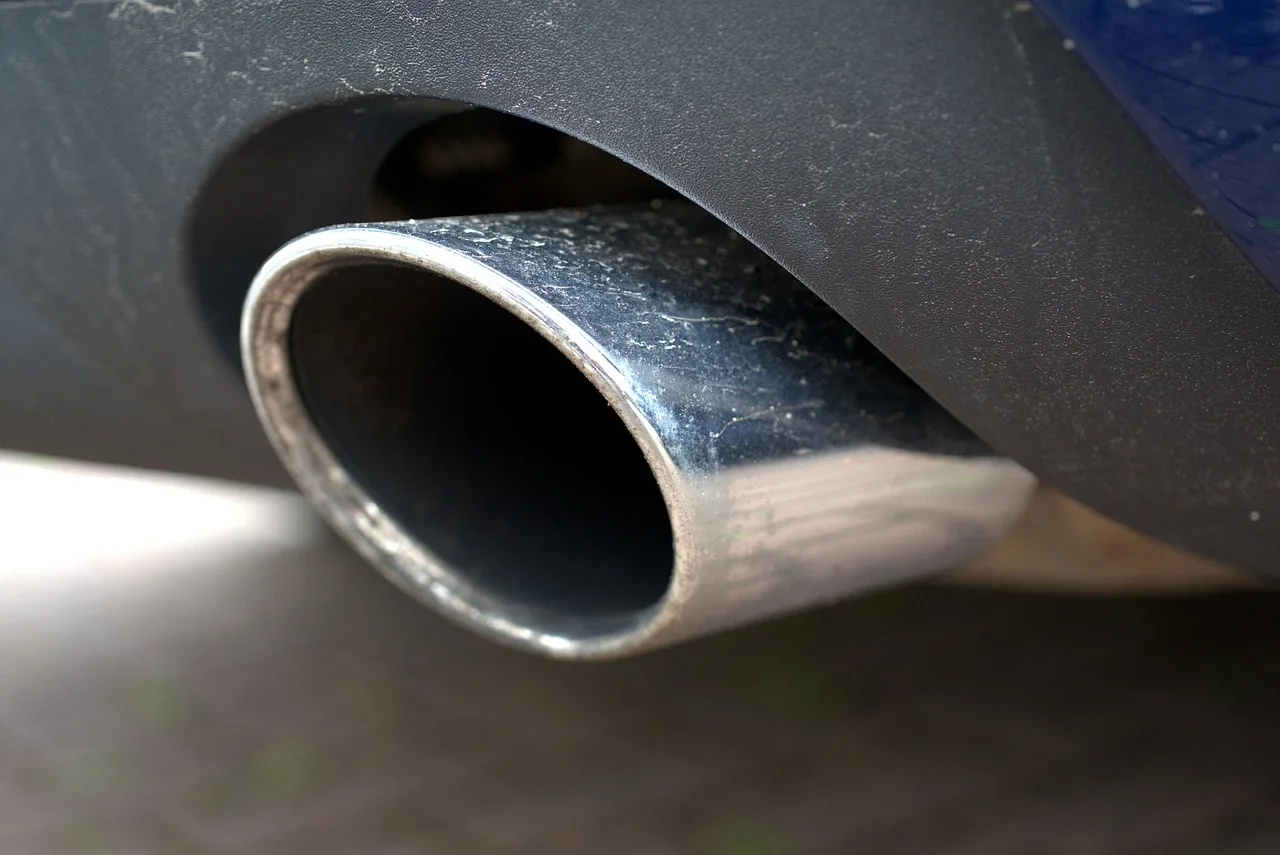
| Scenario | Truck use | Recommended setup | Likely drone risk | Sound level | Tuning need | Revert cost |
|---|---|---|---|---|---|---|
| Stock daily driver | DPF still present, commute and errands, mixed city and highway | Muffler delete on diesel trucks, or keep stock muffler if cabin comfort matters most | Moderate with straight pipe, lower with muffler delete | Moderate to loud | None unless emissions parts are removed | Low if the muffler section is untouched |
| Deleted tow rig | DPF removed, towing duty, long pulls, heat management matters | Muffler delete on diesel trucks, preferably with a 4-inch pipe | Lower than straight pipe, but still watch the 1,800 to 2,000 rpm band | Loud | Required | Moderate, because the truck is already modified |
| Weekend toy | Off-road or track-style use, sound is the main goal | Straight Pipe | High | Very loud | Required if emissions hardware is removed | Higher if the exhaust was cut for the install |
| High-mile highway truck | Long interstate runs, crew cab or mega cab, cruise rpm near the drone band | Muffler delete on diesel trucks with a straight-through muffler or 4-inch pipe | Lower | Moderate | Depends on emissions status | Lower if the system stays close to stock layout |
Stock daily driver
For a truck that still carries the DPF and sees regular street use, the muffler delete is the safer first choice. It gives a sound change without pushing the truck as hard toward drone or reinstall work.
Deleted tow rig
Once the DPF is already gone and the truck tows, the decision shifts toward livability. A muffler delete with a 4-inch system usually keeps the tone strong without making long pulls more tiring than they need to be.
Weekend toy
For a toy that spends most of its time off-road or away from highway droning, straight pipe makes sense if maximum volume is the goal. That is the use case where the extra noise is the point, not the downside.
High-mile highway truck
Long-distance trucks need the most restraint. The better setup is usually a muffler delete on diesel trucks, often with a 4-inch pipe or a straight-through muffler, because the goal is to stay out of the drone band as much as possible.
Choose Straight Pipe if… / Choose Muffler Delete on Diesel Trucks if…
Choose Straight Pipe if…
Choose Straight Pipe if the truck is off-road or track-only, you want the loudest and most aggressive tone, and you can accept more cabin drone around 1,800 to 2,000 rpm. It also fits best when the emissions hardware is already addressed and reversibility is not a concern.
Choose Muffler Delete on diesel trucks if…
Choose Muffler Delete on Diesel Trucks if you drive the truck on the highway, tow often, want a deeper diesel tone without the harshest drone, or may want to return to stock later. It is also the safer first move for daily drivers and lightly tuned trucks.

- T304 stainless steel for durability
- Mandrel-formed for a straight pipe build
- Universal fit for exhaust-related uses
Is a 4-inch or 5-inch diesel exhaust better for sound and drone?
4-inch pipe
A 4-inch pipe is usually the better choice when you want sound without pushing the cab too hard. It is sharper and raspier, with less drone, so it suits daily drivers and lightly tuned trucks better than a larger system.
5-inch pipe
A 5-inch pipe sounds deeper and flows more, but it raises drone risk. That makes it a better fit for trucks where maximum sound and flow matter more than quiet highway manners.
What parts are removed in a full diesel delete versus a muffler delete?
Full delete
A full diesel delete removes emissions hardware, and a DPF delete pipe replaces the filter and the rest of the stock exhaust with a straight run of tubing. That is the setup that changes sound and flow the most, but it also requires tuning to avoid codes.
Muffler delete
A muffler delete removes only the muffler and leaves the rest of the exhaust system intact. It changes sound more than power and is simpler to reverse if the truck owner wants to return to a quieter setup later.
Is deleting emissions equipment legal for street trucks?
Street-road use
Delete parts are sold for off-road and race use only, and street-road legality is restricted. If the truck is driven on public roads, the legal risk is part of the decision, not an afterthought.
Practical takeaway
If a street truck still needs emissions hardware, do not treat a delete as a casual bolt-on. The safer route is to keep the emissions equipment in place and use a muffler or straight-through muffler if the goal is just more sound.
Frequently asked questions
What is the difference between a straight pipe and a muffler delete on a diesel truck?
A straight pipe removes the muffler and other restrictions in that exhaust section, while a muffler delete replaces only the muffler with pipe. Straight pipe is usually louder and more drone-prone; a muffler delete is the smaller, easier-to-reverse change.
Does a muffler delete reduce drone compared with straight pipe?
Usually, yes. A muffler delete generally drones less than a straight pipe because it keeps more of the exhaust layout intact. If drone still shows up, a straight-through muffler or resonator is a better fix than going louder.
How much horsepower does a muffler add or cost on a deleted diesel?
A straight-through diesel muffler only costs 2 to 3 horsepower on a dyno. That is too small to drive the decision for most owners, so sound, drone, and how easily the system can be changed back matter more.
Do you need a tune after a diesel delete pipe install?
Yes, if emissions hardware is removed. The delete tune is needed to keep the truck from setting codes or dropping into limp mode, and the supplied range is about $400 to $800. A muffler-only change does not create that same requirement.
Can you run a straight pipe on a modern diesel with the DPF still installed?
You can change the exhaust behind the DPF, but the filter still does most of the silencing on a stock truck. That means the sound change will be limited compared with a true delete, and the truck will still keep much of the factory restriction.
Which setup is better for towing and highway driving, straight pipe or muffler delete?
Muffler delete on diesel trucks is usually the better towing and highway choice. It still gives a stronger diesel tone, but it is less likely to beat up the cabin with drone during long trips or steady-load towing.