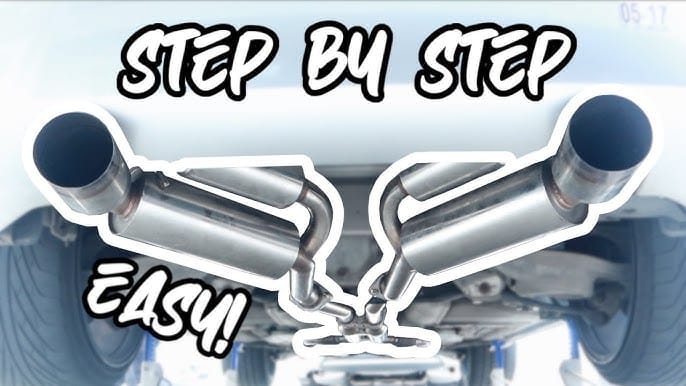
Best Carbon Fiber Motorcycle Exhausts (2026): We Compared
The best carbon fiber motorcycle exhaust matches your inlet diameter, leaves clear space for the rearset, swingarm, and bodywork, and includes a removable dB killer if you ride on the street. Buy the wrong fit and you can end up with leaks, melted panels, excess noise, or a can that needs extra adapters before it will mount. This guide compares universal carbon fiber slip-ons by fitment, sound control, hardware, and build quality so you can check the details before you order.
Quick comparison
| Product | Badge | Best for | Price | ||
|---|---|---|---|---|---|
 | PACEWALKER Motorcycle Slip On Muffler, 2" Universal CarbonPACEWALKER | Our pick | 2" Universal · Carbon fiber shell · Titanium alloy core | $49.99 Price as of 22 Oct 2026 | View |
 | Yoshimura R-77 Carbon Fiber Slip-On Exhaust System withYoshimura | Also great | Suzuki GSXR600 2011-12 · Carbon fiber tip · EPA-compliant | $774.88 Price as of 22 Oct 2026 | View |
 | 51mm Universal Motorcycle Exhaust Muffler USA Two BrothersMBHJsdYI | Also great | 51mm Universal · Stainless steel · Carbon fiber pipe | $346.38 Price as of 22 Oct 2026 | View |
 | Vance and Hines Big Radius 2-Into-2 Full System Exhaust forVance & Hines | Also great | $1,089.10 Price as of 22 Oct 2026 | View | |
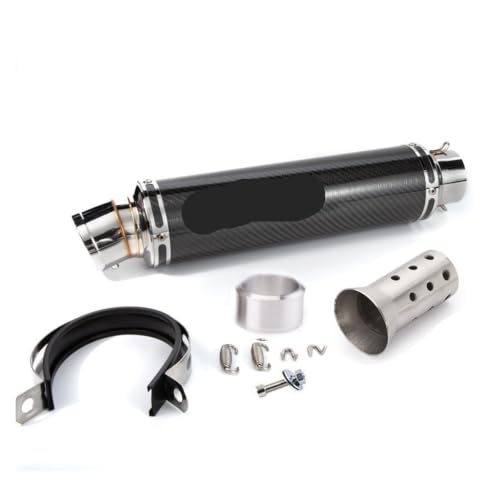 | Universal 51mm 60mm Motorcycle Exhaust ,Compotble ForEAOWPFBCKXNS | Upgrade pick | 51/60mm Universal · Carbon fiber muffler · Heat-dissipating shell | $150.86 Price as of 22 Oct 2026 | View |
Use this section to separate direct-fit systems from universal cans before you compare looks. The cheapest option is not always the easiest install, especially when the inlet size, reducer, and mounting hardware do not line up.
How we chose
We compared the listings on fitment clarity, material construction, sound-control parts, and the amount of install risk a buyer is likely to face. We also separated real carbon fiber shells from carbon-fiber-look finishes, because those two choices do not carry the same price, heat tolerance, or durability profile.
Universal claims got extra scrutiny. A can that says 38 mm to 51 mm still needs the pipe to be measured, and some bikes will still need a reducer, sealant, or trimming for a clean seal and safe clearance.
Sound control mattered too. A removable dB killer gives you more room to decide between street manners and track volume, but local rules still vary and an insert does not guarantee legal compliance.
PACEWALKER motorcycle slip-on muffler: best for budget
- Affordable entry into carbon fiber exhausts
- Universal 2" slip-on fits many motorcycles
- Titanium alloy construction with carbon fiber outer
The PACEWALKER slip-on is the lowest-cost entry here for riders who want a carbon-fiber look and a universal 2-inch connection. Based on the listed specs, it fits street bikes, scooters, dirt bikes, and ATVs where the buyer can verify fitment details before ordering.
What stands out is the titanium alloy construction with a carbon fiber outer shell. That gives you the visual appeal many riders want, plus a lighter can than a stock steel muffler in many setups, though exact savings depend on the original exhaust.
The drawback is fitment risk. A 2-inch universal slip-on still needs exact pipe diameter checks, and a universal can can need extra hardware, adapter work, or trimming if the mounting point, pipe angle, or rear bodywork gets in the way.
Yoshimura R-77 carbon fiber slip-on exhaust: best for direct fit

- EPA noise compliant for street legality
- Real carbon fiber finish from Yoshimura brand
- Direct OEM-spec fitment for GSXR600
This Yoshimura option is the cleanest choice if you want a model-specific route and do not want to gamble on a universal clamp-up. The listing is direct about Suzuki GSXR600 2011-12 fitment, which is the kind of detail that reduces install risk for riders who want certainty over universal flexibility.
Its strength is the OEM-spec fitment and the carbon fiber tip from a known exhaust brand. The EPA noise-compliant positioning will appeal to riders who want a more measured street setup, though local inspection and enforcement rules still vary by place.
The drawback is that this is not a universal solution, and it is not the lowest-cost choice in the group. It also targets a specific bike range, so riders outside that fitment window should not use it as a substitute for checking their own inlet and mounting points.
MBHJsdYI 51 mm universal exhaust muffler: best for adapter-friendly installs
- Flexible connecting section adapts to various exhausts
- Built-in silencing structure for reasonable sound levels
- Stainless steel body resists rust and heat
This 51 mm universal muffler is aimed at riders who want a broader connector size and a more substantial stainless steel body. The flexible connecting section is the main selling point, because it can make adaptation easier when a straight-on can would be awkward.
Its built-in silencing structure is useful if you want a more restrained exhaust note without deleting sound control entirely. Stainless steel also brings practical corrosion resistance, and that matters on bikes that see wet roads or salt exposure.
The drawback is cost and complexity. A universal 51 mm setup can still need reducers, sealant, or adjustment to prevent leaks, and a flexible connector does not fix poor alignment or bad clearance under the tail section.
Vance & Hines Big Radius 2-Into-2 full system: best for full-system buyers
This is the outlier in the list because it is a full system, not a universal carbon fiber slip-on. It belongs in a comparison like this only as a reminder that some buyers really need full-system replacement, not a can swap.
The upside of a full system is that it avoids the guesswork of universal adapter fitment. It can also be the right answer when the stock routing, collector layout, or model-specific configuration leaves a slip-on with too many compromises.
The drawback is obvious: this is not the budget path, and it is not the right answer for riders who simply want a lighter muffler with a different tone. It also does nothing to solve the question of universal carbon fiber shell fitment, because it is a different product category.
EAOWPFBCKXNS universal 51/60 mm carbon fiber muffler: best for dual-size fit attempts
- Dual-size compatibility (51mm and 60mm) broadens fitment
- Carbon fiber outer shell with titanium alloy core
- Heat dissipation structure helps prevent leg burns
This muffler is the most flexible fitment listing in the group because it claims dual-size compatibility at 51 mm and 60 mm. That makes it appealing to riders who are comparing several pipe sizes or dealing with a less common outlet diameter.
The carbon fiber outer shell with a titanium alloy core is a good match for riders who want the visual of carbon plus a heat-tolerant internal structure. The heat-dissipating shell is also a practical feature for reducing leg-burn risk near the can, though it is not a promise against all heat damage.
The drawback is that dual-size compatibility can tempt buyers to skip measurement. Do not do that. A 51/60 mm listing still needs the exact pipe diameter, clamp style, and clearance around the swingarm and bodywork checked before purchase.
Carbon fiber exhaust decision matrix
This matrix helps you sort the choices by fitment reality first. The right call depends on inlet size, whether the shell is truly carbon fiber or only carbon-fiber-look, and how much sound control you need for street use versus track use.
| Type | Inlet size | Material stack | dB killer | Fitment risk | Best rider use case |
|---|---|---|---|---|---|
| Universal budget slip-on | 2-inch, with exact measurement still required | Carbon fiber shell with titanium alloy core | Not listed for this model | Medium to high if pipe shape or clearance is off | Riders who want low entry cost and accept adapter work |
| Direct-fit slip-on | Model-specific inlet and bracket fit | Carbon fiber tip or shell depending on listing | Not always listed | Low when the exact model and year match | Street riders who want predictable installation |
| Universal 51 mm muffler | 51 mm, with reducer or seal confirmation often needed | Stainless steel body with carbon fiber pipe or shell details | Built-in silencing structure on some versions | Medium, especially at the joint and hanger | Riders who want a broader connection range and a sturdier body |
| Dual-size 51/60 mm muffler | 51 mm and 60 mm | Carbon fiber shell with titanium alloy core | Not specified here | Medium, because dual-size claims still need measurement | Owners comparing multiple pipe diameters or oddball fits |
What fits your bike?
The best fit starts with the inlet diameter, then moves to clearance and mounting points. A carbon fiber slip-on can be easy to install, but only if the pipe diameter, hanger position, and muffler angle match the bike closely enough to avoid leaks or contact with nearby parts.
For riders asking whether a carbon fiber slip-on will fit a 38 mm to 51 mm exhaust pipe, the answer is yes only when the exact pipe measurement lands inside that range and the adapter geometry still seals correctly. A listing that says 38 mm to 51 mm or 38-51mm is not a promise that every pipe in that span will fit without reducers, sealant, or minor trimming.
Say your bike has a 51 mm outlet but the muffler body touches the side panel by a few millimeters. The joint may still be wrong even though the inlet number matches. In that case, clearance beats the catalog claim.
Checking inlet diameter
Measure the outer diameter of the exhaust pipe where the muffler will clamp. Use the exact number, not a guess. A 38 mm inlet is not the same thing as a 2-inch inlet, and the difference is large enough to cause leaks if the adapter is wrong.
Some product pages use metric ranges while others use inches. Treat 1.5 to 2 inches, 38 mm, and 51 mm as separate checks, not interchangeable labels. That matters because a clamp that is close can still leave a poor seal or a crooked can.
Checking clearance and mounting points
Check the rearset, swingarm, passenger peg area, and tail section before buying. The can should clear heat-sensitive panels and not strike the suspension through its travel.
A common first-timer mistake is assuming the inlet is the only fitment issue. Then the muffler arrives, the clamp fits, and the can still sits too high, too low, or too far out to mount safely.
When adapters or trimming are still needed
Adapters are still common on universal exhausts, especially when the pipe diameter is close but not exact. The buying guide note that some universal fits may still need adapters for a perfect seal is worth taking literally.
Trimming can also come up with universal cans when the pipe length, spring angle, or hanger placement leaves the muffler sitting in the wrong spot. If the listing does not mention the needed hardware, assume you may have to source it yourself.
Do you need a dB killer?
For most street riders, yes, a removable dB killer is the safer choice because it gives you room to reduce volume when needed. For track use, some riders prefer the insert out, but louder is not automatically better and local noise rules still vary.
The key point is control. A removable insert lets you decide how much sound you want without locking you into one fixed level. It also gives you a way to tune a universal muffler if the raw note turns harsh or droning at cruise speed.
Street use
Street riders usually benefit from a removable dB killer because it helps keep startup volume and steady-state noise more manageable. That does not guarantee compliance, but it does give you a practical way to reduce attention and fatigue.
Track use
Track riders may remove the insert if event rules allow it, but that decision should be made against the venue’s sound limit and inspection process. A louder exhaust can become a liability if the track runs static checks or enforces a strict drive-by limit.
What removable inserts change
Expect a change in tone first, then volume. A removable dB killer often cuts harshness and shrillness before it dramatically changes the shape of the exhaust note, which is why many riders treat it as a tuning part rather than a binary on-off switch.
Which one should you buy?
Choose the PACEWALKER if you want the lowest entry price and are comfortable verifying fitment yourself. Choose the Yoshimura if you want the safest direct-fit path for the listed GSXR600 application and value brand-backed fitment clarity over universal flexibility.
Choose the MBHJsdYI 51 mm muffler if you want a sturdier stainless body and a broader connector size, especially if you expect to adapt the pipe rather than bolt on a perfect direct fit. Choose the EAOWPFBCKXNS if you are comparing 51 mm and 60 mm options and want the carbon-fiber shell plus titanium alloy core combination.
If you ride a sport bike like a Z900, GSXR750, or CBR650, use those names as fitment examples only. The product pages may mention them, but the real decision still depends on model year, pipe diameter, hanger position, and whether the can clears the bodywork once installed.
If budget is tight, start with the simplest universal option only after measuring the pipe and confirming the hardware. If sound control matters most, prioritize a removable dB killer or built-in silencing structure. If fitment certainty matters most, the direct-fit option is the safest path.
Carbon fiber exhaust decision checklist
This checklist keeps the purchase focused on the things that prevent returns and installation surprises. Run through it before you buy any universal carbon fiber muffler.
| Check | What to confirm | Why it matters |
|---|---|---|
| Pipe diameter | Measure the outlet in mm and inches if needed | Prevents reducer mismatch and leaks |
| Pipe shape | Round, tapered, or stepped section at the mount point | Universal clamps seal differently on each shape |
| Clearance | Swingarm, rearset, tire, bodywork, and passenger peg space | A can that fits on paper may still contact the bike |
| Mounting hardware | Spring puller, fixing rings, clamps, brackets, and fasteners | Missing hardware turns a simple install into a parts hunt |
| Seal strategy | Reducer, sealant, or adapter if the joint is not exact | Reduces buzzing, leaks, and exhaust soot at the joint |
| Sound control | Removable dB killer or built-in silencing structure | Lets you manage volume for street or track use |
| Shell type | Real carbon fiber shell or carbon-fiber-look finish | Affects heat tolerance, durability, and price expectations |
Real carbon fiber shell versus carbon-fiber-look finish
A real carbon fiber shell is different from a carbon-fiber-look finish. The shell choice matters because the outer material changes the price, the look under heat, and the way the muffler ages when it sees repeated thermal cycles.
A carbon-fiber-look finish can deliver the style at lower cost, but it is not the same as a true carbon shell. Do not assume it carries the same heat behavior or the same resistance to long-term wear.
Connector materials matter too
Aluminum and stainless steel connectors are not cosmetic details. They affect corrosion resistance, hardware durability, and how well the adapter section holds up when exposed to heat and road grime.
Stainless steel is usually the safer choice where rust is a concern, while aluminum can keep weight down in some designs. A CNC aluminum inlet, like the one listed on one 2-inch slip-on, can also improve the fit quality when machining is clean and the mating surface is true.
Two common fitment situations
Picture a commuter scooter with a 38 mm outlet and a universal can advertised for 38 mm to 51 mm. The pipe matches, but the mounting angle does not. The rider still needs to check hanger position and can clearance before buying.
The brand name may appear in the listing, but the bike still needs the exact year, pipe, and bracket checked before the order is safe.
Frequently asked questions
What is the best carbon fiber motorcycle exhaust for my bike?
The best one is the model that matches your inlet diameter, mounting point, and clearance first, then gives you the sound control you want. If you want the least install risk, start with a direct-fit system. If you want flexibility, choose a universal can only after exact measurement.
Will a carbon fiber slip-on fit a 38 mm to 51 mm exhaust pipe?
Only if your pipe falls inside that range and the adapter seals correctly. The range does not remove the need to measure the exact outlet, confirm the pipe shape, and check whether a reducer, sealant, or trimming is still needed for a safe install.
Do carbon fiber motorcycle exhausts come with a removable dB killer?
Some do, some do not. A removable dB killer is common on universal slip-ons and useful for street riders who want to manage volume, but the listing must say so. Do not assume every carbon fiber can includes one or that removal will make it street legal.
Are real carbon fiber exhausts lighter than stock exhausts?
Often yes, but the amount depends on the stock muffler and the connector hardware. Real carbon fiber can save weight compared with many steel parts, yet the total change comes from the whole assembly, not the outer shell alone.
Which carbon fiber exhaust is best for a sport bike like a Z900 or CBR650?
For a sport bike, the best choice is the one with the clearest fitment proof for your exact year and pipe size. A direct-fit option is safer for certainty. A universal 2-inch slip-on can work, but only if the measurements and clearance checks line up.
Do I need adapters or welding for a universal carbon fiber exhaust?
Often yes, at least one of them or an equivalent reducer and seal setup. Universal mufflers can still need adapters for a perfect seal, and some installs may need trimming or bracket work. Welding is not always required, but it depends on the bike and the pipe geometry.