Flex Pipe Repair Cost in Canada
Flex pipe repair in Canada is often reported at about C$150–C$400 to weld a section, while full replacement is often around C$250–C$700; if the pipe is cracked, rusted through, or part of a one-piece catalytic converter assembly, replacement is usually the better option. Ignoring it can trigger loud exhaust leaks, failed emissions checks, and carbon-monoxide risk. This guide breaks down Canadian labour and parts costs, repair-versus-replacement triggers, and a stop-repairing checklist.
This guide is part of our Flex pipe repair guide series.
Flex pipe cost worksheet


This worksheet gives you a Canada-focused starting point before teardown. It separates parts from labour, because the quote can swing hard when rust slows cutting and welding, or when the shop needs a vehicle-specific assembly instead of a short universal section.
| Estimate band | Total cost (CAD) | Parts | Labour | Best fit |
|---|---|---|---|---|
| Low | C$150–C$225 | C$40–C$90 | C$110–C$135 | Clean access, short weld, limited rust |
| Typical | C$225–C$400 | C$70–C$180 | C$155–C$220 | Normal shop repair with cutting and welding |
| High | C$400–C$700 | C$160–C$350 | C$240–C$350 | Rust, poor access, larger diameter, or replacement section |
Five cost drivers that move the quote
- Rust: thin tubing and seized fasteners add cutting and cleanup time.
- Weld access: cramped underbody space means more labour to remove and align the section.
- Pipe diameter: larger exhaust sections need more material and more welding time.
- Vehicle type: some cars use short universal flex sections; others need a model-specific assembly.
- Shop location: urban labour often runs higher than rural or smaller-market pricing.
Canada pricing pages also show city variation. CostCanada lists pipe repair and replacement prices in 30 cities, with Edmonton as the national average baseline, Ottawa slightly above that baseline, Windsor’s budget pipe repair price at $43, Toronto’s average pipe repair price at $138, Calgary’s average pipe repair price at $126, and Vancouver’s premium pipe repair price at $300.
What is a flex pipe?
A flex pipe is the spring-wrapped section of exhaust pipe that sits between the engine-side exhaust and the rest of the system. It absorbs engine movement and drivetrain shake so the pipe does not split at the joints. When it fails, you usually hear it first: a sharp exhaust note, a hiss under load, or a visible break at the braid or end welds.
Why shops often replace it instead of patching it
Most failures are not a small pinhole in a thick tube. They are cracks at the woven outer section, leaks at the end welds, or thinning from road salt and heat cycling. Once the metal is thin, a patch may close the leak for a short time but leave the rest of the section ready to split next.
How much does flex pipe repair cost in Canada?
For a straightforward weld repair, a Canadian shop often lands in the C$150–C$400 range. Full replacement usually costs more because the job includes a new flex section, more cutting, and sometimes extra pipe work. If the exhaust is heavily rusted or the flex pipe is part of a larger assembly, the total can move higher.
Repair-only pricing
Repair-only jobs are usually cheapest when the break is small, the surrounding pipe is sound, and the technician can weld without removing half the exhaust. That is the narrow case where a repair makes sense. If the tube is rusty around the crack, the repair cost can climb without buying much extra life.
Replacement pricing
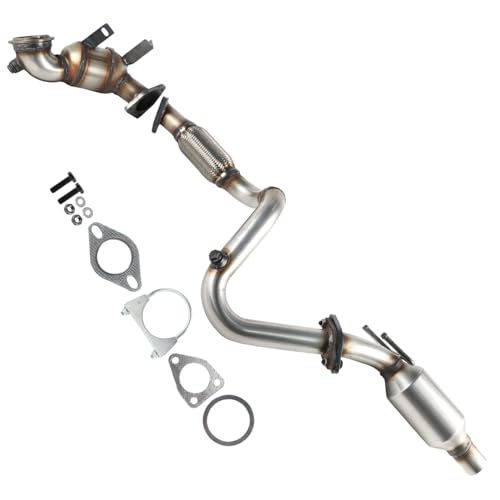
Replacement is the usual choice when the pipe is split, the braid is torn away, or the flex section is welded into a damaged exhaust piece. An aftermarket flex pipe assembly may be a universal part or a vehicle-specific part. Vehicle-specific parts cost more, but they often fit with less fabrication time.
Shop minimum charges and labour time
Many exhaust shops charge a minimum even for a short job. That minimum covers the lift time, inspection, and setup for welding or cutting. A simple flex pipe job may take about 1 to 2 hours, while rusted fasteners, heat shields, and tight routing can make the labour take longer.
Say your compact sedan has a small crack near the flex section and the pipe is otherwise solid. A shop may weld the damaged section and send you on your way. Suppose the same car has flaking rust around the flex pipe ends and the resonator joint. Replacement becomes the safer buy, because the repair would be chasing failing metal.
Can a flex pipe be repaired?
Yes, but only in limited cases. A flex pipe can be repaired when the damage is local, the surrounding tubing is still thick enough to weld, and the leak is not part of a larger rust problem. If the section is separated, badly thinned, or attached to a larger corroded assembly, replacement is the better path.
Welded repairs
MIG or TIG welding, or another exhaust-specific welding method, is the common repair path. Shops also use rust-prep tools, cutting tools, and heat shielding to protect nearby lines and bushings. A welded repair can work when the pipe edges are clean enough to join and the weld has enough sound metal around it.
Clamp and sleeve repairs
Clamp-on or sleeve repairs usually buy time only. They can quiet the exhaust for a short stretch, but they do not fix thin tubing, torn braid, or cracked welds at the ends of the flex section. Use them as a stopgap, not a final repair.
A common first-timer mistake is spending money on a sleeve repair over a paper-thin flex section. The clamp tightens, the exhaust quiets down, and then the pipe opens up beside the repair because the surrounding metal was already failing. That is false economy.
What changes the quote?
The biggest quote changes come from rust, access, pipe size, vehicle layout, and local labour rates. A clean, open repair can be fairly quick. A rusted underbody joint with seized hardware can turn into cut-and-fit work, which costs more even before any part replacement is added.
Rust and seized fasteners
Rust adds time in three places: removal, prep, and reassembly. Seized nuts or broken studs may force the shop to cut nearby sections and install more pipe than expected. That extra work is why two cars with the same leak can produce very different bills.
Weld access and cutting time
Some flex pipes sit where the torch, grinder, and welder can reach easily. Others sit close to subframes, shields, or low-hanging bodywork. Hard access means slower cutting, more shielding, and more careful fit-up before the final weld. Labour rises even if the part cost stays modest.
Pipe diameter and vehicle type
Small passenger cars often need less material than larger SUVs, crossovers, or trucks. Larger exhaust diameter means more consumable material and longer welds. Vehicle-specific flex assemblies also cost more than generic universal sections because they are built to match the original routing and length more closely.
Urban versus rural shop pricing
Urban shops usually charge more labour than smaller-market shops, and that is before freight or specialty part sourcing. The city spread matters in Canada. The same flex pipe issue can look like a bargain in one region and a premium job in another, especially when the vehicle needs a model-specific exhaust section.
How shops diagnose a flex pipe leak
Diagnosis should happen before teardown. A shop will usually start with a visual inspection, then use a smoke test or another leak-check method, and then confirm whether the leak is at the flex section or farther upstream or downstream. That avoids replacing the wrong exhaust part.
Visual inspection and smoke test
A visible crack, black soot trail, or shredded braid often points straight at the flex section. If the leak is less obvious, smoke can reveal the escape point under pressure. A good estimate comes after that inspection, not before it, because hidden rust often changes the scope.
Lift access and underbody checks
Lift access matters because the flex section, hangers, shields, and nearby pipe joints need a clear look. Shops also check for broken welds, heat-shield contact, and cracks in adjacent exhaust parts. A leak at the flex pipe can coexist with damage a few inches away.
Upstream and downstream damage
If the exhaust has been vibrating for a while, nearby sections may be stressed too. A cracked flange, split resonator joint, or damaged catalytic converter connection can add to the job. That is one reason a repair quote can change after inspection, even when the flex pipe was the first obvious fault.
Is it cheaper to repair or replace?
Repair is cheaper only when the damage is small and the metal around it is still healthy. Replacement is the better value when rust, separation, or one-piece assembly design makes the repair short-lived. The cheapest first bill is not always the cheapest final outcome.
Universal versus vehicle-specific assemblies
A universal flex pipe assembly is often cheaper up front, but it may need more fabrication. A vehicle-specific assembly usually costs more in parts, yet it can reduce fitting time. The final price depends on whether the shop is repairing a short section or replacing a larger exhaust segment.
Parts versus labour on full replacement
On full replacement, parts can be only part of the total. Labour often dominates once rust removal, alignment, and welding are added. If the exhaust section is part of a larger assembly, such as a one-piece catalytic converter unit, the parts price can jump sharply.
When rust makes repair false economy
Once the surrounding tube is thin, a welded patch can be money spent twice. The repair may stop the leak today and fail at the edge of the weld later. That is the point where replacement becomes the cleaner decision, especially on salt-belt vehicles with obvious corrosion.
Picture a midsize SUV in Ontario with a torn flex braid and orange rust around both ends of the pipe. A clamp may quiet the exhaust for a while, but the metal around it is already failing. In that case, the extra cost of replacement usually buys more useful life than another patch.
Can you drive with a leaking flex pipe?
You can sometimes move the vehicle short distances, but driving with a leaking flex pipe is a poor idea. Exhaust leaks can make the cabin noisy, trigger inspection problems, and allow exhaust gases to escape where they should not. If the leak is near the front of the system, the risk is higher.
A leaking flex pipe can also affect emissions compliance. In provinces or local programs that inspect exhaust condition, a visible leak or excessive noise can mean failure. Even without a formal inspection, the leak is a safety issue because exhaust gas should not collect near the passenger compartment.
Frequently asked questions
How much should a flex pipe repair cost?
For Canada, a normal flex pipe repair often lands around C$150–C$400 when a shop can weld a clean section without major rust cleanup. If the pipe needs more cutting, new pipe material, or access is poor, the total can move into replacement territory fast.
How much to get a flex pipe fixed
To get a flex pipe fixed, expect a quote that splits into parts and labour. Simple weld work can stay near the low end of the range, while a replacement section, shop minimum charge, and rust removal can push the bill much higher. Ask for both options.
Can a flex pipe be repaired: yes?
Yes, but only when the damage is local and the surrounding tube is still sound. A welded repair works best on a small crack or leak. If the pipe is thin, separated, or rusted through, repair is usually temporary and replacement is the better buy.
Does a flex pipe repair need welding?
Most lasting flex pipe repairs do need welding. Clamp or sleeve fixes can reduce noise for a short time, but they are usually temporary and less reliable on rusted tubing. A shop will often weld when it can make a gas-tight joint on solid metal.
What does flex pipe replacement cost in Canada?
Full replacement often runs about C$250–C$700 in Canada, depending on the vehicle and the amount of rust work. Universal assemblies usually cost less than vehicle-specific parts, but fitting time may be higher. If the flex section is part of a larger assembly, expect more.
Is it cheaper to repair or replace a flex pipe?
Repair is cheaper only when the metal is still healthy and the leak is small. Replace it when the pipe is rusted, cracked through, or part of a one-piece exhaust section. That choice often costs more today but avoids repeat labour and failed patches later.