
Exhaust Tips vs Mufflers: What Changes Sound More?
In many real-world setups, mufflers affect exhaust sound more than tips do. On most cars, the tip changes appearance first and sound second, while the muffler sets the loudness, tone, and drone you actually hear. Pick the wrong part and you may pay for looks, then get drone or barely any change. This guide separates loudness, tone, and drone, and explains when tips, mufflers, or both actually alter the note.
| Decision factor | Exhaust tips | Mufflers: what changes sound more | Winner |
|---|---|---|---|
| Loudness change | Usually small; often barely audible on a stock system | Usually large; this is the main noise-reduction part in the exhaust system | Mufflers |
| Tone and pitch | Can shift perceived depth a little, especially with diameter or length changes | Can change the note much more noticeably, especially if you swap to a performance muffler or delete it | Mufflers |
| Drone control | Limited effect; resonated tips may trim some higher frequencies, but cabin drone usually changes little | Much stronger effect; muffler design and placement matter more for steady cabin resonance | Mufflers |
| Cost impact | Often lower for a simple cosmetic tip, higher for resonated or custom-fit pieces | Usually higher than a basic tip because the part does the real sound work | Exhaust tips |
| Fitment and rattle risk | Depends on clamp-on versus weld-on fitment and sealing | More involved work, but the result is typically more predictable when installed correctly | Tie |
Exhaust tips vs mufflers: what changes sound more?


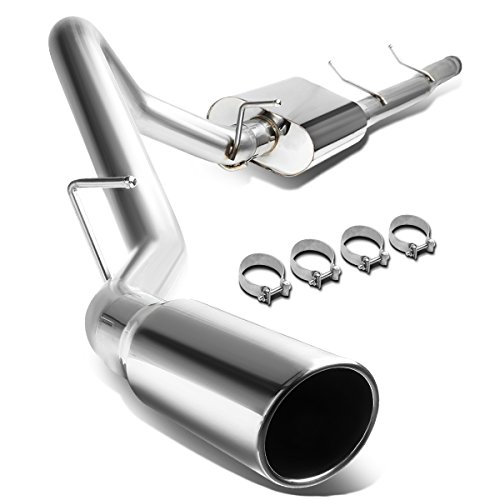
Mufflers change sound more than tips in most real-world setups. A muffler sits downstream in the exhaust system and is meant to reduce noise, while an exhaust tip is the visible outlet at the tailpipe and usually affects appearance more than sound. If you want a clear change in loudness or drone, the muffler is the part that matters most.
What “sound more” means: loudness, tone, drone, and rasp
Sound change is not one thing. Loudness is the easiest to hear, but tone, drone, and rasp can move in different directions at the same time. A tip may slightly deepen the note or soften some high frequencies, while a muffler swap can alter the whole character of the exhaust.
That is why tip-only comparisons can mislead. A bigger outlet may look aggressive, yet the cabin sound barely changes if the rest of the exhaust system still controls most of the flow and resonance.
What a muffler changes in the exhaust note
A muffler is the part used to reduce noise in an exhaust system. It sits after the manifold and catalytic converter, and before the tailpipe sections that leave at the rear. Because it is built around internal flow paths and sound cancellation, it usually changes both loudness and the texture of the note.
Performance mufflers usually let more sound through than stock units, so the exhaust can be louder and sometimes sharper. A muffler delete removes that noise-control step, which often raises volume and can add some drone or rasp, especially on otherwise quiet stock systems.
How performance mufflers and muffler deletes differ from stock
Stock mufflers are tuned for comfort and compliance. Performance mufflers keep the exhaust present without always turning the cabin into a drum, while muffler deletes trade refinement for volume and can make highway cruising tiring if the rest of the exhaust system is not built for that change.
Picture a 2.0-liter sedan with a factory rear muffler. Swapping only the tip may change the look and maybe the edge of the note, but replacing the muffler can make the car clearly louder at idle, under load, and on deceleration.
What an exhaust tip can change, and what it cannot
An exhaust tip is mostly the visible end of the exhaust system, and on many cars it has a small effect on sound rather than a large one. It can subtly alter tone, but it does not replace the job of the muffler. If you want a major volume increase, a tip alone rarely gets you there.
Why most tips are mostly visual
Tailpipes are the visible end of the exhaust system, so tip design gets attention quickly. Chrome-plated steel is often used as an appearance option for exhaust outlets, and carbon fiber or stainless steel may be chosen for look and durability as much as for any acoustic effect.
That visual role matters because many drivers expect a louder note from a part that mostly changes the exit shape. On a stock muffler, the tip may be audible only at certain throttle openings or near barriers that reflect sound back to the car.
When a tip becomes audible enough to notice
A tip becomes more audible when its size, length, fitment, or internal design shifts resonance. Larger outlet diameter can amplify exhaust volume in some instances, and longer tips can act as a resonance chamber. Even then, the effect is usually smaller than a muffler swap.
Installation method matters too. Clamp-on and weld-on designs are both used, and poor sealing or alignment can create rattles that sound like a louder exhaust even when the actual exhaust note has not changed much.
How tip size, length, shape, and material affect tone
Tip diameter matters because inlet and outlet sizing must match the pipe or outlet well. A mismatch can create odd reflections, a slightly different perceived depth, or a raspier edge. It should not be treated as a shortcut to true exhaust tuning.
Tip length also matters. Longer tips can work like a small resonance chamber, which may shift where certain frequencies sit in the sound profile. That can make the note seem deeper, but not by the same amount as changing the muffler.
Material composition and perceived tone
Some aftermarket exhausts use materials like steel, aluminium, titanium, or carbon fiber. In outlet parts, the material used for an exhaust outlet affects acoustic properties, but that usually means subtle differences in feel and durability rather than a dramatic change in volume. (en.wikipedia.org)
Material choice is therefore a mixed decision. Stainless steel and chrome-plated steel often favor durability and appearance, while carbon fiber is often chosen for style and lower mass. Any tonal effect is typically secondary.
Can a resonated tip quiet the exhaust or change drone?
A resonated tip may reduce some higher frequencies and can make the note sound deeper, but it does not work like a muffler. It can slightly soften the edge of the exhaust note, yet it usually will not calm cabin drone the way a properly chosen muffler or resonator can.
How resonated tips target certain frequencies
Resonated tips are often described as sound-tuning tips. The idea is to trim selected frequencies at the outlet rather than to absorb the full output of the exhaust system. That can make the car sound less sharp from behind, especially on higher-pitched setups.
Do not expect a resonated tip to fix a noisy cabin by itself. If the drone comes from the muffler section, pipe length, or overall exhaust system layout, the tip may only make a modest difference.
What they can do compared with a muffler or resonator
A resonated tip can be useful when you want a small correction without a full exhaust swap. It may round off the note and reduce some metallic edge, but a muffler is still the part that most strongly shapes total volume and cabin behavior.
A common first-timer mistake is buying a resonated tip to cure highway drone on a car that already has a loud rear muffler delete. The tip may change the pitch a little, but the underlying drone usually remains.
Comparison table: stock tip, larger tip, resonated tip, muffler swap, and delete
This table separates setups by what they actually change. The same car can react very differently depending on whether the change is at the outlet or in the muffler section, so loudness, pitch, drone, rasp, and cost impact all deserve separate attention.
| Setup | Loudness | Pitch | Drone | Rasp | Cost impact | Winner |
|---|---|---|---|---|---|---|
| Stock tip only | Very small change | Usually unchanged | Usually unchanged | Usually unchanged | Low | Cosmetic value |
| Larger tip | Small to moderate in some cases | Can seem slightly deeper | Usually little change | May soften or expose some edge depending on fit | Low to moderate | Appearance plus slight tone |
| Resonated tip | Small change | Often deeper | Small reduction at most | Can reduce some high-frequency sharpness | Moderate | Tone tuning |
| Performance muffler | Clear change | Noticeable change | Can increase or decrease depending on design | Usually better controlled than a delete | Moderate to high | Best all-around sound control |
| Muffler delete | Largest increase | Often sharper and louder | Most likely to increase drone | Can increase rasp | Low part cost, high sound penalty | Raw volume |
| Tip plus muffler swap | Largest combined change without a delete | Can be tailored more precisely | Depends on muffler choice | Depends on muffler and tip resonance | Higher | Balanced custom result |
Stock tip only
Stock tip only is the closest to a cosmetic change. It may alter the look of the rear of the car, but the exhaust system still relies on the same manifold, catalytic converter, muffler, and tailpipe layout. That means the sound result is usually minor.
Larger tip
A larger tip can sometimes make the exhaust seem deeper because the outlet diameter and length can shift resonance. The change is usually subtle, though, and it rarely replaces the effect of changing the muffler. Fitment and sealing are important because rattles can be mistaken for extra exhaust noise.
Resonated tip
A resonated tip is the most sound-focused type of tip. It is described as reducing higher frequencies and resulting in a deeper sound, so it can smooth out some sharpness without the bigger step of a muffler change. It still works at the outlet, so its effect remains limited.
Performance muffler
A performance muffler is where sound changes become obvious. Because the muffler is the main noise-reduction part, a performance version can keep some presence while changing loudness, pitch, and rasp in a far more meaningful way than any tip alone.
Muffler delete
A muffler delete is generally the most aggressive option in this comparison. It removes the main noise-control part of the exhaust and often increases volume noticeably. It also carries the greatest risk of drone, which is why it is a poor match for drivers who want quiet highway use.
Tip plus muffler swap
Combining a tip with a muffler swap gives the most control. The muffler does the heavy acoustic work, while the tip can fine-tune outlet depth, visual finish, and small tone differences. This is the best route when you want a specific result rather than a generic louder exhaust.
Can you put an exhaust tip on a stock muffler?
Yes, you can put an exhaust tip on a stock muffler in many cases. That combination is common because the stock muffler already controls the sound, and the tip simply changes the outlet appearance with a possible small shift in tone. The result is usually modest, not dramatic.
Check the outlet size, the mounting method, and whether the tip is clamp-on or weld-on. Good sealing matters. A loose fit can create rattles, leaks, or a false impression that the car has become louder than it really is.
Do larger muffler tips affect backpressure?
Larger muffler tips are often discussed in terms of backpressure, but that topic is easy to overstate. Backpressure comes from the whole exhaust path, not just the tip. A slightly larger outlet may change flow character at the very end, but it is not the main restriction in most cars.
Backpressure versus real exhaust restriction
It is better to think about overall exhaust system restriction than to blame the tip alone. The manifold, catalytic converter, muffler, and tailpipe sections all matter. A tip size change can affect the outlet, but it should not be treated as a major performance or sound strategy by itself.
Practical fitment rule
Tip diameter should match the pipe or outlet size as closely as the design allows. That helps with sealing, reduces rattles, and avoids odd resonance. Bigger is not automatically better, and a poorly matched tip can make the car sound worse, not stronger.
Will an exhaust tip insert reduce exhaust noise?
An exhaust tip insert can reduce exhaust noise a little if it acts as a restriction or a resonating insert, but it is usually a limited fix. It may soften the outlet note, yet it will not do the same job as a muffler or a dedicated resonator placed in the exhaust path.
For a stock car, that means a tip insert is best thought of as a fine-tuning part. If the goal is a noticeable drop in volume, the muffler still matters more. If the goal is only to remove a bit of sharpness, the insert may be enough.
Frequently asked questions
Do exhaust tips change sound more than mufflers?
No. Mufflers change exhaust sound far more than tips in most cars because the muffler is the main noise-reduction part in the exhaust system. Tips can subtly affect tone, but they are usually minor compared with a muffler swap or delete.
How much louder is a muffler compared with an exhaust tip?
The difference is usually large enough to notice immediately with a muffler change and only slightly with a tip change. A tip may add a small change in volume or tone, while a muffler can alter idle, acceleration, and cruising sound across the whole exhaust note.
Will a bigger exhaust tip make my car sound deeper?
Sometimes, but only a little. A larger tip diameter and longer tip length can affect resonance and perceived depth, yet the change is typically subtle. If the car already has a quiet stock muffler, the tip alone will not create a dramatic deep tone.
Can a muffler tip change tone without making the car much louder?
Yes, that is the main appeal of resonated or tuned tips. They can reduce some higher frequencies and make the note seem deeper without a major increase in loudness. The change is smaller than a muffler swap, but it can be noticeable near the outlet.
Which part affects exhaust drone more: tip or muffler?
The muffler affects drone more. Drone is tied to cabin resonance and steady-frequency exhaust energy, which the muffler influences far more than the tip. A resonated tip may trim a little harshness, but it rarely fixes drone on its own.
Can you put an exhaust tip on a stock muffler?
Yes. That is one of the most common setups because the stock muffler keeps noise under control while the tip adds style and may subtly alter the note. Clamp-on and weld-on designs both exist, so fitment and sealing should be checked carefully.
What changes exhaust sound the most on a stock car?
Changing the muffler changes exhaust sound the most on a stock car. If you want a clear increase in loudness, a different tone, or less restrained exhaust character, the muffler is the first part to address. Tips are better for fine-tuning or appearance.
Choose exhaust tips if…
Choose exhaust tips if you want mostly a visual change with only a small shift in sound. They make sense when you want a deeper edge, a different outlet finish, or a cleaner rear look without a major rise in loudness or drone. For many stock cars, that is the safest first step.
Choose mufflers: what changes sound more if…
Choose a muffler if you want the exhaust to sound clearly different. A performance muffler is the better pick for controlled volume and tone, while a muffler delete is for maximum loudness with the highest chance of drone and rasp. Check local noise rules before buying either one.
Choose both if you want the strongest controlled result. That gives you the muffler’s real acoustic change and the tip’s smaller tuning and appearance benefits in one setup.