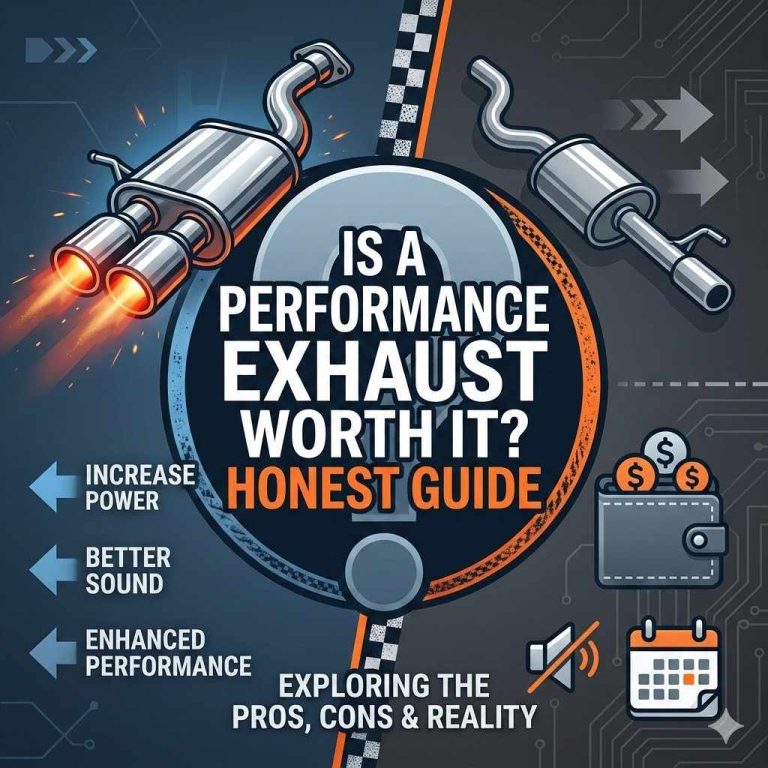
How To Tell If C43 Has Performance Exhaust
Many car fans wonder about the sounds their Mercedes-AMG C43 makes. Sometimes, it might seem louder or deeper. Figuring out if your car has a performance exhaust can be tricky, especially if you’re new to cars.
You want to know if it has that special rumble! Don’t worry, it’s easier than you think to check. We’ll walk you through it step-by-step.
Let’s find out what’s making that awesome sound.
Identifying Your C43’s Exhaust System
The exhaust system on your Mercedes-AMG C43 is key to its sound and how it performs. It’s a series of pipes that carry exhaust gases away from the engine. A standard exhaust system is designed for quiet operation and fuel efficiency.
A performance exhaust, on the other hand, is built to improve sound quality and sometimes engine breathing, leading to a sportier driving experience. Knowing the difference helps you appreciate your car’s unique features. This section will guide you through the basic anatomy of an exhaust system so you can start to identify its components.
What Is An Exhaust System
An exhaust system starts right after the engine’s cylinders. It’s made up of several parts. These include the exhaust manifold, catalytic converter, muffler, and exhaust pipes.
The manifold collects exhaust gases from each cylinder. Then, these gases go through the catalytic converter, which reduces harmful emissions. The muffler’s job is to quiet down the exhaust noise.
Finally, the exhaust pipes lead the gases out the back of the car. Each part plays a role in how your car sounds and runs.
- Exhaust Manifold This part bolts directly to the engine. It collects hot exhaust gases from the engine cylinders and directs them into a single pipe. It helps the engine exhale efficiently.
A well-designed manifold can help improve engine performance by making it easier for gases to escape.
- Catalytic Converter This is a crucial emissions control device. It uses precious metals like platinum and palladium to convert harmful gases, such as carbon monoxide and nitrogen oxides, into less harmful substances like water vapor and carbon dioxide. Modern C43 models will always have one to meet emission standards.
- Muffler The muffler is the main component responsible for reducing the noise produced by the engine. It uses a series of chambers and baffles to absorb sound waves. Different muffler designs can create different exhaust notes, from quiet to aggressive.
- Exhaust Pipes These are the sections of pipe that connect the various components of the exhaust system. They carry the exhaust gases from the front of the car to the rear. The diameter and material of these pipes can affect both sound and performance.
Standard vs Performance Exhausts
The main difference between a standard and a performance exhaust lies in their design goals. Standard systems prioritize quiet operation and emissions control above all else. They are built to be durable and unobtrusive, ensuring a comfortable ride.
Performance exhausts, however, often sacrifice some degree of quietness for a more engaging sound and potentially improved airflow. This can lead to a sportier exhaust note that enthusiasts desire. They might use lighter materials or have less restrictive internal baffling to achieve this.
- Sound Quality A standard exhaust aims for minimal noise. A performance exhaust aims for a richer, more aggressive, or sportier sound. This often means a deeper tone, more noticeable burbles on deceleration, and a louder overall volume, especially under acceleration.
Many owners seek this enhanced auditory feedback to feel more connected to their vehicle.
- Material and Construction Performance exhausts might use lighter, stronger materials like stainless steel or titanium. They may also feature larger diameter pipes or less restrictive mufflers. These choices can contribute to weight savings and better gas flow.
This can lead to marginal gains in horsepower and torque, though the sound is usually the primary attraction.
- Emissions Control While performance exhausts still need to meet emission standards, they might achieve this with less restrictive catalytic converters. This ensures the car remains street legal. However, the primary focus shifts slightly from maximum quietness to balancing sound and performance with necessary environmental regulations.

Visual Clues To Identify A Performance Exhaust
Looking at your C43’s exhaust system can tell you a lot. Performance exhausts often have distinct visual features that set them apart from standard ones. These can include the material used, the size of the tips, and sometimes even branding.
Pay close attention to the rear of the car where the exhaust exits. These visible parts are often upgraded by manufacturers to signify a sportier package. Spotting these details is a straightforward way to get a hint about your car’s exhaust setup.
Exhaust Tip Appearance
The exhaust tips are the most visible part of the exhaust system. They are the polished metal outlets at the very back of your car. For a performance exhaust, these tips are often larger, more prominent, and sometimes have a unique finish.
They might be quad tips, meaning four of them, or have a specific shape like trapezoids or ovals. The material is often polished stainless steel, which looks shiny and high-quality. Some may even have carbon fiber accents for a more aggressive look.
A standard exhaust will usually have simpler, smaller tips, often just two.
- Size and Shape Larger, more aggressive-looking tips often indicate a performance setup. These can be single, dual, or even quad outlets. The shape can also be a clue; performance exhausts might feature trapezoidal, rectangular, or highly polished round tips that look sportier than standard, plain round ones.
- Material and Finish Performance tips are frequently made of polished stainless steel, which gleams and resists corrosion. Some high-end performance exhausts might even use titanium for its light weight and distinct blue hue when heated. A shiny, substantial tip is a good indicator of an upgrade.
- Branding or Logos Sometimes, performance exhaust manufacturers will stamp their logo or name onto the tips or a visible part of the exhaust canister. If you see any markings that aren’t obviously Mercedes-Benz, it could be an aftermarket performance system. Researching any visible logos can help confirm this.
Dual vs Quad Exhaust Outlets
The number of exhaust outlets at the rear of your C43 is a significant visual cue. Many C43 models come with a quad exhaust setup from the factory when equipped with certain performance packages. This means you’ll see four distinct exhaust tips.
Standard models or those without performance options might only have dual tips, or sometimes even just a single exit on each side. The arrangement and presence of four tips strongly suggest a sportier exhaust system designed for better flow and a more aggressive sound profile.
- Factory Performance Packages Mercedes-AMG often equips its performance models with quad exhaust tips as a visual signifier of enhanced capability. This design is not just for looks; it can also support a more robust exhaust gas flow needed for a powerful engine. Seeing four distinct outlets is a strong indicator your C43 has a factory performance exhaust.
- Aftermarket Upgrades While factory quad tips are common on performance variants, some owners also upgrade to aftermarket quad exhaust systems. This is done to mimic the look of higher-tier models or to achieve a specific sound. So, while quad tips are a good clue, they aren’t the only factor to consider.
- Distinguishing Factory vs. Aftermarket Sometimes, aftermarket tips might have a different finish or branding than factory ones. If the tips look particularly aggressive, have custom logos, or are made of materials like carbon fiber, it might point to an aftermarket performance exhaust.
However, many factory performance exhausts also feature premium finishes.
Visible Muffler or Resonator Differences
Sometimes, you can glimpse the muffler or resonator if you look underneath the car. Performance exhausts often have larger, more streamlined mufflers or might even remove some restrictive resonators. A larger muffler can house a more complex design to create a desirable sound.
Some performance systems might feature straight-through mufflers for maximum flow. If you see a noticeably larger or differently shaped canister, especially one that looks less boxy and more cylindrical or performance-oriented, it’s a good sign.
- Muffler Size and Shape Performance mufflers are often larger than standard ones to accommodate better sound-tuning chambers. They might also be designed to be less restrictive, allowing exhaust gases to flow more freely. A sleek, performance-oriented canister is a key visual indicator.
Look for something that appears more substantial and engineered for sound and flow rather than just noise reduction.
- Resonator Deletion or Performance Resonators Some performance exhausts might delete a resonator to increase exhaust volume and alter the sound. Others might
- Material and Construction Look for high-quality materials like polished stainless steel. Performance parts often use better materials for durability and aesthetics. A well-built, sporty-looking component underneath the car reinforces the idea that it’s a performance upgrade.
Standard mufflers can sometimes look more utilitarian or have a less polished finish.
Auditory Clues A Performance Exhaust Makes
The sound your C43 makes is one of the most obvious ways to tell if it has a performance exhaust. Performance systems are designed to enhance the engine’s natural sound. This often means a deeper growl, more noticeable pops and burbles when you let off the gas, and a louder, sportier tone under acceleration.
Listening carefully to your car’s soundtrack can give you a strong indication of its exhaust configuration. This is often what enthusiasts are looking for in a sportier vehicle.
Engine Startup Sound
When you start your C43, listen to the initial rumble. A performance exhaust will typically produce a more aggressive, deeper sound right from the moment the engine fires up. It might sound more guttural and less like a gentle hum.
This initial sound is a good indicator because it’s the rawest representation of the exhaust system before the engine fully warms up. A standard exhaust will usually be much quieter and smoother at startup.
- Deeper Tone A noticeable deep rumble or growl upon startup is a strong sign. Instead of a muffled or subdued sound, a performance exhaust will often bark to life. This initial auditory experience is designed to be more exciting and engaging for the driver.
- Volume at Idle While still controlled, the idle sound will be more pronounced. You might hear a subtle vibration or a more resonant note in the exhaust note. This is different from a quiet, almost inaudible idle from a standard exhaust.
- Cold Start Enhancement The “cold start” phase, where the engine revs slightly higher to warm up the catalytic converter, often highlights the character of a performance exhaust even more. You might hear more distinct exhaust notes during this brief period.
Acceleration and Deceleration Sounds
During acceleration, a performance exhaust will sound more powerful and sporty. You’ll likely hear a distinct roar or a throaty growl that gets louder as you press the accelerator. When you let off the gas pedal (deceleration), a performance exhaust often produces satisfying pops and burbles.
These are often called “exhaust overrun” sounds. A standard exhaust will sound much more muted and less dramatic during both acceleration and deceleration. These sounds are a key characteristic many drivers seek.
- Aggressive Acceleration Note As you accelerate, the exhaust note will become significantly louder and deeper. It will have a distinct sporty character, often described as a roar or a potent growl. This sound is amplified and tuned to be more exciting than a standard system’s quieter hum.
- Pops and Burbles on Deceleration A common characteristic of performance exhausts is the presence of pops and burbles when you lift off the accelerator. These are caused by unburnt fuel igniting in the hot exhaust system. They add a playful and sporty element to the driving experience.
- Sport Mode Engagement If your C43 has selectable driving modes, you might notice a dramatic difference in exhaust sound when switching to a sportier mode. Performance exhausts are often designed to be even more prominent in these settings, enhancing the sensory feedback.
Differences in Drone
Drone is an unwanted, monotonous humming sound that can occur at certain engine RPMs, especially on the highway. While performance exhausts are designed for exciting sound, they also aim to minimize excessive drone. However, some performance systems might have a bit more noticeable drone than a standard one, particularly at cruising speeds.
If you experience a consistent, potentially annoying hum that you didn’t notice before, it could be a sign of a less restrictive, performance-oriented exhaust. Manufacturers of good performance exhausts try to balance sound with comfort.
- Highway Cruising Sound Pay attention to the sound when you’re driving at a steady speed on the highway. A performance exhaust might produce a more noticeable, albeit often still pleasant, tone. This is different from the near silence of a standard exhaust at cruising speeds.
- Low RPM Resonance Some performance exhausts can introduce a bit more resonance at lower RPMs. This isn’t always a bad thing; it can add to the car’s sporty character. However, if it becomes overly distracting or intrusive, it might be a sign of a performance upgrade that prioritizes sound over absolute quietness.
- Manufacturer Tuning Good performance exhaust systems are tuned to offer an engaging sound without excessive or unpleasant drone. If the sound you’re hearing is exciting under acceleration but not overly bothersome on the highway, it’s likely a well-designed performance exhaust. Poorly designed ones can create significant drone.
Performance Features of Your C43 Exhaust
Beyond just the sound, a performance exhaust on your C43 is designed with specific engineering goals in mind. These systems often feature more advanced materials and designs that aim to improve the engine’s efficiency. This can lead to subtle improvements in how the car drives and feels.
Understanding these underlying performance enhancements can give you a better appreciation for your C43’s capabilities. It’s not just about noise; it’s about how the system works with the engine.
Material Choices for Performance
The materials used in a performance exhaust are chosen for durability, heat resistance, and weight savings. High-grade stainless steel (like 304 or T-304) is common because it’s strong, resists corrosion, and can handle high temperatures. Some systems might use titanium, which is even lighter and stronger but more expensive.
These materials allow for thinner walls and more complex shapes without compromising integrity. This contrasts with standard exhausts, which might use mild steel or less robust alloys for cost savings and basic functionality.
- Stainless Steel A premium choice, stainless steel offers excellent corrosion resistance and durability. It can withstand the extreme heat and pressure of exhaust gases for many years. Different grades of stainless steel exist, with higher grades offering better performance and longevity.
- Titanium For ultimate weight reduction and high-temperature performance, titanium is used. It’s significantly lighter than stainless steel and incredibly strong. However, it comes at a premium price point, making it a feature of very high-end performance systems.
- Wall Thickness and Weight Performance exhausts often feature thinner wall materials compared to standard systems. This reduction in thickness, combined with lighter metals, significantly reduces overall weight. Lowering vehicle weight can contribute to better acceleration, braking, and handling.
Exhaust Flow and Engine Breathing
A core aspect of a performance exhaust is its ability to allow exhaust gases to exit the engine more freely. This improved “breathing” can lead to slight gains in horsepower and torque. The pipes might be larger in diameter, the bends smoother and less restrictive, and the mufflers designed to minimize back pressure.
When the engine can expel exhaust gases efficiently, it can take in fresh air and fuel more effectively, leading to a more potent combustion process.
- Larger Pipe Diameters Performance exhausts often use larger diameter piping. This increased volume allows more exhaust gas to flow through at a faster rate. Think of it like a wider highway for exhaust gases; more can pass through simultaneously, reducing bottlenecks.
- Smoother Bends and Less Restriction Exhaust systems with sharper bends or restrictive baffling create back pressure. This is resistance that the engine has to work against. Performance exhausts use mandrel bends, which maintain a consistent pipe diameter through the bend, and less restrictive internal designs in mufflers to reduce this back pressure.
- Reduced Back Pressure Back pressure is the resistance to exhaust flow. High back pressure can hinder engine performance. By minimizing it, a performance exhaust helps the engine operate more efficiently.
This can result in a feeling of improved responsiveness and power delivery, especially at higher engine speeds.
Tuning and Sound Profiles
Performance exhausts are not just about being loud; they are carefully tuned to create a specific sound profile. Manufacturers spend considerable effort designing mufflers and pipe lengths to achieve a deep, aggressive, yet refined sound. This involves balancing the expulsion of exhaust gases with the creation of desirable acoustic frequencies.
The goal is an exhilarating sound that enhances the driving experience without becoming intrusive or unpleasant for passengers. This intricate tuning is a hallmark of a well-engineered performance exhaust.
- Muffler Design The internal construction of the muffler is critical. Performance mufflers use specific chamber designs, perforated tubes, and packing materials to resonate and shape the sound waves. This allows for a deeper tone, more aggressive notes under load, and controlled volume.
- Pipe Length and Diameter The length and diameter of the exhaust pipes, as well as their arrangement, can affect the sound. Different lengths can resonate at different frequencies. Manufacturers use this knowledge to fine-tune the exhaust note to be sporty and engaging at the right RPM ranges.
- Active Exhaust Systems Some modern performance vehicles, including certain AMG models, feature active exhaust systems. These systems use valves that can open or close to change the exhaust note. In “quiet” mode, the valves restrict flow for a subdued sound, while in “sport” or “race” mode, the valves open for maximum sound and flow.
If your C43 has this, you’ll notice a significant sound difference between modes.
How To Tell If C43 Has Performance Exhaust Using Real-World Checks
Beyond just looking and listening, there are a few practical checks you can do to confirm if your C43 has a performance exhaust. These involve looking for specific parts or researching your car’s original build. If you’re still unsure after these checks, you can always consult a professional.
These methods are designed to be straightforward and helpful for anyone trying to figure out their car’s exhaust setup.
Check Your Vehicle’s Build Sheet or Window Sticker
The most definitive way to know if your C43 came with a performance exhaust from the factory is to check its original build sheet or window sticker. This document lists all the options and packages the car was equipped with when it was new. Look for specific AMG performance packages, sport exhaust options, or any mention of an enhanced exhaust system.
You can often find this information by entering your car’s VIN (Vehicle Identification Number) into an online VIN decoder or by contacting a Mercedes-Benz dealership.
- VIN Decoder Online VIN decoders are a great resource. By inputting your car’s VIN, you can access a detailed report of its original factory specifications, including optional equipment like exhaust systems. Search for terms like “AMG Sport Exhaust,” “Performance Exhaust System,” or specific package names associated with your C43 model year.
- Mercedes-Benz Dealership A local Mercedes-Benz dealership can also access your car’s original build information using its VIN. They can provide a comprehensive list of factory options, helping you confirm the presence of any performance exhaust package that was originally installed.
- Original Window Sticker If you are the original owner or acquired the car from someone who kept the original window sticker, this document will clearly list all optional features, including any performance exhaust upgrades. It’s a direct source of truth for factory equipment.
Consult Your Owner’s Manual
Your owner’s manual contains a wealth of information about your C43’s features. While it might not explicitly say “this is how to tell if you have a performance exhaust,” it will detail the standard features and any optional packages. Look for sections describing the exhaust system, driving modes, or specific AMG enhancements.
If the manual describes features or sounds that align with a performance exhaust, it’s a good indicator. It can also confirm what the standard setup should be like, making it easier to spot differences.
- Standard vs. Optional Features The manual often distinguishes between standard equipment and optional features. If a performance exhaust is an option, it will likely be mentioned in the context of specific packages or selectable driving modes that alter the car’s behavior and sound.
- Driving Modes and Sound Descriptions Many modern manuals describe how different driving modes affect the car’s performance and sound. If your manual mentions enhanced exhaust sounds or a sportier note in certain modes, it’s a strong clue that your C43 has a performance exhaust, especially if it’s an active system.
- General Exhaust Information While not always explicit, the manual provides details on the standard exhaust system. Understanding this baseline helps you identify deviations that suggest an upgrade. It serves as a point of comparison for the sounds and visible features you observe.
Look for Aftermarket Exhaust Branding
If your C43 doesn’t have a factory performance exhaust, it might have an aftermarket one. These are exhaust systems sold by third-party companies that specialize in performance upgrades. Aftermarket exhausts often have clear branding on the tips, mufflers, or pipes themselves.
Companies like Borla, MagnaFlow, Akrapovič, and AMG (for dealer-installed options) are common. If you see any logos or names that aren’t standard Mercedes-Benz, it’s likely an aftermarket performance exhaust.
- Identifying Logos and Names Look carefully at the exhaust tips, the muffler canister, and any visible pipes underneath the car. Many aftermarket brands etch their name or logo directly onto the components. Common performance brands include Borla, MagnaFlow, Corsa, Remus, and Akrapovič.
- Researching Brands If you find a logo or name, a quick online search can tell you if it’s a performance exhaust company. Many aftermarket exhausts are designed for increased sound and performance, so finding such branding strongly suggests an upgrade.
- Dealer-Installed Options Sometimes, Mercedes-Benz dealerships offer performance exhaust upgrades as an accessory. These might carry AMG branding or a specific dealer-installed performance package name. These are also considered performance exhausts and will have distinct markings.
Listen for Specific Sound Characteristics
As mentioned earlier, the sound is a huge indicator. A true performance exhaust will give you a more thrilling auditory experience. Listen for: a deep, resonant growl at idle; a more aggressive, louder roar under acceleration; and distinct pops and burbles when you lift off the throttle.
If your car sounds like a typical sedan or is very quiet, it likely has a standard exhaust. The presence of these sporty sound cues is a strong sign of a performance upgrade, whether factory or aftermarket.
- Deep Idle Roar The engine should have a noticeable, low-frequency rumble when idling. It should sound potent and ready, not muted or insignificant. This is the baseline character of a performance exhaust.
- Sporty Acceleration Note The sound should intensify and deepen as you accelerate. It should be a powerful, engaging noise that matches the car’s sporty nature. This is distinct from a simple increase in volume; it’s a change in tone and character.
- Exhaust Pops and Crackles On deceleration, listen for small pops and crackles. This is a sign that the exhaust system is allowing for a more aggressive combustion process and is a hallmark of many performance exhausts. It’s a very satisfying sound for enthusiasts.

Frequently Asked Questions
Question: How can I tell if my C43 has a performance exhaust just by looking at the tips?
Answer: Look for larger, more prominent exhaust tips. They might be trapezoidal, quad tips (four of them), or have a sportier finish like polished stainless steel or carbon fiber accents. Simpler, smaller, or plain round tips usually indicate a standard exhaust.
Question: Will a performance exhaust make my C43 louder in all situations?
Answer: Generally, yes, it will be louder during acceleration and can have more noticeable sounds like pops and burbles. However, well-designed performance exhausts often manage drone at highway speeds so it’s not overly intrusive. Some have active valves to switch between loud and quiet modes.
Question: Where can I find my C43’s build sheet or window sticker?
Answer: You can often find this information by using an online VIN decoder or by contacting a Mercedes-Benz dealership with your car’s Vehicle Identification Number (VIN). The original owner might also have kept the window sticker.
Question: Is it possible to have a performance exhaust that is quiet?
Answer: Yes, especially if it’s an active exhaust system with valves. These systems can be quiet when the valves are closed, and loud when they open. Also, some performance exhausts focus more on a refined sporty tone than sheer volume.
Question: What if my C43 has aftermarket exhaust tips but not a full system?
Answer: Just having aftermarket tips doesn’t always mean you have a full performance exhaust system. It’s possible only the tips were changed for looks. You’d need to check the rest of the exhaust components for further signs of an upgrade.
Conclusion
Confirming if your C43 has a performance exhaust involves looking at visual cues like exhaust tips and mufflers, listening to its unique sound profile during startup and driving, and checking your car’s original build information. Pay attention to larger tips, quad outlets, a deeper growl, and enjoyable pops on deceleration. These signs, combined with checking your VIN or owner’s manual, will help you identify your C43’s exhaust system with confidence.
Enjoy the enhanced driving experience!