How to Make Your Car Exhaust Sound Deeper
Lots of car fans love a deep, throaty exhaust note. It makes a car sound more powerful and exciting. But for new car owners, figuring out how to change the exhaust sound can seem a bit tricky.
Many questions pop up, like where to start or what changes actually work. Don’t worry, it’s simpler than you might think! We’ll walk you through it step by step, showing you easy ways to achieve that awesome sound.
Get ready to learn how to make your car exhaust sound deeper without any confusion.
Understanding Car Exhaust Systems
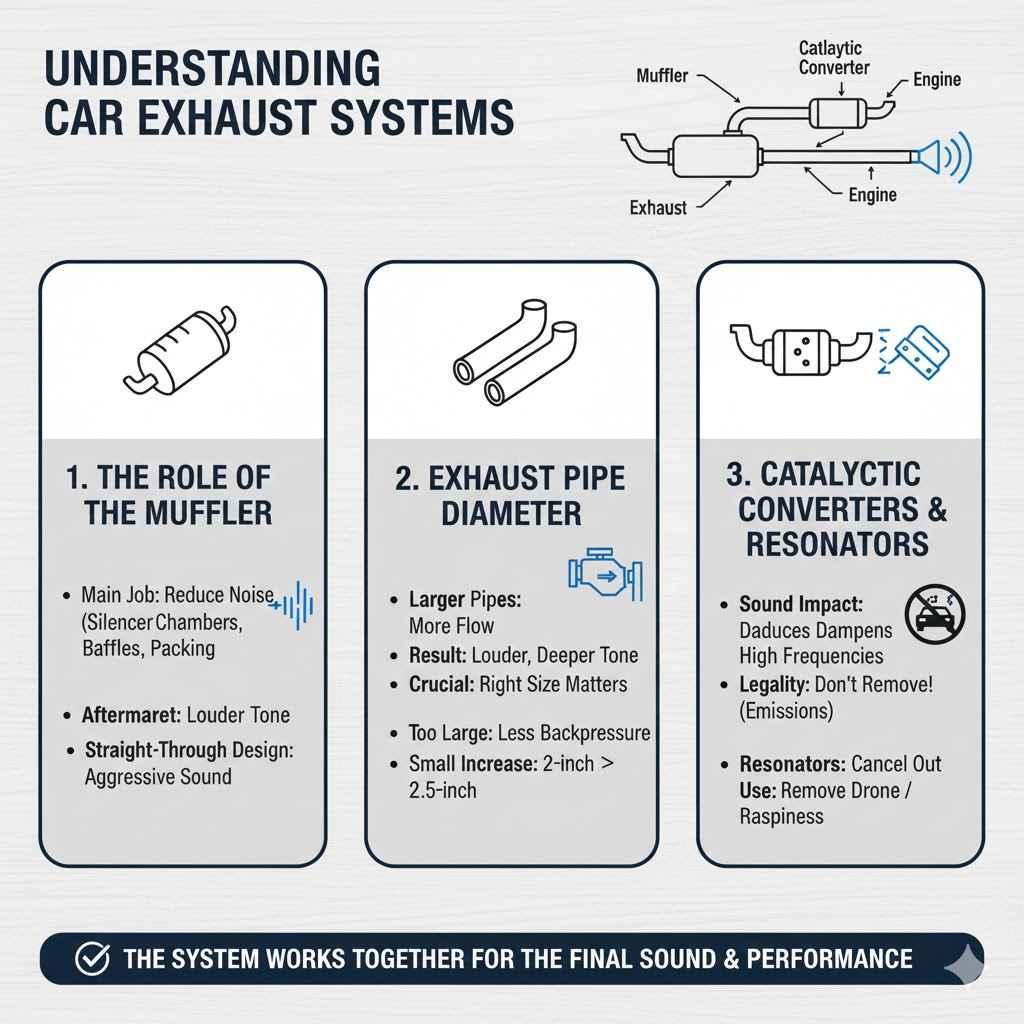
The exhaust system on your car is a complex network of pipes, mufflers, and catalytic converters. Its main job is to safely get rid of engine gases. These gases are hot and noisy.
The system also helps clean them up before they go into the air. Different parts of the exhaust system affect the sound your car makes. The size of the pipes, the type of muffler, and even the catalytic converter play a role.
Think of the muffler as a sound silencer. It has chambers and baffles inside that break up sound waves. This makes the exhaust noise quieter.
If you want a deeper sound, you often need to change how this noise is managed. The catalytic converter is more about cleaning gases. It doesn’t significantly change the sound, but it’s a vital part of the system for emissions.
The exhaust manifold collects gases from each cylinder. These then flow into the exhaust pipes. The diameter of these pipes matters.
Larger pipes can allow more exhaust gas to flow through, sometimes resulting in a louder, deeper tone. However, too large can cause issues. The whole system works together to create the final sound you hear when you drive.
The Role of the Muffler
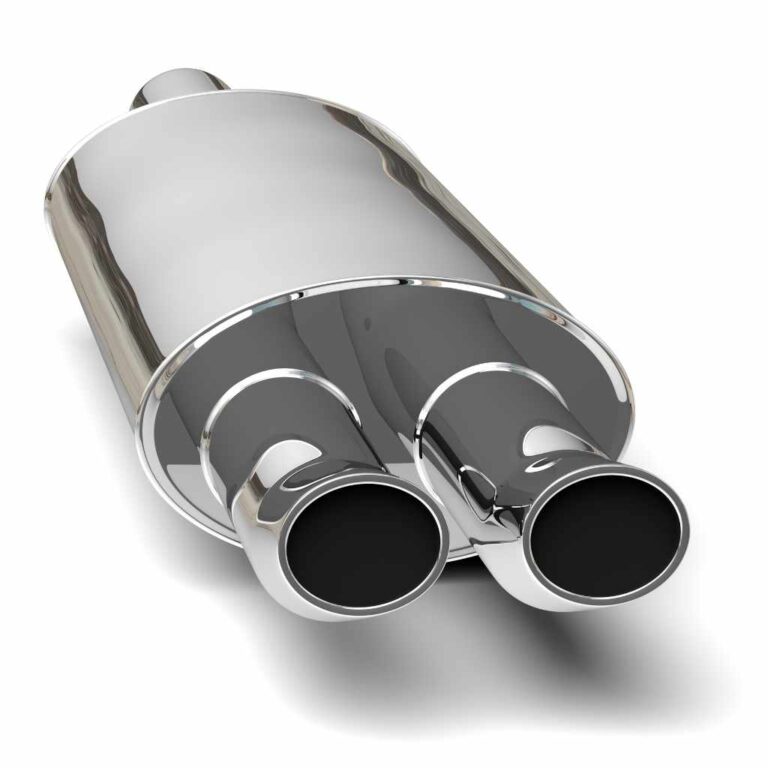
The muffler is the primary component responsible for reducing exhaust noise. It’s designed to quiet the loud popping sounds that come from the engine. Mufflers use a variety of internal designs to achieve this silencing effect.
Some use chambers where sound waves bounce around and cancel each other out. Others use perforated tubes and fiberglass packing to absorb sound.
When people talk about changing their car’s exhaust sound, the muffler is usually the first thing they consider. Replacing the stock muffler with an aftermarket one is a common modification. Aftermarket mufflers are often designed to allow more exhaust flow and produce a louder, deeper tone.
They might have fewer internal chambers or use different packing materials.
The way a muffler is built directly impacts the sound. A muffler with a straight-through design, often called a glasspack or straight-through muffler, offers less restriction. This can lead to a more aggressive and deeper sound compared to a chambered muffler.
The material used also matters; some metals resonate differently, affecting the pitch of the sound.
Exhaust Pipe Diameter
The diameter of your car’s exhaust pipes is another key factor influencing the sound. Larger diameter pipes generally allow exhaust gases to flow more freely. This increased flow can result in a louder and deeper exhaust note.
However, choosing the right diameter is crucial. If the pipes are too large, it can actually hurt performance and might not give you the desired sound.
For example, a small, four-cylinder engine might not benefit from very large exhaust pipes. The engine needs to create enough backpressure for optimal operation. Too much flow can reduce this backpressure.
This can make the engine less efficient and the exhaust sound might become raspy instead of deep.
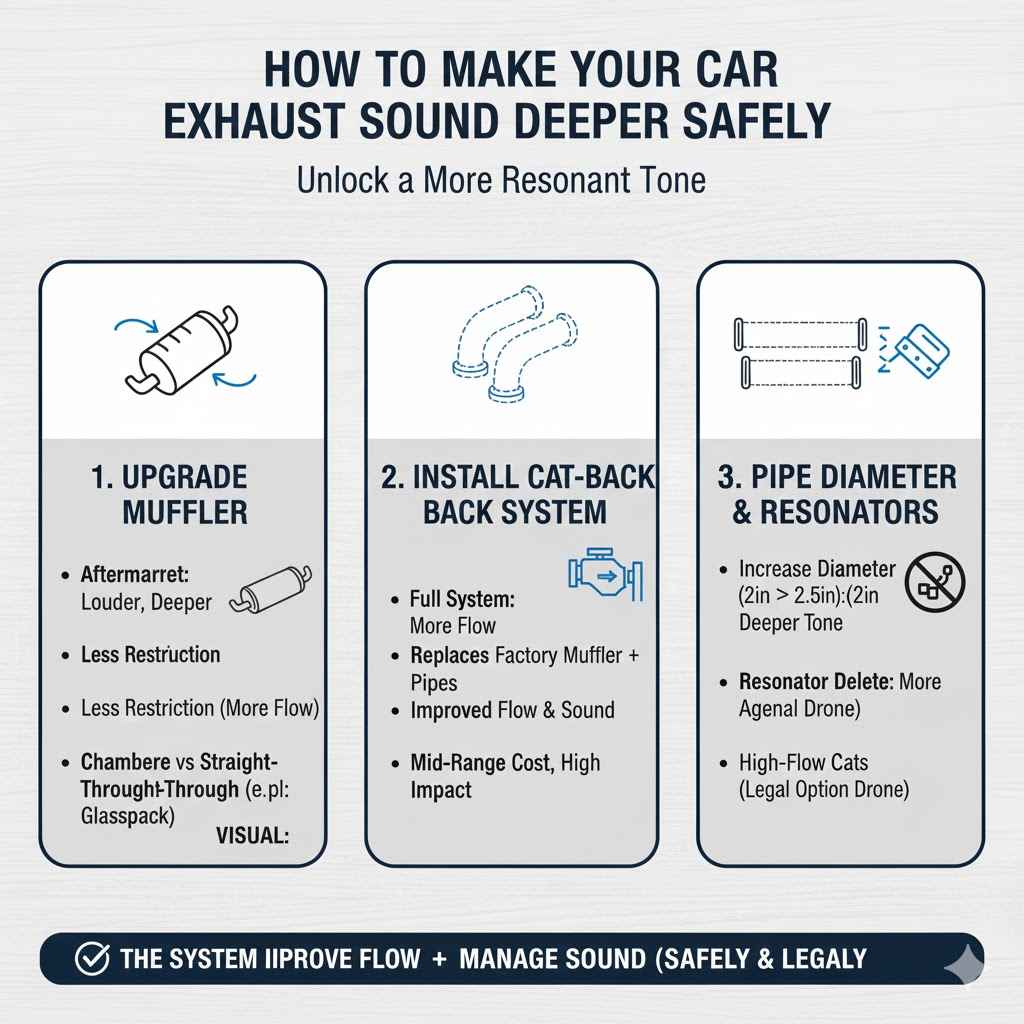
Generally, for most cars seeking a deeper sound, increasing the pipe diameter by a small amount is the way to go. A common upgrade is to go from a 2-inch pipe to a 2.25-inch or 2.5-inch pipe. This provides a noticeable change without disrupting the engine’s natural balance.
It’s a popular modification for many car enthusiasts.
Catalytic Converters and Resonators
Catalytic converters are essential for reducing harmful emissions from your car’s exhaust. They use a honeycomb structure coated with precious metals to convert pollutants into less harmful substances. While their primary function is environmental, they do have a slight impact on exhaust sound.
They can dampen some of the higher frequencies, making the exhaust a bit quieter.
Removing or replacing a catalytic converter is often illegal in many places due to emissions regulations. It can also negatively affect your car’s performance and fuel economy. It’s best to keep your catalytic converter intact when trying to modify exhaust sound.
Some enthusiasts choose high-flow catalytic converters, which offer less restriction while still meeting emissions standards.
Resonators are also part of the exhaust system, and they are specifically designed to cancel out certain sound frequencies. They often work by creating an opposite sound wave to the one they detect. This is how they can remove unwanted droning or raspiness from the exhaust note.
Some people choose to remove resonators for a louder, deeper sound, but this can sometimes lead to an annoying drone at certain RPMs.
Common Methods for a Deeper Exhaust Sound
Many car owners wish for their vehicle to have a more commanding presence on the road, and a deep exhaust rumble is a big part of that. The good news is that achieving this isn’t an impossible task reserved only for mechanics. With a few strategic changes, you can significantly alter your car’s exhaust tone.
We’ll explore the most effective and accessible ways to get that desired sound.
The goal is usually to increase the volume and lower the pitch of the exhaust note. This often involves allowing more exhaust gas to flow through the system and modifying how those sound waves are processed. It’s about finding the right balance to make your car sound powerful without being obnoxious or causing performance issues.
Let’s look at the practical steps you can take. These methods range from simple replacements to more involved modifications. Each offers a different level of change and requires varying degrees of effort and cost.
You can choose the path that best suits your budget and your desired outcome.
Upgrading Your Muffler
Replacing your stock muffler with an aftermarket performance muffler is one of the most popular and effective ways to achieve a deeper exhaust sound. Stock mufflers are designed for quiet operation, often using complex baffling systems to absorb noise. Performance mufflers, on the other hand, are engineered to allow more exhaust gas to flow through, which typically results in a louder and lower-pitched sound.
When choosing a performance muffler, consider its design. “Chambered” mufflers use internal chambers to manage sound, and some are designed for a deeper tone. “Straight-through” or “glasspack” mufflers offer the least restriction and often produce the deepest, loudest sound.
The material of the muffler also plays a role in resonance and tone. Stainless steel is a common choice for its durability and its ability to produce a satisfying sound.
For example, a V6 or V8 engine will naturally produce a deeper sound than a smaller four-cylinder engine. However, even a smaller engine can benefit from a well-chosen performance muffler. A common upgrade for many cars is a muffler that increases pipe diameter slightly internally and has a less restrictive internal design.
This often results in a satisfying rumble without being overly loud.
Installing a Cat-Back Exhaust System
A Cat-Back Exhaust System refers to all the exhaust components from the catalytic converter back to the tailpipe. Upgrading to a performance cat-back system typically involves replacing the stock muffler and exhaust pipes with larger diameter, smoother-flowing ones. This is a comprehensive approach to modifying your exhaust sound and can also offer minor performance gains.
These systems are designed to optimize exhaust flow. They often use larger diameter piping, which allows exhaust gases to exit the engine more quickly and efficiently. This reduced restriction can lead to a more aggressive and deeper exhaust note.
The mufflers included in cat-back systems are usually performance-oriented, further contributing to the desired sound profile.
When selecting a cat-back system, you’ll often find options that cater to different sound preferences. Some are designed for a mild growl, while others aim for a much more aggressive roar. It’s important to research brands and models to find one that aligns with your expectations.
Many manufacturers provide sound clips online so you can hear what the system sounds like on a similar vehicle.
Benefits of a Cat-Back System
- Improved Sound Quality
A cat-back system is specifically designed to enhance the exhaust note. It - Potential Performance Gains
While the primary goal is sound, a free-flowing cat-back exhaust can also lead to slight improvements in horsepower and torque. By reducing backpressure, exhaust gases can escape the engine more efficiently. This allows the engine to “breathe” better, potentially freeing up a few extra horsepower. The gains are usually modest on naturally aspirated engines but can be more significant on turbocharged vehicles. - Enhanced Aesthetics
Many cat-back systems come with stylish exhaust tips that can significantly improve the rear-end appearance of your vehicle. These tips can be made from various materials like polished stainless steel or carbon fiber and come in different shapes and sizes. This visual upgrade complements the improved sound and gives your car a sportier look. - Durability and Quality
Reputable cat-back exhaust systems are typically made from high-quality materials like T304 stainless steel. This ensures excellent resistance to corrosion and rust, making the system durable and long-lasting, even in harsh weather conditions. This is an investment in both sound and longevity for your vehicle.
Installing a Performance Manifold or Headers
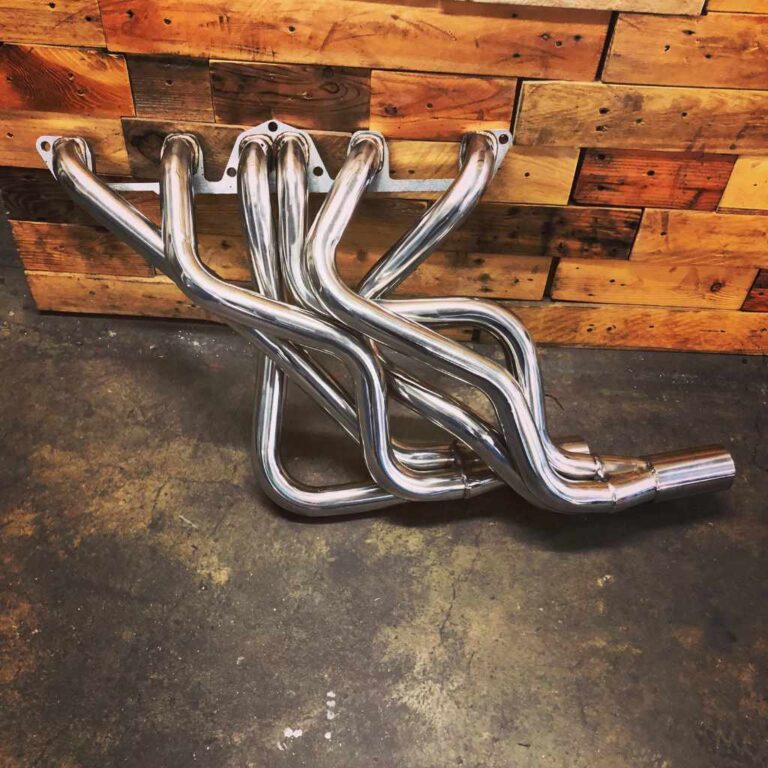
The exhaust manifold, or headers, are the first part of the exhaust system connected to the engine. They collect exhaust gases from each cylinder and funnel them into a single pipe. Stock manifolds are often designed for efficiency and cost savings, not for optimal sound or performance.
Replacing them with performance headers can significantly alter your exhaust note.
Performance headers are typically made from high-quality materials like stainless steel and are designed with smoother bends and optimized tube lengths. This design allows exhaust gases to flow more freely and quickly away from the engine. This improved flow can lead to a more aggressive, deeper sound.
It also contributes to noticeable performance improvements in horsepower and torque.
There are two main types of performance headers: tuned headers and equal-length headers. Tuned headers are designed to optimize the exhaust pulses from specific engine RPM ranges. Equal-length headers ensure that exhaust gases from each cylinder travel the same distance before merging, which promotes smoother flow and a more consistent sound.
Both can contribute to a deeper exhaust tone.
When to Consider Headers
- Engine Modifications
If you have made other performance modifications to your engine, such as a performance camshaft or upgraded intake, headers can help you take full advantage of those changes. They allow the engine to expel exhaust gases more efficiently, which is crucial when the engine is producing more power. - Desire for Maximum Sound Enhancement
While mufflers and cat-back systems offer noticeable sound changes, headers can bring out the deepest and most aggressive tones from your engine. They work in conjunction with other exhaust components to create a powerful, resonant sound. - Performance Focus
If your main goal is to increase horsepower and torque, headers are a very effective modification. They reduce exhaust restrictions more than any other part of the exhaust system. This improved flow is key to unlocking more power from your engine. - Budget and Complexity
Installing headers can be a more involved and expensive modification than simply changing a muffler. It often requires removing and replacing several components. It’s important to consider the cost of the headers themselves, plus installation if you’re not doing it yourself.
Exhaust Tip Modifications
While exhaust tips don’t fundamentally change the internal workings of your exhaust system, they can influence the sound in subtle ways. Changing to larger, wider exhaust tips can sometimes make the exhaust sound a bit deeper or throatier. This is partly due to how the sound waves exit the vehicle and the resonance created by the tip itself.
Different tip designs can affect the sound. For instance, a tip with a rolled edge might create a slightly different sound than a straight-cut tip. Materials like polished stainless steel can also resonate differently than other metals.
Some tips are designed with internal baffling or chambers, similar to a small muffler, which can alter the sound.
However, it’s important to manage expectations. Changing only the exhaust tip will likely yield the least dramatic sound improvement compared to modifying the muffler or the entire cat-back system. It’s often a cosmetic upgrade that can offer a minor audio enhancement.
If you’re looking for a significant change in sound, focusing on the muffler or a full cat-back system is usually more effective.
What About Removing the Muffler Entirely?
Some people consider removing the muffler entirely to make their car louder. This is often referred to as a “straight pipe” exhaust. While this will undoubtedly make your car louder, it’s generally not the best way to achieve a deep, pleasing sound.
In fact, it often results in an extremely loud, raspy, and unpleasant noise.
Without a muffler, the raw, unprocessed sound waves from the engine are released directly into the atmosphere. This can create a harsh, high-pitched drone that is often irritating to the driver and those around them. It can also lead to issues with your car’s emissions system and may not be legal in your area.
Furthermore, removing the muffler completely can negatively impact your car’s performance. The engine may lose low-end torque because there’s no backpressure to help scavenge exhaust gases. While it might seem like a simple solution for loudness, it rarely achieves the desired deep, throaty rumble that most enthusiasts are looking for.
It’s usually better to opt for a performance muffler or a full cat-back system.
Considerations Before Modifying
Before you rush out to buy new exhaust parts, it’s smart to think about a few things. Changing your exhaust can have effects beyond just the sound. You want to make sure you’re happy with the result and that your car still runs well.
Let’s cover what you need to know so you make the best choices.
Think about your daily driving. Will a loud exhaust be annoying on long trips? Also, consider the laws where you live.
Many places have rules about how loud car exhausts can be. Making the wrong choice can lead to tickets or needing to change it back.
It’s also a good idea to know what kind of sound you’re aiming for. Do you want a deep rumble, a sporty growl, or something else? Researching different parts and listening to sound clips can help you decide.
This way, you get the sound you want without unwanted side effects.
Legality and Emissions
Modifying your car’s exhaust system can have legal implications, especially concerning emissions and noise levels. Many regions have strict regulations in place to control vehicle pollution and noise. It’s crucial to be aware of these laws before making any changes.
For example, tampering with or removing your catalytic converter is illegal in most places. Catalytic converters are vital for reducing harmful emissions like carbon monoxide and nitrogen oxides. Failing to have a functioning catalytic converter can result in failing emissions tests, hefty fines, and environmental harm.
Always ensure any modifications comply with local environmental laws.
Noise ordinances are also a common concern. Many cities and states have maximum decibel limits for vehicle exhaust noise. A very loud exhaust system, even if it sounds good to you, could lead to tickets or require modifications to be brought into compliance.
It’s wise to check your local regulations or opt for systems that are known to meet noise standards.
Understanding Emissions Regulations
- Catalytic Converter Function
The catalytic converter is designed to convert toxic exhaust gases into less harmful ones. It uses precious metals like platinum, palladium, and rhodium to catalyze chemical reactions. Removing or damaging it bypasses this crucial environmental protection step. - Illegal Modifications
Modifications such as “muffler deletes” or installing “test pipes” (which bypass the catalytic converter) are generally illegal for road-use vehicles. These are often intended for off-road or racing applications where emissions and noise standards may differ. - Inspection Requirements
Many areas require vehicles to pass periodic emissions inspections. An illegally modified exhaust system will almost certainly fail these inspections, requiring you to revert to the original or compliant setup. - Impact on Vehicle Performance
Some modifications that bypass emissions controls can also negatively affect engine performance and fuel efficiency due to altered backpressure and air-fuel ratios. This is a common unintended consequence of illegal exhaust modifications.
Noise Levels and Drone
When you’re aiming for a deeper exhaust sound, noise level is a key factor. You want your car to sound more powerful, but you likely don’t want it to be so loud that it’s uncomfortable to drive or attracts unwanted attention. This is where the concept of “drone” becomes important.
Drone refers to a persistent, monotonous humming sound that can occur at specific engine RPMs, usually on the highway. It’s often a result of exhaust modifications that don’t properly manage sound frequencies. While a straight pipe might be loud, it often produces a significant amount of unpleasant drone.
Performance mufflers and carefully designed cat-back systems aim to reduce or eliminate drone.
When choosing new exhaust components, look for manufacturers that explicitly state their systems are designed to minimize drone. Many reputable brands invest heavily in research and development to create systems that offer an aggressive sound when you want it, but remain quiet and comfortable for daily driving. Listening to sound clips and reading reviews from other owners can give you a good idea of the noise levels and presence of drone.
Managing Exhaust Drone
- Choose a Resonator
Many performance exhaust systems include a resonator. Resonators are designed to cancel out specific sound frequencies, particularly the low-frequency drone that can be annoying. They work by creating sound waves that are out of phase with the unwanted drone, effectively neutralizing it. - Select the Right Muffler Design
Different muffler designs handle sound differently. Chambered mufflers can be tuned to reduce drone, while straight-through mufflers may be more prone to it if not engineered correctly. Some mufflers use multiple chambers or specific packing materials to absorb sound and prevent resonance. - Consider Pipe Diameter Carefully
While larger pipes can increase volume, an excessively large diameter can sometimes contribute to drone. It’s important to choose a pipe size that is appropriate for your engine’s displacement and intended use. - Proper Installation
Ensure your exhaust system is installed correctly. Leaks in the exhaust system, especially near the engine or headers, can create unusual noises and exacerbate drone. A professional installation can help avoid these issues.
Performance Impact
Modifying your car’s exhaust system isn’t just about sound; it can also affect its performance. The primary way exhaust modifications impact performance is by altering the flow of exhaust gases away from the engine. A more efficient exhaust system can lead to increased horsepower and torque.
Stock exhaust systems are often designed with a balance between performance, noise reduction, and cost. This means they can sometimes be restrictive. By upgrading to a less restrictive system, like a performance cat-back or headers, you allow the engine to expel exhaust gases more quickly.
This reduces backpressure, which can help the engine breathe better and produce more power, especially at higher RPMs.
However, it’s important to note that not all modifications provide significant gains. Simply changing an exhaust tip will likely have a negligible impact on performance. For noticeable improvements, you generally need to modify components that directly affect exhaust flow, such as the muffler, piping, or headers.
On some smaller engines, overly large exhaust piping might actually reduce low-end torque if not properly tuned.
How Exhaust Affects Engine Power
- Reduced Backpressure
The exhaust system creates backpressure as gases are expelled. While a certain amount of backpressure can be beneficial for low-end torque in some engines, excessive backpressure chokes the engine, reducing power. Performance exhausts aim to reduce this excessive backpressure. - Improved Volumetric Efficiency
When exhaust gases are removed more quickly, the cylinders can be refilled with a fresh air-fuel mixture more effectively. This is known as improved volumetric efficiency and directly contributes to more power. - Tuning Requirements
Significant exhaust modifications, especially when combined with other engine upgrades like headers or forced induction, may require engine remapping (tuning) to optimize performance. A tune ensures the engine’s computer adjusts fuel delivery and ignition timing to take full advantage of the improved exhaust flow. - Sound vs. Performance Trade-offs
Sometimes, the exhaust system that produces the deepest or loudest sound may not be the one that offers the most performance gains. There can be a trade-off, and enthusiasts often need to decide which aspect is more important to them, or seek a system that balances both.
Cost and Installation
The cost of modifying your car’s exhaust can vary widely depending on the parts you choose and whether you install them yourself or pay a professional. Simple muffler upgrades can be relatively affordable, while a full stainless steel cat-back system can be a significant investment.
If you are comfortable working on your car, you can save money by doing the installation yourself. However, some exhaust modifications, like header installation, can be quite challenging and may require special tools or lifts. For most people, professional installation is recommended to ensure the job is done correctly and safely.
When budgeting, remember to factor in potential costs beyond the parts themselves. This might include new hardware, clamps, gaskets, and the labor for installation. It’s always a good idea to get quotes from a few reputable exhaust shops before committing to a particular system or installer.
Researching the total cost upfront will help you make an informed decision.
Cost Breakdown Example
| Modification Type | Part Cost (Estimate) | Installation Cost (Estimate) | Total Estimated Cost |
|---|---|---|---|
| Muffler Upgrade | $150 – $500 | $100 – $300 | $250 – $800 |
| Cat-Back Exhaust System | $400 – $1,500+ | $150 – $400 | $550 – $1,900+ |
| Performance Headers | $300 – $800+ | $200 – $600 | $500 – $1,400+ |
| Exhaust Tip Only | $50 – $200 | $50 – $150 | $100 – $350 |
How to Make Your Car Exhaust Sound Deeper Safely
Achieving that satisfying deep rumble for your car’s exhaust is a common goal for many car owners. It’s about adding character and a sense of performance to your ride. You don’t need to be a mechanic to make these changes.
We’ve covered the various parts and methods that contribute to a deeper sound.
The key is to choose modifications that allow for better exhaust flow while managing sound effectively. Upgrading your muffler or opting for a cat-back exhaust system are excellent ways to start. Always remember to consider legal requirements and potential impacts on your car’s performance and your driving experience.
By understanding the role of each exhaust component and the effects of different modifications, you can confidently select the best option for your vehicle. Get ready to enjoy a more powerful and resonant sound from your car!
Frequently Asked Questions
Question: What is the easiest way to make a car exhaust sound deeper
Answer: The simplest way is often to
Question: Can changing the exhaust make my car faster
Answer: Yes, in some cases. Free-flowing exhaust systems, like performance cat-back systems or headers, can reduce backpressure and allow the engine to expel gases more efficiently. This can lead to minor improvements in horsepower and torque.
Question: Will a deeper exhaust sound fail emissions tests
Answer: It depends on the modification. If you modify or remove the catalytic converter, it will likely fail emissions tests. However, changing mufflers or using a cat-back system that retains the factory catalytic converter usually does not affect emissions compliance.
Question: How much does it cost to make an exhaust sound deeper
Answer: Costs vary greatly. A simple muffler upgrade might cost a few hundred dollars, while a full stainless steel cat-back system can cost over a thousand dollars. Professional installation will add to the total cost.
Question: Can I make my exhaust sound deeper without making it too loud
Answer: Yes, this is possible by choosing performance mufflers or cat-back systems that are specifically engineered to produce a deeper tone while minimizing unwanted drone and excessive loudness. Manufacturers often provide sound clips or descriptions of their systems’ sound profiles.
Conclusion
Making your car exhaust sound deeper is achievable with the right modifications. Upgrading your muffler or installing a cat-back system offers a clear path to a richer tone. Always consider local laws and potential noise impacts.
Choose parts designed for sound and performance. Enjoy the enhanced sound of your vehicle.