Difference Between Muffler and Exhaust: Essential Guide
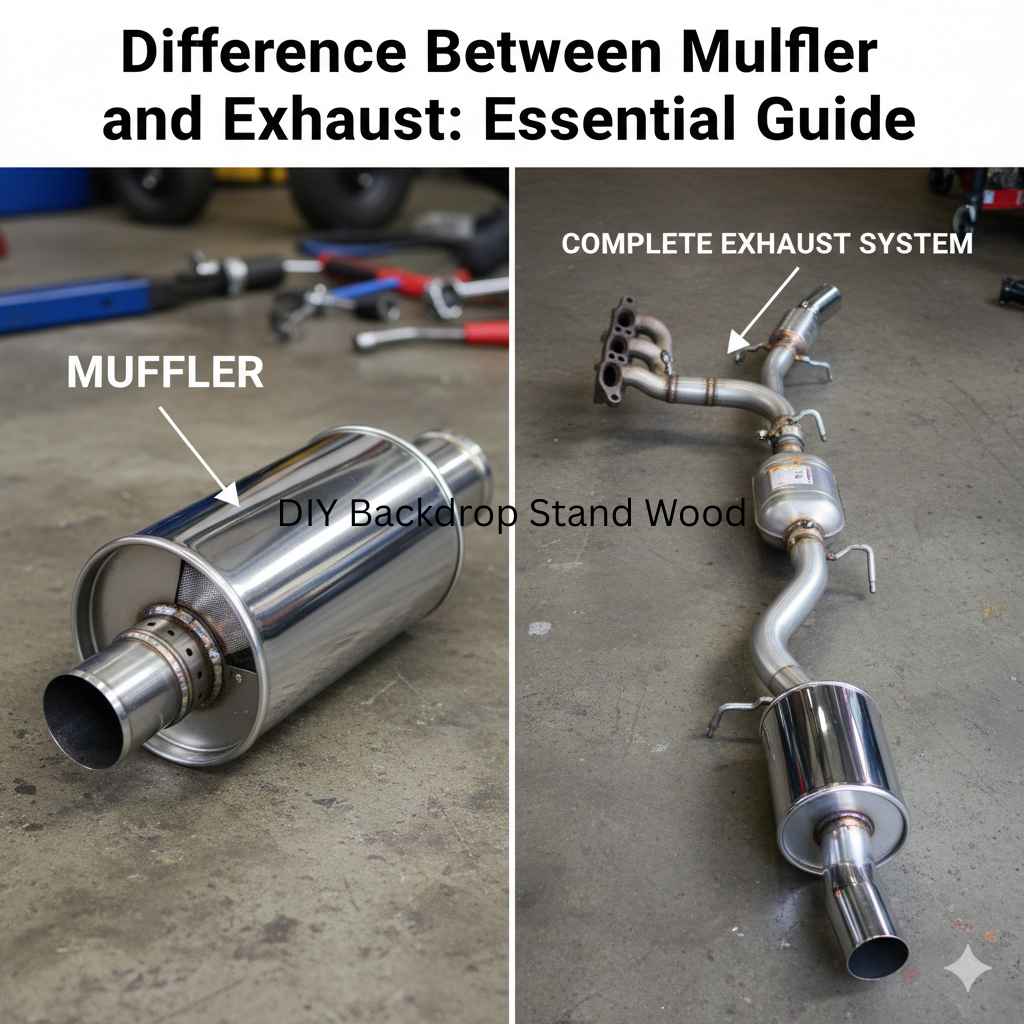
The core difference between a muffler and exhaust is their function: the exhaust system is the entire network of pipes carrying gases from the engine, while the muffler is a specific component within that system designed to reduce noise. Think of the exhaust system as the road and the muffler as a quiet zone on that road.
Hey everyone, Monowar Shohag here! Ever wonder if that rumble from your car’s rear is all about the “muffler” or the “exhaust”? It’s a common question, and understanding the difference is key to keeping your car running smoothly and quietly. Your car’s exhaust system can seem a bit mysterious, but it’s actually pretty straightforward once you break it down. Don’t worry; we’ll make it easy to understand, no complex jargon needed! By the end of this guide, you’ll know exactly what each part does and why they’re both so important for your vehicle’s performance and your peace of mind. Let’s get your exhaust system—and your knowledge—in gear!
Understanding Your Car’s Exhaust System: More Than Just Noise
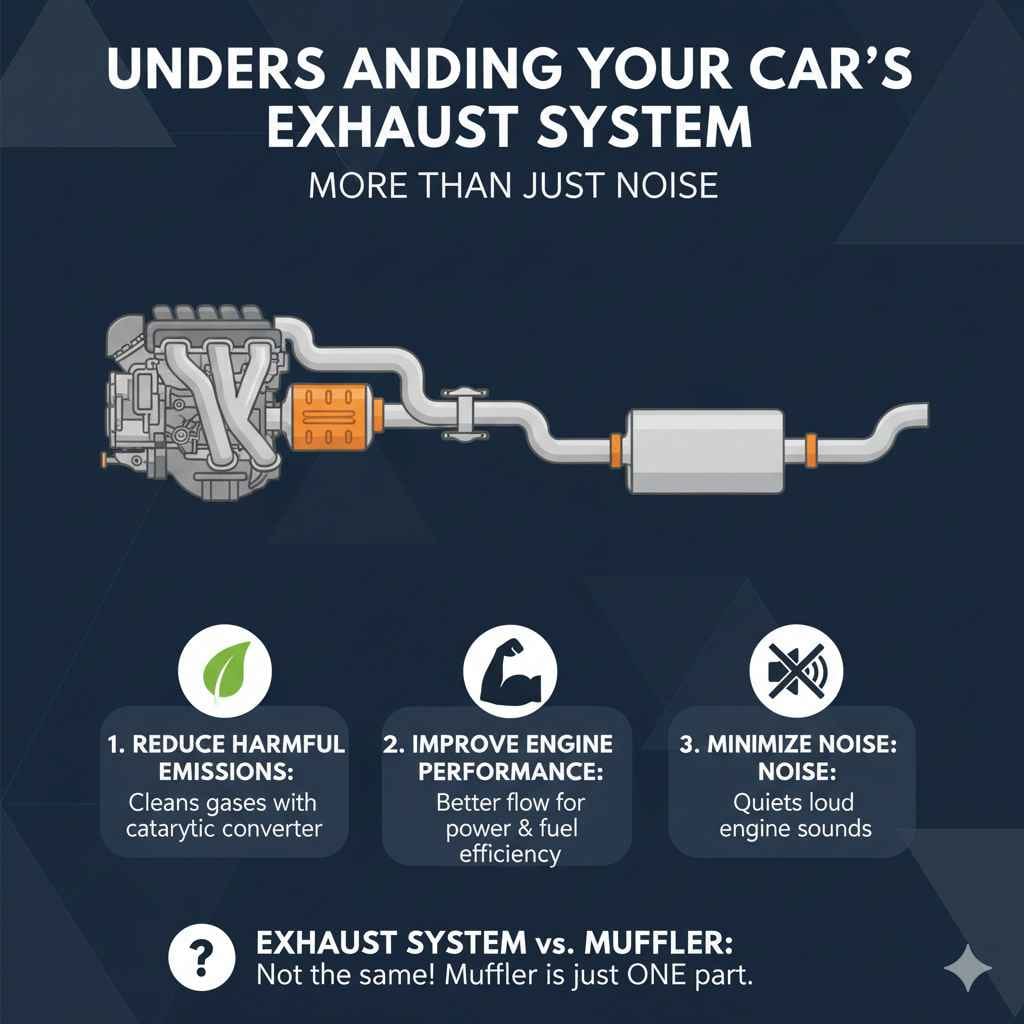
Your car’s engine is a powerfully efficient machine, but it produces a byproduct: hot exhaust gases. These gases need to be safely channeled away from the engine and the passenger cabin. This is where the exhaust system comes in. It’s a critical network of pipes and components designed to do three main things:
- Reduce Harmful Emissions: It helps clean the gases before they are released into the atmosphere.
- Improve Engine Performance: A well-designed exhaust system helps the engine breathe more efficiently, leading to better power and fuel economy.
- Minimize Noise: It significantly reduces the loud, disruptive sounds produced by the combustion process.
Many people use the terms “muffler” and “exhaust” interchangeably, but they are not the same thing. The exhaust system is the complete pathway for these gases, and the muffler is just one, albeit very important, part of that system.
What is the Exhaust System? The Complete Pathway
The exhaust system is a series of interconnected metal tubes that start right after the engine’s cylinders and end at the tailpipe, usually located at the back of your car. It’s like a carefully designed highway for your engine’s exhaust gases.
Here are the main components you’ll find in a typical exhaust system:
- Exhaust Manifold: This is the first piece, connected directly to the engine cylinders. It collects the hot exhaust gases from each cylinder and funnels them into a single pipe.
- Catalytic Converter: This is a crucial emissions control device. It uses a honeycomb-like structure coated with precious metals (like platinum, palladium, and rhodium) to chemically convert harmful pollutants into less harmful substances like water vapor and carbon dioxide. You can learn more about its function on the Environmental Protection Agency (EPA) website.
- Exhaust Pipes: These are the tubes that connect the various components of the exhaust system, carrying the gases from one part to the next. They are usually made of durable steel.
- Resonator: Sometimes found in longer exhaust systems, the resonator helps to cancel out specific, often unpleasant, sound frequencies (like a humming noise) before they reach the muffler, resulting in a smoother exhaust tone.
- Muffler: This is the component specifically designed for noise reduction. We’ll dive deeper into this in the next section.
- Tailpipe: This is the final pipe where the treated exhaust gases exit the vehicle.
- Oxygen Sensors (O2 Sensors): These sensors monitor the amount of oxygen in the exhaust gases. This information is sent to the engine control module (ECM) to help optimize the fuel-air mixture for better performance and efficiency.
The entire system works together to ensure your engine runs efficiently, your emissions are cleaner, and your ride isn’t deafeningly loud.
Focusing on the Muffler: The Noise Canceller
Now, let’s talk about the star of our noise-reducing show – the muffler. As we mentioned, it’s a vital part of the overall exhaust system, but its specific job is to quiet down the loud popping and banging sounds that come from the engine’s combustion process. If your car didn’t have a muffler, it would sound like a race car all the time, and in many places, it would be illegal due to noise regulations!
How does it work its magic? Mufflers use a few clever engineering tricks:
- Chamber Design: The most common type of muffler uses a series of internal chambers. As the exhaust gases flow through these chambers, they bounce off the walls and from one chamber to another. This redirection and expansion of the gases break up the sound waves, converting the loud, high-pressure pulses into smaller, lower-energy pressure waves.
- Perforated Tubes and Packing: Some mufflers employ perforated tubes surrounded by sound-absorbing material, like fiberglass or steel wool. As gases pass through the holes into the packing, the sound energy is absorbed and dissipated as heat. This is similar to how acoustic foam works in recording studios.
- Acoustic Resonance: Some advanced mufflers may also use resonance principles to cancel out specific sound frequencies, much like a noise-canceling headphone.
Think of it like this: the raw sound from the engine is like a stampede of angry elephants. The muffler’s job is to politely guide those elephants through a maze of soft hallways and sound-dampening rooms until they are just a gentle murmur.
The Core Difference: Exhaust System vs. Muffler
To put it simply:
- Exhaust System: This is the entire collection of pipes, converters, and silencers that manage exhaust gases. It’s the whole journey.
- Muffler: This is a specific component within the exhaust system whose primary job is noise reduction. It’s a crucial stop on the exhaust journey.
You can’t have a functional exhaust system without a muffler (or at least a component serving its purpose), but the muffler is not the entire exhaust system by itself. It’s like asking the difference between a river and a waterfall. The waterfall is part of the river, but the river is much more than just the waterfall.
Analogy Time: The Symphony Orchestra
Let’s use an analogy to make this even clearer. Imagine your car’s engine is a powerful drummer playing a super-fast, loud beat. The exhaust system is like the entire concert hall – it needs to manage the sound, direct it, and make sure it doesn’t overwhelm everything.
- The Exhaust Manifold is like the stage where the drummer is performing.
- The Catalytic Converter is like critical soundproofing panels on the walls, making the sound less harsh and filtering out unwanted noise pollution.
- The Exhaust Pipes are the corridors and channels that guide the sound (and gases) through the hall.
- The Muffler is like the main concert hall’s acoustics and sound dampening system – it takes the raw, loud drumming and refines it into a controlled, pleasant sound that can be enjoyed (or at least tolerated!) by the audience.
- The Tailpipe is the exit door where the final sound is released.
So, the muffler is one of the most important instruments in the orchestra, but the whole orchestra is the exhaust system.
Why is This Distinction Important for Car Owners?
Understanding the difference isn’t just trivia; it has practical implications:
- Troubleshooting: If you hear loud noises, is it a leak in the exhaust pipe, a failing catalytic converter, or a hole in the muffler? Knowing the parts helps you and your mechanic diagnose the problem correctly.
- Repairs and Replacement: When a part fails, you need to know which one to replace. Replacing a muffler won’t fix a clogged catalytic converter.
- Performance and Sound Upgrades: If you want to change the sound of your car or improve its performance, you might be looking at a full performance exhaust system, which includes replacing or modifying multiple components, not just the muffler.
- Emissions Testing: Your catalytic converter is vital for passing emissions tests. A malfunctioning part of the exhaust system can lead to a failed test.
When Does Each Part Need Attention? Signs of Trouble
Both the exhaust system and the muffler can develop problems over time. Here’s what to look out for:
Signs Your Exhaust System Needs Attention:
- Loud Noises: Any sudden increase in noise, especially a loud rattling, hissing, or roaring sound, often indicates a leak or a loose connection in the exhaust pipes or manifold.
- Smell of Exhaust Fumes in the Cabin: This is a safety hazard! It means there’s a leak letting dangerous carbon monoxide into your car. Get this checked immediately.
- Reduced Engine Power: A clogged catalytic converter or a damaged pipe can restrict exhaust flow, making your engine feel sluggish.
- Poor Fuel Economy: When the exhaust system isn’t working efficiently, your engine might use more fuel.
- Check Engine Light: Modern cars have sensors that can detect issues with the exhaust system, triggering the check engine light.
- Visible Rust or Damage: Older exhaust systems are prone to rust and corrosion. Look for holes or very thin, rusty sections.
Signs Your Muffler Needs Attention:
Since the muffler’s main job is noise reduction, its failure is usually quite obvious:
- Excessive Loudness: The most common sign. A rusty or damaged muffler will no longer dampen sounds effectively, leading to a very loud engine.
- Rattling or Clanging Noises: This can happen if the internal baffles or packing inside the muffler have broken loose.
- Holes or Rust: Similar to exhaust pipes, mufflers can rust through. You might see holes or very thin, flaky metal.
- Exhaust Smells (less common than leaks elsewhere): While less likely than with pipe leaks, severe muffler damage could potentially let fumes into the cabin.
If you notice any of these signs, it’s time to get your car inspected by a qualified mechanic. They can properly diagnose the issue and recommend the necessary repairs.
DIY vs. Professional: When Can You Tackle Exhaust Work?
Working on exhaust systems can be greasy, hot, and sometimes dangerous due to toxic fumes. While some minor repairs might be DIY-friendly, many exhaust tasks are best left to professionals.
DIY Friendly (with caution and proper tools):
- Visual Inspection: You can safely inspect accessible parts of your exhaust system (once it’s cooled down!) for obvious rust, holes, or damage.
- Tightening Loose Hangers: Sometimes, exhaust components can sag if their rubber hangers break. Replacing these can be a relatively simple job.
- Minor Rust Treatment (on surface rust): For very light surface rust on relatively new pipes, some DIY rust converters and sprays can offer temporary protection.
Best Left to Professionals:
- Muffler Replacement: This often involves cutting and welding, or dealing with rusted bolts that can break easily. Getting the new muffler aligned correctly is also crucial.
- Catalytic Converter Replacement: These are expensive and integrated into the system. Improper installation can lead to leaks or damage.
- Exhaust Pipe Repair or Replacement: Especially if welding is required or if bolts are seized with rust.
- Diagnosing Complex Issues: When the check engine light is on or you’re unsure of the source of a noise.
Safety First: Always ensure the exhaust system is completely cool before touching it. Exhaust systems operate at very high temperatures and can cause severe burns. Also, work in a well-ventilated area to avoid inhaling fumes, especially if dealing with older vehicles or repair products. For major work, a professional mechanic has the specialized lifts, tools, and expertise to do the job safely and correctly.
Understanding Exhaust Systems for Performance and Sound
For automotive enthusiasts, the exhaust system is a prime area for modification. Many people aim to change the sound, improve performance, or both.
Performance Exhaust Systems:
These are designed differently from stock systems:
- Larger Diameter Pipes: Allow exhaust gases to flow more freely, reducing backpressure.
- Less Restrictive Mufflers: Designed for better flow and a sportier sound, often using straight-through designs rather than chambers.
- Performance Catalytic Converters: High-flow units that still meet emissions standards but offer less restriction.
- Custom Manifolds and Resonators: Tuned to optimize engine breathing and sound characteristics.
A well-designed performance exhaust can contribute to a slight increase in horsepower and torque, and a more aggressive, pleasing exhaust note. Websites like Holley’s technical blog offer in-depth insights into how different exhaust setups affect performance.
Aftermarket Mufflers:
You can also replace just the muffler with an aftermarket one. These range from:
- “Flowmaster” style: Known for a deep, aggressive tone using chambered designs.
- “Muffler Delete” pipes: These are essentially straight pipes that replace the muffler entirely. They are often the loudest option.
- Performance “Straight-Through” Mufflers: These use perforated tubes and packing material to quiet the exhaust significantly more than a muffler delete, but with a sportier tone than stock.
It’s important to note that changing your exhaust system can have legal implications regarding noise limits and emissions standards in your area. Always check local regulations before making modifications.
Table: Key Differences Summarized
Here’s a quick comparison to highlight the main distinctions:
| Feature | Exhaust System | Muffler |
|---|---|---|
| Definition | The entire network of pipes, converters, and silencers carrying exhaust gases away from the engine. | A specific component within the exhaust system designed primarily to reduce noise. |
| Function | To safely channel, treat (emissions), and quiet exhaust gases. | To reduce the loud, percussive sounds of engine combustion. |
| Components Involved | Exhaust manifold, catalytic converter, exhaust pipes, resonator, muffler, tailpipe, O2 sensors. | A single unit, typically housing chambers, baffles, or packing material. |
| Common Issues | Leaks, clogs (catalytic converter), rust, broken hangers, failing O2 sensors. | Holes, rust, internal damage (baffles break), reduced noise reduction. |
| Sound Impact | Overall sound quality and volume of the vehicle. | Primary component responsible for making the vehicle quieter. |
| Emissions Impact | Includes the catalytic converter, which is crucial for emissions control. | Minimal direct impact on emissions, primarily focused on noise. |

Frequently Asked Questions (FAQ)
Q1: What happens if I remove my muffler?
Removing your muffler will significantly increase the noise level of your vehicle, making it much louder and potentially exceeding legal noise limits. While it might seem like a performance gain, it often results in an unpleasant, raspy, or overly aggressive sound and can sometimes even hurt performance due to altered backpressure.
Q2: Can a bad catalytic converter make my car sound like a bad muffler?
Yes, in some cases. If a catalytic converter becomes clogged, it can restrict exhaust flow, causing a loud rumbling or roaring sound. However, a clogged converter usually also causes a significant loss of power, which isn’t typically associated with a just a failed muffler. A mechanic can differentiate between the two.
Q3: How long do mufflers typically last?
Mufflers are usually made of steel and are exposed to heat, moisture, road salt, and exhaust gases. Their lifespan can vary greatly depending on climate, driving conditions, and the quality of the original part, but they often last anywhere from 5 to 10 years, or roughly 50,000 to 100,000 miles. Early signs of rust or damage can indicate it’s nearing the end of its life.
Q4: Does a muffler affect my car’s performance?
Yes, but usually in a negative way if it’s a stock muffler designed for noise reduction. Modern stock mufflers are engineered to balance noise reduction with acceptable exhaust flow. However, if a muffler is too restrictive or starts to get damaged internally, it can hinder exhaust flow, reducing engine performance.