C7 Corvette vs Supra: Essential Premium Sound
Choosing between a C7 Corvette and a Supra for premium exhaust sound depends on your preference for raw American V8 rumble versus a refined, high-revving sportscar bark. Both offer distinct, exhilarating auditory experiences, with aftermarket options further enhancing their unique sonic signatures.

EcoLiner USA
Premium Cargo Liner for Toyota Supra 2021-2026…
- PERFECT FIT Toyota Supra 2021-2026 - Our trunk liners are meticulously crafted using cutting-edge 3D scan technology, ensuring an…
- MOST DURABLE WITHIN CARGO LINERS - Our cargo liner for SUV is a perfect investment in the interior of your car for absolute comfor…
- EASY-CLEAN DESIGN - Featuring an anti-skid, stain-resistant surface, our trunk liners are a breeze to maintain. The raised exterio…
As an Amazon Associate I earn from qualifying purchases.
So, you’re dreaming about a car that doesn’t just perform but also sounds incredible. Maybe you’re torn between the aggressive growl of an American V8 and the sharp, athletic note of a Japanese icon. Picking the right car for its sound can be a big decision, and the Chevrolet Corvette C7 and the Toyota Supra (specifically the A90 generation) are two sports cars that loudly announce their presence. They each offer a very different, yet equally thrilling, audio experience. We’ll walk through what makes each one special, so you can get a handle on which soundtrack is right for you. Let’s dive into the world of premium exhaust notes!
C7 Corvette vs Supra: Essential Premium Sound – What’s the Buzz?
When we talk about “premium sound” in cars, we’re not just talking about the stereo system. For many enthusiasts, the most captivating sound comes from the engine and exhaust. It’s the pulse, the roar, the character that makes a sports car a sports car. The C7 Corvette Stingray, Z06, and Grand Sport, with their legendary V8 engines, and the modern Toyota Supra A90, with its potent inline-six, offer distinct sonic palettes that are a huge part of their appeal. Let’s break down what makes each one sing.
The C7 Corvette: A V8 Symphony of American Muscle
The Chevrolet Corvette C7 is a car that wears its V8 heart on its sleeve. From the moment you start it up, it announces its intentions with authority. The natural aspiration of its V8 engines means a powerful, deep, and resonant exhaust note that’s instantly recognizable.
Understanding the C7’s Exhaust Character
The C7 Corvette features a front-engine, rear-wheel-drive layout, which allows for a long intake and exhaust path. This design, combined with the V8 engine’s firing order, contributes to a characteristic deep rumble at idle that builds into a forceful, often aggressive roar under acceleration. Chevrolet even offered factory options to enhance the sound, recognizing its importance to the Corvette experience.
Key Sound Features of the C7 Corvette:
- Deep Rumble: At idle and low RPMs, the C7 produces a satisfying, throaty rumble that’s unmistakably V8.
- Aggressive Growl: As you accelerate, the sound opens up, becoming a powerful growl that can be quite intimidating.
- Exotic Notes (Z06): Higher-performance models, like the Z06, often feature more aggressive exhaust tuning and even supercharger whine, adding layers to the auditory experience.
- Customization Potential: Aftermarket exhaust systems are abundant for the C7, allowing owners to tailor the sound from mild to wild.
Stock vs. Aftermarket Exhausts for the C7
Most C7 Corvettes come with a respectable exhaust note from the factory, especially performance variants. However, many owners seek to amplify this with aftermarket solutions. These can range from simple muffler deletes for a louder, raw sound to full cat-back or axle-back systems that completely redefine the car’s voice.
Upgrading the exhaust on a C7 is a popular modification because it’s generally accessible and yields significant sonic improvements. A well-chosen aftermarket exhaust can make the V8 sound even more potent, aggressive, and refined, depending on the system’s design. It’s a common way for owners to personalize their Corvette’s character.
The Toyota Supra A90: A High-Performance Inline-Six Serenade
The Toyota Supra A90, particularly the Mk5 generation, represents a different philosophy. While it doesn’t have a V8, its potent 3.0L turbocharged inline-six engine, co-developed with BMW, delivers a thrilling and sophisticated performance sound that’s equally captivating, though in a very different way.
The Supra’s Unique Inline-Six Sound
Inline-six engines have a naturally smoother power delivery and a distinct exhaust note compared to V8s. The Supra’s soundtrack is characterized by its high-revving nature and a sharper, more athletic bark, especially when pushed. The turbocharging also adds its own unique sonic elements.
Key Sound Features of the Toyota Supra A90:
- Refined Growl: The stock exhaust provides a sporty, but often relatively subdued, growl that’s pleasing without being overbearing.
- Sporty Chirp/Bark: Under acceleration and during gear shifts, especially with the sport exhaust mode engaged, you’ll hear a sharper, more athletic note.
- Turbo Sounds: The turbocharger itself adds whistling and whooshing sounds, known as intake and exhaust spool, which are part of the modern performance car experience.
- Potent Aftermarket Tuning: The aftermarket scene for the Supra is growing rapidly, offering ways to intensify its sporty inline-six voice.
Stock vs. Aftermarket Exhausts for the Supra A90
The stock exhaust on the Supra A90 is often described as being a bit too quiet for such a capable sports car. This is a common point of discussion among owners, leading to a strong demand for aftermarket exhaust solutions. The goal for most Supra owners is to unleash the engine’s potential audibly.
Aftermarket exhausts for the Supra A90 aim to bring out more of the engine’s natural character. They often focus on increasing volume, sharpening the tone, and enhancing the sporty “barks” and “pops” that enthusiasts enjoy during spirited driving. The inline-six engine responds well to exhaust modifications, often transforming the car’s auditory presence dramatically.
Comparing the Sound Profiles: V8 Muscle vs. Inline-Six Sportiness
Directly comparing the exhaust notes of a C7 Corvette and a Toyota Supra A90 is like comparing two different but equally impressive musical genres. It comes down to personal preference and what type of auditory thrill you’re seeking.
Table: Exhaust Sound Characteristics Comparison
| Feature | C7 Corvette (V8) | Toyota Supra A90 (Inline-6 Turbo) |
|---|---|---|
| Base Tone | Deep, resonant V8 rumble | Sharper, more athletic inline-six bark |
| Idle Sound | Throaty, powerful, and often loud | Sporty, but typically more reserved |
| Accelerating Sound | Aggressive, roaring, muscle car growl | Exciting, rev-happy, sporty tone with turbo spool |
| High RPM Sound | Deep, powerful roar, can be very intense | Sharp, eager, race-car-like howl |
| Turbocharger Influence | Minimal (naturally aspirated) or supercharger whine (Z06) | Prominent turbo spool and blow-off valve sounds |
| Aftermarket Potential | Vast, for extreme loudness and tone control | Growing, for enhancing sporty notes and volume |
The Corvette offers a classic, visceral V8 experience that many associate with American sports car heritage. It’s about raw power you can hear and feel. The Supra, on the other hand, provides a more modern, sophisticated, and performance-focused sound. It’s the sound of precision engineering and high-revving capability, often with added turbo character.
Enhancing Your Chosen Car’s Sound: Essential Upgrades
Both the C7 Corvette and the Supra A90 benefit greatly from aftermarket exhaust upgrades. The goal is usually to amplify the car’s inherent sonic qualities and make them more pronounced, exciting, and personal. It’s important to understand the basic types of exhaust modifications available.
Common Exhaust Upgrade Types
When looking to change your car’s exhaust sound, you’ll encounter a few main types of systems:
- Axle-Back Exhaust: This is the simplest and often most affordable upgrade. It replaces the mufflers and tips at the very rear of the exhaust system. It will change the tone and volume but has a less dramatic effect than full systems.
- Cat-Back Exhaust System: This is a more comprehensive upgrade that replaces everything from the catalytic converter(s) back. This includes the mid-pipe(s), resonator(s), mufflers, and tips. Cat-back systems offer a significant change in both sound and often performance.
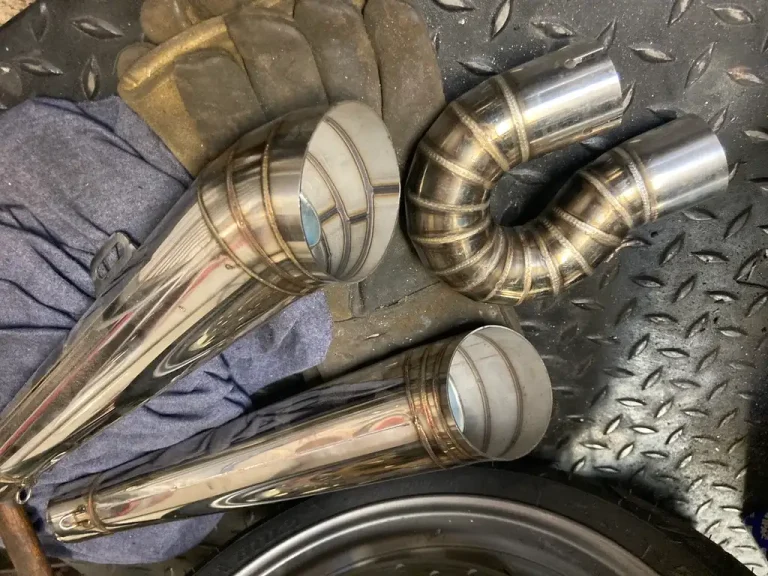
- Header/Exhaust Manifold Upgrade: For maximum sound alteration and performance gains, headers (or aftermarket exhaust manifolds) replace the restrictive factory manifolds. This can make the exhaust note much louder and more aggressive, but it’s a more involved installation and can sometimes affect emissions compliance depending on the material and whether catalytic converters are integrated.
- Muffler Delete/Resonator Delete: This involves removing specific components from the factory exhaust. A muffler delete makes the exhaust very loud, while a resonator delete can change the pitch and reduce drone. These are often DIY-friendly but can sometimes lead to undesirable sounds or excessive loudness.
Choosing the Right System for Your C7 Corvette
For the C7 Corvette, the choice largely depends on how loud and aggressive you want to go. If you love the V8 rumble and want to hear it more clearly, an axle-back or cat-back system from a reputable brand like Borla, Corsa, or MagnaFlow will likely be an excellent choice. These often offer different sound profiles, from mellow performance to wide-open race car loudness. Many systems offer valve control, allowing you to switch between quiet and loud modes – a great option for daily driving.
When choosing, consider looking for systems that are:
- Material: Stainless steel (like 304 or 409) is durable and resists corrosion.
- Design: Performance-oriented designs often use larger pipes, straight-through mufflers, and optimized routing.
- Drone: Pay attention to reviews regarding cabin noise at constant highway speeds (drone). Some systems are better at eliminating this than others, thanks to specific tuning or resonators.
Choosing the Right System for Your Toyota Supra A90
For the Supra A90, the goal is often to inject more life and aggression into the inline-six’s natural sound. Many owners find the stock exhaust too quiet relative to the car’s performance. Aftermarket cat-back systems are extremely popular for the Supra, offering a noticeable increase in volume and a sportier tone. Brands like Akrapovič, Remus, and Fi Exhaust are well-regarded, often providing systems with integrated exhaust valves for adjustable sound levels.
When selecting for a Supra, think about:
- Tone: Do you prefer a sharper, higher-pitched bark or a deeper, more muscular growl from the inline-six?
- Volume: How much louder do you want it to be? Is it for occasional spirited drives or a constant presence?
- Drone Reduction: Inline-six engines can sometimes be prone to drone when modified. Look for systems that specifically address this or offer valve control to mitigate it.
- Material & Finish: Carbon fiber tips or specific finishes can add to the aesthetic appeal alongside the sound.
Essential Tools and Safety for Exhaust Work
Working on exhausts can seem daunting, but with the right tools and a focus on safety, it’s achievable for many DIYers, especially for simpler tasks like axle-back replacements.
Safety First: What You Need to Know
Before you even think about touching an exhaust, remember these crucial safety points:
- Cool Down: Exhaust systems get incredibly hot. Always let the car sit for several hours (preferably overnight) after driving to ensure all components are cool to the touch.
- Proper Support: If you need to get under the car, use sturdy jack stands on a level surface. Never rely solely on a jack. Refer to your car’s owner’s manual for proper jacking points. For reliable guidance on vehicle support, check out resources like NHTSA’s recommendations on safe lifting points.
- Eye Protection: Always wear safety glasses or goggles to protect your eyes from falling debris or rust.
- Gloves: Wear sturdy work gloves to protect your hands from sharp edges and heat.
- Ventilation: Work in a well-ventilated area, especially if you’re dealing with cleaning solvents or cutting metal.
Essential Tools for Exhaust Installation
The specific tools required will depend on the complexity of the job, but here’s a general list:
- Jack and Jack Stands: As mentioned, crucial for safely lifting the vehicle.
- Socket Set: You’ll need metric sockets and wrenches, typically ranging from 10mm to 19mm, for bolts and nuts.
- Breaker Bar: For stubborn or rusted bolts that standard ratchets can’t budge.
- Penetrating Oil: A must-have for loosening rusted exhaust bolts. Let it soak in for a good amount of time.
- Exhaust Hanger Pliers/Tool: Special pliers make it much easier and safer to remove rubber exhaust hangers without damaging them.
- Torque Wrench: Essential for tightening bolts to the manufacturer’s specifications, ensuring a secure and leak-free installation.
- Wire Brush: For cleaning rust and dirt off mounting surfaces and threads before reassembly.
- Safety Glasses and Gloves: Non-negotiable safety gear.
Frequently Asked Questions (FAQ)
Q1: Which car sounds better – the C7 Corvette or the Supra A90?
This is subjective! The C7 Corvette offers a deep, aggressive V8 rumble characteristic of American muscle. The Supra A90 provides a sharper, more refined sportscar bark from its inline-six. Both sound fantastic, but cater to different preferences.
Q2: Can I make my stock Supra’s exhaust louder?
Yes, you can. The most common ways are through a muffler delete or a cat-back exhaust system. For a significant increase in volume and a sportier tone, a cat-back is generally recommended.
Q3: Do aftermarket exhausts void the warranty on my C7 Corvette or Supra?
Typically, replacing a component like the exhaust doesn’t automatically void your entire warranty. However, if the aftermarket exhaust is found to be the direct cause of a problem with another part (e.g., engine or emissions), that specific repair may not be covered. It’s always wise to check your warranty documentation or consult with your dealer.
Q4: What is “exhaust drone,” and how can I avoid it?
Exhaust drone is an unpleasant, resonant humming sound that can occur inside the cabin, usually at highway cruising speeds. It happens when the exhaust pulses align and amplify within the car’s interior. Systems with well-designed mufflers, resonators, or active exhaust valves are better at preventing drone.
Q5: Is installing an exhaust system a difficult DIY job?
Axle-back systems are usually straightforward and can be done with basic tools. Cat-back systems are more involved, requiring more mechanical aptitude and tools. Header installations are generally the most complex and often best left to professionals.
Q6: How much can I expect to spend on an aftermarket exhaust for a C7 Corvette or Supra?
Prices vary widely. Axle-back systems can range from $300 to $800. Cat-back systems are typically between $800 and $2,500+, with high-end brands and exotic materials costing more. Header upgrades can add another $500 to $2,000+.
Q7: Will changing the exhaust improve my car’s performance?
Generally, yes, but the amount varies. Cat-back and header upgrades can offer modest horsepower and torque gains by improving exhaust flow. Muffler deletes are less likely to provide performance benefits and primarily affect sound. For significant performance gains, more extensive modifications like engine tuning might be needed in conjunction with exhaust upgrades.
Conclusion: Your Car, Your Sound, Your Choice
Choosing between the C7 Corvette and the Toyota Supra, or deciding to upgrade the exhaust on the one you own, is a decision rooted in personal preference. The C7 Corvette embodies the raw, untamed spirit of American V8 power, offering a sound that’s as visceral as its performance. It’s a deep, resonant bellow that commands attention and evokes classic muscle car heritage. On the other hand, the Toyota Supra A90 presents a more modern, high-strung, and sophisticated auditory experience. Its inline-six engine sings with a sharp, athletic tone, complemented by the captivating whines and whooshes of its turbocharger, representing the pinnacle of modern sportscar engineering.
Related pick: Check today's price on Amazon