Are Flexible Exhaust Pipes Good: Essential Guide
Yes, flexible exhaust pipes can be good for specific purposes, offering solutions for vibration absorption and easier installation in tight or complex exhaust routes. However, they may not be as durable as rigid pipes in high-stress areas. This guide breaks down their pros, cons, and ideal uses to help you decide if they’re right for your vehicle.
Why Your Car Needs a Healthy Exhaust System
Wondering about your car’s exhaust system? It’s crucial for your car’s health and performance. It helps keep harmful fumes away from you and the environment. Sometimes, parts of this system can get damaged or worn out. One part you might hear about is the flexible exhaust pipe. Are these flexible pipes actually a good choice? Many car owners find themselves confused by different exhaust parts. This guide will clear things up for you. We’ll look at what flexible exhaust pipes are and when to use them. Get ready to understand this common exhaust component like never before!
What Exactly is a Flexible Exhaust Pipe?
A flexible exhaust pipe, often called a flex pipe or flex connector, is a special section of tubing designed to bend and absorb vibrations. Unlike the straight, rigid pipes that make up most of your exhaust system, the flex pipe has a corrugated or braided construction. This design allows it to move independently from the engine and the rest of the exhaust.
Think of it like a shock absorber for your exhaust. Your engine vibrates constantly when it’s running. This vibration can travel through the exhaust system and cause stress, rattling, or even damage to other parts. The flexible exhaust pipe acts as a buffer, soaking up these engine movements and preventing them from being transferred to the rest of your exhaust system and ultimately, your car’s chassis.
These pipes are typically made from stainless steel, which is strong and resistant to rust, a common problem with exhaust components. The flexible section is usually a few inches to a couple of feet long, depending on its application.

Why Do Cars Need Flexible Exhaust Pipes?
Engines aren’t fixed in place; they have mounts that allow for some movement. When an engine runs, it shakes and moves. If your exhaust system was entirely rigid and directly connected to a moving engine, all that shaking would quickly put a lot of stress on the exhaust pipes, flanges, and welds. This stress could lead to cracks, leaks, and premature failure of components.
The flexible connector is strategically placed, usually between the exhaust manifold (where exhaust gases first exit the engine) and the rest of the exhaust system. This placement allows the engine to move freely without pulling or straining the exhaust pipes, catalytic converter, muffler, or other attached parts.
Here are the main reasons flexible exhaust pipes are crucial:
Vibration Dampening: This is their primary job. They absorb the engine’s natural vibrations, preventing them from transferring to the chassis and creating noise or damaging other components.
Engine Movement: Engines can shift under acceleration, braking, or even just idle. The flex pipe accommodates this movement, ensuring the exhaust system doesn’t break.
Thermal Expansion: Exhaust systems get very hot. As they heat up, metal components expand. Flexible pipes can help absorb some of this expansion and contraction, reducing stress.
Easier Installation: In some tight engine bays or with custom exhaust setups, a flexible pipe can make routing much easier than trying to bend rigid metal tubing around obstacles.
Are Flexible Exhaust Pipes Good? Understanding the Pros
So, are flexible exhaust pipes good? Let’s look at the benefits. They’re a smart engineering solution for a specific problem.
Advantages of Flexible Exhaust Pipes:
Excellent Vibration Absorption: This is their superpower. They significantly reduce the noise and wear associated with engine vibrations. This leads to a quieter, smoother ride and protects your exhaust system from cracking.
Accommodates Engine Movement: As mentioned, engines move. A flex pipe allows your exhaust system to remain intact and leak-free as the engine shifts.
Reduces Stress on Exhaust Components: By absorbing vibrations and movement, flex pipes prevent undue stress on exhaust manifolds, catalytic converters, mufflers, and other parts that can be costly to replace.
Facilitates Installation: For mechanics or DIYers, installing a flexible pipe can be much simpler than bending and fitting rigid tubing, especially in confined engine bays or for custom exhaust builds.
Preventative Maintenance: They act as a protective layer, essentially acting as a sacrificial component that takes the brunt of the stress, saving more expensive parts from damage.
The Downsides: When Are Flexible Exhaust Pipes Not Ideal?
While flexible exhaust pipes are great for their intended purpose, they aren’t a perfect solution for every situation. They do have limitations.
Disadvantages of Flexible Exhaust Pipes:
Durability Concerns: Compared to a solid, rigid pipe, a flex pipe with its corrugated or braided structure can be more susceptible to damage over time, especially if exposed to impacts, severe road conditions, or excessive flexing.
Potential for Leaks: The woven mesh or corrugated sections, while flexible, can eventually develop cracks or holes, leading to exhaust leaks. Leaks are bad because they can be noisy, reduce performance, and let harmful exhaust fumes into the cabin.
Reduced Flow (Sometimes): In some designs, the internal corrugations can create a slight restriction to exhaust gas flow compared to a perfectly smooth, straight pipe. For most everyday vehicles, this difference is negligible. However, for high-performance applications where maximum airflow is critical, it might be a consideration.
Can Be More Expensive: A flex pipe section might cost more upfront than a simple straight pipe of the same length.
Not a Universal Fix: While they solve vibration and movement issues, they don’t address other exhaust problems like rust, corrosion, or blockage in other parts of the system.
Types of Flexible Exhaust Connectors
Not all flexible exhaust pipes are created equal. They come in different designs, each with its own strengths.
1. Braided Flex Pipe: These often look like a woven metal sleeve over a flexible inner tube. The outer braid provides strength and protection, while the inner tube allows for flexibility. They are very effective at absorbing movement and vibration.
2. Corrugated Flex Pipe: These have an internal tube made of deeply corrugated metal. The corrugations allow the pipe to bend easily. They are generally less expensive than braided types but might offer slightly less protection against external damage.
3. Bellows/Expansion Joints: While similar in function, these are sometimes designed differently, often with distinct accordion-like folds. They are specifically engineered to absorb linear expansion and contraction caused by heat, as well as some angular and axial movement.
When is a Flexible Exhaust Pipe the Right Choice?
Given their pros and cons, flexible exhaust pipes are best used in specific areas of the exhaust system.
Between the Exhaust Manifold and the Rest of the System: This is the most common and arguably most critical location. It effectively isolates engine vibrations from the rest of the exhaust.
Custom Exhaust Builds: If you’re fabricating an exhaust system, especially for a vehicle with an engine swap or unique routing, a flex pipe can make the job much easier and prevent future issues.
Replacing a Damaged Flex Section: If your current flex pipe is leaking or broken, simply replacing it with a new one of the correct size and type is usually the best course of action.
Certain Diesel Engines: Some heavier-duty diesel engines produce significant vibrations, making flex pipes a valuable component in their exhaust systems.
They are generally not ideal for use as the primary exhaust tubing throughout the entire system (e.g., from the muffler to the tailpipe) where less movement is expected and durability against road debris is more important.
How to Inspect Your Flexible Exhaust Pipe
Keeping an eye on your flex pipe is part of good car maintenance. It’s not difficult to do yourself.
Steps for Inspection:
1. Safety First: Park your car on a level surface and engage the parking brake. If the engine is hot, let it cool down completely to avoid burns. For a thorough inspection, you might need to lift the vehicle. Ensure you use jack stands for safety if you go this route. Consult NHTSA guidelines for safe vehicle lifting procedures.
2. Locate the Flex Pipe: It’s usually found right after the exhaust manifold (the part bolted to the engine where all the exhaust pipes join) and before the catalytic converter or the main part of the exhaust piping. It will look different from the rest of the pipes – often a mesh-like or ribbed section.
3. Visual Check: Look closely at the entire length of the flex pipe. Check for:
Cracks: Even small cracks can cause leaks.
Holes: Obvious gaps are a clear sign of failure.
Rust and Corrosion: Excessive rust can weaken the pipe.
Loose Connections: Ensure the clamps or welds holding it in place are secure.
Damage to Braid or Corrugations: Look for any smashed or distorted areas.
4. Listen for Leaks: Start the engine (if it’s safe to do so and you’re not under the car without proper precautions). Listen carefully around the flex pipe area for any hissing or puffing sounds, which indicate a leak. You can sometimes use soapy water on suspected leak areas (when the engine is off and cool) and look for bubbles, but this is more common for colder exhaust systems.
5. Check for Excessive Movement: With the engine running, and if safe, gently try to wiggle the exhaust system (avoiding hot parts!). Excessive, uncontrolled movement at the flex pipe could indicate it’s failing.
Common Exhaust System Problems Related to Flex Pipes
When a flex pipe fails, it can cause a cascade of issues. Understanding these problems can help you spot a failing flex pipe sooner.
Exhaust Leaks: This is the most common symptom. You might hear a loud, popping, or hissing noise from the front of your car, especially when starting the engine or accelerating. Exhaust gases can also enter the cabin, causing a dangerous carbon monoxide risk.
Rattling Noises: If the flex pipe is deteriorating or the internal structure is failing, it can create a rattling sound.
Decreased Performance: A significant exhaust leak can disrupt the oxygen sensor readings, affecting the engine’s air-fuel mixture and leading to a loss of power and reduced fuel efficiency.
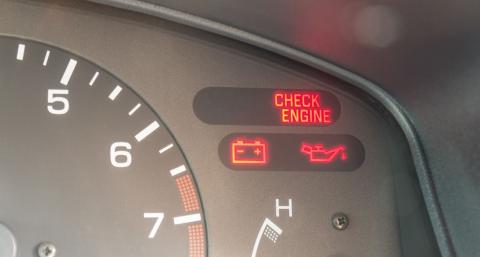
Check Engine Light: The car’s computer monitors exhaust gas composition. Leaks can trigger the Check Engine Light.
Damage to Other Components: If the flex pipe fails to absorb vibrations, the stress can transfer to the catalytic converter, muffler, or exhaust manifold, causing them to crack or break. Replacing a flex pipe is usually much cheaper than replacing a catalytic converter.
DIY vs. Professional Replacement: When to Call a Mechanic
Replacing a flexible exhaust pipe can be a DIY job for those with some mechanical experience and the right tools. However, it’s important to know when to leave it to the professionals.
DIY Considerations:
Tools: You’ll need basic tools like wrenches, sockets, possibly a cutting tool (like a reciprocating saw or angle grinder if you need to cut off old clamps or severely rusted sections), safety glasses, and gloves. You might also need specialized exhaust system clamps.
Access: Getting to the flex pipe can be difficult, often requiring lifting the vehicle safely.
Weld-in vs. Clamp-on: Some flex pipes are welded in place, which requires welding equipment and expertise. Others are clamped on. Clamp-on replacements are much easier for DIYers.
Rust: Severely rusted exhaust components can be very difficult to remove, leading to frustration and potential damage.
When to Call a Mechanic:
Welded Flex Pipes: If your flex pipe is welded, it’s best to take it to a professional exhaust shop.
Severely Rusted Exhaust System: If other parts of your exhaust are heavily rusted, the risk of breaking other components during removal increases.
Lack of Tools or Confidence: If you don’t have the right tools or feel unsure about the process, a mechanic can do it safely and efficiently.
Tight Engine Bays: Some vehicles have very little space to work, making the job extremely challenging for a DIYer.
Safety Concerns: If you’re not comfortable lifting your car or working around hot components, it’s always safer to let a professional handle it.
Maintenance Tips for Your Exhaust System
While the flex pipe itself doesn’t require routine maintenance like an oil change, a few general exhaust system care tips can prolong its life and keep your car running smoothly.
Regular Inspections: As outlined earlier, periodic visual checks can catch problems early. Listen for unusual noises.
Avoid Driving Through Deep Water: Submerging your exhaust system in deep water can cause rapid cooling and thermal shock, potentially leading to cracks. It can also accelerate rust.
Address Leaks Promptly: Don’t ignore exhaust leaks. They can lead to further damage and safety hazards.
Consider Rust Protection: For vehicles driven in areas with a lot of salt or moisture, rust-proofing treatments for the undercarriage can help protect the entire exhaust system.
Listen to Your Car: Your car often tells you when something is wrong. Unusual noises are your first clue.

Flexible Exhaust Pipes vs. Rigid Pipes: A Comparison
To understand where flexible pipes shine, let’s compare them with standard rigid exhaust piping.
| Feature | Flexible Exhaust Pipe | Rigid Exhaust Pipe |
|---|---|---|
| Primary Function | Absorb vibration and engine movement, accommodate thermal expansion. | Convey exhaust gases efficiently from one point to another. |
| Construction | Corrugated or braided metal construction. | Seamless or welded metal tubing. |
| Durability | Can be less durable against impact and prolonged extreme flexing; prone to cracking over time. | Generally more durable against physical impact and wear; resistant to cracking. |
| Installation | Easier to route around obstacles, can be clamped or welded. | May require bending or custom fabrication; typically requires welding for permanent fitting. |
| Cost | Often more expensive than a standard straight rigid pipe of the same length. | Generally less expensive. |
| Exhaust Flow Impact | Slight potential for flow restriction due to internal corrugations (usually negligible for most vehicles). | Smoother, less restrictive flow (assuming no internal damage or kinks). |
| Typical Location | Usually near the exhaust manifold. | Main sections of the exhaust system (mid-pipe, muffler piping, tailpipe). |
Frequently Asked Questions About Flexible Exhaust Pipes
Here are some common questions car owners ask about flexible exhaust pipes.
Q1: How long do flexible exhaust pipes usually last?
A1: The lifespan of a flexible exhaust pipe can vary greatly depending on driving conditions, materials, and installation quality. Typically, they might last anywhere from 3 to 7 years, or around 50,000 to 100,000 miles. However, exposure to road debris, excessive flexing, or poor installation can shorten this considerably.
Q2: Can I replace a rigid exhaust pipe with a flexible one everywhere?
A2: While technically possible, it’s generally not recommended to replace the entire exhaust system with flexible piping. Rigid pipes are better suited for the main body of the exhaust system where durability against road debris and consistent flow are more important. Flexible pipes are best used at specific points needing vibration absorption.