How Much Is an Exhaust Pipe? Cost Breakdown and Labor
An exhaust pipe replacement typically costs about $150 to $800 for one section, with welded mid-pipes or resonators often on the lower end and front pipe or flex-pipe jobs closer to about $500 to $1,200. Skip the repair or price it badly, and you can end up with exhaust leaks, a louder cabin, failed emissions testing, or paying twice for labor. This guide breaks down parts cost, labor cost, and how pipe location changes the quote. For a broader overview of the system layout, see exhaust system basics; if the rear section is the issue, the muffler replacement guide can help compare related repair costs.
Exhaust pipe types and what affects price


The price depends on which section you need, how it connects, and whether the shop can bolt it in or has to cut, weld, and free corroded hardware. A front pipe, mid-pipe, tailpipe, and flex pipe do different jobs, so they do not share one price. AAA’s published repair-labor guidance and common aftermarket catalog pricing both show how quickly labor and part selection can move an exhaust quote.
Front pipe, mid-pipe, tailpipe, and flex pipe basics
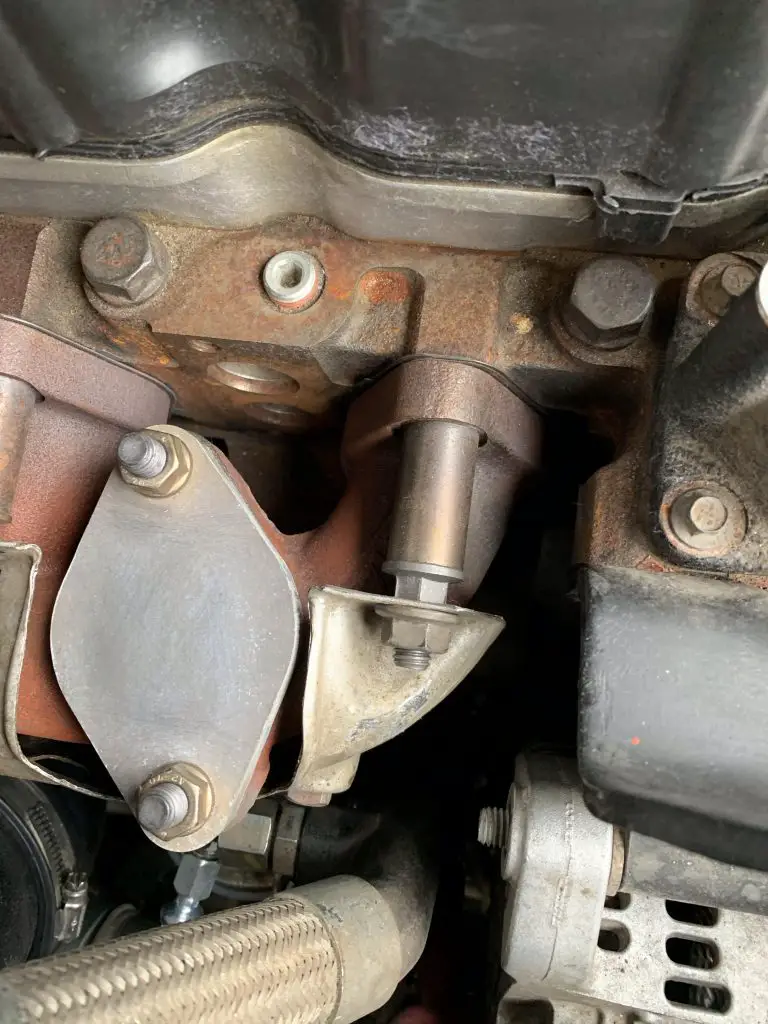
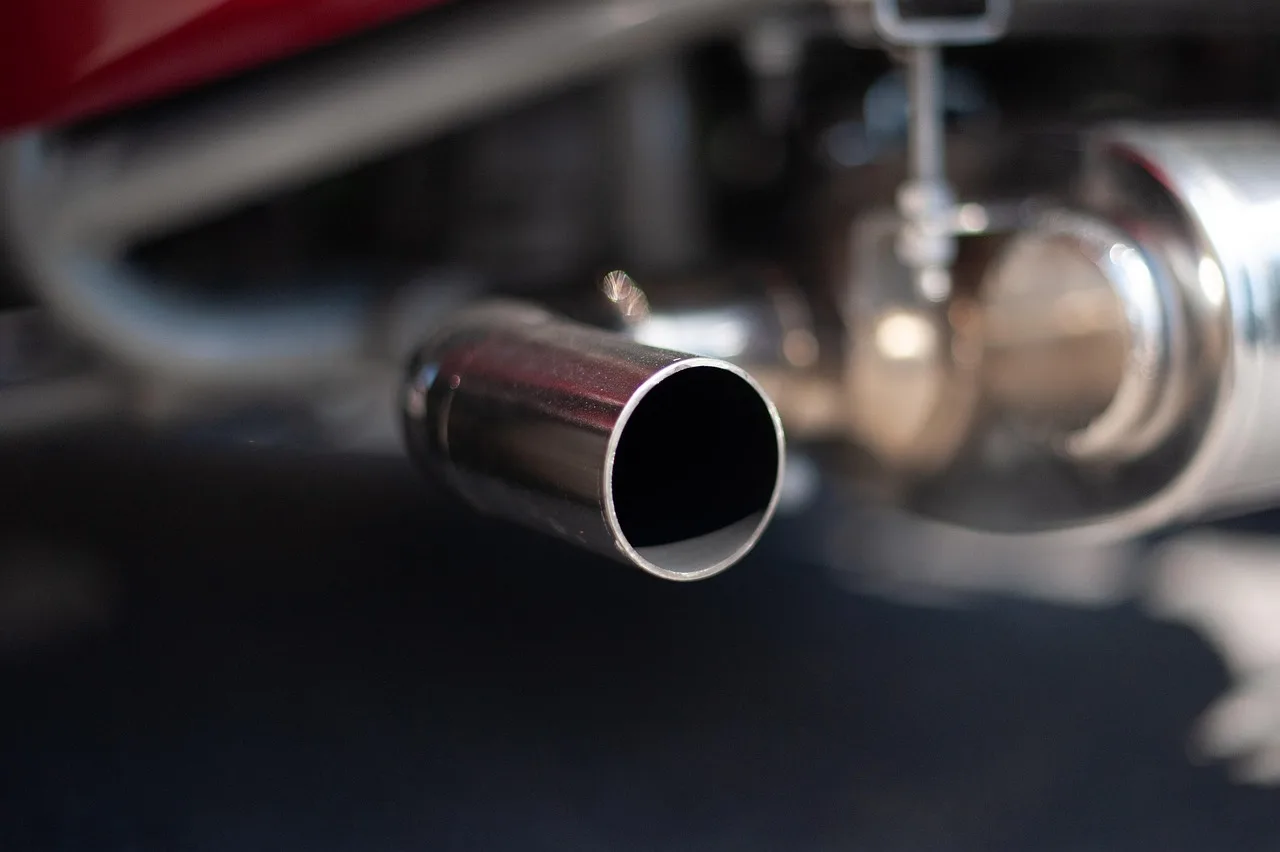
The front pipe sits closest to the engine and often includes flanges, a flex joint, or oxygen sensor bungs. A mid-pipe usually runs under the floorpan and may connect to a resonator. A tailpipe exits near the rear bumper. A flex pipe absorbs engine movement and is a common failure point.
That layout matters because the more parts a section carries, the more a quote can rise. Sensor bungs, flange faces, and heat shields add labor even before rust enters the picture.
Material differences
Aluminized steel is usually the budget choice for replacement pipe work. Stainless steel costs more, but it resists corrosion better in wet or salted climates. Mild steel is less common for replacement sections because it rusts faster and is usually a short-life option if it is used at all. Manufacturer and aftermarket listings commonly price stainless assemblies above aluminized equivalents because of corrosion resistance and longer service life.
OEM-style parts often cost more than aftermarket parts, but the real comparison is fitment. A direct-fit stainless pipe may cost more up front and save labor later if it lines up without cutting or rework.
Why vehicle details change price
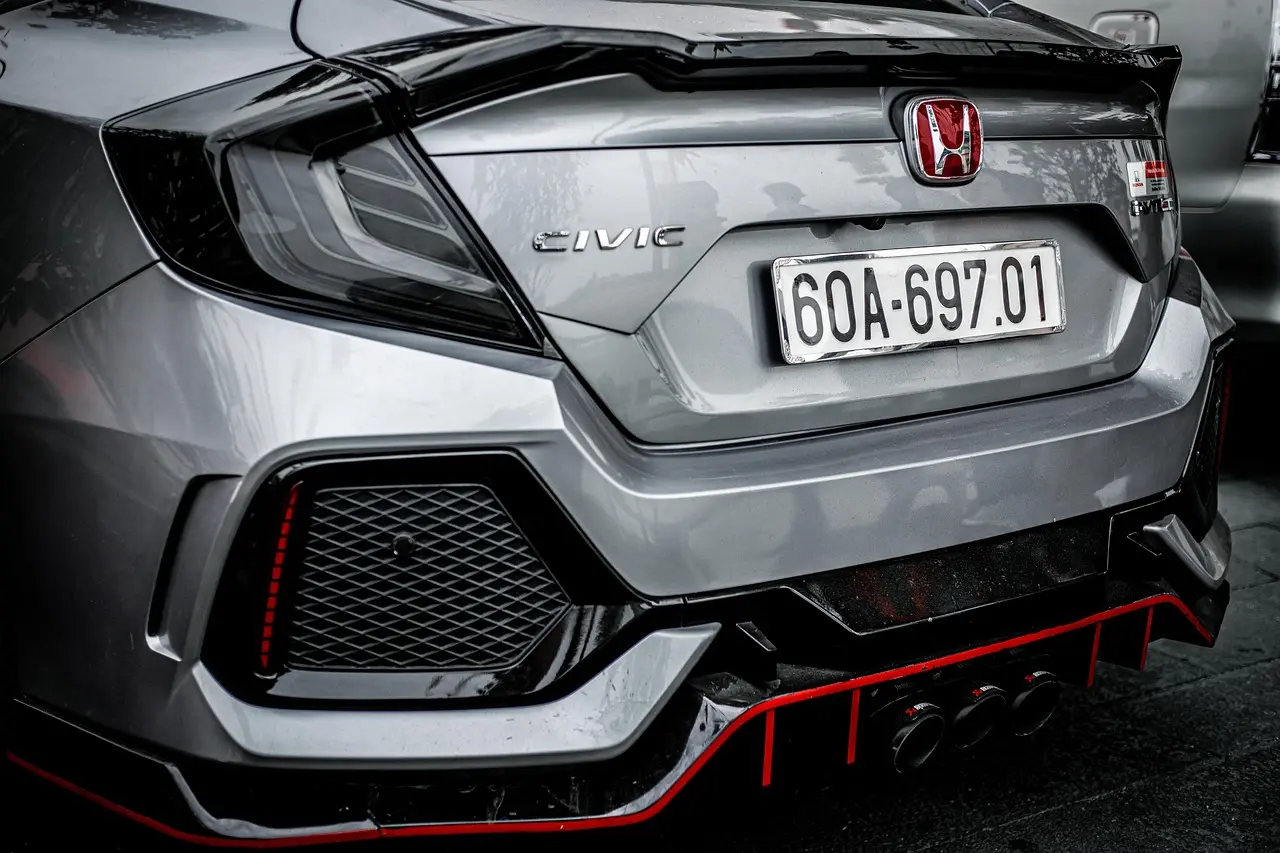
Make, model, year, engine size, and exact pipe routing change the quote because the part may differ by wheelbase, emissions setup, or transmission tunnel shape. A 2012 Honda Civic 1.8L front pipe is not priced like a 2012 Civic Si 2.4L front pipe, and the routing changes the bend count, hanger locations, and sensor bungs.
Rust-belt cars usually cost more to repair because fasteners seize, studs snap, and flanges warp. Dry-climate cars often need less labor, even when the parts price is similar.
What the quote usually includes
A real quote should separate parts from labor. It should also list any gaskets, clamps, hangers, flanges, and shop supplies that the job needs. If the pipe sits near an oxygen sensor, the quote may also include sensor removal, relocation, or connector work.
Parts cost versus labor cost
For a simple bolt-on exhaust section, parts can be a modest share of the bill. For a rusty front pipe or flex pipe, labor can overtake parts quickly because the shop spends time freeing fasteners, cutting old pipe, and fitting the new section to the car. AAA labor-rate guidance and common shop estimates support the idea that hourly labor can become the biggest line item once corrosion enters the job.
Hardware, gaskets, clamps, flanges, and hangers
These small items are easy to miss, yet they affect both cost and noise control. A tired hanger can let a new pipe sag. A crushed gasket can create a leak. A damaged flange can force a weld or a longer replacement section.
Shipping and shop supply charges
Aftermarket parts may come with shipping charges, especially for large direct-fit sections. Shops may also charge for consumables such as cutting discs, weld wire, sealant, or anti-seize. Those charges are not always large, but they belong in the estimate.
Exhaust pipe quote breakdown
The table below shows how a shop quote can split into parts, labor, hardware, and rust-related add-ons. These are realistic planning figures, not a fixed price list, because vehicle fitment and corrosion change the final bill. Labor assumptions here reflect common independent-shop hourly ranges cited by AAA and similar service-rate references, while parts ranges reflect typical catalog pricing differences between aluminized and stainless assemblies.
| Scenario | Parts | Labor hours | Labor cost | Hardware and gaskets | Welding | Rust add-ons | Estimated total |
|---|---|---|---|---|---|---|---|
| Flex pipe repair | $60-$180 | 1.5-3.0 | $180-$480 | $20-$60 | $60-$150 | $0-$200 | $320-$1,070 |
| Single pipe section replacement | $80-$250 | 1.0-2.5 | $120-$400 | $25-$75 | $0-$100 | $0-$180 | $225-$905 |
| Direct-fit OEM-style replacement | $180-$600 | 1.5-3.5 | $180-$560 | $30-$90 | $0-$120 | $0-$250 | $390-$1,620 |
| Full exhaust section replacement | $300-$900 | 2.5-5.0 | $300-$800 | $40-$120 | $50-$200 | $100-$400 | $790-$2,420 |
How much is an exhaust pipe replacement?
An exhaust pipe replacement usually lands between $150 and $800 for a single section, but front pipes and flex-pipe jobs often run higher because they sit in tighter spaces and carry more corrosion risk. Direct-fit parts cost more than universal pipe, while the labor can swing the total just as much as the part itself.
Typical price ranges by pipe section
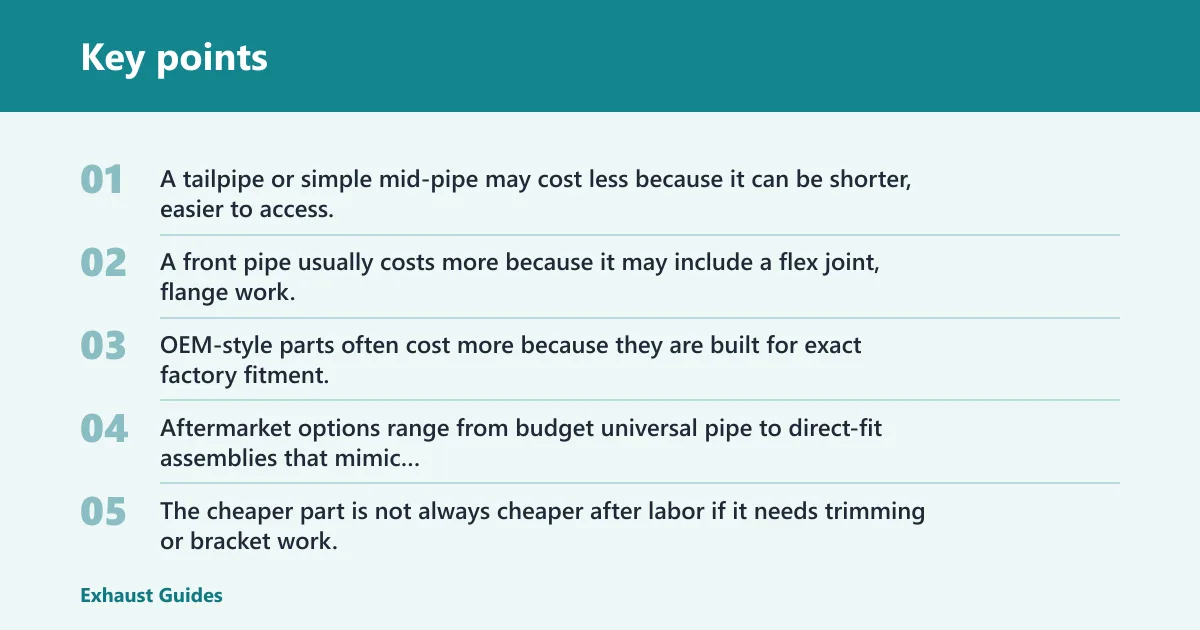
A tailpipe or simple mid-pipe may cost less because it can be shorter, easier to access, and less tied to emissions hardware. A front pipe usually costs more because it may include a flex joint, flange work, or oxygen sensor removal.
OEM versus aftermarket price gaps
OEM-style parts often cost more because they are built for exact factory fitment. Aftermarket options range from budget universal pipe to direct-fit assemblies that mimic the original shape. The cheaper part is not always cheaper after labor if it needs trimming or bracket work.
Direct-fit versus universal pipe cost
Direct-fit parts usually save labor because the bends, flanges, and hangers are already in the right place. Universal pipe can be less expensive as a part, but it may need cutting, bending, welding, and sensor bung work before it matches the vehicle.
Say your 2012 compact sedan needs a mid-pipe near the resonator. A direct-fit section may cost more up front, but the quote can still come in lower than a universal pipe that needs extra welding and hanger correction.
How much is an exhaust flex pipe?
An exhaust flex pipe often costs $150 to $600 for a repair and can exceed that if the surrounding pipe, flange, or sensor area is damaged. It fails often because engine movement, heat cycling, and road salt fatigue the braid or the welded ends.
Why flex pipes fail
The flex section sees repeated movement every time the engine rocks under load. Salt and moisture can attack the outer braid or the welds at each end. Once a crack opens, exhaust leaks can show up as noise, smell, or a light rattle under acceleration.
Weld-in repair versus full section replacement
A weld-in repair makes sense when the rest of the pipe is sound and the failure is limited to the flex section. Full section replacement is often better when the pipe is thin, the flange is rusted, or the surrounding metal will not hold a clean weld for long.
When sensor or flange work adds labor
If the flex pipe sits near an oxygen sensor, the shop may need extra time to remove the sensor safely or reroute the section around it. If the flange is warped or the bolts are seized, labor time rises fast because the repair shifts from simple welding to fabrication.
Repair or replace the pipe?
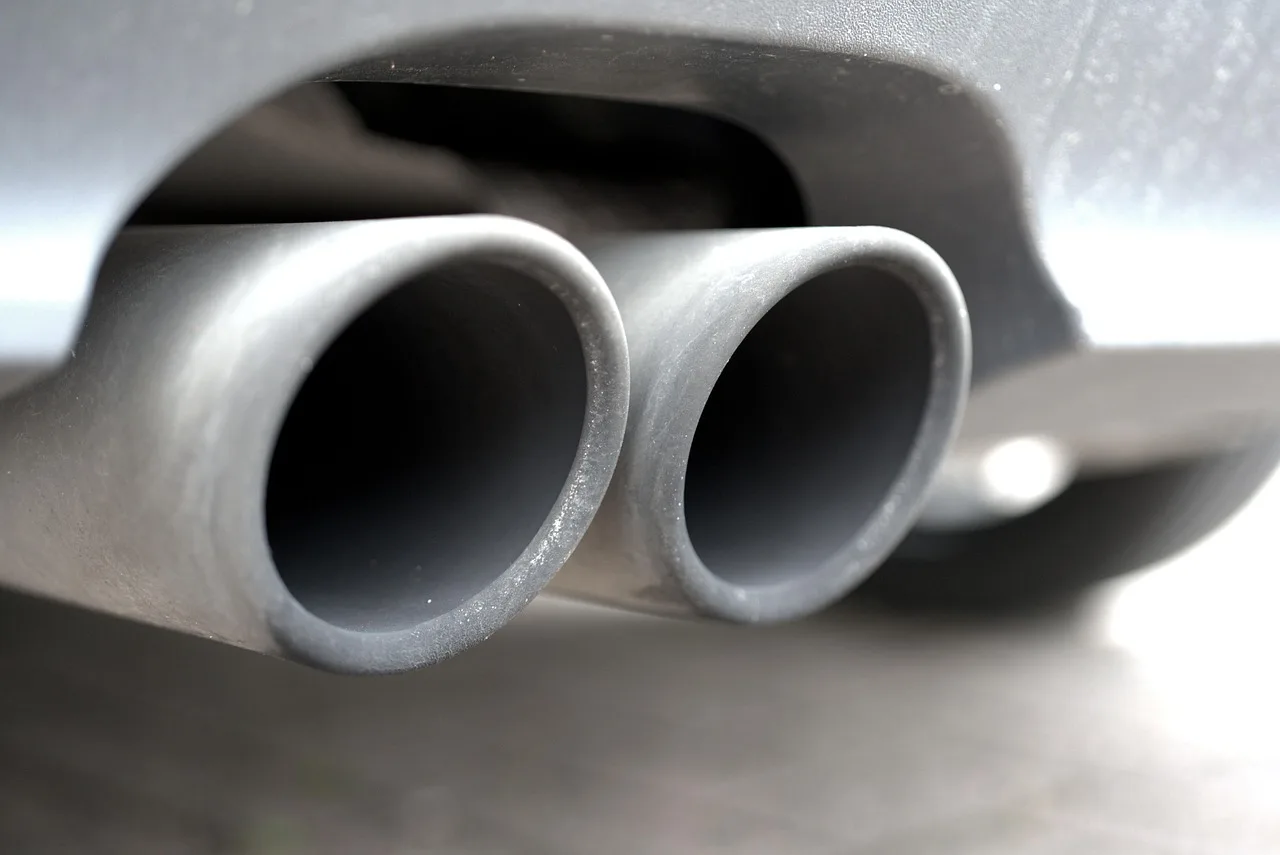
Repair is cheaper when the damage is small, the surrounding metal is still healthy, and the shop can make a clean weld without chasing rust. Replace the section when the pipe is thin, cracked in more than one spot, or missing enough structure that a patch would be short-lived.
When a weld patch makes sense
A weld patch can work for a small crack in a mid-pipe, a pinhole near a hanger, or a flex pipe that failed only at the braid. That choice is best when the rest of the system still has useful life and the repair area can be sealed without chasing corrosion.
When rust or cracking means replacement
If a pipe has heavy scaling, holes near a flange, or broken studs, replacement usually makes more sense than patching. Rust spreads beyond the visible hole, so a small repair can fail again soon after the first heat cycle.
A common first-timer mistake is asking for a patch price without checking the rest of the section. A 6-inch crack on a southern car can be a quick weld job, while the same crack on a rust-belt car can reveal thin metal and broken hardware that turn the repair into a replacement.
How rust-belt damage changes the bill
In salted regions, a shop may spend more time on penetrating oil, cutting tools, and broken fasteners than on the new pipe itself. That is why two quotes for the same part can differ by hundreds of dollars when one vehicle is heavily corroded and the other is not.
How much does exhaust labor add?
Exhaust labor is commonly reported at a shop hourly rate of about $90 to $160, though dealer rates can be higher. A bolt-on rear section may need one hour or less, while a rusty front pipe with broken studs can take several hours and push the total sharply upward. This aligns with widely published repair-rate guidance from service organizations and dealer labor pricing patterns.
Typical shop hourly labor rates
Independent exhaust and muffler shops often price labor lower than dealerships, but the final bill still depends on the time needed. Even a modest rate adds up once the job includes inspection, disassembly, fitment checks, welding, and leak testing.
Weld time versus bolt-on time
Bolt-on jobs are usually faster because the pipe unbolts and the new one lines up with the same points. Welded repairs take more setup time, especially when the old pipe has to be cut out and the new section centered to avoid exhaust contact with the body.
Seized fasteners, broken studs, and rusted flanges
These are the hidden cost drivers. A seized bolt can add an hour before the new part even comes out of the box. Broken studs may require drilling, rethreading, or flange replacement, all of which can turn a simple pipe job into a larger fabrication bill.
What about a full exhaust system?
An exhaust pipe price is not the same as a full exhaust system price. A cat-back, axle-back, or full system replacement covers more pipe, more joints, and more labor. That broader job can move from hundreds of dollars into the low thousands, depending on the vehicle and parts tier.
Cat-back, axle-back, and full system terms
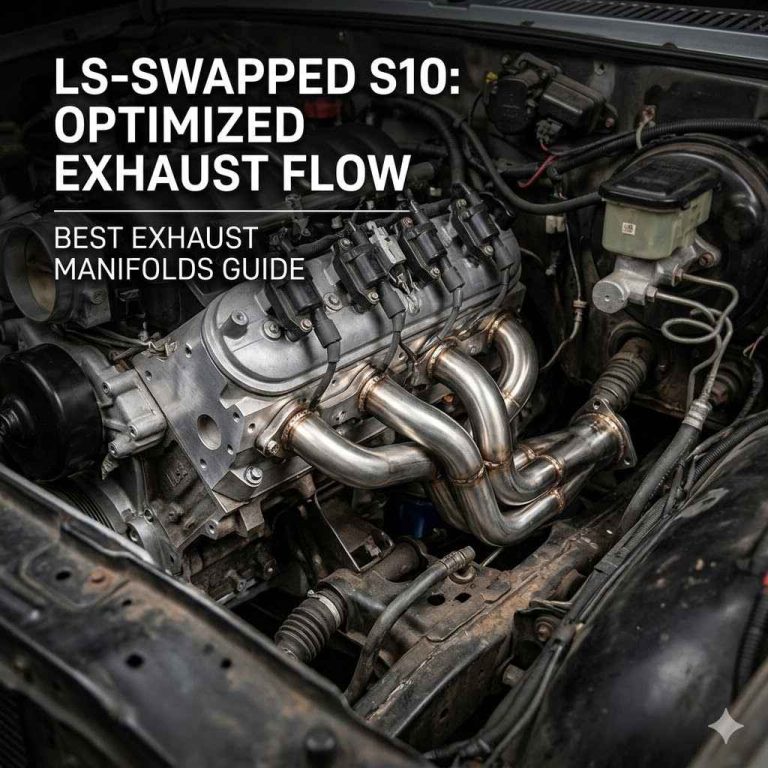
An axle-back usually covers the rear section after the axle. A cat-back starts behind the catalytic converter and includes more piping. A full system can extend from the exhaust manifold or front pipe all the way to the tailpipe, which is why it costs much more than one pipe section.
Partial repair versus full replacement
Most pipe failures do not require a full exhaust system. If only one section is rusted out or cracked, replacing that section is usually the better value. Full replacement makes sense when the corrosion is spread across multiple sections or the vehicle has repeated exhaust leaks.
Frequently asked questions
How much is an exhaust pipe for a car?
For a car, the part alone can range from under $100 for a basic universal section to several hundred dollars for a direct-fit OEM-style pipe. The final quote rises once labor, shipping, hangers, gaskets, and sensor-related work are added.
How much is an exhaust pipe repair?
Exhaust pipe repair can run from about $150 to $600 when the damage is limited and the pipe can be welded. If the pipe is rusted, cracked near a flange, or tied to a flex section, replacement may cost less than repeated repair attempts.
How much does it cost to get a new exhaust pipe?
A new exhaust pipe often costs $150 to $800 installed for a single section, but the spread is wide because front, mid, and tail sections are priced differently. Stainless direct-fit parts cost more than universal mild-steel pieces, and labor can equal or exceed the part cost.
How big is an exhaust pipe?
Most passenger vehicles are commonly reported to use exhaust pipe diameters somewhere around 1.75 to 3 inches, though the exact size varies by engine output and factory design. Fitment matters more than a generic size, because the bends, flanges, and hanger locations must match the vehicle.