How Vance & Hines Exhaust Sounds: Essential Harley Guide
Vance & Hines exhaust for Harley-Davidson offers a variety of deep, rumbling, and aggressive sounds, depending on the specific model and your bike’s configuration. From a throaty bark to a powerful roar, these exhausts enhance the iconic Harley sound, making your ride more thrilling.
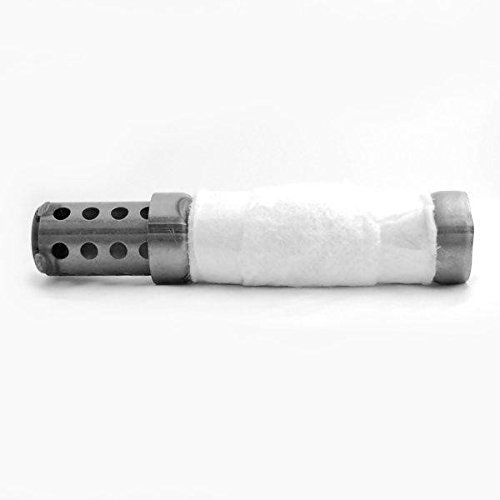
Vance & Hines
Vance & Hines Quiet Baffle for Big…
- Replace the excessive bulk and weight of the stock system and substantially increase horsepower and torque
- Utilize the exclusive Vance Hines Power Chamber
- The Power Chamber is a unique crossover system that offers all the performance advantages of a 2 into 1 race system yet retains th…
As an Amazon Associate I earn from qualifying purchases.
Owning a Harley-Davidson is about more than just the ride; it’s about the feeling, the freedom, and, of course, the sound. When you think about upgrading your iconic motorcycle, the exhaust system is often the first thing on the list. And when it comes to exhaust systems for Harley-Davidson, Vance & Hines is a name that immediately comes to mind. But what exactly does a Vance & Hines exhaust sound like on a Harley? It’s a question many riders grapple with, trying to find that perfect, soul-stirring rumble. Don’t worry, I’m here to guide you. We’ll break down the different sounds, what influences them, and how to choose the right one for your machine, making sure you get that legendary Harley growl you’re after.
Understanding Harley-Davidson Exhaust Notes
Before we dive into Vance & Hines specifically, it’s helpful to understand what makes a motorcycle exhaust sound the way it does. Think of your exhaust as the voice of your Harley. Several factors contribute to its unique tone and volume:
- Engine Size and Type: Harleys are known for their V-twin engines. The iconic “potato-potato” sound comes from the firing order and the large displacement of these engines, especially the Twin Cam and Milwaukee-Eight generations.
- Exhaust Material: The materials used (like steel, stainless steel, or ceramic coatings) can subtly affect resonance and heat retention, which in turn influences sound.
- Muffler Design: This is a big one! A muffler’s internal baffling, length, diameter, and whether it’s a straight-through design or has chambers all play a massive role in shaping the sound.
- Length of the Pipes: Longer pipes tend to produce a deeper, more resonant sound, while shorter pipes can sound more crackly or aggressive.
- Exhaust Port Size: The diameter of the pipe leaving the engine cylinder impacts exhaust gas velocity, which can affect the overall tone.
- Bike’s Tuning: A well-tuned engine with the right air-fuel mixture will sound cleaner and more robust than one that’s running lean or rich.

The Iconic Vance & Hines Sound Profile
Vance & Hines has spent decades perfecting aftermarket exhausts, and they’ve become synonymous with that sought-after Harley rumble. Their exhausts are generally designed to amplify the natural V-twin sound, making it deeper, louder, and more distinct. While the exact sound varies greatly between their product lines, you can expect a few common characteristics:
- Deep Rumble: This is often the hallmark of a Vance & Hines exhaust. The sound is typically low-pitched, resonating with the power of the V-twin engine.
- Aggressive Tone: Many Vance & Hines systems offer a more aggressive, authoritative sound than stock exhausts. It’s a sound that commands attention and lets other road users know you’re coming.
- Throaty Bark: Under acceleration, especially with performance-oriented models, the sound can transform into a satisfying, throaty bark that’s both exhilarating and distinct.
- Volume Control: Vance & Hines offers a range of volumes, from street-legal quiet to impressively loud. Many systems also come with optional baffles or inserts to fine-tune the sound level to your preference.
Popular Vance & Hines Exhaust Lines and Their Sounds
Vance & Hines categorizes its exhausts into different lines, each designed with a specific sound and performance goal in mind. Understanding these lines is key to choosing how your Harley will sound.
1. Vance & Hines Big Radius 2-Into-2
The Big Radius line is one of Vance & Hines’ most iconic. It’s instantly recognizable by its radical, sweeping pipes that hug the bike. These are designed for a bold statement visually and audibly.
- Sound: Expect a deep, resonant rumble with a distinctive growl on acceleration. It’s often described as a powerful, throaty sound that’s more aggressive than stock but usually remains manageable for street riding. The large diameter and specific bend contribute to a richer, lower-frequency tone.
- Best For: Riders who want a classic, aggressive look and a sound that matches. They are popular on cruisers and custom builds.
2. Vance & Hines Shortshots Staggered
The Shortshots Staggered are another incredibly popular line, known for their aggressive styling and bark. These pipes are much shorter and have a staggered finish, meaning they exit at different lengths.
- Sound: These pipes are famous for their loud, sharp, crackly bark. When you twist the throttle, they unleash a surprisingly aggressive and attention-grabbing sound that’s a significant step up from stock. They are significantly louder than the Big Radius.
- Best For: Riders seeking a loud, aggressive, and attention-grabbing exhaust note. They work well on Sportster models, Dynas, and Softails, often paired with a more minimalist or performance-oriented aesthetic.
3. Vance & Hines Hi-Output (Gregorie, Grenade, Russell)
The Hi-Output series is designed for maximum performance and a commanding sound. These systems often feature larger diameter mufflers and specific internal designs to optimize exhaust flow and sound.
- Sound: These systems deliver a deep, powerful, and often very loud roar. The sound is less about crackle and more about a sustained, authoritative tone that’s designed to be heard. They are engineered to offer a significant sound upgrade and performance benefit.
- Best For: Riders who prioritize performance and a bold, deep, loud sound. These are often chosen for newer Milwaukee-Eight models where maximizing exhaust flow is crucial. Check out their official Vance & Hines exhaust systems page to see the latest Hi-Output offerings.
4. Vance & Hines Power Duals and Header Pipes
While not mufflers themselves, Vance & Hines’ header pipes and Power Duals systems are the foundation for a bike’s exhaust sound. They manage the initial exhaust gas flow from the engine before it reaches the mufflers.
- Sound: A performance header system like Power Duals can contribute to a deeper, richer tone and a more aggressive sound profile in conjunction with the chosen mufflers. They open up the exhaust flow, allowing the engine to breathe and sound more freely.
- Best For: Riders looking to build a complete custom exhaust system or seeking performance gains. These are often paired with Vance & Hines slip-on mufflers.
5. Vance & Hines Quiet Baffles
For riders who find their chosen Vance & Hines system a bit too loud for their taste or local regulations, the company offers quiet baffles as an accessory.
- Sound: Installing quiet baffles will significantly reduce the overall volume of the exhaust, toning down the aggressive bark and making it more of a deep rumble. The character of the sound changes, becoming less raw and more subdued.
- Best For: Riders who want the Vance & Hines look and improved performance but need to keep the noise levels down, or for long-distance touring where excessive noise can be fatiguing.
Factors Influencing Vance & Hines Sound on Your Harley
It’s crucial to remember that the exact sound of a Vance & Hines exhaust on your Harley-Davidson won’t be identical to another rider’s. Here’s why:
Bike Model and Engine: A Vance & Hines exhaust on a Sportster will sound different than the same system on a Road King. Engine displacement, the number of cylinders, and the specific engine architecture (e.g., Twin Cam vs. Milwaukee-Eight) all play a role.
Other Modifications: If you’ve upgraded your air intake, installed performance cams, or tuned your engine’s fuel injection (ECU tuning), these changes will significantly impact how the exhaust sounds, usually making it deeper and louder.
Installation Quality: Proper installation ensures no leaks, which are a major cause of unwanted popping, hissing, or a duller sound. A good seal is vital for the designed sound profile.
Break-in Period: New exhaust systems, especially those with packing material or specific internal designs, can sometimes sound a bit different when they are new compared to after a few hundred miles when the packing material beds in and the pipes develop some heat coloration.
Stock vs. Full System: Installing just a slip-on muffler (which replaces only the outer shell) will yield a different sound than a full system (which replaces headers and mufflers). Full systems generally offer a more significant sound and performance change.
Comparing Vance & Hines Sound to Stock Exhausts
Let’s compare how Vance & Hines systems typically stack up against the factory exhaust on most Harley-Davidsons.
| Exhaust Type | Typical Sound Description | Volume Level | Aggressiveness | Performance Impact |
|---|---|---|---|---|
| Stock Harley Exhaust | Muted, relatively quiet, lacks character, sometimes described as “canned.” | Low | Low | Designed for compliance and broad appeal, not maximum performance. |
| Vance & Hines (General) | Deep rumble, throaty growl, aggressive bark on acceleration. Amplifies V-twin character. | Medium to High (depending on model and baffles) | Medium to High | Often allows for better exhaust flow, potentially improving performance when paired with other upgrades. |
| Vance & Hines Shortshots Staggered | Loud, sharp, aggressive, crackly bark. Very attention-grabbing. | High | High | Significant sound and performance upgrade. |
| Vance & Hines Big Radius | Deep, resonant rumble with a strong growl. Distinctive and powerful. | Medium-High | Medium-High | Good balance of sound, style, and performance. |
| Vance & Hines Hi-Output | Deep, loud, authoritative roar. Smooth but powerful tone. | Very High | Very High | Designed for maximum performance and sound. |
How to Choose the Right Vance & Hines Sound
Picking the perfect sound can feel like a big decision, especially since sound is subjective. Here are some tips to help you make the right choice:
- Listen to Videos: The most effective way is to search for sound clips of the specific Vance & Hines exhaust model you’re interested in, fitted to a Harley-Davidson model similar to yours. YouTube is an excellent resource. Look for videos that are well-recorded and ideally include the bike idling, accelerating gently, and under full throttle.
- Consider Your Riding Style:
- Cruising: If you enjoy longer rides and a more relaxed pace, a deeper, less aggressive rumble like the Big Radius might be ideal.
- Aggressive Riding/Performance: If you want a loud, attitude-filled sound that announces your presence, Shortshots Staggered or Hi-Output systems are worth considering.
- Commuting/Touring: If you ride in varied environments or have close neighbors, you might lean towards systems with optional quiet baffles or those known for a more controlled sound.
- Check Local Regulations: Be aware of noise ordinances in your area. Some states or municipalities have strict decibel limits for motorcycle exhaust systems. Vance & Hines generally offers C.A.R.B. compliant (California Air Resources Board) or EPA-endorsed options, which are designed to meet emissions and noise standards. These typically have a deeper, less overtly aggressive sound. You can often find this information on the California Air Resources Board website for aftermarket exhaust certifications.
- Think About Aesthetics: While this guide focuses on sound, the visual appeal of Vance & Hines exhausts is a huge part of their draw. The styling often complements the sound profile they produce. Big Radius looks classic and sounds deep; Shortshots look aggressive and sound barky.
- Read Reviews and Forums: Other Harley riders are a wealth of knowledge. Websites dedicated to Harley-Davidsons, like forums and enthusiast blogs, often have detailed discussions about exhaust sounds, pros, cons, and rider experiences.
Installation and Maintenance
While this guide focuses on sound, a brief note on installation and maintenance is important for achieving and maintaining that perfect Vance & Hines tone:
Installation Basics
- Tools: You’ll typically need metric and/or standard socket sets, wrenches, possibly a torque wrench, penetrating oil for removing old pipes, and a new gasket set for the header pipes where they meet the engine.
- Step-by-Step (General):
- Ensure the bike is cool and on a stable stand.
- Carefully unbolt the old mufflers and/or header pipes.
- Clean the mounting surfaces and exhaust ports.
- Install new gaskets.
- Mount the new Vance & Hines system according to the manufacturer’s instructions, tightening bolts progressively and evenly.
- For full systems, connect any O2 sensors and torque all fasteners to specification.
- Professional Help: If you’re not comfortable working with tools or on your motorcycle, it’s always best to have a qualified mechanic install your new exhaust. Improper installation can lead to leaks, poor performance, and a compromised sound.
Maintenance for Longevity and Sound Quality
- Regular Inspection: Periodically check for exhaust leaks, loose clamps, or signs of rust and damage.
- Cleaning: Keep your pipes clean to maintain their appearance and prevent buildup that could potentially affect heat and sound over time. Chrome pipes can be polished, while black finishes may require specific cleaners to avoid damage.
- Baffle Maintenance: If your system uses removable baffles or packing material, check them periodically. Degraded packing material can affect the sound and might need replacement.
For more detailed installation guides, always refer to the specific instructions provided by Vance & Hines with your chosen exhaust system.

Frequently Asked Questions about Vance & Hines Exhaust Sounds for Harley-Davidson
Q: Will a Vance & Hines exhaust make my Harley sound like Joe Rogan’s bike audio clips?
A: Vance & Hines exhausts are known for their deep, impressive sounds, but the exact tone depends heavily on your specific Harley model, engine, and any other modifications you have. While they aim for that iconic, powerful V-twin sound, replicating a specific clip exactly can be challenging.
Q: Is a full Vance & Hines exhaust system necessary for a better sound, or will slip-ons do?
A: Slip-on mufflers (which replace only the outer cover) will definitely change and improve the sound from your stock exhaust, usually making it louder and deeper. However, a full system (replacing headers and mufflers) typically offers the most significant change in both sound and performance because it optimizes exhaust flow from the engine itself.
Q: How loud is a Vance & Hines exhaust typically?
A: This varies greatly by model. Shortshots Staggered are known for being very loud and aggressive. Big Radius are deep but generally not as piercingly loud. Hi-Output systems are designed for significant volume and authority. Vance & Hines offers options, and many come with baffles to adjust the loudness.
Q: Can Vance & Hines exhausts be too loud?
A: Yes, some models can be quite loud and might exceed local noise regulations or personal comfort levels for extended riding. If you are concerned about loudness, look for systems explicitly mentioning quieter options, or consider purchasing quiet baffles separately.
Q: How does a Vance & Hines exhaust sound on a Milwaukee-Eight engine versus a Twin Cam?
A: Milwaukee-Eight engines generally have a slightly different sound profile than Twin Cams, often perceived as smoother but can still produce a very deep and powerful sound with aftermarket pipes. Vance & Hines offers specific lines designed for Milwaukee-Eight that capitalize on its unique characteristics, often resulting in a deep, powerful roar that’s distinct from the typical Twin Cam rumble.
Q: Will a Vance & Hines exhaust affect my Harley’s performance?
A: Generally, yes. Most aftermarket exhausts like Vance & Hines are designed to improve exhaust flow, which can lead to modest performance gains, especially when paired with a high-flow air intake and an ECU tune. They allow the engine to “breathe” better.
Related pick: Check today's price on Amazon