Do Not Heat Tape Titanium Exhaust Pipes: Essential Guide
You should absolutely not use traditional heat tape or wraps on titanium exhaust pipes. Titanium is naturally thin, strong, and highly resistant to extreme heat compared to stainless steel, meaning excessive wrapping can trap internal heat, leading to overheating, premature failure of surrounding components, and negative performance impacts.
Hello there! I’m Monowar Shohag, and I know diving into exhaust work can feel confusing, especially when you start dealing with high-tech materials like titanium. You might have heard about using insulating wraps or heat tape on traditional steel exhausts to keep heat away from the car body. This seems smart, right? But when it comes to modern titanium pipes, the rules change completely. Using the wrong insulation can actually cause more harm than good! Worry not; this guide is here to clear up the confusion. We will walk through exactly why standard heat taping is a big “no-no” for titanium and what smart alternatives you should use instead. Let’s get your titanium looking great and running perfectly safely!
Why Titanium Is Different From Standard Exhaust Metals
Understanding titanium’s unique properties is the key to knowing why heat wrapping is usually a bad idea. Most factory or aftermarket exhausts are made from stainless steel. Titanium is a premium material often chosen for high-performance or custom builds because of what it offers.
The Strength and Weight Advantage
Titanium is famously lightweight. This amazing weight savings is a huge draw for racers and enthusiasts wanting to shave pounds off their vehicle. It’s also incredibly strong for its weight.
Titanium’s Natural Heat Resistance
This is the most important part. Titanium has a naturally much higher melting point and heat tolerance than standard 304 or 409 stainless steel.
It handles higher operating temperatures without structural compromise.
It cools down faster than thicker, denser steel pipes.
Because it handles heat so well naturally, it often doesn’t need the extra help that steel requires.
The Dangers of Heat Taping Titanium Exhaust Pipes
When you apply heavy layers of conventional fiberglass heat tape (often called exhaust wrap) to titanium, you interfere with the way the metal manages heat. This interference creates several serious problems.
Trapped Heat and Overheating Risks
Titanium is designed to shed heat efficiently into the surrounding air. When you wrap it tightly, you trap that intense heat right against the pipe surface.
1. Internal Stress: Keeping the metal hotter for longer increases thermal cycling—the heating up and cooling down process. This constant stress can eventually lead to microscopic cracks, especially around welds.
2. Component Damage: The trapped heat doesn’t just stay in the pipe. It radiates outward extremely effectively, raising the temperature of nearby vital components. This includes sensitive wiring harnesses, rubber hoses, fuel lines, and even nearby suspension bushings. These parts are not designed to handle the extra, concentrated heat.
Corrosion and Discoloration Issues
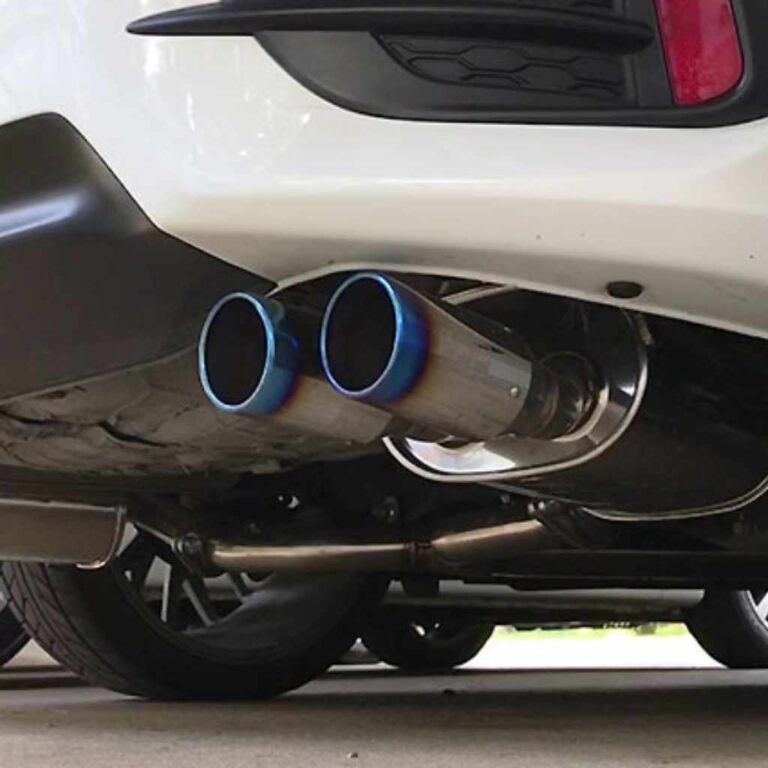
Titanium changes color dramatically as it gets hot—this is often seen as a desirable aesthetic feature (going from silver to gold, bronze, or blue). However, how it changes color is directly related to its surface temperature.
If you use traditional fiberglass wraps:
They often hold moisture against the titanium surface.
This moisture, when heated repeatedly, can accelerate surface corrosion or etching, affecting the unique finish you might be trying to preserve.
Furthermore, the wrap itself can decompose or leave behind residues when exposed to the extreme internal temperatures of a titanium system, which can then stain the metal underneath permanently.
Impact on Performance
While some believe wrapping keeps exhaust gases hotter (which speeds flow), over-insulating titanium can cause issues with sensors and overall engine tuning. Modern engines rely on precise readings from oxygen sensors located in the exhaust stream. Overheating the area around these sensors can cause them to read incorrectly, potentially leaning out your fuel mixture or causing the Engine Control Unit (ECU) to throw error codes.
When to Consider Insulation and Appropriate Alternatives
Since standard wrapping is risky, what should you do if you genuinely have clearance issues or need specific heat reflection? There are much better, newer technologies designed for the unique demands of high-end materials.
Understanding the Need for Heat Management
You generally only need to manage heat if:
Your titanium pipe closely hugs a sensitive vehicle chassis component at a very tight gap (less than one inch).
You are running race fuel or extremely high boost setups where under-hood temperatures are significantly higher than stock.
Superior Alternatives to Standard Heat Tape
Instead of trapping heat on the pipe, modern solutions focus on reflecting heat away from nearby objects. This is often called a “heat shield” approach, not an “insulation wrap” approach.
| Alternative Method | Description | Best For | Caveats |
|---|---|---|---|
| Ceramic Fiber Blankets / Shields | Dense, non-wrapping materials placed with an air gap to reflect heat away from the pipe. | Protecting nearby wiring, hoses, or underbody components. | Must maintain an air gap; usually needs custom brackets. |
| Titanium Heat Sleeves | Woven titanium or high-temp silica sleeves used on specific lines or wires. | Protecting spark plug wires, sensor leads, small critical components. | Does not cover the full exhaust pipe. |
| High-Temperature Radiant Shields | Thin polished metal sheets (stainless or aluminum) mounted slightly away from the pipe. | Shielding floor pans, plastic panels, or large surfaces from radiant heat. | Requires proper mounting hardware, often professional install. |
Using Ceramic Sleeving Safely
If you absolutely must protect wires or hoses near the manifold section of your titanium exhaust, opt for high-grade ceramic sleeving designed to handle high temperatures without trapping moisture or physically touching the pipe heavily. Check out resources detailing proper radiant barrier installation, such as those provided by reputable automotive engineering bodies, to ensure you maintain vital airflow around barriers. (Engineering Toolbox on Heat Transfer Principles)
Step-by-Step Inspection and Maintenance for Titanium
Since adding external wraps is generally discouraged, your maintenance strategy shifts to regular visual inspection and proper cleaning to maintain titanium’s structural integrity and finish.
Tools You Might Need for Inspection
You don’t need heavy tools for general titanium care, just good visibility and cleaning supplies.
- A bright LED flashlight (to see under tight spots).
- A clean, soft microfiber cloth.
- Mild, pH-neutral soap and water or specialized titanium/stainless steel cleaner.
- Gloves (nitrile or light work gloves to keep oils off the pipe).
The Visual Inspection Process
Perform this check at least twice a year, preferably when the pipe is completely cool.
1. Check for Loose Clamps or Hangers: Gently wiggle the exhaust system. Listen for rattling or feel for excessive movement. Loose hangers can cause pipes to bang against the chassis, leading to cracks over time—something a wrap would hide until it was too late.
2. Inspect Weld Seams: Look very closely at all welded areas, especially near bends and where the pipes connect to collectors or flanges. Check for hairline cracks, which often appear as small, dark lines.
3. Examine Mounting Points: Ensure all bolts securing the exhaust system to the engine block or chassis mounts are tight and free from stretching or distortion.
4. Look for Abnormal Discoloration: While color change is normal, look for patches that look excessively burnt, pitted, or suddenly dull gray where the pipe should be bright or beautifully blue/gold. This might indicate excessive internal heat or localized stress spots.
Cleaning and Preserving the Finish
A clean titanium surface helps maintain its natural heat shedding ability and prevents surface contamination.
1. Cool Down: Ensure the entire exhaust system is completely cool to the touch (this can take hours after a long drive).
2. Gentle Wash: Use a bucket of lukewarm water mixed with a very small amount of mild, non-abrasive soap. Avoid harsh degreasers or alkaline cleaners.
3. Wipe Carefully: Dip your microfiber cloth in the solution and gently wipe down the visible sections of the pipe. Do not use abrasive pads or steel wool!
4. Rinse Thoroughly: Rinse the soap off using clean water. Never let soap residue dry on the surface.
5. Dry Immediately: Use a separate, dry microfiber towel to dry the pipes completely. Standing water can leave mineral deposits.
Understanding the Titanium Color Chart
One of the most fascinating aspects of owning a titanium exhaust is watching it change color as it heats up. This color transformation is directly related to the oxide layer forming on the surface due to heat exposure and is a key indicator of how the system is performing thermally.
What the Colors Mean Thermally
The color shift happens because heating titanium causes a thin layer of titanium dioxide to form on the surface. The thickness of this layer determines the color we see—this is structural interference, similar to how oil slicks show different colors.
| Observed Color | Approximate Temperature Range (Fahrenheit) | Interpretation |
| :— | :— | :— |
| Straw Yellow / Light Gold | 500°F – 700°F | Normal cruising temperatures. |
| Bronze / Brown | 700°F – 900°F | Hard driving or slightly elevated steady state. |
| Dark Blue / Purple | 900°F – 1100°F | High performance or spirited driving temperatures. |
| Light Blue / White Ash | 1100°F + | Extremely high, sustained temperature, often near the collector/manifold. |
If your system stays deep blue or white perpetually, that is a sign you might be running excessively rich or that your engine tune is causing very high exhaust gas temperatures (EGTs), which warrants an engine performance check. These temperatures are manageable for titanium, but consistent overheating could stress adjacent systems. For more detailed engineering context on high-temperature metal oxidation, you can review studies from materials science departments, such as those found on educational research repositories.
Maintaining the Look Safely
The beautiful patina of a heated titanium pipe is achieved by letting it breathe and cool naturally. Wrapping it prevents this natural oxidation process from occurring evenly, leading to patchy, uneven coloring underneath the insulation, which defeats the purpose for many owners.
Quick Troubleshooting: Common Myths Debunked
Lots of old advice from the world of stainless steel trickles down to titanium discussions. Let’s clear up a few common myths about heat management for your specific metal.
Myth 1: Titanium Needs Extra Insulation to Prevent Burning Through the Floor
Fact Check: While heat shielding is sometimes necessary for tight clearances, titanium does not itself cause floor pan burns any faster than steel. In fact, because it runs slightly cooler once past the engine bay due to its lighter construction, it often poses less of a long-term radiant heat concern than heavy steel. The key is ensuring proper ground clearance and using dedicated radiant shields if the gap is too small for safe airflow.
Myth 2: Wrapping Improves Horsepower Significantly
Fact Check: Wrapping any exhaust tends to slightly increase gas speed by retaining heat immediately after the cylinder head, which can improve scavenging slightly. However, this benefit is minor on modern, perfectly tuned cars. For titanium, the risk of heat trapping and damaging sensors or nearby wiring far outweighs this marginal performance gain, especially if it forces you to maintain the wrap poorly.
Myth 3: All Wraps Are the Same
Fact Check: Absolutely not. Traditional fiberglass wraps hold moisture and break down over time. If you ever use any form of physical covering near a hot titanium pipe (and only if absolutely necessary for clearance), you must use specialty ceramic sleeves or blankets specifically rated for titanium components, which are usually designed to shield without fully encasing the pipe wall.
Comparing Material Handling: Steel vs. Titanium
To really drive home why the rules are different, let’s look at how we treat the more common stainless steel exhaust systems.
Maintenance Differences Table
| Feature | Stainless Steel Exhaust (e.g., 304 SS) | Titanium Exhaust (e.g., Ti-6Al-4V) |
| :— | :— | :— |
| Natural Heat Handling | Good, but susceptible to extreme surface heat buildup. | Excellent; much higher tolerance, dissipates heat faster relatively. |
| Typical Wrapping Need | Often recommended near sensitive areas to prevent component burnout. | Generally advised against due to heat trapping risks. |
| Color Change | Minimal color variation until very high temperatures (can rust/discolor). | Significant, desirable color changes (gold, blue, purple) based on temperature. |
| Primary Risk of Wrapping | Reduced lifespan due to corrosion under the wrap. | Overheating surrounding components and potentially stressing weld joints. |
| Cleaning Focus | Removing road grime and surface rust potential. | Preserving the natural oxide layer and avoiding strong chemicals. |
As you can see, the goals are different. With steel, we wrap to protect the pipe itself from heat or to protect the car* from the pipe’s heat. With titanium, we rely on the pipe’s inherent strength and focus only on shielding external items if clearances are critically low.
FAQ: Beginner Questions About Titanium Exhausts
Q1: My titanium pipe looks dull gray, is that bad?
Not necessarily bad, but it means the pipe is not getting hot enough to produce the beautiful blue and gold colors. This often happens in daily driving situations. It simply means the exhaust is running cooler, which is perfectly safe for the metal itself.
Q2: Can I still use exhaust paint on titanium?
You can technically paint titanium, but it is not recommended. The specialized surface of titanium resists paint adhesion much better than steel. Any paint applied will likely burn, flake, or peel quickly as the metal heats up and expands, leaving a messy residue on your expensive pipe.
Q3: How can I clean off blue stains without damaging it?
The blue stains are part of the titanium’s oxidized protective layer. You cannot safely clean them off without removing the layer, which requires aggressive polishing or bead blasting—this is generally not worth the effort. Enjoy the blue color; it shows the exhaust has been worked hard!
Q4: If I have a clearance issue, what is the minimum safe gap?
A general rule of thumb, especially if you are using ceramic radiant shields, is to maintain at least one inch (about 2.5 cm) of air gap between the exhaust pipe surface and any sensitive component (like a driveshaft boot or plastic trim). Airflow is critical for passive cooling.
Q5: Will titanium rust like stainless steel if it gets wet?
No. Titanium does not rust (which is iron oxide). It is incredibly corrosion-resistant. If left wet, it may develop water spots or mineral deposits, but it will not degrade structurally due to simple rust.
Q6: Is it safe to touch a titanium exhaust after driving?
Absolutely not. Even though titanium dissipates heat faster than steel, it still reaches temperatures well over 1000°F where the flames exit. Always assume any part of the exhaust system you recently drove on is dangerously hot!