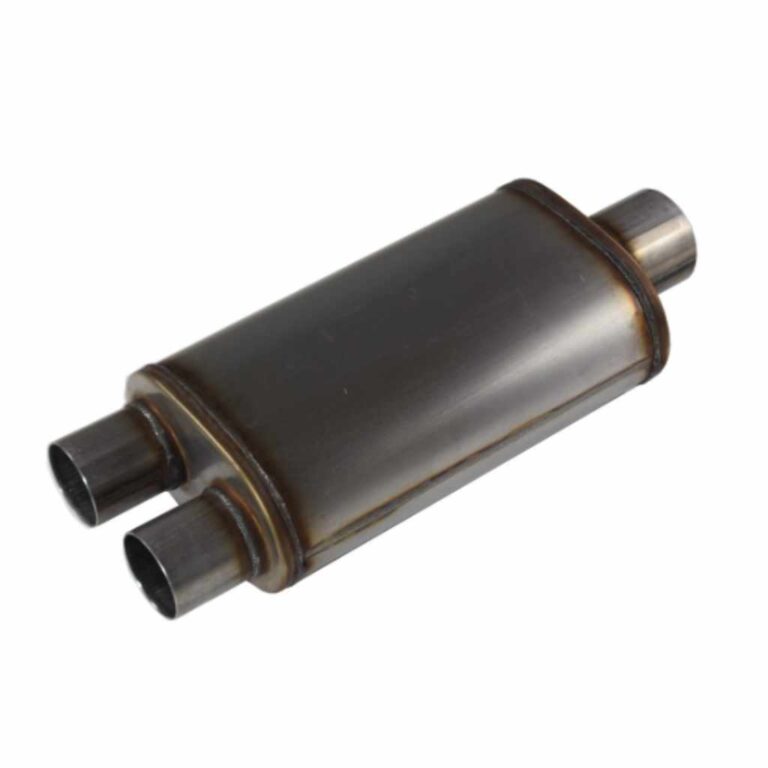
Are Flowmaster Mufflers Directional: Essential Facts You Need
Are you curious about how Flowmaster mufflers work and whether their direction really matters? If you’ve ever wondered why some mufflers have arrows or specific installation instructions, you’re not alone.
Understanding if Flowmaster mufflers are directional can save you from costly mistakes and help your vehicle perform at its best. Keep reading to uncover the truth about these popular mufflers and learn how to install them correctly for maximum power and sound.
Your ride deserves the right setup, and this guide will make sure you get it.
Flowmaster Muffler Basics
Flowmaster mufflers are popular for their unique sound and performance. They help improve exhaust flow and give cars a deep, aggressive tone. Understanding the basics of Flowmaster mufflers helps you decide if they suit your vehicle. This section covers what makes Flowmaster different and common muffler designs.
What Makes Flowmaster Unique
Flowmaster uses special chambered designs inside their mufflers. These chambers reduce sound by reflecting exhaust waves. The design creates a distinctive, powerful exhaust note. Flowmaster mufflers balance sound and performance well. They often improve engine efficiency by lowering backpressure. This design sets Flowmaster apart from regular mufflers.
Common Muffler Designs
Mufflers come in different styles. The main types are chambered, turbo, and straight-through designs. Chambered mufflers use internal walls to cancel sound waves. Turbo mufflers use a perforated tube inside to reduce noise. Straight-through mufflers have a straight pipe with sound-absorbing material. Flowmaster mostly uses chambered designs. Each design affects sound and performance differently.

Directionality In Mufflers
Mufflers control the noise and flow of exhaust gases in vehicles. Directionality means the muffler has a specific inlet and outlet side. This design affects how the muffler fits and works on the exhaust system.
Understanding directionality helps in choosing the right muffler for your vehicle. It also ensures better performance and easier installation.
How Direction Affects Performance
The direction of a muffler controls how exhaust gases travel through it. A directional muffler moves gases efficiently from the inlet to the outlet. This flow reduces backpressure, helping the engine run smoothly.
Incorrect direction can cause poor exhaust flow and reduce engine power. It might also increase noise or cause rattling sounds. Proper direction keeps the muffler working as designed.
Signs Of Directional Mufflers
Directional mufflers often have arrows or labels showing the flow direction. These marks guide proper installation on the exhaust pipe. The inlet side usually has a smaller or different-shaped opening.
Sometimes, the design inside the muffler shows clear paths for gas flow. The outlet is shaped to let gases exit with less resistance. Checking these signs avoids mistakes during installation.
Are Flowmaster Mufflers Directional?
Flowmaster mufflers are popular for their unique sound and performance. A common question is whether these mufflers are directional. Understanding this helps with proper installation and optimal function. Let’s explore if Flowmaster mufflers have a direction and how to install them correctly.
Design Features Of Flowmaster Mufflers
Flowmaster mufflers have a special internal design. They use chambers and baffles to control sound and exhaust flow. The design helps reduce noise while improving engine performance. Some models have a specific inlet and outlet side. This means the exhaust must flow in one direction. Installing it backward can reduce performance and cause damage. Check the muffler body for arrows or labels showing flow direction.
Installation Guidelines
Proper installation ensures the muffler works well. Align the muffler so exhaust flows from the inlet to the outlet. Follow any arrows or marks on the muffler. Use the correct clamps and hangers to secure it firmly. Avoid reversing the muffler during installation. A wrong direction can lead to poor sound and reduced efficiency. Always refer to the manufacturer’s instructions for your specific model.
Impacts Of Incorrect Installation
Installing Flowmaster mufflers incorrectly can cause several problems. These issues affect your vehicle’s performance and sound. Understanding these impacts helps you avoid mistakes and keep your car running well.
Noise And Sound Quality
Flowmaster mufflers are designed to direct sound in a specific way. Wrong installation changes the sound output. The muffler might sound louder or harsher than expected. You may hear unwanted noises like rattles or pops. This harms the overall driving experience. Proper installation keeps the sound smooth and deep.
Engine Efficiency And Backpressure
Mufflers control backpressure in the exhaust system. Incorrect installation can increase or decrease this pressure. Too much backpressure reduces engine power and fuel efficiency. Too little backpressure can cause poor engine performance. The engine may run rough or lose torque. Correct muffler placement ensures optimal backpressure for smooth engine operation.
Tips For Proper Muffler Installation
Installing a Flowmaster muffler correctly affects sound and performance. Proper installation ensures the muffler works as designed. Follow clear steps to avoid mistakes. Know the right direction and use the right tools.
Careful work helps your vehicle run smoother and quieter. A bad fit can cause leaks or damage. Take your time and check each step.
Identifying Inlet And Outlet
Look for labels or markings on the muffler body. The inlet is where exhaust enters. The outlet is where exhaust exits. Installing the muffler backward reduces its effectiveness. Some Flowmaster models have arrows showing flow direction. Match these arrows with your exhaust pipe. Double-check to avoid confusion. The muffler’s shape may also hint at the flow path.
Tools And Techniques
Use a wrench set and exhaust clamps for a secure fit. A jack and stands keep the vehicle safe and steady. Apply anti-seize lubricant to bolts to prevent rust. Tighten clamps evenly for a firm seal. Avoid over-tightening, which can crack parts. Check for leaks by listening or feeling for escaping air. Replace worn hangers or mounts to prevent rattling. Clean the pipe ends before installation for better grip.
Maintenance And Longevity
Maintaining Flowmaster mufflers extends their life and keeps performance high. Regular care helps avoid costly repairs and noise issues. Proper maintenance ensures the muffler works as designed, especially with directional types.
Regular Checks For Directional Fit
Directional Flowmaster mufflers must fit correctly to work well. Check the muffler’s position during routine vehicle inspections. Ensure the inlet and outlet align with exhaust pipes. A wrong fit can cause leaks and reduce sound quality. Tighten clamps and brackets to keep the muffler stable. A secure fit prevents damage from vibrations and road bumps.
Signs Of Wear And Tear
Look for rust, holes, or cracks on the muffler surface. These signs indicate the muffler needs repair or replacement. Listen for louder or unusual exhaust sounds, which show leaks or damage. Check for exhaust smoke escaping from joints. Early detection of wear prevents bigger problems. Replace worn parts quickly to maintain exhaust flow and noise control.

Frequently Asked Questions
Are Flowmaster Mufflers Directional Or Non-directional?
Flowmaster mufflers are directional. They have an inlet and outlet designed for optimal exhaust flow. Installing them backwards reduces performance and sound quality. Always follow the muffler’s directional markings during installation for best results.
How To Identify The Direction On Flowmaster Mufflers?
Flowmaster mufflers have arrows or labels indicating the exhaust flow direction. The inlet side connects to the exhaust pipe. The outlet side points toward the tailpipe. Checking these markings ensures correct installation and prevents damage or poor sound.
Can Reversing Flowmaster Mufflers Affect Vehicle Performance?
Yes, reversing a Flowmaster muffler can reduce exhaust efficiency. It may cause backpressure, decreasing engine power. Sound quality can also worsen. Proper installation following directional guidelines is crucial for peak performance and desired exhaust tone.
Do All Flowmaster Muffler Models Have Directional Flow?
Most Flowmaster mufflers are directional, but some models may differ. Always check the product specifications or markings before installation. Confirming the flow direction helps maintain performance and prevents installation errors.
Conclusion
Flowmaster mufflers usually have a specific direction for installation. This direction helps the muffler work better and last longer. Installing it wrong can change the sound and reduce performance. Always check the arrows or instructions on your muffler before putting it on.
Doing this keeps your vehicle running smooth and sounding right. Understanding muffler direction saves time and avoids mistakes. It’s a small step that makes a big difference in how your car sounds and runs.