Can You Put Exhaust Tips on a Diesel Truck?
Yes, exhaust tips can be used on a diesel truck if the tip matches the pipe diameter, exit style, and available clearance, and it does not interfere with emissions hardware or sensors. A bad fit can cause rattles, heat damage, soot buildup, or a tip that may come loose or fall off. This guide covers fitment, diesel-specific limits, sound changes, and when to skip the upgrade.
What exhaust tips do and when to Skip them


Yes. On a diesel, an exhaust tip is commonly a cosmetic add-on, so fit and clearance usually matter more than power. If the inlet matches the tailpipe, the tip clears the bumper and bodywork, and it does not conflict with a DPF outlet or trailer gear, it can work well.
What the tip changes
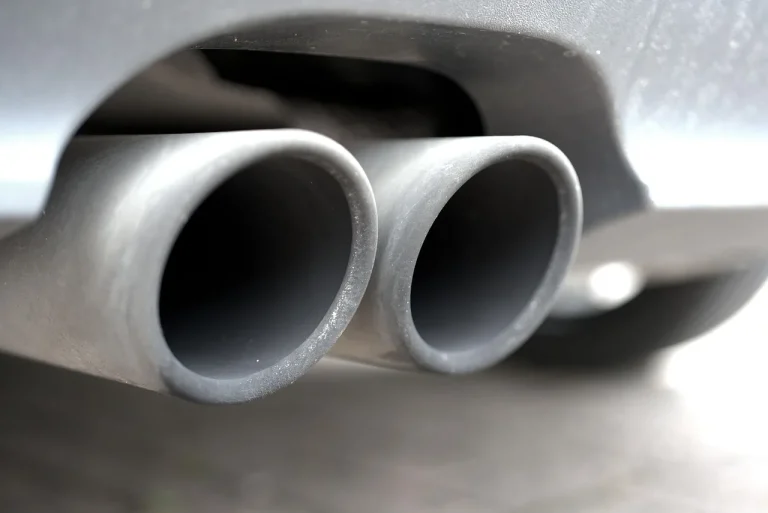
A tip can change the look of the outlet, lengthen the visible tailpipe, and help direct the exhaust plume. It does not usually make a stock diesel louder by itself, and it does not replace a muffler or a true exhaust change. A larger outlet diameter mostly changes appearance.
When the answer is no
Skip the tip if the tailpipe is already shaped into a polished factory outlet, if the truck’s exit area is crowded, or if the tip would hang close to steps, hitch hardware, trailer wiring, or body panels. On a hot diesel system, poor fit can discolor the finish and loosen clamps.
Diesel exhaust tip fitment checklist
Use this check before buying. The goal is simple: match the inlet, verify the mounting style, and make sure the truck’s exhaust exit leaves enough room for heat, soot, and movement.
| Tailpipe diameter | Clamp-on vs weld-on | Factory exhaust exit location | DPF clearance | Bumper clearance | Towing or trailer interference notes |
|---|---|---|---|---|---|
| Matched exactly to the tip inlet | Clamp-on is easiest if the pipe is straight and accessible | Rear exit with open space behind the bumper | Safe only if the tip stays clear of hot aftertreatment parts | At least enough space to avoid contact at idle and under load | Usually low risk if the tip stays inside the body line |
| Matched exactly to the tip inlet | Weld-on makes sense when you want a fixed, clean look | Side exit near bed panels or a cropped rear outlet | Check for heat soak near shields and wiring | Must clear the bedside, corner step, and rear tire spray zone | Watch for trailer jacks, hitches, steps, and fuel cans |
| Do not guess based on outlet appearance | Do not force a larger inlet with heavy clamp pressure | Turn-down exits often blow soot toward pavement | Avoid trapping heat near the DPF area | Turn-downs need extra ground clearance | Can stain nearby trailer parts and leave soot on accessories |
Yes/no decision path
Measure the outlet first. Check the outside diameter of the tailpipe where the tip will sit. If the inlet size is not a true match, do not rely on clamps to make up the gap.
Check exit geometry. If the pipe turns down, exits beside the bed, or ends tight to the bumper, a different style may fit better than a straight slip-on tip.
Inspect nearby hardware. Look for DPF components, sensors, hangers, hitch parts, steps, and trailer accessories. If any of them sit in the heat path, choose a shorter tip or skip the add-on.
Choose cosmetic or skip. If the outlet is open, straight, and clear, a tip is usually a cosmetic upgrade. If the truck already has a finished outlet or the space is tight, choose a different exit style instead of forcing the part.
Do diesel exhaust tips fit any truck?
No. A diesel tip does not fit every truck because tailpipe diameter, outlet shape, and exit location can vary. The inlet has to match the pipe, and the tip has to clear the bumper, the body, and any towing equipment. A good match starts with the truck’s actual exhaust layout.
Why outlet size is the first filter
The inlet diameter matters more than the outer look of the existing pipe. A tip that is too loose can rattle or leak soot around the joint. A tip that is too tight can distort the pipe or fail to seat fully, which makes vibration and corrosion more likely.
Straight, turn-down, side-exit, and rear-exit setups
A straight rear exit is the simplest case. Side exits and turn-down outlets need more attention because they can aim heat and soot at panels, tires, steps, or trailer accessories. The exit style affects how much room the tip needs and where the plume goes.
When a factory polished outlet makes a tip redundant
Some diesel trucks already leave the factory with a chrome or polished outlet. In that case, an aftermarket tip may add little beyond a different shape or finish, and it can look redundant if the factory piece already fills the space cleanly. If the original outlet is finished and sized well, replacing it is often unnecessary.
Which tip style should you choose?
Choose the style that handles diesel heat and fits the truck’s layout, not the one that only looks large on a shelf. Single-wall and double-wall designs behave differently near hot exhaust, and the finish matters because soot and heat are hard on thin coatings.
Single-wall versus double-wall construction
Single-wall tips are simpler and lighter. Double-wall tips usually hold their shape and finish better near hot diesel exhaust because the outer layer is less exposed to direct heat. If the outlet sits close to the bumper or sees a lot of road grime, double-wall construction is often the safer pick.
Stainless steel versus chrome finish
Stainless steel usually holds up better to soot, heat cycling, and cleaning than chrome in harsh diesel use. Chrome can look good at first, but it may discolor or pit if the truck runs hot or sees frequent winter road salt. Either finish needs regular cleaning to stay presentable.
Rolled edge, slash cut, angled, and turn-down shapes
A rolled edge softens the look and can help the tip survive minor bumps. Slash cut and angled styles change the visual line, while turn-down tips aim the plume away from the rear face of the truck. On a diesel, shape should follow clearance and soot direction first.
Say your truck has a rear exit under the bumper and a hitch-mounted accessory sits close to the outlet. A straight 4-inch tip may fit the pipe but still crowd the accessory, while a shorter angled tip keeps the same pipe size and leaves more room for towing hardware.
How do you install exhaust tips on a diesel truck?
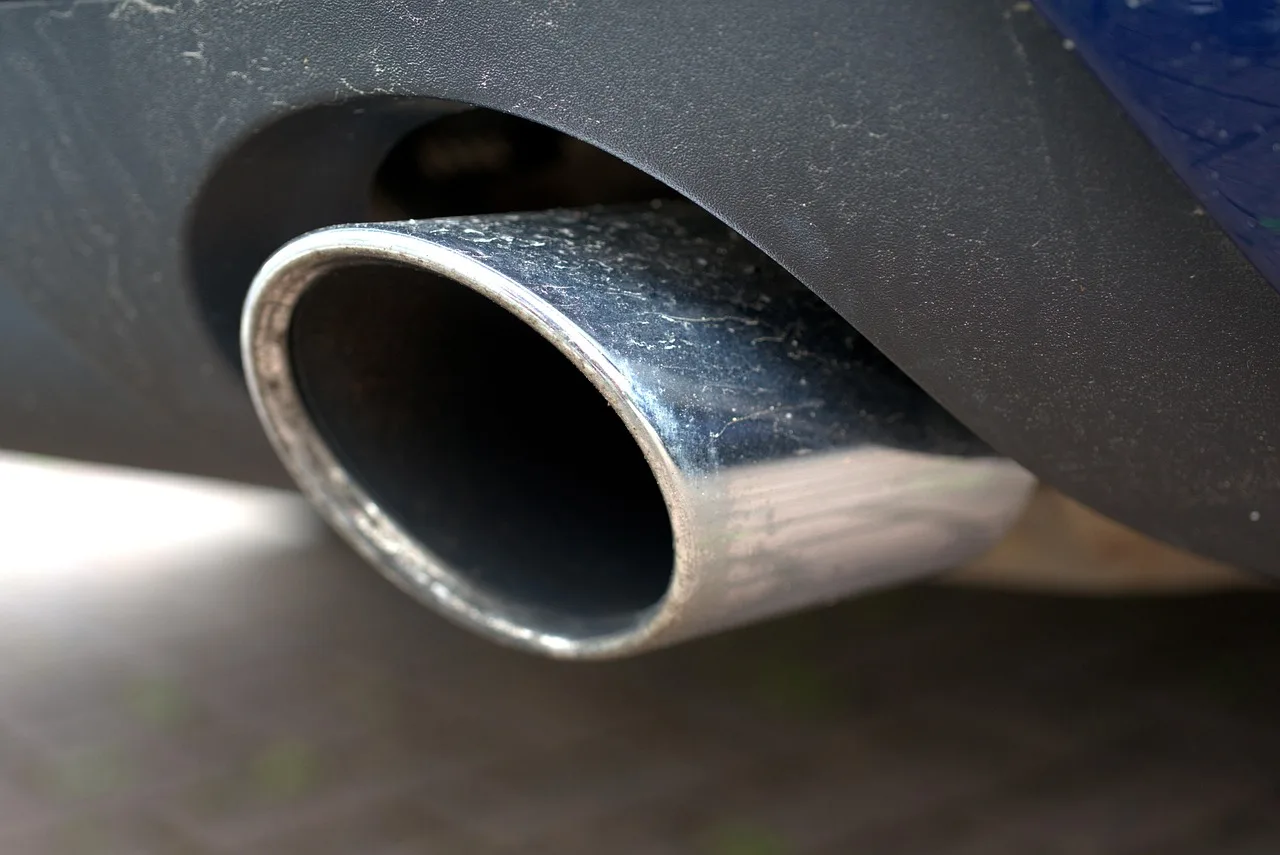
Installation depends on the attachment type. Clamp-on tips are quicker and easier to remove later, while weld-on tips give a permanent result but demand a clean pipe end and careful alignment. In both cases, the tip should sit straight, clear the body, and survive vibration.
Clamp-on installation and sealing
A clamp-on tip needs a clean, round pipe end and the right inlet size. Band clamps spread load more evenly than U-bolt styles and are usually better for sealing and vibration resistance. U-bolts can work, but they can crush thin pipe and leave uneven contact if overtightened.
Clean the pipe end. Remove soot, rust, and scale from the tailpipe where the inlet will sit. A clean surface helps the clamp seal and keeps the tip from walking under vibration.
Slide the tip on. Position the inlet fully over the pipe before tightening. Leave enough room to center the outlet so it does not touch the bumper, body, or hitch hardware.
Tighten the clamp evenly. Use steady torque and recheck after the first heat cycle. Band clamps tend to stay rounder than U-bolts and are easier to reuse if you adjust the tip later.
Weld-on installation and alignment
A weld-on tip requires a clean pipe end, a fixed position, and enough room to weld without cooking nearby parts. Align the tip before welding because heat can pull it out of square. Once welded, removal is harder, so the fit must be right the first time.
Keeping heat and vibration in check
Diesel exhaust systems run hot and build pressure, so vibration and expansion matter. Keep the tip clear of plastic trim and painted surfaces, and do not let it sit where engine movement or body flex can make contact. On trucks with flex sections and bellows, movement still happens downstream.
A common first-timer mistake is choosing a bright chrome tip for a DPF-equipped truck and mounting it too close to the bumper cutout. The tip may fit the pipe, but after a few heat cycles it can discolor, rattle, and leave black soot on the bumper edge.
Will a bigger tip change sound or back pressure on a diesel truck?
Usually, no in any meaningful way. A larger exhaust tip mostly changes appearance, and a tip alone rarely changes diesel sound much. Back pressure concerns are more about the system layout, outlet restriction, and clearance than the tip diameter itself, unless the fit is poor or the outlet is badly shaped.
Why tip size mostly changes appearance
The visible size of the tip can make the outlet look more aggressive, but that does not mean the engine breathes differently. Sound change is usually minor unless the tip geometry alters the plume or the outlet sits so close to a surface that it reflects noise.
When outlet geometry matters more than tip diameter
A turn-down or cramped side exit can change how soot, sound, and heat leave the truck. On a diesel, a bad outlet choice can create fit problems long before it creates any performance issue. If you are trying to solve tone or flow, a tip is the wrong place to start.
How this differs from a muffler or full exhaust change
A muffler can be used on a diesel truck without a delete if the system is sized correctly and kept compatible with emissions equipment. That is a true exhaust change. A tip is only the last visible section, so it should not be treated like a sound or power part.
Can you add a muffler or exhaust without a delete?
Yes. You can put a muffler on a diesel truck without deleting emissions hardware, and you can replace or modify parts of the exhaust as long as the system remains compatible with the truck’s emissions equipment. The fit needs to respect DPF location, outlet routing, and any factory sensors.
Muffler fit on a diesel truck
A muffler on a diesel has to match the truck-specific pipe size and leave the emissions gear alone. It still has a sound reduction role, even on a truck with a turbo and DPF. The right muffler can fit cleanly without changing the rest of the aftertreatment layout.
DPF-equipped versus deleted setups
DPF-equipped trucks need more caution because the system runs hot and parts sit close together. A deleted setup changes the layout entirely, but that is a separate modification with legal and fitment consequences that go far beyond a tip or muffler. Do not mix those ideas together.
Sport-style exhaust wording on a diesel
“Sports exhaust” on a diesel often means a louder or more open cat-back style, not a true performance jump from the tip itself. On a diesel truck, the wording can hide the fact that the part still has to clear emissions gear, trailer hardware, and bodywork.
Why do diesel trucks have big exhaust tips?

Big tips are common because many owners want a fuller visual finish, and larger outlets can help a rear exit look balanced under a heavy-duty truck. They also give room for polished finishes and different cut styles. The size is usually about appearance and packaging, not a major change in engine output.
What large tips do and do not do
Large tips can look more substantial and can hide a plain factory tailpipe. They do not fix a restriction upstream, and they do not erase soot, heat, or clearance issues. If the truck already has a clean factory outlet, a large tip may add little besides weight and more cleaning.
What size exhaust tip do I need for my diesel truck?
The right size is the one that matches the tailpipe inlet and clears the truck. Start with the tailpipe diameter, then check length, outlet shape, and bumper space. If the truck already has a finished factory outlet, the best size may be none at all.
Quick sizing logic
- Match the inlet to the tailpipe outside diameter.
- Choose a length that does not crowd the bumper or trailer gear.
- Pick an outlet shape that keeps soot away from steps, panels, and hitches.
- Use a finish that can survive soot and heat near the exhaust outlet.
Frequently asked questions
Can you put exhaust tips on a diesel truck?
Yes, if the inlet matches the tailpipe and the tip clears the bumper, bodywork, and towing hardware. The tip is usually cosmetic, so fitment matters more than claimed power gains. If it interferes with emissions hardware or sensors, choose a different size or exit style.
Do exhaust tips fit any diesel truck?
No. Diesel trucks vary in outlet diameter, exit location, and available clearance. A tip that fits one truck may rattle, leak soot, or sit too close to the bumper on another. Measure the pipe first and check whether the outlet is straight, side-exit, or turn-down.
Will bigger exhaust tips change how my diesel sounds?
Usually only a little, if at all. A bigger tip mostly changes appearance. If sound changes, it is more likely from the outlet shape or from a broader exhaust change such as a muffler swap, not from the tip alone.
Do exhaust tips affect back pressure on a diesel truck?
Not much when the tip is sized correctly. A poor fit, crushed pipe, or cramped outlet can create problems, but a properly matched tip is mostly an end-piece. Back pressure concerns are more tied to the full exhaust layout and emissions equipment than to the tip itself.
Can you put a muffler on a diesel truck?
Yes. A muffler can fit on a diesel without a delete if it is sized for the truck and installed to work with the emissions system. It changes sound far more than a tip does, so it is the part to change if you want a real tone difference.