Best Exhaust Leak Smoke Machine for DIY Use (2026): Research Shows
For DIY exhaust leak diagnosis, the AUTOOL SDT206 Automotive Smoke Machine combines built-in pumps, a pressure gauge, a flow meter, and dual air modes in one portable 12V unit. That mix helps you hold pressure low for exhaust work while still making enough smoke to show small leaks at joints, clamps, flex sections, and tailpipe connections.
The trade-off is price and complexity. If you only need an occasional driveway leak check, a simpler unit with adjustable pressure may be enough. If you want tighter control on sensitive systems, the premium Redline unit may be a better fit.
Quick comparison
| Product | Badge | Best for | Price | ||
|---|---|---|---|---|---|
 | SDT206 Automotive Smoke Machine, Dual Air Pumps, EVAP LeakAUTOOL | Our pick | Dual air pumps · pressure gauge · 12V | $269.00 Price as of 27 Oct 2026 | View |
 | AutoLine Pro HyperSmoke™ Automotive Smoke Machine EVAPAutoLine Pro | Also great | Built-in compressor · adjustable pressure · smoke fluid | $61.99 Price as of 27 Oct 2026 | View |
 | Redline Detection Smoke Pro® Total Tech® 95-0050 LowRedline Detection | Upgrade pick | Low-pressure smoke machine · EVAP/exhaust | $1,189.00 Price as of 27 Oct 2026 | View |
 | Smoke Leak Detector Automotive Cone,Tapered Smoke TesterAKWDSL | Pair with it | Universal cone adapter · heat-resistant silicone | $8.49 Price as of 27 Oct 2026 | View |
The main choice is between control and cost. Exhaust leak work needs low, steady pressure. The best unit is the one that matches your system size and the level of control you actually need.
If you are checking a small seep on a single-tailpipe car, a portable built-in-pump unit is usually enough. For harder-to-find leaks or mixed testing, adjustable pressure and better output control matter more than raw smoke volume.
How we chose
Criteria came from manufacturer specs, listing details, and published buyer feedback. The focus stayed on exhaust-safe pressure control, adapter fit, smoke visibility, power source, and ownership cost for occasional home use.
Accessory-only listings were excluded from the main picks. Claims that were not clearly supported in the listing or product details were left out, especially pressure figures, runtime claims, and fluid approvals.
Leak setup decision table
| Leak size | Vehicle type | Power source | Minimum pressure-control need | Required adapters | Recommended machine class for DIY use |
|---|---|---|---|---|---|
| Small seep | Single-exhaust car or light truck | 12V portable unit | Low pressure with a gauge; adjustable pressure is helpful | Tailpipe sealing plug, cone adapter, or hose-and-bladder setup | Portable built-in pump with gauge and flow meter |
| Moderate leak | Dual-exhaust car, SUV, or pickup | 12V portable unit or shop power source | Adjustable pressure preferred to avoid forcing smoke out of normal joints | Cap plug kit plus the right-size tailpipe seal for each outlet | Adjustable-pressure machine with better output control |
| Hard-to-find leak | Long exhaust path, resonators, flex sections, or mixed-system diagnosis | 12V or battery-powered unit | Fine pressure control and a visible flow meter are strongly preferred | Cone adapter, gas cap adapter where applicable, and sealed end caps | Premium low-pressure machine with strong smoke visibility |
For a built-in pump to be enough, the exhaust has to be easy to seal and the leak has to be visible once smoke reaches the suspect area. Adjustable pressure matters more as the system gets larger, more sensitive, or harder to seal cleanly.
Can one machine handle EVAP and exhaust leaks?
Yes, but only if the machine is designed for low-pressure work and the manual or listing clearly separates safe use ranges. EVAP-safe testing and exhaust diagnosis overlap on visibility and sealing, but EVAP systems are more sensitive, so the machine has to keep pressure low and controlled.
A unit can be a fit for both jobs when it has adjustable pressure, a pressure gauge, and accessories for sealing different openings. It is not a fit if the listing only talks about broad leak detection without stating how the output is controlled, or if the machine is built for higher-output use that could stress vapor components.
For gas tank and vapor system work, low pressure matters because seals, valves, and plastic lines can be easier to disturb than a steel exhaust tube. For exhaust work, low pressure keeps smoke from escaping too early at normal joints and makes the actual leak stand out.
AUTOOL SDT206: best for DIY exhaust leaks
The AUTOOL SDT206 is a practical fit when you want one portable unit that can handle home-garage exhaust diagnosis without relying on an external compressor. Its built-in air pumps, pressure gauge, flow meter, and oil-level window give you more control than a basic smoke-only unit.
It suits DIYers who want a two-step workflow, because the air and smoke modes help you move from sealing checks to visible leak tracing. That matters when the leak is small and you need to confirm whether smoke is escaping at a clamp, hanger joint, flex pipe, or tailpipe seal.
The drawback is that this is more machine than a simple occasional-use setup, so it makes less sense if you only need a quick check once or twice a year. It also depends on you sealing the exhaust correctly; no machine can compensate for a poor tailpipe seal or an open second outlet.
AutoLine Pro HyperSmoke: best for value buyers
The AutoLine Pro HyperSmoke keeps the focus on the basics that matter most for a DIY exhaust leak check: adjustable pressure, portable operation, and included adapters. It is the most straightforward option here for a buyer who wants a lower entry price without moving to a parts-bin solution.
Its built-in compressor motor means you do not need an external air source, which helps in a driveway or small garage. The included cone adapter also makes it easier to adapt the machine to different openings.
The drawback is that the listing is lighter on control details than the premium unit, so buyers who want the most precise output management may prefer a more advanced model. The fluid claim is useful only if the listing clearly ties it to the supplied kit and current contents.
Redline Detection Smoke Pro Total Tech: best for tighter control
The Redline Detection Smoke Pro Total Tech is the premium choice for buyers who want controlled low-pressure diagnosis. Its main appeal is the emphasis on low-pressure testing across multiple automotive systems, which makes it a careful fit for sensitive or mixed-system work.
This is the better pick when you care more about pressure discipline than about low entry cost. A premium low-pressure design is easier to trust on systems where too much pressure could hide the leak you are chasing or create a false one.
The drawback is obvious: it costs far more than the portable value options, and that premium is hard to justify if you only need one or two driveway checks a season. For a simple exhaust leak on an older vehicle, it may be more machine than you need.
Which one should you buy?
Choose the AUTOOL SDT206 if you want the balance of portability, visible output control, and built-in pumping for home garage use. It is a good fit when you want one machine that can cover exhaust leaks and broader automotive leak checks without depending on shop air.
Choose the AutoLine Pro HyperSmoke if you want a lower-cost starter setup and do not need the most elaborate control layout. It makes the most sense for occasional DIY use where the key goal is to find the leak, not to build a shop-grade setup.
Choose the Redline Detection Smoke Pro Total Tech if you want a low-pressure approach for sensitive systems and are willing to pay for it. That is the strongest match for buyers who want a premium low-pressure machine that can handle multiple system types with more caution.
Say your car has a small leak at the rear clamp and the tailpipe seals easily. A portable built-in-pump unit with a gauge is usually enough. If the leak is buried near a flex section or the exhaust is dual-outlet, the extra control from a premium low-pressure design becomes more useful.
What smoke machine features matter most for DIY use?
For DIY exhaust leak work, the most useful features are low pressure control, visible smoke output, a built-in air pump, and the right adapters to seal the exhaust opening. A pressure gauge helps you avoid overpressurizing the system, while a flow meter makes it easier to keep output consistent.
Smoke output time matters because fast warmup gets smoke moving sooner, which helps when you are trying to catch a small leak before it disperses. Built-in pumps are practical at home because you do not need an external compressor to get started.
Also pay attention to fluid cost and refill frequency. A machine that burns through fluid quickly may look cheap up front but cost more over time if you only use it a few times a year.
How to smoke test an exhaust system at home
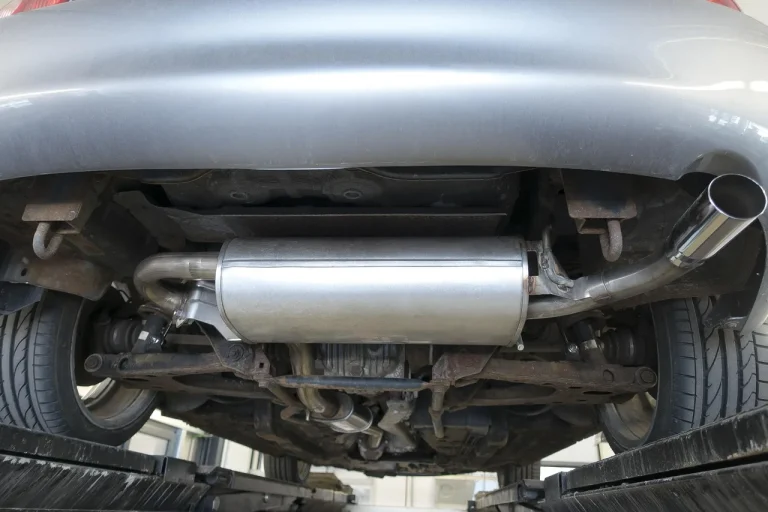
Start by sealing the exhaust as completely as the vehicle layout allows, then introduce low-pressure smoke at a suitable entry point and watch for visible smoke points along the pipe, joints, and hangers. For DIY work, keep the pressure low, follow the vehicle manual, and use the correct adapter for the tailpipe or system opening.
A common first-timer mistake is leaving one outlet partly open on a dual-exhaust vehicle. That can dump smoke too fast and make a small leak look like a failure everywhere, so seal each outlet before you start.
- Let the exhaust cool enough to work safely.
- Choose a sealing method that fits the tailpipe shape.
- Block the exhaust end with the correct adapter or cap plug.
- Connect the smoke machine to the chosen entry point.
- Use the lowest pressure that still moves smoke through the system.
- Inspect joints, flex sections, clamps, and welded seams for visible smoke.
Do I need adjustable pressure for an exhaust smoke test?
Adjustable pressure is not mandatory for every exhaust leak check, but it is the better choice if you also want EVAP-safe testing or if the exhaust is easy to overpressurize. Low, controlled pressure helps avoid forcing smoke out of normal joints before you can see the actual leak.
If you only need occasional exhaust diagnosis on a simple system, a fixed low-pressure unit with a gauge may be enough. If you want one machine for multiple automotive leak checks, adjustable pressure is the safer long-term choice.
Picture a small seep near a muffler clamp on a single-exhaust sedan. A low-pressure machine with a gauge may be enough to show it. Now picture a dual-exhaust SUV with hard-to-seal outlets; that is where adjustable pressure and better output control start to matter more.
How do you smoke test exhaust?
You smoke test exhaust by sealing the system, feeding in low-pressure smoke, and watching for leaks along the entire path. The goal is not to flood the system, but to use enough smoke to make the leak visible without distorting the joint or opening a seal that would otherwise hold.
Choose the entry point based on the vehicle and the adapter set you have. A cone adapter, hose-and-bladder setup, or cap plug kit can each make sense depending on how the exhaust needs to be sealed.
Use a machine with a pressure gauge when possible. It gives you a better chance of staying within a safe low-pressure range and makes it easier to spot when the flow is too high for a delicate system.
Can a cheap smoke machine find small exhaust leaks?
Yes, but only if it makes visible smoke, seals well, and can keep output low enough to avoid flooding the system. Cheap units can find small exhaust leaks when the leak is accessible and the setup is tight, but thin smoke or poor pressure control can hide the problem you are trying to find.
The weak points of lower-cost units are usually output density, control, and seal quality at the adapters. If the smoke is faint or the machine overheats, you may need longer setup time, more refill pauses, or a better-sealed connection before the leak becomes obvious.
For very small leaks, the machine matters less than the setup. A bad tailpipe seal, an open second outlet, or a loose entry adapter can make the result look inconclusive even if the machine itself is working correctly.
What adapters do I need to test an exhaust system with smoke?
You usually need an adapter that seals the exhaust opening tightly enough to hold low pressure without letting smoke escape at the connection point. The exact mix depends on the tailpipe size and shape, but common pieces include a cone adapter and a cap plug kit.
Use a cone adapter when you need a flexible seal for a range of opening sizes. A hose-and-bladder or cap plug kit is useful when the exhaust opening needs a firmer seal for a cleaner smoke trace.
If your vehicle has dual exhaust, you may need separate sealing hardware for each outlet. That matters more than many buyers expect, because one unsealed outlet can make a small leak harder to see and can waste smoke quickly.
How do you smoke test exhaust system?
Use the same basic method every time: seal the exhaust, connect the smoke machine, keep pressure low, and inspect the entire path for escaping smoke. The critical part is matching the machine to the leak size and the vehicle layout so the output stays visible without disturbing the system.
For a simple single-outlet system, a portable built-in-pump machine is often enough. For a long exhaust path, dual outlets, or a leak that is hard to isolate, adjustable pressure and a stronger visibility package are more useful.
Frequently asked questions
How do you smoke test an exhaust system at home?
Seal the exhaust opening, connect the smoke machine at the correct access point, and use the lowest pressure that still moves smoke through the system. Then inspect joints, clamps, hangers, flex sections, and welds for escaping smoke. Follow the vehicle manual and use the right adapter for your tailpipe shape.
What is the best smoke machine for automotive use?
For mixed DIY use, the best machine is the one that matches the system you plan to test. For exhaust leaks, low pressure, a gauge, and strong adapters matter most. The AUTOOL SDT206 is the overall fit here because it adds built-in pumps, gauge, and flow meter control.
Can one smoke machine handle EVAP and exhaust leaks?
Yes, if the machine is built for low-pressure work and the listing clearly supports both systems. EVAP-safe testing and exhaust diagnosis overlap, but EVAP parts are more sensitive, so pressure control matters more. Check the manual for the safe range before you buy.