Are Cat Back Exhaust Legal in California 2019? Essential Facts
Are you thinking about upgrading your car with a cat-back exhaust system in California? Before you make that switch, it’s crucial to know if cat-back exhausts were legal in California in 2019.
PHILTOP
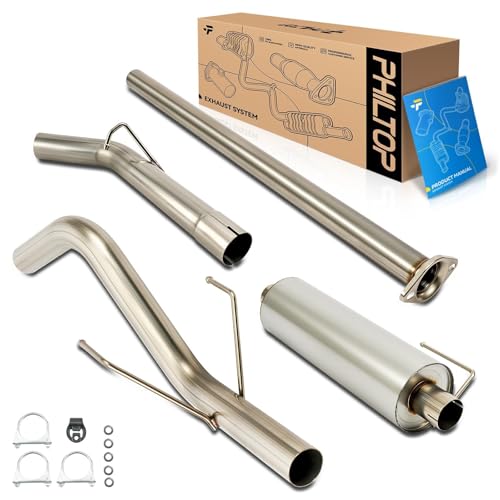
PHILTOP Cat-Back System Fit for 2005-2009 2011-2015…
- Vehicle Fitment - The Catback System exhaust kit compatible with 2005-2009 2011-2015 Toyota Tacoma 4.0L V6
- Engineering Excellence - Vehicles are all about dependability and capability, which is why MagnaFlow engineers every one of our du…
- Reduce Noise - The larger pipes, low-restriction mufflers, and tuned resonators of a well-designed performance exhaust system can…
As an Amazon Associate I earn from qualifying purchases.
Understanding the rules can save you from costly fines and headaches. This article will break down everything you need to know about the legality of cat-back exhausts in California during that year. Keep reading to make sure your ride stays street-legal and you avoid any surprises.
California Exhaust Laws
California has strict rules about car exhaust systems. These rules help keep the air clean and reduce noise pollution. People often ask about cat back exhausts and whether they are legal in California. Understanding the state’s exhaust laws is important before making any changes to your vehicle.
State Emission Standards
California sets tough emission standards for all vehicles. These standards limit the amount of pollution a car can release. Any exhaust modification must meet these rules. Cat back exhausts that increase emissions are not allowed. The system should have proper catalytic converters to reduce harmful gases. The California Air Resources Board (CARB) checks if parts have the right certification. Without CARB approval, an exhaust system is illegal in California.
Noise Regulations
California also controls how loud car exhausts can be. The law limits noise levels to avoid disturbing others. Cat back exhausts often make the car sound louder. If the noise exceeds legal limits, the exhaust is illegal. Police officers can measure noise at the roadside. Excessive noise can lead to fines and required repairs. A legal exhaust balances sound and meets noise rules.

What Is A Cat Back Exhaust?
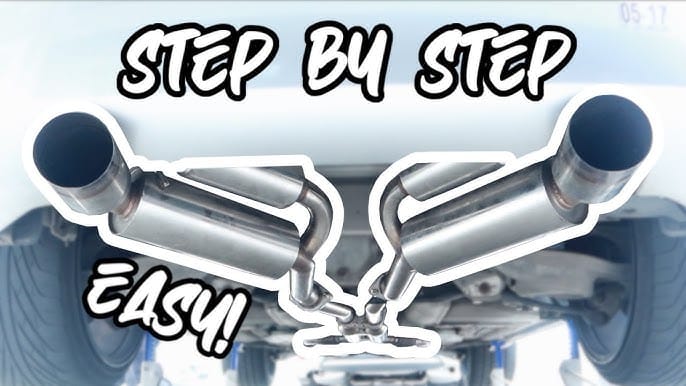
A cat back exhaust is a popular upgrade for many car owners. It improves the exhaust system starting from the catalytic converter to the rear of the car. This setup changes how the exhaust gases flow out of the vehicle. It often results in better sound and performance.
Many drivers choose a cat back exhaust to enhance their car without replacing the entire system. It keeps the catalytic converter, which is important for reducing harmful emissions. This makes it a common choice for people who want a balance between performance and legality.
Components Included
A cat back exhaust includes all parts from the catalytic converter to the exhaust tip. This usually means the piping, muffler, and tailpipe. The catalytic converter itself is not changed or removed. The system replaces or upgrades the muffler and pipes to improve flow and sound.
Each part in the cat back system works together to reduce back pressure. This helps the engine breathe better and run smoother. The muffler controls the noise level, giving a deeper or louder sound depending on the design.
Performance Impact
Installing a cat back exhaust can improve engine performance. It reduces exhaust resistance, allowing gases to exit faster. This can lead to a small increase in horsepower and torque. Drivers may notice better throttle response and a sportier sound.
The system also helps the engine run cooler by improving gas flow. It does not affect emissions since the catalytic converter stays in place. This makes it a legal and effective way to upgrade your car’s exhaust in many areas, including California in 2019.
Legal Status In 2019
In 2019, the legal status of cat-back exhaust systems in California was strict and clear. The state focused on reducing air pollution and protecting public health. Laws regulated which exhaust systems could be used on vehicles to meet these goals.
Cat-back exhaust systems had to follow specific rules to be legal. These rules ensured that the systems did not increase harmful emissions or noise levels. Vehicle owners needed to check the legal requirements before installing any new exhaust.
Carb Certification Requirements
The California Air Resources Board (CARB) set rules for exhaust systems. All aftermarket exhausts, including cat-back systems, required CARB certification. This certification showed that the product met strict emissions standards.
Without CARB approval, an exhaust system was illegal to sell or install in California. CARB certification helped control pollution from vehicles. Buyers needed to look for a CARB sticker or number on the exhaust product.
Aftermarket Exhaust Restrictions
California banned aftermarket exhausts that increased noise or emissions. The law required that cat-back systems not alter the vehicle’s emissions control devices. Any modification that removed or disabled emissions parts was illegal.
Exhaust systems had to keep noise levels within legal limits. Excessive noise could lead to fines or vehicle inspections. Vehicle owners faced penalties if their cat-back system did not comply with state laws.
Common Compliance Issues
Cat back exhaust systems often face legal challenges in California. Many fail to meet the state’s strict vehicle regulations. Understanding common compliance issues helps owners stay legal and avoid fines. Two main problems stand out: emission control violations and noise level exceedances.