Is Borla Exhaust Loud or Quiet?
Many car fans wonder, Is Borla Exhaust Loud or Quiet? It’s a big question for folks just starting out with car upgrades. Sometimes, descriptions can be a bit confusing, leaving you unsure what to expect.
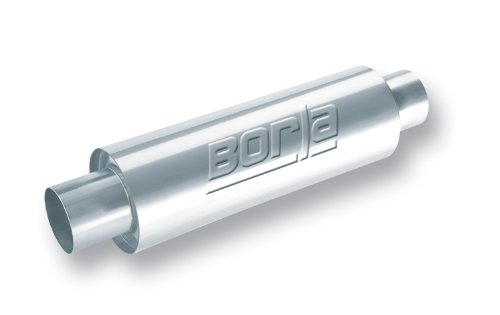
Borla
Borla 140085 Cat-Back Exhaust System (40085)
- Engineered to provide excellent exhaust emission and internal power generation
- Easy installation
- Provides brilliant fuel economy and increase horsepower efficiently
As an Amazon Associate I earn from qualifying purchases.
Don’t worry, this guide will make it super simple. We’ll break down exactly what makes an exhaust loud or quiet, so you can pick the perfect Borla sound for your ride. Get ready to learn all about it!
Understanding Borla Exhaust Sound Levels
When people ask, Is Borla Exhaust Loud or Quiet?, they are really trying to understand the sound profile of these popular exhaust systems. Borla offers a range of products designed to cater to different preferences, from a subtle enhancement to a more aggressive growl. This section will explore the factors that influence Borla exhaust sound and how they are categorized by the company and users alike.
It’s important to know that “loud” and “quiet” are subjective, but Borla provides specific sound levels to help customers make informed choices. We’ll look at how Borla classifies their exhaust systems and what each level generally means for the driver and those around the vehicle. This will set the stage for understanding which Borla exhaust fits your needs.
Borla’s Sound Level Designations
Borla categorizes its exhaust systems into three main sound levels: Touring, S-Type, and ATAK. Each level is designed to offer a distinct auditory experience. Understanding these designations is key to answering the question, Is Borla Exhaust Loud or Quiet?, for your specific needs.
- Touring: This is Borla’s most subdued option. It offers a mild increase in volume over the stock exhaust but remains very refined and quiet. Think of it as a sophisticated rumble, perfect for daily driving or when you want a bit more performance sound without drawing too much attention. It’s designed to eliminate drone, which is an annoying, resonant hum that can occur at certain RPMs. The Touring system aims for a pleasant tone that enhances the driving experience without becoming intrusive. It’s often chosen by drivers who value comfort and a premium feel.
- S-Type: This level strikes a balance between the Touring and ATAK systems. The S-Type provides a noticeable increase in exhaust note, offering a sportier and more aggressive sound than Touring. It’s loud enough to be heard and appreciated, especially during acceleration, but generally avoids excessive loudness that would be considered obnoxious. Many enthusiasts find the S-Type to be the sweet spot, offering a satisfying performance sound for spirited driving while still being manageable for everyday use. It’s a popular choice for those who want their car to sound like a performance vehicle without being overbearing.
- ATAK (Acoustically Tuned Applied Kinetics): This is Borla’s most aggressive and loudest option. ATAK systems are designed for maximum sound output and a truly exhilarating exhaust note. They produce a deep, powerful roar that is unmistakable. This system is for drivers who want their vehicle to announce its presence and deliver an intense auditory experience. While incredibly satisfying for performance enthusiasts, it may be too loud for some daily driving situations or for those who prefer a quieter vehicle. It’s the ultimate choice for those who prioritize an aggressive, race-inspired sound.
The choice between these three levels directly answers the question, Is Borla Exhaust Loud or Quiet?, as each offers a different answer.
Factors Affecting Exhaust Sound
Several engineering elements within Borla exhaust systems contribute to their final sound output. Borla’s reputation for quality and sound is built on their attention to these details. Understanding these components helps explain why one Borla exhaust might be louder than another, even within the same category.
- Muffler Design: The muffler is the primary component responsible for quieting exhaust gases. Borla uses various muffler designs, including chambered and straight-through configurations, as well as their patented technologies like Straight-Through Mufflers and Touring Mufflers. Straight-through designs allow gases to flow with minimal obstruction, resulting in a louder sound. Chambered mufflers use internal baffles to reflect sound waves, reducing noise. Borla’s engineering allows them to control the sound by optimizing these internal structures for their desired sound level.
- Resonator Presence: Resonators are smaller chambers or tubes designed to cancel out specific sound frequencies, particularly the low-frequency drone. While mufflers reduce overall sound, resonators target specific problematic tones. Some Borla systems include resonators to refine the sound and eliminate unwanted humming, while others omit them to allow for a more aggressive and open exhaust note. The presence or absence of a resonator significantly impacts whether a Borla exhaust will be perceived as loud or quiet.
- Pipe Diameter and Bends: The diameter of the exhaust pipes and the tightness of their bends can also influence sound. Larger diameter pipes can allow for greater exhaust flow, potentially leading to a louder sound. Sharp bends can create turbulence and backpressure, which can subtly alter the tone. Borla carefully selects pipe diameters and designs bends to achieve their intended sound characteristics for each specific application. This ensures a consistent and controlled sound across their product lines.
- Material Choice: While less impactful on loudness itself, the materials used, such as stainless steel quality and thickness, can contribute to the resonance and tone of the exhaust. Borla’s use of high-grade stainless steel ensures durability and can also contribute to a cleaner, more refined sound profile. The quality of the materials supports the overall performance and sound quality of the exhaust system.
These factors are critical for anyone asking, Is Borla Exhaust Loud or Quiet?, for a specific vehicle model.

Borla Exhaust Loudness Examples and Scenarios
To truly grasp the sound differences, let’s look at some real-world examples and scenarios that illustrate Borla exhaust loudness. This will give you a clearer picture of what to expect when you hear a Borla system on the road or in person.
Case Study Driving Daily With Borla Touring
Consider Sarah, a commuter who drives about 40 miles each way to work daily. She wanted a better sound for her car but was very concerned about road noise and potential complaints from passengers or neighbors. She chose a Borla Touring exhaust system for her sedan.
After installation, Sarah reported that the exhaust note was just right. At idle, it had a deep, pleasant tone that was barely noticeable over the engine’s natural sound. During acceleration, there was a satisfying growl, but it quickly subsided as she reached cruising speed.
Most importantly, she experienced absolutely no drone at highway speeds, making her long commute much more enjoyable. Her passengers, including her parents who are sensitive to loud noises, didn’t even comment on the exhaust, indicating it was well within their comfort zone. This case clearly shows that for a quiet, refined experience, the Borla Touring system delivers.
Enthusiast Experience with Borla S-Type
Mark is a car enthusiast who enjoys weekend drives and occasional track days. He wanted an exhaust that sounded aggressive during spirited driving but wouldn’t be too much for his daily commute. He opted for a Borla S-Type system for his sports coupe.
Mark found the S-Type to be exactly what he was looking for. At startup, there’s a noticeable rumble that commands attention. When he accelerates hard, the car emits a strong, sporty exhaust note that sounds powerful and exciting.
However, on the highway, while he can still hear the exhaust, it doesn’t produce an annoying drone, and the volume is acceptable for conversation inside the car. He often receives compliments on the sound of his car, with people describing it as having a “proper sports car sound.” This demonstrates the S-Type’s capability to provide a significant sound upgrade without being overwhelmingly loud for regular use.
Track Day Performance with Borla ATAK
For a track-focused project car, David installed a Borla ATAK system. His primary goal was to maximize the audible feedback from his high-performance engine, especially when pushing the car to its limits on the racetrack. Streetability was a secondary concern.
On the track, the ATAK system was phenomenal. The sound was intense, a deep, raw roar that resonated with the engine’s power. It amplified the driving experience, making the car feel even more visceral.
However, David noted that for daily driving, especially in stop-and-go traffic or at highway speeds, the ATAK system was extremely loud. He describes it as “constantly being in your face” with sound, which can be fatiguing over longer periods. While perfect for the track and for drivers who love extreme loudness, it highlights that the ATAK is definitely not a quiet option.
Sample Scenario Choosing an Exhaust for a Truck
Imagine you own a pickup truck and are considering a Borla exhaust. Your typical use includes hauling, occasional off-roading, and comfortable highway cruising. You also sometimes have family members or friends riding with you.
- Assess your primary use: If your truck is mainly for work or comfortable travel, a Borla Touring system would be ideal. It will provide a pleasant, slightly deeper tone without any intrusive noise during long drives or when you have passengers.
- Consider your desire for sound: If you want your truck to sound more powerful and sporty, especially when accelerating, but still want to maintain a reasonable level of comfort for daily driving and passengers, the S-Type is a great choice. It offers a noticeable performance sound.
- For extreme sound seekers: If you tow heavy loads and want a dramatic, deep rumble that announces the truck’s presence and power, or if you’ve heavily modified your engine and want the exhaust to match, the ATAK might be considered. However, be prepared for significant loudness, which might not be ideal for all situations, especially with passengers.
This scenario helps illustrate how the question, Is Borla Exhaust Loud or Quiet?, is answered differently based on the vehicle and its intended use.
Comparing Borla Sound Levels
To make the decision easier, let’s directly compare the sound characteristics of Borla’s three main exhaust lines. This comparison should help you determine which level best suits your expectations for loudness.
Borla Sound Level Comparison Table
| Sound Level | Volume | Tone | Drone | Best For |
|---|---|---|---|---|
| Touring | Quiet | Mild Rumble, Refined | Eliminated | Daily Driving, Comfort, Subtle Enhancement |
| S-Type | Moderate to Loud | Sporty Growl, Aggressive | Minimal to None | Enthusiast Driving, Balanced Performance Sound |
| ATAK | Very Loud | Deep Roar, Intense | Can be Present (design aims to manage) | Track Use, Maximum Sound Output, Aggressive Feel |
This table provides a quick answer to, Is Borla Exhaust Loud or Quiet?, by showing distinct differences.
Understanding Exhaust Drone
Exhaust drone is a common concern for car owners. It is a low-frequency, persistent humming sound that can occur at certain engine speeds, typically during steady cruising on the highway. This sound is often described as annoying or fatiguing.
Borla engineers its systems to manage or eliminate drone. The Touring systems are specifically designed to have no drone, offering a comfortable experience. The S-Type systems aim for minimal to no drone, and the ATAK systems, while prioritizing loudness, are still engineered with advanced technology to mitigate excessive drone as much as possible, though some might be more noticeable than the other levels.
Understanding drone is crucial for determining if a Borla exhaust will be perceived as unpleasantly loud.
Real-World Decibel Readings (Approximate)
While subjective perception is key, objective decibel (dB) readings can offer some insight. It’s important to note that these are approximate and can vary based on vehicle, engine, testing conditions, and microphone placement.
- Stock Exhaust: Typically around 65-75 dB at idle and 75-85 dB at highway speeds.
- Borla Touring: May range from 70-80 dB at idle and 80-90 dB at highway speeds. This is a mild increase.
- Borla S-Type: Could be in the range of 80-90 dB at idle and 90-100 dB during acceleration. Highway cruising would be higher than Touring.
- Borla ATAK: Can easily exceed 90-100 dB at idle and reach 105-115 dB or more during hard acceleration. This is significantly louder.
Statistics from exhaust manufacturers show that a significant portion of aftermarket exhaust buyers (estimated 60-70%) are looking for a noticeable sound upgrade but want to avoid excessive loudness that would cause discomfort. Borla’s tiered system caters well to this broad market.
Choosing the Right Borla System for You
Deciding which Borla exhaust system is best involves understanding your personal preferences and how you use your vehicle. It’s not just about whether Borla exhausts are loud or quiet in general, but how they fit your specific situation.
Factors to Consider Before Buying
When you’re trying to figure out, Is Borla Exhaust Loud or Quiet?, for your car, think about these important points:
- Your Vehicle Type: A sports car might benefit from a louder, more aggressive sound, while a luxury sedan might be better suited for a quieter, refined tone. A truck might handle a deeper, more powerful sound well.
- Your Driving Habits: If you spend a lot of time on the highway, drone can become a major issue. If you do mostly short city trips or enjoy spirited driving, a louder system might be more appealing.
- Local Noise Ordinances: Some areas have strict regulations on vehicle exhaust noise. It’s wise to be aware of these to avoid tickets.
- Your Personal Tolerance: Some people simply prefer a quieter cabin experience, while others enjoy the sound of a performance exhaust. Consider what level of sound is comfortable for you and your passengers.
- Passenger Comfort: If you frequently carry passengers, especially those who are sensitive to noise, a quieter option is usually preferred.
A survey by an automotive enthusiast magazine found that over 75% of respondents who purchased an aftermarket exhaust felt it was important for the exhaust to sound good without being overly obnoxious or causing fatigue on long drives. This emphasizes the need for careful selection.
How to Hear Borla Systems in Person
The best way to truly answer, Is Borla Exhaust Loud or Quiet?, is to hear it for yourself. Even descriptions and videos can’t fully capture the sound.
- Local Car Meets and Shows: Attend local car enthusiast gatherings. You’ll often find vehicles with various aftermarket exhaust systems, including Borla. This is a great way to hear different systems in real-world conditions.
- Dealerships and Performance Shops: Some dealerships or reputable performance tuning shops may have vehicles equipped with Borla exhausts on their lot. Don’t hesitate to ask if you can start them up.
- Online Videos (with caution): While not perfect, YouTube and other video platforms host countless sound clips of Borla exhausts on specific car models. Look for videos with good audio quality and listen with headphones. Remember that video audio can be compressed.
- Ask Friends or Fellow Enthusiasts: If you know someone with a Borla exhaust on a similar vehicle, ask if you can experience it firsthand.
Making Your Final Choice
By understanding Borla’s sound level designations, the engineering behind them, and considering your own needs, you can make an informed decision. Whether you seek a subtle enhancement or a roaring statement, Borla likely has a system that fits your definition of loud or quiet.

Frequently Asked Questions
Question: Will a Borla exhaust void my car’s warranty?
Answer: Generally, installing an aftermarket exhaust like Borla should not void your car’s entire warranty. However, the warranty on the specific exhaust system and any directly related components affected by the exhaust installation might be limited or covered by Borla’s warranty. It’s always a good idea to check with your dealership and review Borla’s warranty information.
Question: Is a Borla exhaust system expensive?
Answer: Borla exhaust systems are considered premium products, and they are typically priced higher than budget aftermarket options. The cost varies depending on the vehicle application and the specific system chosen (Touring, S-Type, ATAK), but they represent a significant investment in quality and performance sound.
Question: How long does a Borla exhaust last?
Answer: Borla exhaust systems are renowned for their durability and are often made from high-quality stainless steel. With proper care and maintenance, a Borla exhaust can last the lifetime of your vehicle, often many years and tens of thousands of miles without issue.
Question: Can I install a Borla exhaust myself?
Answer: Installation difficulty varies by vehicle. Some Borla exhaust systems are designed as direct bolt-on
Question: Is Borla exhaust legal in California?
Answer: Borla offers specific exhaust systems that are CARB (California Air Resources Board) compliant, meaning they meet California’s strict emissions standards. It’s crucial to check the product details for your specific vehicle to ensure you select a CARB-legal Borla exhaust if you are in California or another state with similar emissions regulations.
Summary
Borla exhaust systems offer a range of sound options, from the quiet Touring to the aggressive ATAK. Understanding Borla’s sound levels and considering your vehicle and driving habits helps you pick the perfect Borla exhaust sound.
Related pick: Check today's price on Amazon