Does Borla Exhaust Get Louder? Essential Guide
Yes, Borla exhaust systems can get louder over time, especially after an initial break-in period. This increase in volume is often desirable, providing a richer, more aggressive sound. Factors like material, driving style, and specific Borla product models influence how much louder it becomes.
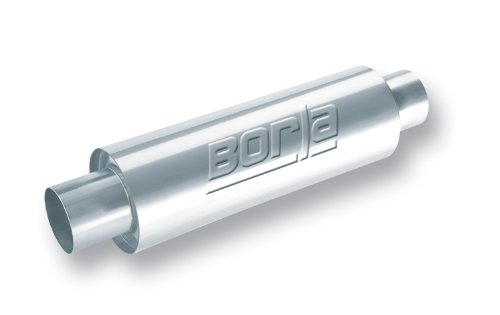
Borla
Borla 140085 Cat-Back Exhaust System (40085)
- Engineered to provide excellent exhaust emission and internal power generation
- Easy installation
- Provides brilliant fuel economy and increase horsepower efficiently
As an Amazon Associate I earn from qualifying purchases.
Are you wondering if your Borla exhaust will deepen its growl or unleash a more potent roar as you drive? It’s a common thought among car enthusiasts, especially those who’ve just invested in a premium exhaust system like Borla. You want that satisfying sound, and you want it to last. But does it actually change? The good news is, yes, it often does, and in a way that most owners find even better than when it was brand new. We’re going to break down exactly why this happens and what you can expect, making it super simple to understand.
This guide is here to clear up any confusion. We’ll explore the science and sound behind Borla exhausts and help you understand their acoustic journey. Get ready to learn what contributes to that evolving, exciting exhaust note!
Understanding Exhaust Sound Evolution
When you install a new exhaust system, particularly a high-performance one like Borla, it’s not just a bolt-on part; it’s a piece of engineering designed to enhance your driving experience. One of the most exciting aspects of this experience is the sound. Many people notice a change in their exhaust note after some use, and it’s not your imagination. This phenomenon is quite normal and often leads to the sound becoming more pleasing to the ear.
Exhaust systems, especially those made with materials like stainless steel or titanium, undergo a natural break-in process. Think of it like a new pair of shoes that need to be worn in to become comfortable. Similarly, the internal packing materials and even the metal components of an exhaust system settle and change as they’re exposed to heat cycles and exhaust gases. This “settling” process can alter how the exhaust sounds.
At Borla, they use advanced sound-tuning technologies and high-quality materials to create their signature sound. However, even with their precision engineering, the acoustics can evolve. This evolution is generally a positive thing, leading to a deeper, fuller, and sometimes louder tone that many consider to be the “true” sound of the exhaust.
Does Borla Exhaust Get Louder? The Break-In Period
The question “Does Borla exhaust get louder?” is one we hear often. The answer is a resounding, “Yes, it typically does, especially after a break-in period.” This isn’t about the system wearing out; rather, it’s about it reaching its optimal sound potential.
When you first install a Borla exhaust, it might sound slightly different than you expected. It could be a bit tamer, or the tone might not have that full resonance you heard in demonstrations. This is perfectly normal. The components within the muffler and the exhaust piping itself need time to adjust to the conditions they’ll experience during regular driving.
What happens during the break-in period?
- Internal Packing Settles: Many performance mufflers contain sound-absorbing materials. These materials need to heat up and compress slightly to work most effectively and achieve their intended acoustic properties. As they settle, they can allow more of the exhaust’s natural tone to be heard.
- Gases and Heat Cycles: The constant flow of hot exhaust gases through the pipes and muffler causes the materials to expand and contract. This repeated thermal cycling helps to “normalize” the system, allowing it to perform and sound as designed.
- Carbon Buildup: While not necessarily a primary factor for sound increase, a small amount of carbon can begin to coat the inside of the exhaust. This can slightly alter the resonance, though Borla systems are designed to manage this and maintain their intended tone.
The duration of this break-in period can vary depending on the specific Borla system and how you drive your vehicle. Typically, you’ll start noticing a subtle change after a few hundred miles. By the time you’ve put around 1,000 miles on the new exhaust, it’s usually settled into its fully developed sound profile.
During this time, it’s recommended to drive your vehicle normally. Avoid excessively aggressive driving immediately after installation if you want the exhaust to break in smoothly. This gentle introduction allows the materials to adapt without any potential stress.
Factors Influencing Borla Exhaust Sound
While the break-in period is a significant reason why a Borla exhaust might get louder and sound better over time, several other factors play a crucial role in shaping its overall acoustic signature and how it evolves. Understanding these can help you appreciate the nuances of your exhaust system.
Borla is renowned for its engineering, but even the best systems interact with the vehicle and the environment. Here’s a look at what influences your exhaust’s sound:
Material Matters: Stainless Steel vs. Other Metals
Borla primarily uses high-grade T-304 austenitic stainless steel for many of its exhaust systems. This material is chosen for its durability, corrosion resistance, and its ability to produce a specific tone. Stainless steel is dense and resonates well, contributing to a cleaner, sharper sound. Over time, with heat and use, the metal itself can subtly change its acoustic properties, often leading to a richer, fuller tone.
Other metals, like carbon steel or titanium, would have different tonal characteristics and wear patterns. Borla’s choice of stainless steel contributes to both longevity and a desirable evolving sound profile.
Muffler Design and Technology
Borla offers various muffler technologies, each designed to achieve a specific sound level and characteristic:
- Touring: Designed for a mild, civil sound, often just slightly louder than stock.
- S-Type: Offers a more aggressive, sporty sound.
- ATAK (Acoustically Tuned Applied Kinetics): Borla’s loudest option, providing an aggressive, race-inspired tone.
Within these lines, the internal design of the muffler – whether it uses chambers, perforations, or packing materials – directly impacts how sound waves are processed. As these internal components settle, the way they dampen or amplify sound can change, potentially leading to a perception of increased volume or a different tone.
Engine and Vehicle Specifics
The exhaust note isn’t solely determined by the mufflers. The engine’s displacement, firing order, and camshaft design all contribute to the exhaust pulses. The vehicle’s overall architecture, including the length and diameter of the piping and the presence of catalytic converters or resonators, also affects the final sound that exits the tailpipe.
A larger engine might naturally produce a deeper, louder sound, which the Borla system will amplify and refine. A smaller engine might have its sound signature enhanced in a different way. Think of the Borla system as a sophisticated amplifier for your engine’s inherent voice.
Driving Style
How you drive your car significantly impacts the sound your Borla exhaust produces and how it “feels” over time. Frequent acceleration and higher RPMs will put more stress and heat through the exhaust system, potentially accelerating the break-in process and making the louder, richer tones more apparent sooner. More aggressive driving also means the sound is heard more often, reinforcing the perception of it getting louder.
Environmental Factors
While less impactful than internal factors, external conditions can play a minor role. Temperature and humidity can subtly affect sound transmission. However, the primary drivers of sound change are internal to the exhaust system and the engine.
What to Expect from Your Borla Exhaust Over Time
You’ve invested in a Borla for its performance and sound, and understanding its evolution can enhance that ownership experience. Most Borla owners are looking for a specific kind of sound: one that’s aggressive enough to be exciting but refined enough to be livable daily. The good news is, the system is designed to achieve this.
Here’s a breakdown of what you can typically expect:
Initial Sound vs. Mature Sound
Initial Sound: When brand new, a Borla exhaust might sound strong and distinct, but it can sometimes have a slightly “tight” or less resonant quality. It’s like a musician warming up their instrument. The sound is there, but it hasn’t reached its full tonal richness.
Mature Sound: After the break-in period (usually between a few hundred to a thousand miles), you’ll likely notice a few key changes:
- Increased Depth: The tone will become deeper and more resonant. It’s less of a sharp bark and more of a powerful rumble.
- Richer Tone: Harmonic overtones will fill out, giving the exhaust note a more complex and pleasing character.
- Slight Increase in Volume: While not dramatically louder in terms of decibels for most S-Type or Touring systems, the sound will feel fuller and more present. For ATAK systems, the perceived loudness can increase as components settle, offering an even more aggressive profile.
This mature sound is what Borla aims for – a sound that announces performance without being obnoxious, and which complements the engine’s power.
Longevity and Durability
Borla exhausts are built to last. Their use of premium T-304 stainless steel means they are highly resistant to rust and corrosion. This durability means the sound you achieve after the break-in period should remain consistent for many years, provided the system is maintained properly and not subjected to extreme damage.
Performance Gains?
While the primary goal for many is the sound, performance improvements are often a welcome byproduct. A well-designed exhaust system like Borla can reduce backpressure, allowing the engine to “breathe” more freely. This can lead to modest gains in horsepower and torque. These performance benefits are usually present from installation but can sometimes feel more pronounced as the engine and exhaust system work in harmony over time.
Maintenance Considerations
To ensure your Borla exhaust continues to perform and sound its best, some basic maintenance is recommended:
- Regular Inspections: Check for any signs of damage, leaks, or loose hangers.
- Cleaning the Tips: Keeping the visible tailpipe tips clean will maintain the aesthetic appeal of your exhaust system. A simple wash with soap and water or specialized stainless steel cleaner will work wonders.
- Checking for Leaks: Listen for any unusual hissing or puffing sounds from areas other than the tailpipe, which might indicate a leak needing repair.
Borla systems are designed for reliability. With minimal care, they will provide years of enhanced sound and performance.
Table: Borla Sound Levels Explained
To help you understand the sound progression and what each level aims for, consider this table. Remember, ‘louder’ is subjective and also means ‘richer’ or ‘more aggressive’ in tone.
| Borla Series | Typical Initial Sound | Expected Sound After Break-in | Key Characteristics |
|---|---|---|---|
| Touring | Slightly louder than stock, refined | Deeper, fuller, more present but still very civil | Subtle enhancement, minimal drone, ideal for daily driving |
| S-Type | Noticeably aggressive, sporty | More aggressive, richer tone, fuller rumble | Balanced performance and sound, exciting without being overwhelming |
| ATAK | Very loud, aggressive, race-inspired | Even more aggressive resonance, powerful, commanding | Maximum sound and performance, not for everyone, highest potential for ‘getting louder’ perception |
As you can see, the progression isn’t just about decibels; it’s about the quality and character of note. The break-in period allows the Borla system to fully express its engineered sound.
Troubleshooting Sound Concerns
While most Borla exhaust systems evolve into a more desirable sound, sometimes owners might encounter issues or have concerns about the sound. It’s important to address these to ensure you’re getting the performance and acoustics you paid for. If your Borla exhaust isn’t sounding as you expected, or if it sounds “wrong,” there are a few things to check.
Don’t let a strange sound ruin your experience. Here’s how to tackle common topics:
Is It Too Loud?
If your Borla exhaust, even after break-in, is uncomfortably loud for your taste (particularly with S-Type or ATAK models), consider these points:
- Resonators and Catalytic Converters: Ensure all your vehicle’s original emissions equipment (catalytic converters) and any optional resonators intended to be kept with the Borla system are in place and functioning correctly. These components help to quiet the exhaust.
- Driving Style: Aggressive acceleration naturally makes any exhaust louder. Try to be mindful of your throttle input.
- Engine Load: Some drone or increased noise is common under specific engine loads or RPMs. This is a characteristic of performance exhausts.
- Installation: A poor installation can sometimes lead to vibrations or unintended resonances that make the exhaust sound harsher or louder than it should.
If the sound is excessively loud or has an unpleasant quality even after a proper break-in, consult the Borla customer support or a professional installer. They can help diagnose if there’s an issue specific to your system or vehicle.
Is It Not Loud Enough?
This is less common with Borla, as they are known for their distinct sound. However, if you feel your system hasn’t developed the expected tone:
- Has it fully broken in? Ensure you’ve accumulated sufficient mileage (around 1000 miles) for the muffler packing and materials to settle.
- Engine Compatibility: Is the exhaust system correctly matched to your engine? A system designed for a larger V8 might sound less impressive on a smaller 4-cylinder.
- Other Exhaust Components: Are there stock resonators or other mufflers still in the system that might be significantly quieting the Borla? Many Borla systems are designed to replace the entire cat-back or axle-back section for maximum effect.
Unusual Noises (Rattling, Hissing)
These are usually signs of a problem rather than normal evolution:
- Loose Hangers or Clamps: The most common cause of rattling is a loose component in the exhaust system. Check all hangers, clamps, and connections.
- Heat Shields: Sometimes, heat shields on the exhaust or surrounding components can become loose and rattle.
- Internal Muffler Issue: While rare with Borla’s quality, internal baffles or packing could potentially shift. This would likely require professional inspection.
- Leaks: A hissing sound is often indicative of an exhaust leak before the muffler or at a connection point. Leaks can affect sound and performance. Small leaks can sometimes self-seal as carbon builds up over time, but larger ones need repair.
For any unusual noises, it’s best to have the system inspected by a qualified mechanic or exhaust specialist. Safety first – a compromised exhaust system can be dangerous. For reference on exhaust leaks and their detection, you can look at resources from automotive safety organizations like NHTSA, which highlights the importance of exhaust system integrity.
Frequently Asked Questions About Borla Exhausts
Q1: Does a Borla exhaust get louder the longer I have it?
A: Yes, most Borla exhausts will get louder and develop a richer tone after an initial break-in period, typically after a few hundred to a thousand miles of driving. This is a natural process as the internal components of the muffler settle and the system experiences heat cycles.
Q2: How long does it take for a Borla exhaust to break in?
A: The break-in period usually takes about 500 to 1000 miles of normal driving. You’ll start to notice subtle changes in the sound sooner, but the full, mature sound is typically achieved within this mileage range.
Q3: Will my Borla S-Type exhaust be too loud for daily driving?
A: While the S-Type is an aggressive system, Borla designs them to offer a balance. After break-in, it should provide a noticeable, sporty sound that is generally considered livable for daily driving by most enthusiasts. If you’re concerned about loudness, the Touring series is an option, or consider if your vehicle benefits from retaining stock resonators.
Q4: What is the difference between Borla Touring, S-Type, and ATAK?
A: These series represent different sound levels: Touring is mild and refined, slightly above stock. S-Type is sporty and aggressive, offering a significant enhancement. ATAK is Borla’s loudest and most aggressive, providing a race-inspired tone. Your choice depends on how loud and aggressive you want your exhaust to be.
Q5: Can a Borla exhaust get quieter over time?
A: It’s highly unlikely for a Borla exhaust to get significantly quieter over time unless there’s a specific issue like a developing leak or damage to the muffler’s internal components, which is rare. The natural evolution is towards a richer, fuller sound, which can be perceived as louder.
Q6: How should I clean the exhaust tips on my Borla system?
A: You can typically clean Borla exhaust tips with mild soap and water. For stubborn carbon buildup or to restore shine to stainless steel, use a dedicated stainless steel cleaner and a soft cloth. Avoid abrasive materials that could scratch the finish.
Q7: If my Borla exhaust rattles, what could be the cause?
A: Rattling is usually caused by loose components. This could be exhaust hangers, clamps, the exhaust pipe itself contacting the vehicle’s undercarriage, or even a loose heat shield. Check all connections and mounting points. If you can’t isolate the source, it’s best to have it inspected by a professional installer.
Conclusion: Embracing the Borla Sound Journey
So, does Borla exhaust get louder? The answer is a clear yes, and it’s a change most enthusiasts welcome. This increase in volume, coupled with a deeper, richer tone, is the result of a natural break-in process. Over the first few hundred miles, the materials within your Borla system settle, mature, and begin to produce that signature Borla sound that is both thrilling and refined.
Understanding the factors that influence this evolution—from the premium stainless steel construction to the specific muffler design and even your driving habits—allows you to appreciate the quality and engineering that Borla puts into every system. It’s not just about a louder exhaust; it’s about a perfectly tuned acoustic experience that enhances your connection with your vehicle. By knowing what to expect and performing basic maintenance, you can ensure your Borla exhaust continues to deliver its best sound and performance for years to come.
Don’t be surprised if, after some time, that exhilarating roar you fell in love with becomes even more satisfying. That’s the Borla promise: a performance exhaust system that gets better with age and experience. Enjoy the journey, and enjoy the sound!
Related pick: Check today's price on Amazon