Does Vance and Hines Exhaust Have Proven Numbers?
Yes, Vance & Hines exhaust systems often come with identifiable numbers, like product codes and serial numbers, which are crucial for proving authenticity and for replacement parts. These numbers help verify your product and can be found on the exhaust itself or its packaging, ensuring you have a genuine Vance & Hines part.
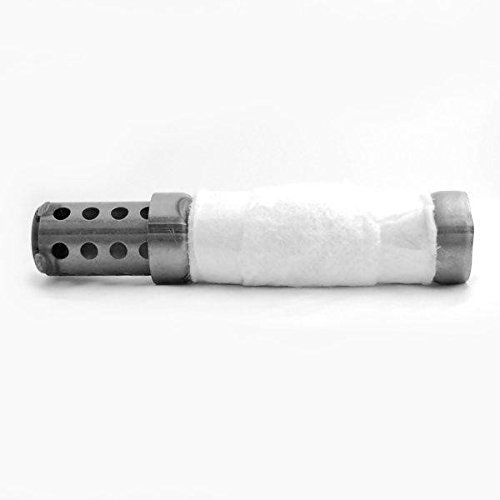
Vance & Hines
Vance & Hines Quiet Baffle for Big…
- Replace the excessive bulk and weight of the stock system and substantially increase horsepower and torque
- Utilize the exclusive Vance Hines Power Chamber
- The Power Chamber is a unique crossover system that offers all the performance advantages of a 2 into 1 race system yet retains th…
As an Amazon Associate I earn from qualifying purchases.
Ever wondered if that sleek Vance & Hines exhaust on your ride is the real deal? Or maybe you need to find a specific part for a replacement and aren’t sure where to start? Finding proof of authenticity or identification numbers for an exhaust system might seem a bit tricky at first, but it’s important for a few reasons. It helps ensure you’re getting a genuine product, and it’s essential if you ever need to look up specific details or order replacement parts. Don’t worry, we’ll break down exactly where and how to find these important numbers on your Vance & Hines exhaust. Let’s get your questions answered and boost your confidence in understanding your bike’s upgrades!
What Are “Proven Numbers” and Why Do They Matter for Your Vance & Hines Exhaust?
When we talk about “proven numbers” in the context of a Vance & Hines exhaust, we’re usually referring to specific identifiers. These aren’t numbers that magically prove a horsepower gain in themselves, but rather codes that tell you essential information about the exhaust system you have or are considering. Think of them as the exhaust’s “birth certificate” and “ID card” rolled into one.
These numbers are critical for several reasons:
- Authenticity: They help confirm that your exhaust is a genuine Vance & Hines product and not a counterfeit. Counterfeit parts can be of lower quality, perform poorly, and might not be safe.
- Part Identification: If you need to replace a specific component, like a baffle or mounting bracket, these numbers are key to ordering the correct part. Vance & Hines has a vast catalog, and the right number ensures compatibility.
- Warranty and Support: For warranty claims or technical support, Vance & Hines will often ask for these identification numbers to verify your purchase and the specific product model.
- Resale Value: When selling your motorcycle or the exhaust system separately, having genuine parts with verifiable identification can contribute to a better resale value.
- Legal and Regulatory Compliance: In some regions, exhaust systems must meet certain emissions or noise regulations. Identification numbers can link your exhaust to its compliance certifications. For instance, understanding [EPA emission control standards] can highlight why proper identification for aftermarket parts is becoming increasingly important globally.
So, while “proven numbers” might sound like performance metrics, they are more about verifying the product’s identity and origin. Let’s dive into where you can find them.

Where to Find Vance & Hines Exhaust Identification Numbers
Vance & Hines typically puts its identification numbers in a few key places. Knowing where to look will save you a lot of searching time.
On the Exhaust System Itself
The most common place to find these numbers is directly stamped or etched onto the exhaust components. This is Vance & Hines’ way of permanently marking their products.
- Mufflers/Silencers: Look on the side or the end of the muffler body. Often, there’s a small plate riveted on, or the numbers are directly stamped into the metal. You might need to clean the area a bit to see them clearly.
- Headpipes/Megaphones: Sometimes, identification numbers can be found on the headpipes, especially near the connection point to the engine or muffler.
- Heat Shields: While less common for primary identification, some smaller parts or shields might have temporary labels or stamps.
Tip: A flashlight and perhaps a soft brush to clean away dirt and grime will be your best friends when searching on the exhaust itself.
On the Product Packaging
If you still have the original box or packaging that your Vance & Hines exhaust came in, this is another prime location for identification numbers.
- Stickers: Most of the time, the original shipping box will have one or more stickers. These often contain the product’s model number, serial number, barcode, and sometimes even manufacturing dates.
- Manuals and Inserts: Check any instruction manuals, warranty cards, or other paperwork that came with the exhaust. These documents usually list the relevant product codes.
Keeping the original packaging for a while after purchase can be very beneficial for these reasons.
In Your Purchase Records
If you bought the exhaust new from a dealer or online retailer, your invoice or order confirmation is crucial.
- Invoices/Receipts: Look for a product name, part number, or SKU (Stock Keeping Unit) that corresponds with your Vance & Hines exhaust.
- Online Order History: If purchased online, check your account history on the retailer’s website.
These records serve as a digital or paper trail that can help you identify the exact model you purchased.
Types of “Proven Numbers” You Might Find
Vance & Hines uses several types of identifiers. Understanding what each one means can help you pinpoint the exact information you need.
Product Codes / Part Numbers
These are the most common and perhaps the most important “numbers” for identifying the specific model of your Vance & Hines exhaust. They tell you exactly which exhaust system you have.
- These codes are usually alphanumeric (a mix of letters and numbers).
- They are specific to the application (e.g., a particular make, model, and year of motorcycle).
- Example: A product code might look something like ‘21899’ or ‘47776-07’.
You’ll use these codes to search Vance & Hines’ official website for installation instructions, diagrams, replacement parts, or performance specifications.
Serial Numbers
A serial number is a unique identifier assigned to each individual unit produced. It helps Vance & Hines track specific items for quality control, warranty, and manufacturing purposes.
- Serial numbers are typically longer and more complex than product codes.
- They are unique to each exhaust system, even if they are the same model.
- Example: A serial number might look like ‘VNH1234567890’.
While not always needed by the end-user for everyday purposes, it’s crucial if you ever need to contact Vance & Hines directly for support or warranty issues.
Batch or Lot Numbers
These numbers identify a specific group of products manufactured together. They are primarily for internal quality control by Vance & Hines.
- Less common for end-users to encounter or need.
- Important for tracking potential manufacturing defects within a production run.
Manufacturing Dates (Less Common)
Some parts might have a date stamp, indicating when they were made. This is less common as a primary identifier but can sometimes be found etched or printed on components or labels.
Vance & Hines Product Number Lookup: Making Sense of the Codes
Once you’ve found a number, the next step is figuring out what it means and how to use it. Vance & Hines provides resources to help you with this.
Using the Vance & Hines Official Website
The official Vance & Hines website ([vanceandhines.com]) is your best resource. Navigate to their “Products” or “Support” sections.
- Product Finder: Many manufacturer websites have a tool where you can enter your motorcycle’s make, model, and year to see compatible exhaust systems. If you found a product code, you can often enter that directly to find its page.
- Search Bar: Use the search bar on their site. Enter the product code you found. This should take you directly to the product page for that specific exhaust system.
- Documentation: Once on the product page, you can usually find links to download installation instructions, user manuals, and specification sheets. These documents will confirm the product details and may even show typical performance gains.
What if I Can’t Find the Number?
Don’t panic if you can’t find a number immediately. Here are a few more tips:
- Check All Sides and Angles: Exhaust components are constantly exposed to the elements and road grime. Give them a thorough cleaning and re-inspect carefully, using good lighting.
- Look for Faint Etchings: Sometimes, numbers are lightly etched into the metal and can be hard to see. Try catching them at different angles with a flashlight.
- Consult Your Motorcycle Manual: While it won’t have Vance & Hines specific numbers, it might have details about the original exhaust if you’re trying to confirm if it’s stock or an aftermarket addition.
- Contact Vance & Hines Customer Support: If you have exhausted all other options and have photos of your exhaust, Vance & Hines customer support is usually very helpful. They can often identify a product based on clear pictures and descriptions.
- Consult a Local Vance & Hines Dealer: A reputable motorcycle shop that installs Vance & Hines systems might also be able to help identify your exhaust.
Do Vance & Hines Exhausts Come with Performance “Proven Numbers”?
This is where the distinction between identification numbers and performance numbers becomes important. Vance & Hines exhausts are designed to improve the performance of your motorcycle, and they do provide data, but not always as simple “proven numbers” stamped on the exhaust itself like serial numbers.
What Vance & Hines Offers
Vance & Hines typically advertises performance gains in terms of horsepower and torque increases when they have reliable data. These figures are usually found:
- On Product Pages: The official Vance & Hines website will often list estimated horsepower and torque gains for each exhaust system. These are usually presented as a range or an average increase over stock.
- In Promotional Materials: Brochures, advertisements, and videos might highlight performance improvements.
- Through Independent Reviews and Dyno Tests: Many motorcycle publications and independent enthusiasts perform “dyno tests” to measure horsepower and torque before and after installing an aftermarket exhaust. These independent tests can provide real-world “proven numbers.”
A table illustrating typical performance gains for different Vance & Hines lines might look like this:
| Vance & Hines Exhaust Line | Typical Horsepower Increase | Typical Torque Increase | Notes |
|---|---|---|---|
| Vance & Hines ShortShots Staggered | 3-5 HP | 3-5 ft-lbs | Popular for cruisers, aggressive styling. |
| Vance & Hines Big Radius | 4-6 HP | 4-6 ft-lbs | Known for deep sound and strong mid-range torque. |
| Vance & Hines VO2 Air Intake (often paired with exhaust) | 2-4 HP | 2-3 ft-lbs | For unrestricted airflow to complement exhaust. |
| Vance & Hines Racing/Competition Series | 5-10+ HP | 5-8+ ft-lbs | Designed for maximum performance, may not be street legal everywhere. |
Important Considerations:
- These numbers are estimates and can vary significantly based on the specific motorcycle make, model, year, engine condition, and tuning used.
- For the best results, Vance & Hines often recommends pairing their exhaust systems with an upgraded air intake and a proper fuel management system (like a fuel controller or remapping). This is crucial for achieving optimal performance and ensuring the engine runs correctly. Without proper tuning, you might not see advertised gains and could even lean out the engine, causing damage.
- Always refer to the specific product page on the Vance & Hines website for the most accurate and application-specific performance data.
Installation and Identification: A Step-by-Step Guide
Let’s say you’re ready to install your Vance & Hines exhaust. Knowing where the identification numbers are can be helpful during the process, especially if you need to refer back to instructions or parts diagrams.
Step 1: Gather Your Tools and Parts
Before you start, make sure you have everything. This includes:
- Your new Vance & Hines exhaust system.
- All included hardware (bolts, washers, clamps, gaskets).
- The installation instructions (refer to the product number found earlier).
- Necessary tools: Socket set, wrenches, screwdrivers, pliers, torque wrench, penetrating oil (for removing old exhaust), a vise or a way to support the bike safely.
- Safety gear: Gloves, eye protection.
Step 2: Remove the Stock Exhaust System
- Safely support your motorcycle. If it’s a cruiser or sportbike, a rear stand or motorcycle lift is ideal.
- Locate the exhaust mounting points.
- Use penetrating oil on stubborn bolts and allow it to soak.
- Carefully unbolt and remove the old exhaust system. Be prepared for it to be heavy and potentially awkward.
Step 3: Install the Vance & Hines Exhaust
This is where your installation instructions, identified by your product number, become vital.
- Review Diagrams: Look at the diagrams provided in the instructions. These will show you the correct orientation of pipes and mufflers.
- Install Gaskets: Use new exhaust gaskets if required, especially at the headpipe connections.
- Hand-Tighten First: Do not fully tighten any nuts or bolts initially. Hand-tighten all connections first to ensure everything aligns properly.
- Check for Interference: Make sure the new exhaust isn’t touching any other part of the motorcycle that it shouldn’t, like frame components or drive belts.
- Final Tightening: Once everything is aligned, proceed to tighten fasteners in the sequence recommended by Vance & Hines. Use a torque wrench to tighten bolts to the manufacturer’s specifications. This is crucial to prevent leaks or damage. You can often find torque specifications on resources like [Engineering Toolbox for Fasteners].
Step 4: Final Checks
- Double-check all fasteners for security.
- Ensure there are no exhaust leaks at the connections.
- Start the engine and listen for any unusual noises or leaks.
- Address any issues before riding.
During this process, if you ever need to confirm a specific part of the hardware, referring back to the product code and instructions downloaded from the Vance & Hines website using that code will be invaluable.

FAQ: Vance & Hines Exhaust Numbers and Performance
Here are some common questions beginners have about Vance & Hines exhaust identification numbers and performance data.
Q1: What is the most important number to find on my Vance & Hines exhaust?
The most important number for general identification and support is the Product Code or Part Number. This alphanumeric code tells you the exact model of the exhaust and allows you to look up specific details, instructions, and replacement parts on the Vance & Hines website.
Q2: Where can I typically find the Vance & Hines product code?
You can usually find the product code stamped or etched directly onto the muffler, on a sticker on the original packaging, or listed on your purchase receipt. Check the side of the pipes or mufflers carefully.
Q3: Does Vance & Hines provide horsepower and torque “numbers” for their exhausts?
Yes, Vance & Hines typically provides estimated horsepower and torque gains for their exhaust systems on their official website’s product pages. These are performance estimates, not identification numbers stamped on the exhaust.
Q4: How accurate are the advertised horsepower and torque gains?
The advertised gains are estimates that can vary widely depending on your motorcycle’s make, model, year, existing modifications, and especially the fuel tuning. For maximum gains and proper engine function, upgrades like a Vance & Hines air intake and a fuel controller are often recommended.
Q5: Can I identify a Vance & Hines exhaust if it’s already on my used motorcycle and has no visible numbers?
It can be challenging, but not impossible. You can try comparing your exhaust to different models on the Vance & Hines website based on its visual appearance (shape, length, number of baffles, tip style). Taking clear photos and contacting Vance & Hines customer support is often the best approach in this situation.
Related pick: Check today's price on Amazon