Difference in Exhaust Systems: Key Insights for Better Performance
Have you ever wondered why your car sounds different from others on the road? Or why some vehicles seem to have more power and better fuel efficiency?
The secret often lies in the exhaust system. Understanding the difference in exhaust systems can help you make smarter choices for your vehicle’s performance and sound. You’ll discover how various exhaust setups work and which one fits your needs best.
Keep reading, because what you learn here could change the way you drive and enjoy your car.
Types Of Exhaust Systems
Exhaust systems come in different types. Each type affects your car’s sound, power, and efficiency. Choosing the right system helps your vehicle perform better. Let’s explore the main types of exhaust systems available.
Single Exhaust
A single exhaust has one pipe for releasing gases. It is common in most cars. This system is simple and less costly. It works well for small engines. Single exhausts usually save space and weight. It offers good fuel economy for everyday driving.
Dual Exhaust
Dual exhaust systems have two separate pipes. They allow gases to exit faster. This improves engine breathing and power. Dual exhausts often create a louder, sportier sound. They suit bigger engines or performance cars. This setup can help your engine run cooler too.
Turbo Back Exhaust
A turbo back exhaust starts after the turbocharger. It replaces the factory system from the turbo to the rear. This design reduces back pressure and increases airflow. It helps the turbo work more efficiently. Turbo back exhausts often boost horsepower and torque. Many car enthusiasts prefer this for better performance.

Materials Used In Exhaust Systems
Exhaust systems use different materials to handle heat and resist corrosion. The choice of material affects the system’s durability, weight, and cost. Understanding these materials helps in choosing the right exhaust system for your vehicle. Three common materials are stainless steel, aluminized steel, and titanium.
Stainless Steel
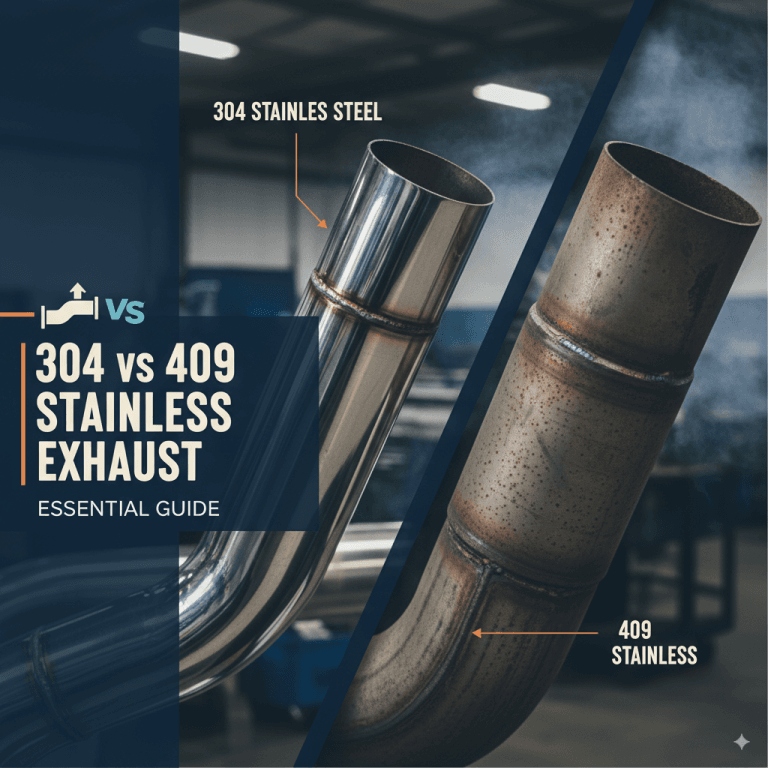
Stainless steel is popular due to its strong resistance to rust. It lasts longer than many other metals. This material handles heat well and keeps its shape. It is heavier but offers excellent durability. Many high-quality exhaust systems use stainless steel for these reasons.
Aluminized Steel
Aluminized steel has a coating of aluminum to prevent rust. It costs less than stainless steel. This material balances price and protection. It works well for everyday driving. Its lifespan is shorter, but it still resists corrosion better than plain steel.
Titanium
Titanium is lightweight and very strong. It resists heat and corrosion better than steel. This material reduces the overall weight of the vehicle. Titanium is often found in high-performance and racing exhausts. It is more expensive but offers great strength and lightness.
Impact On Engine Performance
The exhaust system plays a key role in engine performance. It controls how exhaust gases leave the engine. Different exhaust systems can change how well the engine works. This affects power, fuel use, and noise. Understanding these effects helps choose the best system for your vehicle.
Horsepower And Torque
The exhaust system affects horsepower and torque. A good system lets gases flow smoothly. This reduces back pressure and helps the engine breathe. Engines with less back pressure produce more power. This means better acceleration and stronger pulls. Some systems are designed to boost torque at low speeds.
Fuel Efficiency
Exhaust systems can improve fuel efficiency. When gases exit quickly, the engine uses fuel better. A clear path for exhaust means less wasted energy. This helps the engine run cooler and cleaner. Some systems help sensors work better, improving fuel control. A well-tuned exhaust can save fuel over time.
Sound And Noise Levels
Exhaust design changes the sound of the engine. Some systems create a loud, deep roar. Others keep noise low and smooth. Sound levels depend on muffler type and pipe size. A noisy exhaust may attract attention but annoy neighbors. Quiet systems offer comfort and reduce noise pollution. Choose sound based on personal preference and local laws.
Design Elements Affecting Performance
The design of an exhaust system plays a key role in how a vehicle performs. Small changes in parts can change power, sound, and efficiency. Understanding these design elements helps explain why exhaust systems differ. Three main factors shape their performance: pipe diameter, muffler types, and catalytic converters.
Pipe Diameter
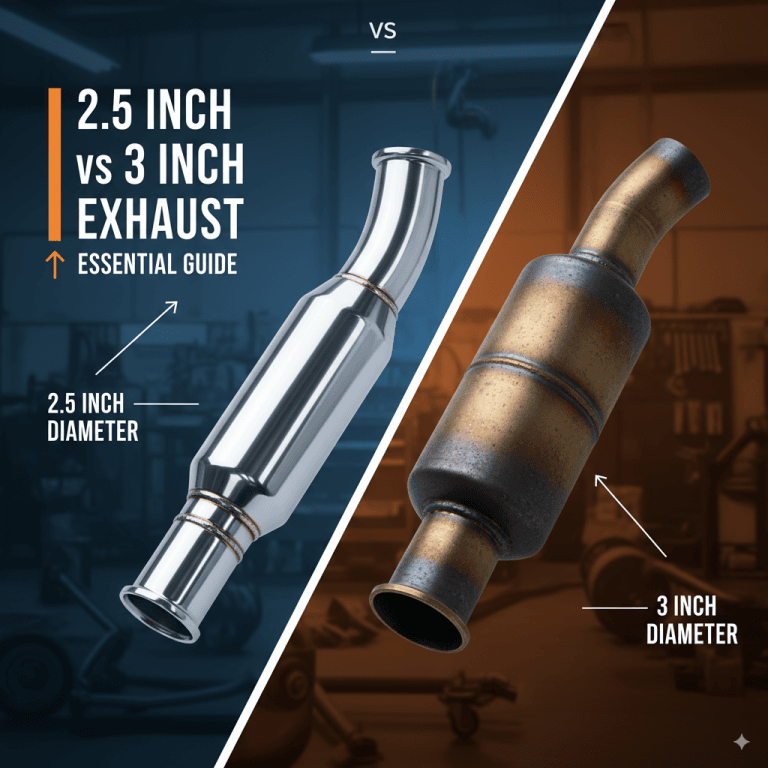
The pipe diameter affects how gases flow through the exhaust. Larger pipes let gases escape faster. This can boost engine power at high speeds. Smaller pipes create more back pressure. This helps low-speed torque and fuel efficiency. Choosing the right pipe size balances power and fuel use.
Muffler Types
Mufflers reduce noise from the engine. Different types affect sound and performance. Straight-through mufflers allow gases to flow freely. They make the car louder but improve power. Chambered mufflers use chambers to cancel sound waves. They are quieter but can limit flow. The muffler design shapes the car’s sound and how well it breathes.
Catalytic Converters
Catalytic converters reduce harmful emissions. They change toxic gases into less harmful ones. The size and design of the converter affect flow resistance. High-flow converters allow better gas flow, helping performance. Standard converters focus more on pollution control. The balance between emissions and power depends on the converter choice.
Aftermarket Vs Oem Exhaust Systems
The choice between aftermarket and OEM exhaust systems affects your car’s sound, performance, and cost. OEM stands for Original Equipment Manufacturer. These parts come from the car maker and fit perfectly. Aftermarket parts are made by other companies. They often offer more variety and style options. Both types have pros and cons. Understanding these helps you pick the right exhaust for your needs.
Cost Considerations
OEM exhaust systems usually cost more. They include exact parts made for your car. Aftermarket options can be cheaper. Prices vary based on brand and materials. Some aftermarket parts offer budget-friendly choices. Others can be expensive if they use special metals. Think about your budget before choosing.
Performance Gains
OEM systems provide reliable performance. They match your car’s original setup. Aftermarket exhausts can improve power and sound. Some designs reduce backpressure for better engine flow. This may increase horsepower slightly. Sound levels may be louder or deeper. Choose aftermarket parts made for your car model. This ensures better results.
Durability And Warranty
OEM parts come with strong warranties. They last long under normal use. Aftermarket durability varies by brand and material. Stainless steel options resist rust well. Some aftermarket parts may wear faster. Warranties on these parts differ greatly. Check warranty details before buying.
Maintenance Tips For Exhaust Systems
Maintaining an exhaust system keeps your vehicle running smoothly. It helps reduce harmful emissions and improves fuel efficiency. Regular care prevents costly repairs and extends the system’s life.
Regular Inspections
Check the exhaust system often for rust or holes. Look under the car and listen for strange noises. Early detection of problems saves money and avoids breakdowns.
Signs Of Wear And Damage
Watch for loud noises, bad smells, or reduced fuel efficiency. Black smoke or a vibrating tailpipe also signals issues. These signs mean it is time to inspect or fix parts.
Cleaning And Repairs
Keep the exhaust clean from dirt and debris. Use a wire brush to remove rust spots. Replace damaged parts quickly to keep the system working well and safe.
Frequently Asked Questions
What Are The Main Types Of Exhaust Systems?
Exhaust systems vary mainly as single, dual, and turbo-back systems. Each type affects performance, sound, and emissions differently. Single systems are common in standard vehicles. Dual systems improve flow and power. Turbo-back systems optimize turbocharged engine efficiency and power output.
How Does An Exhaust System Affect Vehicle Performance?
Exhaust systems influence engine efficiency by managing gas flow. A well-designed system reduces backpressure and improves horsepower. It also enhances fuel economy and reduces emissions. Performance exhausts can increase power and provide a sportier sound, benefiting overall driving experience.
What Materials Are Used In Exhaust Systems?
Exhaust systems commonly use stainless steel, aluminized steel, and mild steel. Stainless steel offers durability and corrosion resistance. Aluminized steel is cost-effective but less durable. Material choice impacts longevity, weight, and resistance to rust and heat.
Why Do Exhaust Systems Differ In Sound Output?
Sound differences arise from pipe diameter, muffler design, and resonators. Larger pipes and less restrictive mufflers create louder, deeper sounds. Performance systems often enhance engine noise for sportier tones. Stock systems prioritize noise reduction and comfort.
Conclusion
Exhaust systems affect how a vehicle sounds and performs. Different types offer unique benefits and drawbacks. Choosing the right system depends on your needs and budget. Some focus on better fuel use, others on louder sound or less pollution. Knowing these differences helps you decide wisely.
This way, your car runs smoothly and meets your expectations. Keep these points in mind when considering an upgrade or repair. Understanding exhaust systems makes car care simpler and clearer.