Can You Drive With Exhaust Hanging off
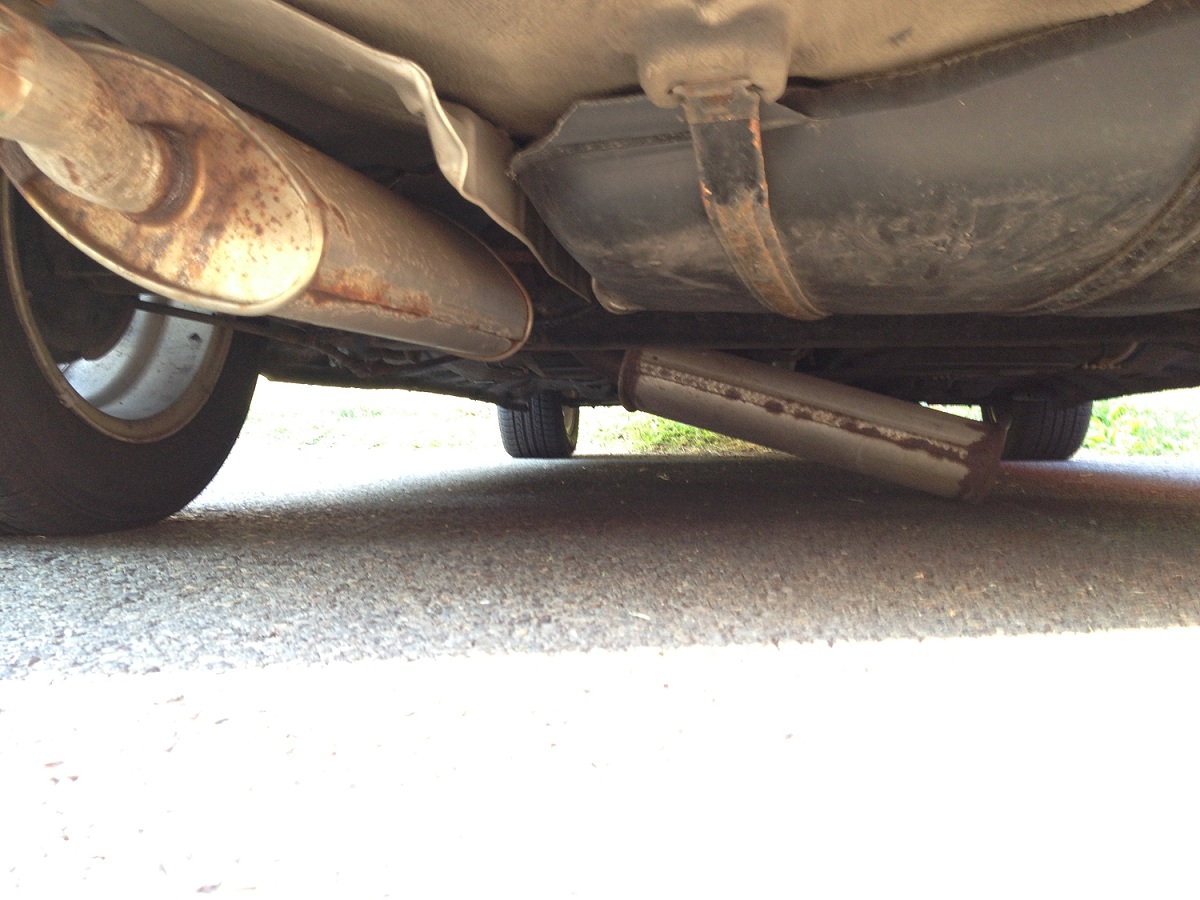
It is not advisable to drive with your exhaust hanging off. If the exhaust pipe becomes disconnected from the rest of the system, it can cause harmful gases to enter the cabin of your vehicle. This can be dangerous for you and your passengers.
Additionally, a loose exhaust can create a loud noise that can be distracting and annoying for other drivers on the road.

Figpade
4PCS Car O Rings Universal Exhaust Hangers,Durable…
- SHOCK ABSORPTION + NOISE REDUCTION: This exhaust hanger fix the exhaust pipe or muffler at an appropriate height and position, thu…
- PRODUCT SPECIFICATION: We provide you with 4 exhaust hangers. Its product parameters are 2.33 inches outside diameter, 1.40 inches…
- DURABLE MATERIAL: This muffler hanger is made of a rubber material called EPDM. It has good elasticity, thermal resistance and tea…
As an Amazon Associate I earn from qualifying purchases.
- If you have an exhaust hanging off, it’s important to drive slowly and carefully
- You don’t want to make any sudden movements or turns, as this could cause the exhaust to fall off completely
- It’s also a good idea to avoid potholes and bumps in the road, as these could jar the exhaust and cause it to fall off
- If possible, try to drive on smooth roads until you can get the exhaust fixed
Dragging Exhaust quick fix/Side of the road super trick/Broken Muffler!!
Driving with a Hanging Exhaust
When you’re behind the wheel, safety should always be your top priority. This includes not only how you drive but also the condition of your vehicle. One issue that can seriously compromise the safety of your vehicle is a hanging exhaust.
A hanging exhaust is more than just an automotive annoyance; it’s a serious concern that can have significant implications. When the exhaust pipe becomes disconnected from the rest of the system, it can lead to a dangerous situation where harmful gases are allowed to enter the cabin of your vehicle. These gases, which include carbon monoxide, nitrogen oxides, and other pollutants, can pose a significant health risk to you and your passengers. Prolonged exposure can lead to symptoms such as headaches, dizziness, and in severe cases, can even be life-threatening.
In addition to the health risks, a loose exhaust can create a loud and distracting noise. This noise isn’t just a nuisance; it can be a real distraction on the road. Excessive noise can make it difficult for you to hear other sounds on the road, such as horns or sirens, which can potentially lead to accidents. Furthermore, the noise can also be disruptive to other drivers and pedestrians, contributing to overall noise pollution.
If you find yourself in a situation where your exhaust is hanging off, it’s important to handle it with care. Avoid making sudden movements or turns, as this could cause the exhaust to fall off completely. Try to drive slowly and carefully, avoiding potholes and bumps in the road that could jar the exhaust and cause it to fall off. If possible, aim to drive on smooth roads until you can get the exhaust fixed.
Risks and Safety Concerns
When discussing the risks associated with a hanging exhaust, it’s crucial to understand the role of the exhaust system in a vehicle. The exhaust system is designed to guide harmful gases away from the engine and out of the vehicle, reduce the noise produced by the engine’s exhaust gases, and ensure the engine runs efficiently. When this system is compromised, as in the case of a hanging or disconnected exhaust, several risks arise.
Health Risks
The most immediate risk is the potential for harmful gases to enter the cabin of the vehicle. The exhaust system carries away gases produced by the engine, including carbon monoxide, nitrogen oxides, and hydrocarbons. These gases can be harmful, or even fatal, with prolonged exposure.
Carbon Monoxide (CO): This is a colorless, odorless gas that can cause sudden illness and death. Initial symptoms of CO poisoning can include headache, dizziness, weakness, upset stomach, vomiting, chest pain, and confusion. High levels of CO inhalation can cause loss of consciousness and death.
Nitrogen Oxides (NOx): These gases contribute to the formation of smog and can irritate the respiratory system, exacerbate conditions like asthma, and can lead to the development of other respiratory infections.
Hydrocarbons (HC): These contribute to the formation of ground-level ozone and smog. They can cause liver damage, lung disease, and even cancer with prolonged or high levels of exposure.
Safety Risks
Beyond the health risks, a hanging exhaust can also pose significant safety risks.
Noise Distraction: A loose or hanging exhaust can create a loud noise, which can be a significant distraction for the driver. This noise can make it difficult to hear other sounds on the road, such as horns, sirens, or the noises of other vehicles, which can potentially lead to accidents.
Potential for Accidents: If the exhaust were to fall off completely while driving, it could cause an accident. The exhaust could hit another vehicle, a pedestrian, or cause a road hazard that could lead to an accident.
Damage to the Vehicle: A hanging exhaust can also cause damage to the vehicle itself. If the exhaust is dragging on the ground, it can cause damage to the exhaust system and potentially other parts of the vehicle.
Step-by-Step Repair Guide for a Hanging Exhaust
Fixing a hanging exhaust can be a complex task, especially if you’re not familiar with car repairs. However, if you’re comfortable with basic car maintenance, you might be able to perform a temporary fix until you can get your vehicle to a professional. Here’s a step-by-step guide to temporarily fix a hanging exhaust:
Materials You’ll Need:
- Safety gloves
- Safety glasses
- A wire coat hanger or strong metal wire
- Wire cutters
- Jack and Jack stands
Steps:
Safety First: Before you begin, ensure you’re wearing safety gloves and glasses to protect your hands and eyes.
Secure the Vehicle: Park your vehicle on a flat, stable surface. If you need to get under the car, use a jack to lift the vehicle and secure it with jack stands. Never get under a vehicle supported only by a jack.
Assess the Situation: Look under the vehicle to identify where the exhaust is hanging. The exhaust system is typically secured with rubber hangers. If one of these is broken or missing, that’s likely the cause of the problem.
Prepare the Wire: If you’re using a wire coat hanger, untwist it and straighten it out. You’ll want a piece of wire long enough to reach around the exhaust pipe and the part of the car where the exhaust should be attached.
Attach the Wire: Loop one end of the wire around the exhaust pipe. Then, loop the other end around the part of the car where the exhaust should be attached. Twist the ends of the wire together to secure it. Make sure it’s tight enough to hold the exhaust in place, but not so tight that it causes the exhaust to bend or dent.
Check Your Work: Gently tug on the exhaust to make sure it’s secure. It should not move much. If it’s still hanging low, you may need to tighten the wire or use an additional piece of wire for extra support.
Get Professional Help: This is a temporary fix and is not meant to be a long-term solution. Schedule an appointment with a professional mechanic as soon as possible to have the exhaust properly repaired.
Preventive Measures for a Hanging Exhaust
Maintaining the health of your vehicle’s exhaust system is crucial for both the performance of your car and the safety of its occupants. Here are some preventive measures you can take to avoid dealing with a hanging exhaust:
Regular Inspections: Regularly inspect your vehicle’s exhaust system for any signs of damage or wear. This includes looking for rust, cracks, or any loose parts. Pay particular attention to the exhaust hangers and mounts, as these are often the first components to fail.
Listen for Changes: Be aware of any changes in the sound of your exhaust. A louder-than-usual exhaust noise could indicate a problem with the system. If you notice any unusual sounds, have your vehicle inspected by a professional.
Avoid Rough Roads: If possible, try to avoid driving on rough roads or over-speed bumps at high speeds. These conditions can put extra strain on the exhaust system and potentially cause damage.
Regular Servicing: Regular servicing of your vehicle by a professional can help catch any potential issues early. They can spot signs of wear or damage that you might miss and can replace any parts before they fail completely.
Quality Parts: If parts of the exhaust system need to be replaced, ensure that you’re using high-quality parts that are designed for your specific vehicle. Cheaper, lower-quality parts may not last as long and could end up costing you more in the long run.
Prompt Repairs: If you notice any issues with your exhaust system, get them repaired as soon as possible. Small issues can quickly turn into big problems if left unaddressed.
Exhaust Hanging off How Much to Fix
If you’re like most people, you probably don’t think much about your car’s exhaust system. But if you notice that your exhaust is hanging off, it’s important to take action right away. Here’s what you need to know about fixing an exhaust hanging off your car.
First, it’s important to understand that an exhaust hanging off your car can be dangerous. If the exhaust comes loose while you’re driving, it could cause serious damage to your vehicle or even injure someone. That’s why it’s so important to take care of the problem as soon as possible.
There are a few different ways to fix an exhaust hanging off your car. You can try to do it yourself, but this is usually not recommended unless you’re experienced with auto repairs. It’s always best to leave this kind of work to the professionals.
The cost of repairing an exhaust hanging off your car will vary depending on the severity of the problem and where you take your vehicle for service. In most cases, it will cost between $200 and $500 to have the problem fixed by a professional mechanic. However, if the damage is severe, it could cost more than $1,000 to repair everything properly.
As you can see, there’s a lot to consider when deciding how to fix an exhaust hanging off your car. But if you take care of the problem quickly, you can avoid any serious damage or injury.
- You Can See: How to Fix Low Hanging Exhaust
What Happens If Your Exhaust Pipe Falls off
If your exhaust pipe falls off, it’s important to act quickly. Here’s what you need to do:
1. Pull over to a safe location and turn off your engine.
2. Call a tow truck or a mechanic to come and fix the problem.
3. Do not start your engine until the problem is fixed, as this could cause further damage.
4. If you have to drive without an exhaust pipe, keep the windows down and drive slowly to minimize noise and fumes.
How Long Can You Drive With a Bad Exhaust
If your car’s exhaust system is not functioning properly, it is important to get it fixed as soon as possible. Driving with bad exhaust can be dangerous and illegal. Here’s what you need to know about driving with a bad exhaust.
Dangerous gases can enter the cabin of your car if your exhaust system is not working properly. These gases can be poisonous and even deadly. Carbon monoxide is one of the most dangerous gases that can come from a faulty exhaust system.
This gas is odorless and colorless, so you might not even know it’s there until it’s too late. That’s why it’s important to get your car checked out by a mechanic if you think there might be something wrong with the exhaust system. Another reason why driving with a bad exhaust is dangerous is because it can be loud.
The noise from a faulty exhaust system can be so loud that it interferes with your ability to hear other sounds on the road. This could lead to an accident. In addition, the noise from a bad exhaust system can be annoying and disruptive to other drivers around you.
It’s just not worth the risk to drive with a defective exhaust system. Finally, driving with a bad exhaust system is illegal in many states.
can you drive without an exhaust?
While technically you can drive a vehicle without an exhaust, it is strongly discouraged for several reasons.
Firstly, the exhaust system is responsible for directing harmful gases away from the engine and the cabin, protecting you and your passengers from potentially harmful exposure.
Secondly, without an exhaust, your vehicle will likely be much louder, which can be a nuisance and potentially illegal in some jurisdictions due to noise pollution laws.
Lastly, the exhaust system plays a role in your vehicle’s overall performance and fuel efficiency. Driving without it may negatively impact your vehicle’s performance. Therefore, if your exhaust system is damaged or missing, it’s crucial to seek professional help to repair or replace it as soon as possible.
Credit: www.reddit.com
What Happens If Your Exhaust is Hanging?
If your car’s exhaust system is hanging low, it could be due to a problem with the mounts or hangers that support the system. Over time, these components can deteriorate and break, causing the exhaust to sag. In some cases, the entire system may need to be replaced.
If you notice your exhaust is hanging low, have it checked out by a qualified mechanic as soon as possible?
Can I Drive If My Exhaust Fell Off?
If your exhaust has fallen off, you should not drive the vehicle. The fumes from the exhaust can be dangerous and cause health problems. Additionally, the noise from the exhaust can be loud and disturbing.
How Much Does It Cost to Fix a Hanging Exhaust?
If your car’s exhaust system is hanging low, it’s likely because one of the hangers has broken. Depending on the make and model of your vehicle, you may be able to replace the hanger yourself. However, if you’re not confident in your ability to do so, or if the hanger is difficult to reach, it’s best to leave this repair to a professional.
The cost of replacing a broken exhaust hanger will vary depending on the type of vehicle you have and where you take it for service. In general, however, you can expect to pay anywhere from $50 to $100 for this repair. If additional repairs are needed (such as fixing a hole in the exhaust pipe), then the total cost will be higher.
How Do You Temporarily Fix a Hanging Muffler?
If your muffler is hanging low and causing your car to drag, there are a few ways you can temporarily fix the issue. One way is to use wire or rope to tie the muffler up higher on the exhaust pipe. This will take some tension off of the muffler hangers and help keep it in place.
Another way to temporarily fix a hanging muffler is to use hose clamps or zip ties to secure it tightly to the exhaust pipe. This method may not be as aesthetically pleasing, but it will hold the muffler in place until you can get it properly fixed.
Conclusion
The author of this blog post is discussing whether or not it is safe to drive with your exhaust hanging off. They say that it is not safe and that you should get it fixed as soon as possible.
See More:
- High-Performance Exhaust Systems: Unleashing the Power of Your Vehicle
- White Smoke from Exhaust And Knocking Noise
Related pick: Check today's price on Amazon