Can You Drive With an Exhaust Leak: Risks and Safety Tips
Have you ever wondered what happens if you drive with an exhaust leak? It might seem like a small problem, but ignoring it could put your safety and your car at risk.
You need to know the signs, dangers, and what steps to take if your exhaust system isn’t working right. Keep reading to find out why this issue matters and how you can protect yourself and your vehicle from costly damage.
Don’t let a simple leak turn into a big headache.
What Is An Exhaust Leak
An exhaust leak happens when gases escape from your vehicle’s exhaust system. This system carries harmful gases away from the engine. It also reduces noise and controls emissions. A leak can cause problems for your car’s performance and your safety.
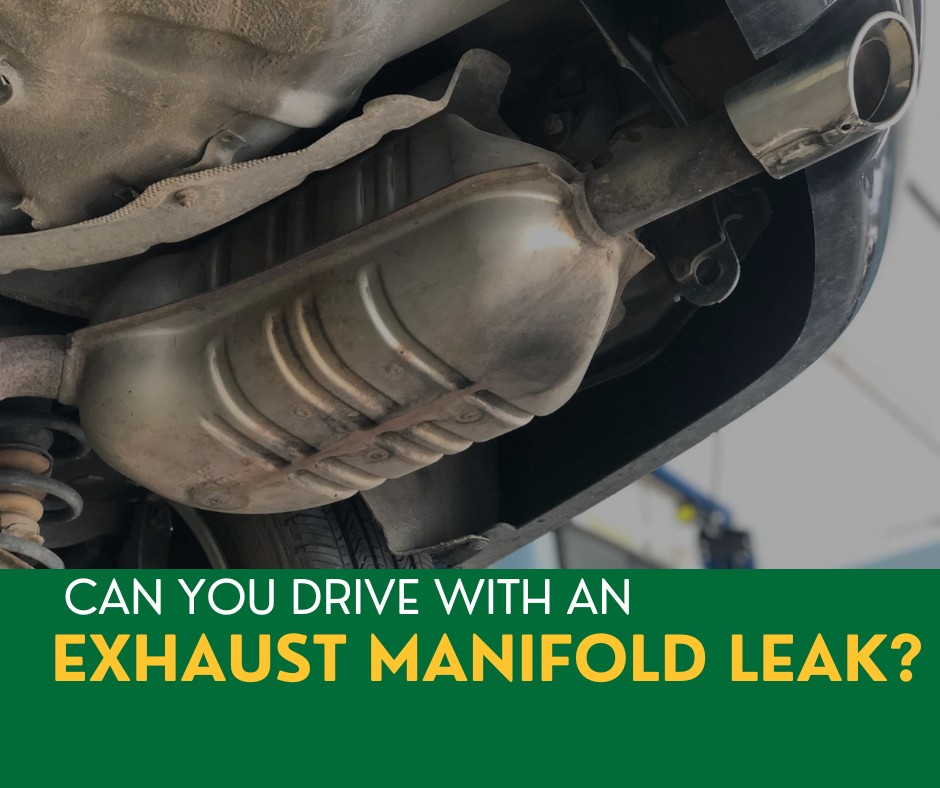
Exhaust leaks can occur in different parts of the system. These include the exhaust manifold, pipes, or muffler. The leak allows gases to escape before they reach the tailpipe. This can lead to loud noises and bad smells. It also affects fuel efficiency and engine power.
Common Causes
Rust and corrosion often cause exhaust leaks. Water and salt can damage the metal parts over time. Loose or broken connections between pipes may also cause leaks. Cracks or holes from road debris or accidents can create leaks. Old gaskets and seals that wear out are another cause.
Signs To Watch For
Loud rumbling or hissing noises under the car may signal a leak. You might smell strong exhaust fumes inside or outside the vehicle. The engine may run rough or lose power. Your fuel consumption might increase without reason. Warning lights on the dashboard can also turn on.
Dangers Of Driving With A Leak
Driving with an exhaust leak can cause serious problems. It affects your health, your car’s performance, and may even break the law. Understanding these dangers helps you stay safe and avoid costly repairs.
Health Risks
An exhaust leak lets harmful gases escape near your car. Carbon monoxide is colorless and odorless but very dangerous. Breathing it can cause headaches, dizziness, or worse. Long exposure may lead to severe poisoning or death. Your passengers are at risk too. Never ignore signs like strange smells or feeling sick while driving.
Vehicle Performance Issues
A leak in the exhaust system disrupts engine function. It can lower fuel efficiency and reduce power. Your car may run rough or stall suddenly. The leak can damage other parts over time. Repairs become more expensive if the problem continues. Fixing leaks early helps keep your vehicle running well.
Legal Consequences
Many places have laws against driving with an exhaust leak. It can cause your car to fail emissions tests. Police may stop you if your car is too loud or pollutes. Fines and tickets are common penalties. Your vehicle could be taken off the road until fixed. Following the rules protects you and others on the road.
How To Detect An Exhaust Leak
Detecting an exhaust leak early can save your car from serious damage. It also keeps you safe on the road. Exhaust leaks can be small and hard to see. You need to know what signs to watch for.
Use simple methods to check your car’s exhaust system. A quick inspection can reveal problems before they get worse. Pay attention to what you see, hear, and smell.
Visual Inspection Tips
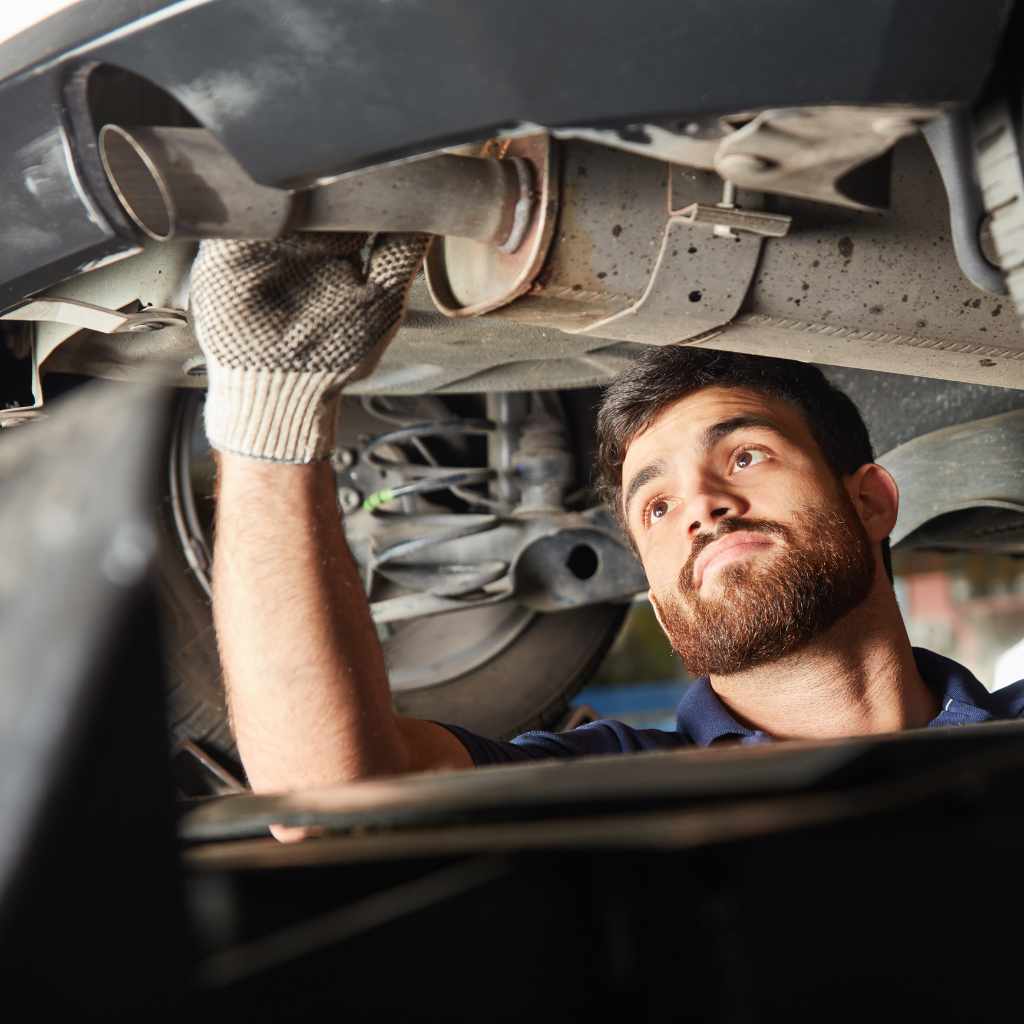
Start by looking under your car. Check the exhaust pipes and muffler for holes or cracks. Rust or black soot marks often show where leaks exist. Look around joints and connections for loose parts or gaps. Use a flashlight to see inside dark areas. A small hole or crack may cause a leak. Check for hanging or broken parts too. These signs mean your exhaust needs repair.
Sound And Smell Indicators
Listen carefully to your engine’s sound. A loud or unusual noise can signal an exhaust leak. You might hear a hissing or popping sound near the engine or under the car. Smell is another clue. Exhaust leaks can cause a strong smell of gas or fumes inside or outside the car. This smell means harmful gases are escaping. Never ignore these signs. They warn you about a possible exhaust problem.
Short-term Safety Measures
Dealing with an exhaust leak requires careful attention. Short-term safety measures help protect you and your vehicle until a professional repair is possible. Knowing when to avoid driving and how to apply temporary fixes is essential.
When To Avoid Driving
Stop driving if you smell strong exhaust fumes inside the car. Exhaust leaks can let harmful gases enter the cabin. Carbon monoxide is dangerous and can cause headaches or dizziness. If the leak makes loud noises or sparks, do not drive. These signs mean the problem is severe. Driving under these conditions risks your safety and may cause more damage.
Temporary Fixes
Use exhaust tape or a patch kit for small leaks. These products can seal holes temporarily. Wrap the tape tightly around the leak area. Make sure the exhaust is cool before applying. Another option is a high-temperature epoxy. It hardens and blocks leaks for a short time. Avoid using these fixes for long trips or harsh weather. They only provide a brief solution until you get professional help.

Long-term Repair Options
An exhaust leak can cause noise, reduce fuel efficiency, and harm your car’s performance. Fixing it soon is important for safety and to avoid bigger problems. Long-term repair options help restore your vehicle’s exhaust system properly. These repairs ensure your car runs smoothly and meets emission standards.
Professional Repairs
Auto shops offer expert exhaust leak repairs. Technicians find the exact leak location using special tools. They replace damaged parts like pipes, gaskets, or mufflers. Professionals use quality materials that last longer. Repairs done by experts keep your car safe and quiet. They also check for other exhaust system issues during the repair.
DIY Solutions
Small exhaust leaks can sometimes be fixed at home. You can use exhaust repair kits from auto stores. These kits include patches and sealants designed for exhaust pipes. Clean the damaged area before applying the patch. Follow the instructions carefully for a secure fix. DIY repairs save money but may not last as long as professional work. For big leaks, professional help is better.
Preventing Future Exhaust Leaks
Preventing future exhaust leaks helps keep your car safe and working well. Small issues can turn into big problems. Taking care of your exhaust system saves money and worry. Simple steps stop leaks before they start.
Routine Maintenance
Check your exhaust system often. Look under the car for rust or holes. Tighten loose bolts and clamps. Change old gaskets and seals on time. Keep your car’s engine tuned. A well-running engine puts less stress on the exhaust. Regular visits to a mechanic catch leaks early. Clean the exhaust parts to stop rust. Use the right parts for repairs. Follow the car maker’s maintenance schedule.
Signs Of Wear To Monitor
Listen for loud noises or rattling sounds. Smell strong fumes inside the car. Watch for reduced fuel efficiency or power. Feel vibrations from the exhaust area. Look for black soot or rust on pipes. Notice any drops in engine performance. Check for visible cracks or holes. Pay attention to warning lights on the dashboard. Early signs help fix leaks fast. Act quickly to avoid bigger damage.
Frequently Asked Questions
Can You Drive With A Small Exhaust Leak?
Yes, you can drive with a small exhaust leak briefly. However, it may cause noise, reduced fuel efficiency, and harmful fumes inside the vehicle. It’s best to repair it soon to avoid safety risks and further damage.
How Dangerous Is Driving With An Exhaust Leak?
Driving with an exhaust leak is dangerous due to toxic gases like carbon monoxide. These gases can enter the cabin and cause health issues. It also reduces engine performance and increases emissions. Immediate repair is recommended for safety and vehicle efficiency.
What Symptoms Indicate An Exhaust Leak While Driving?
Common symptoms include loud engine noise, reduced fuel efficiency, and a strong smell of exhaust fumes inside the car. You may also notice poor acceleration or engine misfires. These signs suggest an exhaust leak that needs prompt attention.
Can An Exhaust Leak Damage My Car’s Engine?
Yes, an exhaust leak can damage your engine over time. It affects oxygen sensor readings and engine performance. This can lead to poor fuel economy and increased emissions. Timely repair prevents costly engine damage and maintains vehicle health.
Conclusion
Driving with an exhaust leak can cause serious problems. It may lower your car’s performance and waste fuel. Exhaust leaks also risk harmful gases entering the cabin. This can be dangerous for your health. Repairing the leak quickly keeps your car safe and efficient.
Don’t ignore strange noises or smells from your exhaust. Taking action early saves money and avoids bigger damage. Keep your vehicle in good shape by fixing leaks soon. Safety and comfort matter most on every drive.