Unlocking Motorcycle Power: Is Two Brothers Racing the Answer?
Yes, Two Brothers Racing (TBR) exhaust systems are widely considered a good choice for performance and sound, delivering noticeable power gains and a distinct, aggressive tone. They are a reputable brand known for quality construction, making them a solid option for riders seeking an upgrade.
Thinking about upgrading your motorcycle’s exhaust? It’s a common thought for many riders who want more power, a better sound, or just a cooler look. But with so many brands out there, it’s hard to know which ones are truly worth your hard-earned cash. You might have heard the name “Two Brothers Racing” (TBR) thrown around. Are they really as good as people say? This guide is here to help you figure it out. We’ll break down what makes a TBR exhaust special, look at the performance you can expect, and help you decide if it’s the right upgrade for your ride. Let’s get your bike sounding and performing its best!
Are Two Brothers Exhaust Any Good? A Deep Dive into Performance and Quality
When you’re looking to give your motorcycle a boost, the exhaust system is often one of the first places people turn. A good exhaust can mean more power, a sportier sound, and a sharper look. Two Brothers Racing (TBR) is a name that comes up a lot in these discussions. They’ve been making performance parts for a long time, and their exhausts are known for being pretty serious. But what exactly makes them stand out? Let’s break down what goes into a TBR exhaust and why it might be the right choice for you.
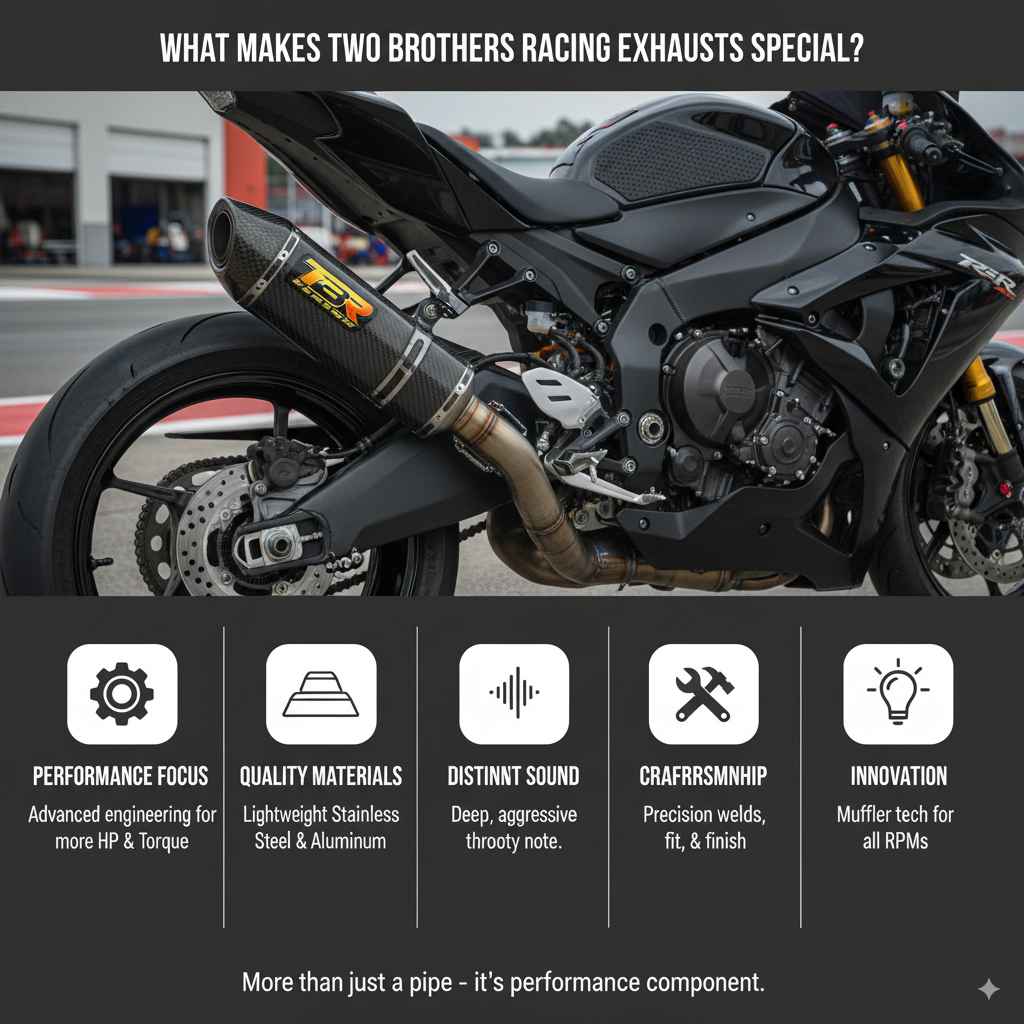
What Makes Two Brothers Racing Exhausts Special?
Two Brothers Racing has built a reputation by focusing on creating high-performance parts that are also built to last. They don’t just make things look or sound good; they aim to improve how your bike performs. Here are some key things that make their exhausts stand out:
- Performance Focus: TBR designs their exhausts with performance in mind. They use advanced engineering and testing to make sure their systems help your engine breathe better, leading to more horsepower and torque.
- Quality Materials: They often use premium materials like stainless steel and high-grade aluminum. This means their exhausts are not only strong and durable but also lightweight, which can further improve your bike’s performance.
- Distinct Sound: TBR exhausts are known for their unique, aggressive sound. It’s a deep, throaty note that many riders love, announcing your presence without being overly obnoxious.
- Craftsmanship: You can usually see the attention to detail in a TBR exhaust. They pay close attention to welds, fit, and finish, ensuring a product that looks as good as it performs.
- Innovation: TBR often brings new ideas to exhaust design, like their innovative muffler technologies, which are designed to deliver performance across the entire RPM range.
These elements combine to create an exhaust system that’s more than just a pipe; it’s a performance component.
Proven Performance Gains: What Can You Expect?
The big question for most riders is: “Will I actually feel a difference?” With a Two Brothers Racing exhaust, the answer is generally yes. They are designed specifically to help your engine perform better. Here’s what you can typically expect:
- Increased Horsepower and Torque: A well-designed aftermarket exhaust, like those from TBR, can help your engine expel exhaust gases more efficiently. This means the engine doesn’t have to work as hard, and it can create more power. You’ll often notice this as better acceleration and more power when you twist the throttle.
- Improved Throttle Response: Because the engine can breathe more freely, you might also feel a snappier, more responsive throttle. The bike feels more eager to go when you ask it to.
- Weight Reduction: Many stock exhaust systems are quite heavy. TBR exhausts are typically made from lighter materials, which can reduce the overall weight of your motorcycle. Less weight means better handling and quicker acceleration.
These performance improvements aren’t just theoretical. They come from careful design and testing. TBR often provides dyno charts showing the gains their exhausts provide for specific bike models. For example, a common aftermarket exhaust upgrade can add anywhere from 5% to 10% more horsepower, depending on the bike and the specific exhaust system.
The Signature Sound of Two Brothers Racing
One of the most immediate and noticeable differences with a TBR exhaust is the sound. They are famous for their distinctive tone, which many riders find very appealing. It’s often described as:
- Deep and Aggressive: TBR exhausts produce a low, resonant growl that sounds powerful and sporty.
- Noticeable but Not Overwhelming: While significantly louder and more aggressive than a stock exhaust, TBR systems are generally tuned to avoid being excessively loud or annoying, especially with their optional silencing inserts.
- Distinctive Note: There’s a unique character to the sound that riders often recognize as “Two Brothers.”
It’s important to remember that exhaust noise regulations vary by location. While TBR exhausts sound fantastic, it’s always a good idea to check your local laws regarding noise levels before installing an aftermarket system.
Installation and What to Expect
For beginners, the idea of installing a new exhaust might seem a bit daunting. However, Two Brothers Racing generally makes their systems user-friendly. Most of their exhausts are designed as direct bolt-on replacements for your stock system, meaning you shouldn’t need to make major modifications.
What’s Included?
When you purchase a Two Brothers Racing exhaust kit, you can typically expect:
- The muffler/silencer
- The header pipe or mid-pipe (depending on the system)
- Mounting hardware (bolts, springs, brackets)
- Installation instructions
- Sometimes, a heat shield
High-quality exhaust systems often include everything you need for a straightforward installation. It’s always a good idea to give all the parts a once-over when you receive them to make sure nothing is missing or damaged.
Step-by-Step Installation Guide (General)
While specific steps can vary slightly depending on your motorcycle model, here’s a general outline of how you’d typically install a TBR exhaust:
- Prepare Your Bike: Park your motorcycle on a level surface. If you’re working on a hot exhaust, let it cool down completely. You might want to place a blanket or cardboard on the ground to catch any dropped tools or parts.
- Access the Stock Exhaust: You’ll likely need to remove fairings or other parts that are in the way of the exhaust. Refer to your bike’s service manual for specific instructions on removing these components.
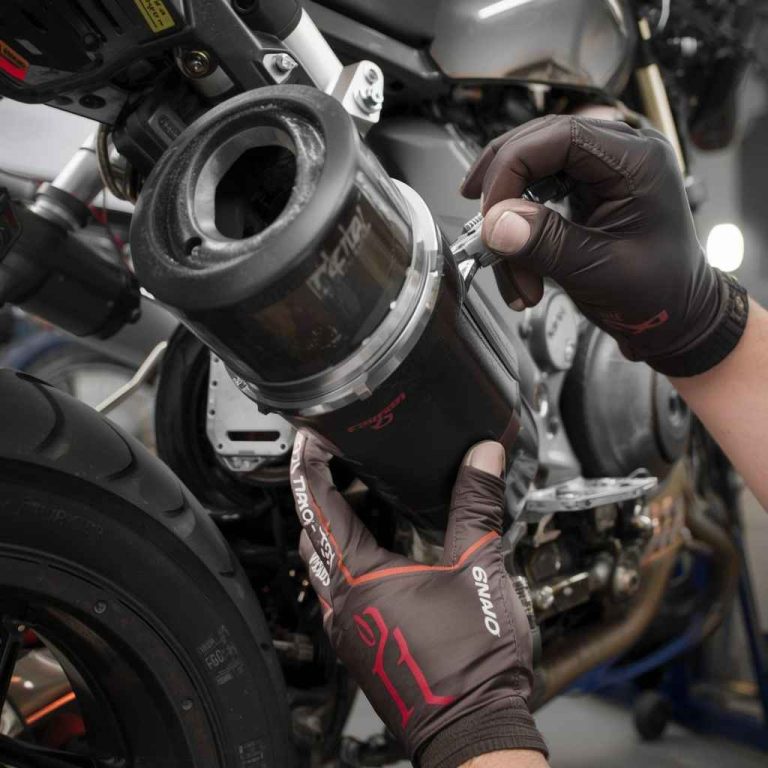
- Remove the Stock Exhaust: Locate the bolts and clamps holding your current muffler and any associated pipes to the motorcycle. Carefully loosen and remove them. The stock exhaust can be heavy, so be prepared to support its weight as you remove the final mounting points. You may need to unbolt the header pipe from the engine’s cylinder head as well.
- Install the New Header/Mid-Pipe: If your TBR system includes a new header or mid-pipe, install it next. Loosely attach it to the engine first, and then to the muffler if it connects directly.
- Attach the Muffler: Slide the new TBR muffler onto the header or mid-pipe. Align the mounting bracket with the spot on your bike’s frame or subframe.
- Secure Everything: Tighten all the bolts and clamps. Start with the connection to the engine, then secure the muffler to its mounting bracket. It’s often recommended to tighten everything gradually and evenly. Don’t overtighten, as this can strip threads or damage components.
- Check for Fitment: Ensure the exhaust is properly positioned and doesn’t interfere with any moving parts like the rear wheel, suspension, or chain.
- Reinstall Fairings: If you removed any bodywork, reattach it now.
- Start the Engine: Start your bike and listen for any leaks (you might hear a hissing sound). Check that the exhaust is securely mounted and doesn’t vibrate excessively.
Important Note: For many modern motorcycles, especially those with fuel injection, replacing the stock exhaust can change the air/fuel mixture. To ensure optimal performance, prevent engine damage, and avoid running lean, you may need to “re-map” your bike’s ECU (Engine Control Unit) or install a fuel controller. TBR often offers specific products for this, or you might consult a professional tuner. For more information on EFI tuning, resources like EPA’s information on engines and fuel can provide context on emissions and performance interactions.
Tools You Might Need
Having the right tools makes the job much smoother. Here’s a list of common tools you might need:
- Socket set (metric sizes)
- Wrench set (metric sizes)
- Allen (hex) wrench set
- Screwdrivers (Phillips and flathead)
- Torque wrench (recommended for proper tightening)
- Penetrating oil (for stuck bolts)
- Gloves and eye protection (safety first!)
- Possibly a spring puller for exhaust springs
If you’re unsure about any step, it’s always best to consult your motorcycle’s service manual or seek help from a qualified mechanic.
Two Brothers Racing vs. Other Brands: A Comparison
When you’re choosing an exhaust system, it’s helpful to see how different brands stack up. Two Brothers Racing is a popular choice, but there are other reputable brands out there like Akrapovič, Yoshimura, Vance & Hines, and M4. Each has its own strengths.
Here’s a general comparison, keeping in mind that performance and price can vary significantly for specific models:
| Feature | Two Brothers Racing (TBR) | Akrapovič | Yoshimura | Vance & Hines |
|---|---|---|---|---|
| Performance Focus | High, balanced gains across RPM | Often top-tier, extensive R&D | Strong performance, especially on Japanese bikes | Varies, often strong mid-range power on cruisers/some sportbikes |
| Sound Profile | Deep, aggressive, distinctive | Generally refined, aggressive but often deeper | Aggressive, often with a signature tone | Varies, often deeper and more “rumble” on cruisers |
| Materials & Build Quality | Excellent, stainless steel, carbon fiber, aluminum | Premium, often titanium, carbon fiber, stainless steel | Excellent, stainless steel, carbon fiber, titanium | Good to excellent, stainless steel, chrome, aluminum |
| Price Point | Mid to High-Mid | High to Premium | Mid-High | Mid (can be higher for premium lines) |
| Typical Rider | Performance-oriented riders wanting a distinct sound and quality | Those seeking the absolute best, willing to pay a premium for cutting-edge tech and sound | Enthusiasts of Japanese bikes, seeking proven performance and signature sound | Cruiser riders, some sportbike riders looking for a classic aftermarket sound and quality |
Two Brothers Racing often hits a sweet spot for riders who want significant performance improvement and a bold sound without necessarily paying the absolute top-tier price of some other premium brands. They provide a proven, quality product that users tend to be very happy with.
Factors to Consider When Choosing Any Exhaust
- Your Bike’s Make and Model: Not all exhausts are made for every bike. Ensure the system is designed for your specific motorcycle.
- Intended Use: Are you doing track days, commuting, or casual cruising? Some exhausts are better suited for specific styles of riding.
- Sound Preference: Do you like a deep rumble, a high-pitched scream, or something in between? Listen to sound clips online if possible.
- Budget: Exhaust systems can range from a few hundred to well over a thousand dollars.
- Legal Compliance: Check local noise and emissions regulations.
While TBR offers a compelling package, exploring these comparison points will help you make the most informed decision for your needs.
Tips for Maintaining Your Two Brothers Exhaust
Even with a high-quality aftermarket exhaust like Two Brothers Racing, a little maintenance goes a long way to keep it looking and performing its best. Since you’ve invested in a performance upgrade, taking care of it will ensure it lasts and continues to impress.
Cleaning and Polishing
The most common maintenance involves keeping the exterior clean and shiny. This is especially true for exhausts made of stainless steel or aluminum.
- Regular Cleaning: After rides, especially in wet or dirty conditions, wipe down your exhaust. A soft cloth is usually sufficient for light dust.
- Removing Road Grime and Tar: For tougher spots, use a dedicated motorcycle cleaner or a mild soap and water solution. Avoid abrasive cleaners that can scratch the finish.
- Polishing: To maintain that new-exhaust gleam, use a good quality metal polish designed for the material of your pipe (stainless steel polish, aluminum polish, etc.). Apply with a clean, soft cloth, then buff to a shine. For carbon fiber cans, use a cleaner specifically made for carbon fiber or a mild, non-abrasive automotive detailer.
For the internal packing in the muffler, if it’s designed to be serviceable (some are, some aren’t), you might need to replace it after thousands of miles to maintain the sound and performance. Check your specific TBR model’s documentation for this.
Checking for Leaks and Damage
Exhaust leaks can affect performance and make your exhaust sound different. Vibrations can also loosen parts over time.
- Visual Inspection: Regularly look over your exhaust system. Check for any signs of cracks, dents, or unusual discoloration (which could indicate overheating).
- Listen for Leaks: While the bike is running (in a safe, well-ventilated area), listen for any hissing sounds around pipe connections or welds. You can sometimes feel for escaping exhaust gases with a gloved hand (be careful, parts will be hot!).
- Check Mounts and Springs: Ensure all mounting bolts are snug and that any springs connecting sections are intact and not showing signs of fatigue. Vibrations can cause bolts to loosen over time, so re-torquing them periodically is a good idea.
If you do find leaks, they often can be fixed by tightening a clamp, replacing a gasket, or sometimes by re-welding a small crack. For serious damage, you might need to consider replacement parts.
Dealing with Discoloration (Blueing)
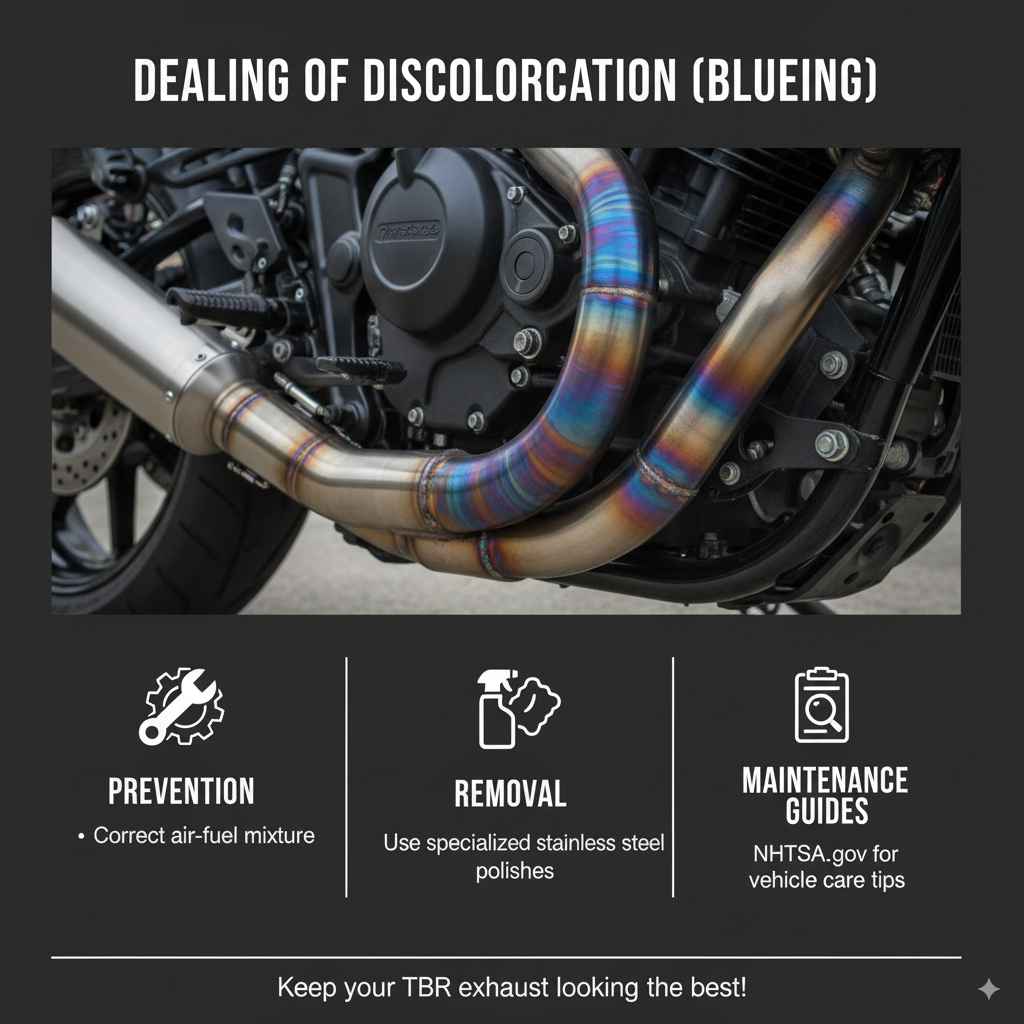
Stainless steel exhaust pipes can sometimes develop a blue or rainbow discoloration, especially near the engine. This is called “blueing” and is caused by the high heat. While it’s a natural process for stainless steel under extreme heat, some riders don’t like the look.
- Prevention: Ensuring your engine is running with the correct air-fuel mixture is key. Running too lean can cause excessive heat.
- Removal: You can find specialized stainless steel polishes or “blueing removers” that can help reduce or eliminate this discoloration. Again, always use products designed for the specific material of your exhaust.
Maintaining your TBR exhaust is similar to maintaining the rest of your bike – regular checks and cleaning will keep it in top shape. For more detailed maintenance guides on motorcycle components, the National Highway Traffic Safety Administration (NHTSA) offers valuable safety and maintenance information that applies broadly to vehicle care.
Frequently Asked Questions (FAQ)
Q1: Are Two Brothers Racing exhausts too loud?
A1: Two Brothers Racing exhausts are known for their aggressive and loud sound compared to stock. However, they also typically offer optional quiet inserts that can reduce noise levels, making them more manageable. It’s still generally louder than stock, so check local regulations.
Q2: Do I need to rejet my carburetor or reflash my ECU if I install a TBR exhaust?
A2: For most fuel-injected bikes, it’s highly recommended to reflash the ECU or use a fuel controller after installing an aftermarket exhaust to optimize performance and prevent running lean. For carbureted bikes, you’ll likely need to rejet. TBR often provides guidance or sells specific tuning modules.
Q3: How much performance increase can I expect from a TBR exhaust?
A3: You can typically expect a noticeable gain in horsepower and torque, often in the range of 5-10% or more, depending on your motorcycle model and whether the bike is properly tuned to match the exhaust. Throttle response and weight reduction also contribute to improved performance