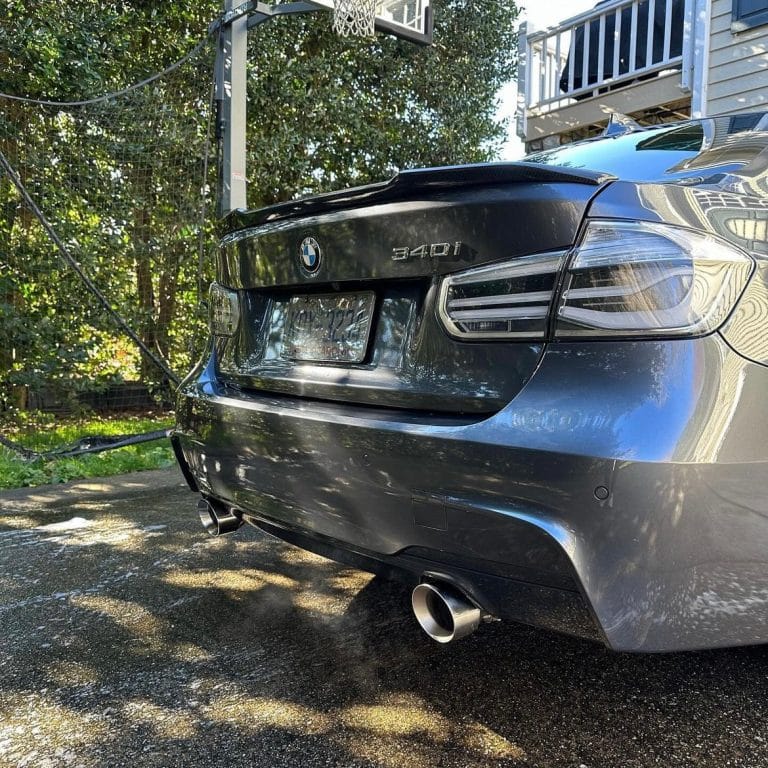
Are Catback Exhausts Legal? A Simple Guide for Car Owners
Figuring out Are Catback Exhausts Legal? can feel tricky, especially if you’re new to car modifications. Rules vary a lot, and it’s easy to get confused. This post will break down the laws in a simple way, so you’ll know exactly what’s allowed. We’ll explore the main points step by step. Get ready to find out what you need to know about your exhaust system!
Understanding Catback Exhaust Systems
Catback exhaust systems are popular upgrades for cars. They
Key Components of a Catback Exhaust
A catback exhaust system is more than just a pipe. It’s a set of parts working together to move exhaust gases away from your engine. Knowing what these are helps you understand how the system works and how the law looks at it. Each part plays a specific role. The choice of each component will alter the overall sound and output. Selecting the right components is key to a good setup.
Pipes: These connect the different parts of the exhaust system. They’re typically made of steel or stainless steel, chosen for their durability and resistance to rust. They also need to handle high temperatures. The size (diameter) of the pipes affects how fast exhaust gases flow out. A wider diameter often means less restriction and more power.
The pipe material and size can influence the overall performance of the exhaust.
Muffler: The muffler’s main job is to reduce the noise your car makes. It does this by absorbing sound waves and lowering the decibel level. There are many different types of mufflers. Each produces a different sound. Mufflers must meet noise level standards, which are regulated by law.
Mufflers play a crucial role in managing sound levels.
Resonator: Resonators help fine-tune the exhaust sound. They can eliminate certain frequencies and add a particular tone to the exhaust note. Not all catback systems have resonators, but they can be used to make the sound smoother or deeper.
A resonator can make a big difference in how the exhaust sounds.
Tailpipe: The final piece is the tailpipe. This directs exhaust gases away from the car. They often come in various shapes and sizes, and they can affect the look of your car. The tailpipe’s style is mostly for looks. The position and material are considered as well.
Tailpipes affect the look and sound of your car.
Performance Advantages of Catback Exhausts
One of the main reasons people add catback exhaust systems is to get better performance. These systems can help your engine breathe easier. This is because they usually reduce backpressure. Backpressure is the resistance exhaust gases face as they leave the engine. Less backpressure means the engine can push out exhaust gases faster. This often results in more horsepower and torque. By improving the exhaust flow, these systems can help your car accelerate quicker. They can also improve fuel efficiency. Not all catback exhaust systems are the same. It is important to know which systems provide the most benefit.
Increased Horsepower and Torque: Reducing backpressure lets the engine run more efficiently. This often leads to a noticeable increase in power, giving your car more pep.
Extra power can make your car feel much more fun to drive.
Improved Throttle Response: With exhaust gases moving out faster, the engine responds more quickly when you press the gas pedal.
The car responds quickly and smoothly.
Better Fuel Efficiency: A more efficient engine can sometimes lead to better gas mileage. However, the gains in fuel economy can vary.
Small improvements in fuel efficiency are possible.
Enhanced Sound: Many car owners enjoy the deeper, more aggressive sound. It gives the car a more sporty feel.
The sound can change the driving experience significantly.
Potential Drawbacks of Catback Exhausts
While catback exhausts offer advantages, they also have potential downsides. It is important to know these points. One important thing to know is the local regulations. You also have to deal with the potential costs. Some catback exhaust systems can be loud. This is not always a good thing. The installation process may not be easy. You may need professional help. In some situations, changes to your exhaust system may be against the law.
Cost: Catback exhaust systems can cost a lot. The price varies depending on the materials and the brand. You also have to consider installation costs.
Consider the total cost before buying.
- Noise Levels: Some catback exhausts are louder than the stock systems. This may not be ideal. There may be legal noise limits in your area. Loud exhausts can annoy others.Know your local noise rules.
- Installation Complexity: Installing a catback exhaust can be difficult. You may need special tools or experience. Professional installation can add to the cost.
- You may need to get some help.
- Legality Issues: You have to consider if the catback is allowed in your area. The changes you make might break the law.
- Make sure you do your homework on the law.

Legal Aspects of Catback Exhausts
The legality of catback exhausts depends on several factors. It’s not a simple yes or no. The main things to consider are your local laws, noise regulations, and emissions standards. These things all vary by location. The laws are there to protect the environment and make sure everyone is safe. You need to know these rules before you make changes to your car. If you break these rules, you may get a ticket. You may also have to change your system back to the way it was.
State and Local Regulations on Exhaust Systems
Each state has its rules about car modifications, including exhaust systems. Some states have strict rules. Others have more relaxed ones. The rules often cover noise levels and emissions. Local governments, such as cities or counties, might have their own extra rules too. It’s smart to check both state and local laws. This helps you avoid problems. You can often find information on your state’s Department of Motor Vehicles (DMV) website. You can also contact local law enforcement agencies. Doing a little homework can save you a lot of trouble.
Noise Standards: Many places have rules about how loud your car can be. These are often measured in decibels (dB). Laws may set limits for different times of day or different locations. You may get a ticket if your exhaust is too loud.
Be aware of your local noise limits.
Emissions Requirements: Some states have rules about emissions. This is to reduce pollution. Your car must pass emissions tests. Modified exhausts could affect these tests. If your exhaust changes the emissions, you may not be able to pass.
Know about emissions rules.
Inspection Requirements: Some areas require regular car inspections. They check things like safety and emissions. The inspection may include checking your exhaust system. If your exhaust doesn’t meet the standards, your car might not pass.
Be ready for inspections.
Aftermarket Parts: Some states have specific rules about aftermarket parts. Make sure the parts you use are legal. Be certain they meet the standards.
Check the rules about aftermarket parts.
Noise Control Regulations and Catback Exhausts
Noise control is a big part of exhaust system regulations. Many communities have noise limits to reduce noise pollution. These rules apply to cars and other vehicles. They are there to keep the peace and make public spaces quieter. When you choose a catback exhaust, the noise level is important. You want to avoid breaking any rules. The police can give you a ticket for having an exhaust that is too loud. The fines can add up. It is important to know the limits and how they’re measured. This is all part of making sure your car is legal.
Decibel Limits: Many places use decibels to measure noise. They set maximum decibel levels for vehicles. These limits often depend on how close you are to the noise.
Know the decibel limits in your area.
Testing Methods: Noise levels are measured using specific methods. There are standard tests that the police use. These tests measure the noise at a certain distance from your car.
Understand how noise is measured.
Enforcement: Police officers have the authority to enforce noise regulations. They can give you a ticket if your car is too loud. They can even make you fix it or remove it.
Be aware of law enforcement.
Modifications that Affect Noise: Any changes to your exhaust system can affect the noise level. Mufflers and resonators are especially important. Making changes can make your car louder or quieter.
Consider the impact of modifications on noise.
Emissions Laws and Catback Exhausts
Emissions laws are important for environmental protection. These rules limit the pollutants released by cars. Catback exhaust systems can sometimes affect emissions. If you make changes to your exhaust, you need to think about these laws. A lot of places do regular emissions tests. This helps make sure all cars meet the standards. If your car fails the test, you may not be able to drive it. The rules can be strict, so you must know how they apply to your car.
Catalytic Converter: The catalytic converter is a key part of the emissions system. It helps reduce harmful gases. Catback systems usually do not touch the catalytic converter.
Catback systems usually keep the catalytic converter.
Emissions Testing: Many areas require cars to pass an emissions test. The test checks the levels of pollutants. If your exhaust system changes how your car pollutes, it might fail the test.
Be ready for emissions tests.
Aftermarket Parts and Emissions: If you use aftermarket parts, ensure they meet emissions standards. Some parts may cause your car to fail.
Make sure parts are compliant.
Tampering Penalties: It is illegal to tamper with your car’s emissions system. Doing so can lead to fines and other penalties.
Avoid tampering with your car’s emissions system.
Making Sure Your Catback Exhaust Is Legal
Ensuring your catback exhaust is legal means doing a few key things. You need to check the local laws and regulations. You also have to pick parts that meet these standards. It might seem tricky at first, but it is not too difficult. If you follow these steps, you can avoid any problems. Knowing the rules and picking the right parts gives you peace of mind. You can enjoy your exhaust system without worries.
Researching Local Laws and Regulations
The first step is to learn about local laws. These laws tell you what’s allowed and what’s not. You need to check the laws for your state and your city or county. The rules can vary from place to place. The best place to start is often your local Department of Motor Vehicles (DMV) website. They usually have details on exhaust system rules. You can also search online for your city or county’s ordinances. If you’re still not sure, you can contact your local police department. They can give you more details. Take the time to do your homework. This can help you avoid trouble down the road.
State DMV Website: Your state’s DMV website is usually a great place to begin. Look for sections on vehicle modifications or equipment regulations. They should have information about exhaust systems and noise limits.
DMV websites are very useful.
Local Ordinances: Search online for your city or county’s ordinances. These are local laws that cover noise, emissions, and vehicle modifications. Look for keywords like “exhaust,” “noise,” or “vehicle modifications.”
Local rules can be found online.
Police Department: If you need more clarification, you can contact your local police department. They can explain the laws. They can also tell you about how the laws are enforced.
Police can give you the details.
Consult with Experts: If you’re still confused, consider talking to an expert. A mechanic or an exhaust shop can offer advice. They can help you understand the laws and make sure your system is legal.
Talk to experts if needed.
Choosing Compliant Catback Exhaust Systems
Selecting the right catback exhaust system is key to staying legal. You need to choose parts that meet the rules in your area. This means checking the noise levels and emissions. Look for systems that are designed to meet these standards. There are many options available. Do your research to discover what will work best for your car. Buying a system made by a well-known brand is a good idea. Reputable brands often make systems that comply with the law. This ensures you are buying a quality, legal product.
Noise Ratings: Check the noise ratings of the exhaust system. Look for systems that are designed to be quieter. Make sure the noise levels fit within your local limits.
Know the noise rating of your system.
Emissions Compliance: Make sure the system doesn’t affect your car’s emissions. Look for parts that are designed to work with your car’s existing emissions systems. Some systems have been tested to meet emissions standards.
Choose an emissions-friendly system.
Brand Reputation: Choose a well-known brand. Reputable brands are more likely to make systems that meet the standards. They usually provide clear information.
Choose reputable brands for quality and legal compliance.
Professional Advice: Ask a mechanic or exhaust shop for recommendations. They can advise you on systems that meet your local laws.
Get professional advice to make the right choice.
Installation and Maintenance Tips for Legal Compliance
Once you’ve picked your exhaust system, the installation is next. Proper installation is important, and regular maintenance is too. If you do things right, you can ensure your exhaust stays legal and performs well. If you have the skills, you can do it yourself. But getting professional help is often a good idea. Regular checks and maintenance can also keep everything working as it should. This will help you avoid problems. You can enjoy your exhaust system for a long time.
Professional Installation: If you’re unsure about installing the system, get help. A mechanic or exhaust shop can do the work. They have the knowledge and tools.
Get professional help for the best results.
Correct Fit: Make sure the system fits your car properly. A bad fit can affect performance and noise levels.
Make sure the fit is perfect.
Regular Inspections: Check your exhaust system regularly. Look for any leaks, rust, or damage. Fixing problems early can prevent bigger issues.
Keep up with regular checks.
Maintenance: Maintain your exhaust system. This includes cleaning and lubricating parts. Following the manufacturer’s maintenance tips can extend the life of your system.
Follow all maintenance guidelines.

Frequently Asked Questions
Question: What is a catback exhaust system?
Answer: It’s a car exhaust system that replaces the part from the catalytic converter to the end of the tailpipe. It often includes new pipes, a muffler, and sometimes a resonator.
Question: Will a catback exhaust make my car illegal?
Answer: It depends on the local rules. Factors include noise levels, emissions, and local vehicle codes. Make sure your system meets all local regulations.
Question: How can I find out the noise limits in my area?
Answer: You can check your local government websites. You can also contact your local police department. They will be able to give you the information you need.
Question: Does a catback exhaust affect emissions?
Answer: Usually, a catback system doesn’t impact the emissions. It replaces the components after the catalytic converter. But, some states have their own laws.
Question: Can I install a catback exhaust myself?
Answer: Yes, you can install it yourself, but you must have the right tools and expertise. If not, getting a professional to install it is a good idea.
Final Thoughts
Figuring out Are Catback Exhausts Legal? is a matter of knowing your local rules. Laws about car modifications vary, so research is important. To stay within the rules, learn the noise and emissions standards. Choose an exhaust system that fits the standards. Getting professional help for installation and staying up-to-date with maintenance can make a big difference. With a little homework and the right choices, you can improve your car’s performance. You can enjoy the new sound without worrying about the law. Driving a modified car that follows the law can be a great experience. By keeping these points in mind, you can have a fun and safe driving experience.