Are Car Exhaust Low Frequency: Shocking Truth Revealed!
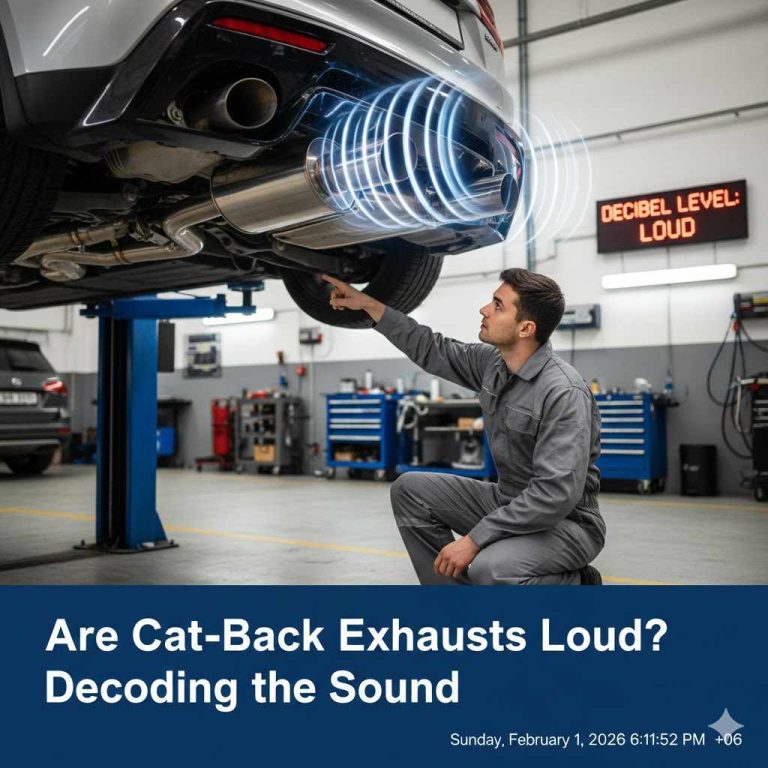
Have you ever noticed a deep, rumbling sound coming from a car’s exhaust and wondered why it feels so powerful—and sometimes even unsettling? That low-frequency noise isn’t just a random byproduct; it plays a big role in how you experience driving.
Understanding whether car exhausts produce low-frequency sounds can change the way you think about vehicle noise, your comfort, and even your health. Keep reading to discover the surprising truth behind those deep engine roars and how they affect you every time you hit the road.
Low Frequency Sounds Explained
Low frequency sounds play a big role in how we hear the world. These sounds have long wavelengths and low pitches. They often feel more than they sound. Understanding these sounds helps explain noises from many sources, including car exhausts.
These sounds can travel far and pass through obstacles. People sometimes notice them as a deep rumble or vibration. This makes low frequency sounds unique and important to study.
What Are Low Frequency Sounds
Low frequency sounds are sound waves with frequencies below 250 Hz. They have fewer cycles per second than high frequency sounds. Our ears hear them as deep, bass-like tones. These sounds often create a sense of power or heaviness. Examples include thunder, bass drums, and some engine noises.
Common Sources Around Us
Many things make low frequency sounds every day. Large machines, like air conditioners and generators, produce these sounds. Natural events such as earthquakes and ocean waves also create low frequency noise. Vehicles, especially cars and trucks, generate deep rumbling sounds from their engines and exhaust systems. These sounds often blend into the background but can be felt as much as heard.
Car Exhaust Noise Characteristics
Car exhaust noise is a common sound on roads. It comes from the engine’s gases leaving the vehicle. The noise changes based on many factors. These include the car’s engine type, exhaust system, and speed. Understanding exhaust noise helps us know why it sounds the way it does.
Exhaust noise has unique features. It can be loud or soft, high or low. This noise affects the environment and people nearby. Some sounds are more annoying than others. Knowing its traits helps control noise pollution and improve car designs.
How Car Exhaust Produces Sound
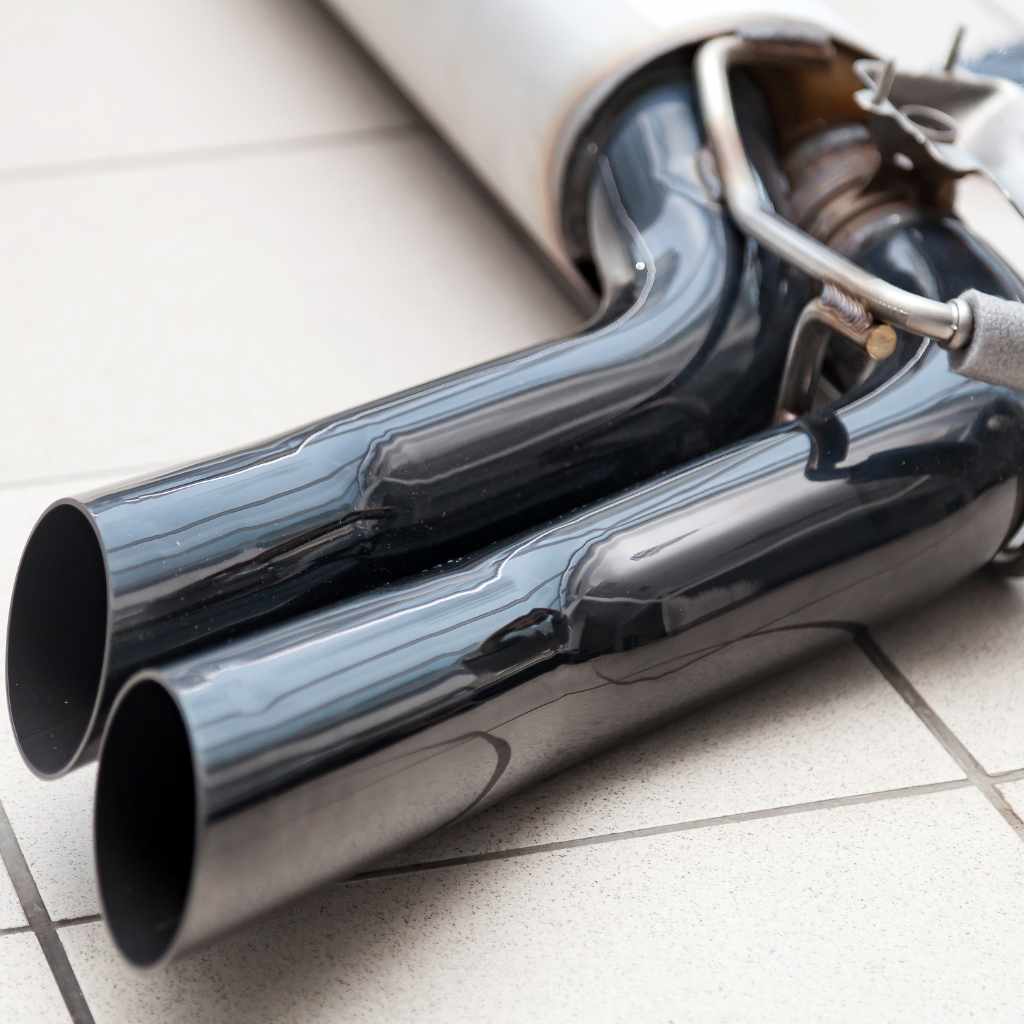
Car exhaust noise starts from engine combustion. Fuel burns inside the engine cylinders. This process creates hot gases that push pistons. The gases then escape through the exhaust pipe. As they exit, they cause pressure changes in the pipe. These changes make vibrations in the air. Vibrations travel as sound waves. The exhaust system tries to reduce these sounds. It uses mufflers and pipes to control noise levels.
Frequency Range Of Exhaust Noise
Exhaust noise covers many sound frequencies. It has both low and high tones. Low-frequency sounds are deep and rumbling. High-frequency sounds are sharp and whistling. Most car exhaust noise lies between 20 Hz and 10,000 Hz. Low frequencies often come from engine firing and exhaust pulses. High frequencies come from small leaks and resonances in the system. The mix of frequencies creates the car’s unique sound.
Examining Exhaust Frequency Levels
Examining exhaust frequency levels helps us understand the sounds cars make. The frequency of exhaust noise affects how loud or deep the sound feels. Low frequency sounds are often described as deep or rumbling. High frequency sounds are sharper or higher-pitched. Knowing these levels can explain why some car exhausts sound different.
Scientists study exhaust noise to see how it impacts people and the environment. Measuring these sounds shows which frequencies dominate and how they travel. This information helps design quieter and safer vehicles.
Scientific Studies On Exhaust Noise
Many scientific studies focus on car exhaust noise and its frequency. Researchers use special tools to analyze sound waves. They find that exhaust noise covers a wide range of frequencies. Some parts of the exhaust system create low frequency sounds. Other parts produce higher frequency noises. Studies show that low frequency sounds travel farther and can disturb people more. Understanding this helps regulate noise pollution and improve car design.
Measuring Exhaust Frequencies
Measuring exhaust frequencies requires precise instruments called sound analyzers. These devices capture sound waves and break them into frequency parts. Engineers measure the strength of each frequency to see the loudest sounds. This process reveals if the exhaust noise is mostly low or high frequency. Measurements are taken near the car and at a distance. This helps check how exhaust noise changes as it moves. These tests guide changes to reduce harmful noise and keep cars quieter.
Impact Of Low Frequency Exhaust Noise
Low frequency noise from car exhausts can cause many problems. These sounds are deep and can travel long distances. They are hard to block or ignore. Understanding their impact is important for health and the environment.
Effects On Human Health
Low frequency exhaust noise can cause stress and anxiety. It may disturb sleep and reduce concentration. Some people feel headaches or dizziness. Children and older adults are more sensitive. Long exposure can affect heart health and increase blood pressure.
Environmental Concerns
Low frequency noise can harm wildlife. Animals use sound to communicate and find food. Deep exhaust sounds can confuse or scare them. This may change their natural behavior. Noise pollution can also reduce the quality of life in neighborhoods near busy roads.
Reducing Low Frequency Exhaust Noise
Reducing low frequency exhaust noise is important for a quiet driving experience. These deep sounds can be disturbing and affect comfort. Many car makers focus on lowering these noises to meet customer needs and laws.
Efforts to reduce low frequency noise improve city life and road safety. Quiet cars cause less stress for drivers and people nearby. Simple changes in car design can make a big difference in noise levels.
Modern Muffler Technologies
Modern mufflers use special materials to absorb deep sounds. They have chambers that change the sound waves, making noise softer. Some mufflers add sound-canceling parts that reduce strong vibrations.