Are All Narrowband Oxygen Sensor Outputs the Same? Find Out
Have you ever wondered if all narrowband oxygen sensor outputs are the same? You’re not alone.
With so many options out there, it’s easy to feel overwhelmed and unsure about making the right choice for your vehicle. But understanding the differences can save you time, money, and unnecessary headaches down the road. Imagine the confidence you’ll gain knowing your car is running efficiently and safely.
Keep reading to discover what sets these sensors apart and how choosing the right one can enhance your driving experience. Your peace of mind is just a few scrolls away.

Credit: www.researchgate.net
Understanding Narrowband Oxygen Sensors
Narrowband oxygen sensors help cars control fuel and air mix. They ensure engines run smoothly and efficiently. These sensors measure the oxygen level in exhaust gases. With this data, the engine adjusts the fuel mix. This keeps emissions low and fuel use optimal. Proper function of these sensors is crucial for environmental protection.
These sensors use a simple ceramic element. It reacts with oxygen in the exhaust. A voltage signal is generated. The signal tells the engine how much oxygen is present. Low voltage means more oxygen, showing a lean mix. High voltage means less oxygen, indicating a rich mix. The engine uses this info to adjust fuel delivery. This helps maintain ideal combustion and performance.
Variations In Oxygen Sensor Outputs
Oxygen sensors are crucial in cars. They help manage fuel and air mix. Not all sensors are the same. Temperature can affect sensor readings. Cold weather may change outputs. Engine condition also plays a role. A clean engine gives better results. Dirty engines give false readings.
Sensor design matters. Some sensors have different shapes. Shape can change output. Materials used in sensors can vary. Better materials give more accurate readings. Cheap materials might not work well. This can lead to wrong data.
Comparing Different Sensor Types
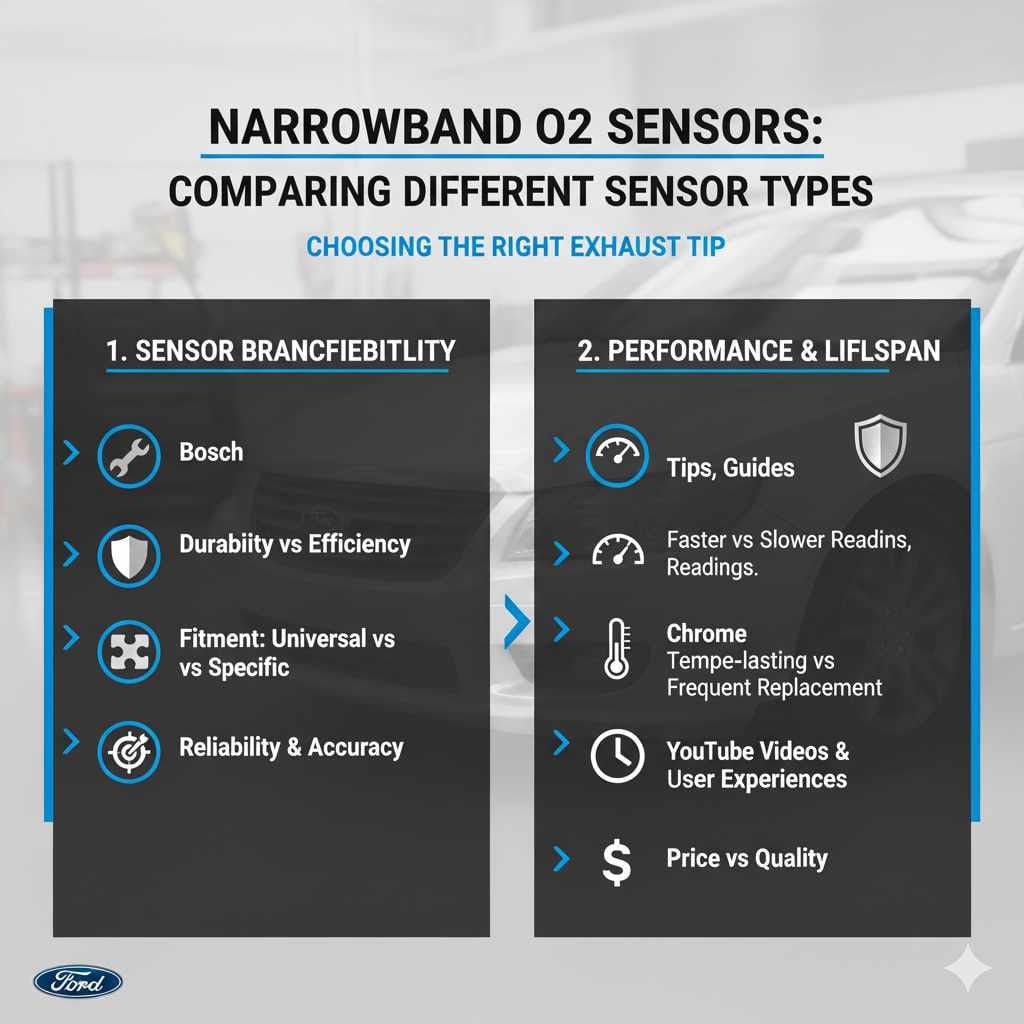
Many brands make narrowband oxygen sensors. Bosch, Denso, and NGK are popular. Each has different models. Some sensors have better durability. Others focus on efficiency. Most sensors fit many car types. Yet, not all work the same. Some brands are more reliable. Others are known for accuracy.
Performance varies between sensors. Some provide faster readings. Others might be slower. A few models handle extreme temperatures well. Some sensors last longer. Others need frequent replacements. Price can affect performance. Cheaper sensors might not last as long. Higher-priced models often offer better quality.
Challenges In Measuring Sensor Outputs
Measuring sensor outputs can be tricky. Each sensor needs to be accurate. If a sensor is off, readings will be wrong. This can cause engine problemsand bad fuel economy. Consistency matters too. A good sensor gives the same reading every time. Some sensors can change with time. This can lead to confusing results. Regular checks are important to ensure sensors work well.
Environment affects sensor outputs a lot. Temperature changes can make sensors act differently. Hot weather can make sensors less reliable. Dust or dirt can block sensors. This makes readings unclear. Water can be a problem too. It can cause sensors to fail. Keeping sensors clean and dry is key. This helps them work the best they can.
Importance Of Proper Sensor Functionality
Narrowband oxygen sensorsare crucial for cars. They help engines run well. Bad sensorscan cause trouble. Cars may lose power. The engine might stutter. Fuel use can go up. Sensors need to work right.
Engines need the right air-fuel mix. Sensors help adjust this mix. If sensors fail, cars slow down. Fuel might burn badly. Drivers notice poor speed. Proper sensors make cars run smooth.
Sensors keep emissions low. They check exhaust gases. If sensors are bad, pollution rises. Cars fail emission tests. Good sensors are key for clean air. They help follow rules. Keeping sensors in shape helps the planet.
Tips For Choosing The Right Sensor
Choosing the right oxygen sensor is important. Not all sensors fit every car. Make sure the sensor matches your car model. Check the sensor’s compatibility with your vehicle. Some sensors are made for specific engines. Read the product details carefully. This helps avoid buying the wrong one.
Sensors need care to last long. Regular checks help find problems early. Replace sensors if they wear out. A worn-out sensor gives bad readings. This can affect your car’s performance. Always follow the car manual for guidance. It tells you when to check and change sensors. Use quality sensors for better results.

Frequently Asked Questions
Do Narrowband Sensors Measure Air-fuel Ratios Accurately?
Narrowband sensors measure air-fuel ratios but only roughly. They detect rich or lean conditions, not specific ratios. For precise measurements, wideband sensors are preferred. Narrowband sensors are limited in their accuracy due to their design.
Are All Narrowband Sensors Interchangeable?
Not all narrowband sensors are interchangeable. Different vehicles require specific sensors for optimal performance. Compatibility depends on the sensor’s design and vehicle requirements. Always check vehicle specifications before replacing a sensor.
How Do Narrowband Sensors Work?
Narrowband sensors work by measuring oxygen levels in exhaust gases. They generate voltage based on oxygen content, indicating rich or lean conditions. This helps the engine control unit adjust the air-fuel mixture accordingly.
Can Narrowband Sensors Affect Fuel Efficiency?
Yes, narrowband sensors can affect fuel efficiency. They provide feedback to the engine control unit to optimize the air-fuel mixture. If malfunctioning, they can lead to poor fuel economy and increased emissions.
Conclusion
Understanding narrowband oxygen sensors helps maintain vehicle performance. Not all outputs are equal. Each sensor can vary slightly. Factors like brand and manufacturing affect outputs. It’s crucial to check compatibility with your vehicle. Regular maintenance ensures optimal function. Replacing a sensor requires careful selection.
Always consult your car manual or a professional. Accurate sensors improve fuel efficiency. They also help reduce emissions. So, choose wisely for the best results. Proper care extends sensor life and vehicle efficiency. Stay informed and ensure your vehicle runs smoothly.