Best Exhausts for Bike Sound (2026): Based on Specs and Reviews
The best exhaust sound bike setup matches the engine layout first. 270° twins and crossplane fours deliver the strongest pulse, while slip-ons with a proper mid-pipe usually change tone more than volume. Miss that match and you often get drone, rasp, or too much noise for road use. This guide maps exhaust character to engine layout and riding use, so you can pick the sound you actually want.
Quick comparison
| Product | Badge | Best for | Price | ||
|---|---|---|---|---|---|
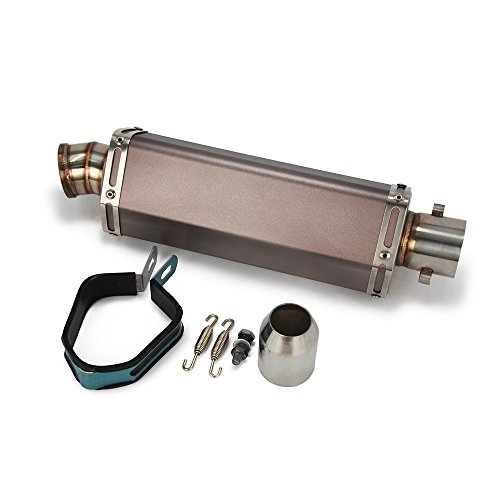 | Universal 1.5-2" Inlet Hexagon Exhaust Muffler Pipe Slip OnFast Pro | Our pick | 38-51mm inlet · Universal · Slip-on Muffler | $41.99 Price as of 26 Oct 2026 | View |
 | Sporacingrts 2PCS Stainless Steel Motorcycle ExhaustSporacingrts | Also great | Stainless Steel · Silver · 2-Pack with Adapters | $69.99 Price as of 26 Oct 2026 | View |
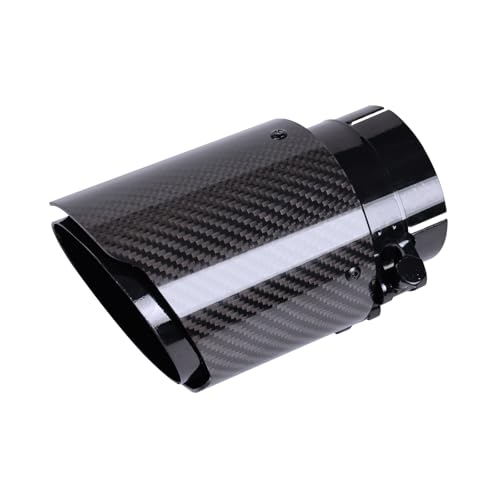 | Carbon Fiber Exhaust Tip 2.5" Inlet to 4"Outlet, UniversalJiarear | Upgrade pick | 2.5" Inlet · Carbon Fiber · Gloss Black | $30.99 Price as of 26 Oct 2026 | View |
Use this as a sound-first shortcut, not a brand contest. The right pick depends on engine layout, fitment, and how much noise you can live with on the road.
How we chose
Sound character came first: tone, pitch, bass, rasp, idle note, and high-rpm behavior. Fitment came next, because a bolt-on slip-on and a full system do very different jobs. We also weighed noise control, legality, tuning needs, and whether the setup suits street riding, commuting, or track use.
One common mistake is choosing by brand alone. A loud can on the wrong engine often sounds worse than a quieter system matched to the bike’s firing order.
Akrapovic: best for premium high-pitch sound

Akrapovic systems suit riders who want a crisp, higher-pitched note and premium materials. The brand is known for wide motorcycle compatibility, and many setups use titanium or carbon fiber parts depending on the application.
Based on published product details and buyer feedback across similar fitments, the sound change is usually cleaner and more focused than stock, with more edge at higher rpm. That can be exactly what you want on a sport bike or a lively triple.
The drawback is simple: a freer-flowing Akrapovic setup often asks for tuning or remapping, especially when you move from a slip-on to a full exhaust. On some bikes, the louder tone can also become tiring in traffic.
Think of it this way: if your goal is a sharper, more expensive-sounding exhaust note, this is the kind of setup that can get you there. If your goal is quiet comfort, it is the wrong direction.
Materials and build
Premium exhausts like Akrapovic often pair titanium, carbon fiber, and stainless steel to cut weight and tune resonance. Titanium usually sounds a little brighter than steel, while carbon fiber is often used for canisters and end caps that trim mass and change the finish, not the engine’s basic voice.
Sound change versus stock
Compared with stock, a premium system usually adds volume, sharper overtones, and a more distinct pulse at throttle openings. It does not fix a mismatched engine note, though. A screaming can on a mellow motor still sounds forced.
Slip-on versus full system
A slip-on bolts to the stock headers, so the fitment job is usually simpler and the sound change is more limited. A full exhaust replaces headers and muffler, which can bring a deeper or louder result, but it almost always raises the tuning stakes.
When remapping matters
Remapping matters when the new flow changes fueling enough to affect smoothness, throttle response, or heat. The more the system changes exhaust flow, the more likely the bike wants ECU attention. That is especially true with a full system on modern fuel-injected motorcycles.
Two Brothers M2 Black Series: best for race-inspired sound
Two Brothers M2 Black Series fits riders who want a harder-edged, race-style note. The listed materials matter here: carbon fiber and premium 304 stainless steel are part of the appeal, along with the more aggressive tone people usually want from this style of muffler.
Based on the published specs, this is the kind of exhaust that can make a bike sound more urgent without turning it into a full race build. The note is aimed at attitude, not subtlety.
The downside is that race-inspired sound is not always a good street sound. It can bring more bark at idle, more rasp in the midrange, and more attention from neighbors or noise limits than a calmer slip-on would.
If your bike already has a lively engine, this style can fit the character well. On a small-displacement commuter, it may sound busy instead of clean.
Carbon fiber and 304 stainless steel
Carbon fiber keeps weight down at the shell, while 304 stainless steel is valued for durability and heat resistance. That combination is common on performance-oriented cans because it balances appearance, corrosion resistance, and sound behavior.
How the tone changes
This style generally pushes the exhaust toward a sharper, more aggressive note. It can tighten the sound at the top end, which helps if you want more urgency from a sport bike or naked bike. The tradeoff is less bass and more edge.
Best fitment use cases
It makes the most sense on bikes whose engines already like to spin and make noise up top. Think sport naked, middleweight streetfighter, or a weekend bike where sound is part of the appeal.
Downsides to expect
Expect more volume, more chance of drone at steady cruise, and a higher chance of tiring the rider on long rides. If your state or country has strict roadside noise checks, a race-leaning setup can be a poor fit.
Yoshimura R77 Slip-On Exhaust: best for easy sound upgrades
The Yoshimura R77 Slip-On Exhaust is the practical pick for riders who want better sound without committing to a full system. As a slip-on, it bolts to stock headers, which keeps fitment simpler and usually makes installation easier than a header swap.
The published description points to a reasonable boost in power, weight reduction, and improvement in sound. That matters because many riders want a cleaner tone, not the loudest possible bike.
The drawback is that a slip-on cannot rewrite the engine’s voice. It refines the note more than it transforms it, so the result depends heavily on the bike underneath it.
For many street riders, that is the sweet spot. You get a better exhaust note without pushing the bike into full-system noise or tuning territory.
Slip-on fit to stock headers
A slip-on replaces the muffler section and leaves the headers in place. That means less labor, fewer compatibility problems, and a lower chance of needing extra tuning right away. Fitment still matters, though, so you need the right diameter and mounting points.
Sound and weight changes
On the sound side, a slip-on usually brings a cleaner, stronger note and more presence under throttle. On the weight side, it can trim mass compared with bulky stock mufflers. The change is usually more noticeable than a cosmetic swap, but less dramatic than a full exhaust.
Installation and compatibility
Installation is often straightforward if the bike is listed for the can. Check inlet size, hanger position, and whether the kit includes the needed clamp or spring hardware. A good fit matters more than a loud brand name.
Who should skip it?
Skip a slip-on if you want major tone changes from the headers back, or if your bike already sounds close to ideal. It also may disappoint riders who want a deep idle on a bike whose engine naturally leans sharp or busy.
Bike sound map
This table ties engine layout to the exhaust character you are most likely to hear. It is not a rulebook, but it is a better starting point than shopping by can shape alone.
| Engine type | Typical exhaust character | Best exhaust style | Likely downside | Who it suits |
|---|---|---|---|---|
| Single-cylinder | Deep, rhythmic thump with a strong idle pulse | Slip-on with a removable baffle | Can turn boomy or harsh if over-opened | Riders who want a classic beat and low-rpm character |
| Twin-cylinder | Balanced pulse, often deeper than a four but less raw than a single | Slip-on or mild full system | Can develop drone at a steady cruise | Street riders who want warmth without huge volume |
| V-twin | Chest-thumping, uneven pulse with strong bass | Slip-on with sound control, or a tuned full system | Too much bass can get tiring in traffic | Riders who want a heavy, authoritative note |
| Triple | High-pitched howl that sharpens at rpm | Quality slip-on or full system if tuning is handled | Can become raspy or shrill if the can is too open | Sport riders who like a lively, changing note |
| Inline-four | Smooth idle, then a rising wail at higher rpm | Slip-on for refinement, full system for the full top-end character | May sound thin at low rpm with the wrong can | Riders who want a sharp, fast-sounding top end |
What does a Royal Enfield Classic 350 sound like?
The Royal Enfield Classic 350 uses a 349cc air-cooled thumper, and that matters more than the muffler brand. Its exhaust note is described as a deep rhythmic thump-thump-thump, which is exactly the kind of sound many riders want from a classic single.
That beat stands out because a single-cylinder engine fires with more obvious gaps between pulses than a multi-cylinder sport motor. At idle and low revs, the rhythm is the point. Add too much free flow, and the note can become flat or noisy instead of characterful.
Why the thump-thump-thump stands out
A single-cylinder exhaust has space between pulses, so the note is easy to hear and easy to recognize. That is why the Classic 350’s sound feels so distinct at low speed and around town. The character comes from the engine layout first, not the muffler.
Best exhaust style for this engine
A moderate slip-on is usually the safer choice. It can clean up the note without stripping away the thump that makes the bike appealing. A removable baffle gives you another layer of control if you need to keep volume in check.
Common mistakes that make it too loud
The usual mistake is fitting a very open muffler and expecting a better sound. On a single, that often leads to a hollow idle, more noise than tone, and a sharper edge at cruise. If the goal is a classic beat, less opening is often better.
Say your Classic 350 is used for a 12-mile city commute with stoplights every few blocks. A mild slip-on keeps the thump without turning every low-speed pull into a noise complaint.
What does a Kawasaki Z900 sound like?
The Kawasaki Z900 has a 948cc four-cylinder engine, and its note becomes a high-pitched wail past 8,000 rpm. That top-end change is why many riders hear inline-fours as smooth at idle and dramatic once the revs climb.
On this layout, the exhaust choice needs to respect the engine’s high-rpm voice. Too much restriction can mute the wail, while too much opening can leave the low end thin and the top end harsh.
Why the note changes past 8,000 rpm
As revs rise, the firing frequency climbs and the exhaust note shifts upward in pitch. On the Z900, that turn toward a wail is part of the appeal. The best exhaust for this bike usually keeps the top-end rise intact instead of burying it under drone.
Best exhaust style for this engine: a quality slip-on
A quality slip-on is a strong first move if you want better sound without changing the whole bike. A full system makes sense when you want a fuller top-end note, but it should be chosen with tuning in mind.
When a full system makes sense
Choose a full system when the goal is a deeper overall tone, reduced mass, and a more complete change in sound character. That said, a full setup is not a casual add-on. It can require remapping, and it can be too loud for daily use if the bike spends most of its time in traffic.
Suppose the same Z900 is used for weekend back roads and occasional highway runs. A slip-on may be enough if you want a sharper note, while a full system only makes sense if you are ready for tuning and more volume.
Which one should you buy?
Choose the Akrapovic-style premium setup if you want the cleanest high-pitch tone and you are willing to handle fitment and tuning properly. Choose the Yoshimura R77 Slip-On Exhaust if you want the easiest route to better sound with less install work. Choose the Two Brothers M2 Black Series if you want a more aggressive, race-inspired note and can live with the extra edge.
If your bike is a Royal Enfield Classic 350, stay close to the engine’s thump and avoid chasing maximum volume. If your bike is a Kawasaki Z900, lean toward a system that preserves the inline-four’s wail instead of muting it. For riders who want less noise, the safest answer is a good slip-on with a removable baffle rather than a wide-open can.
A common first-timer mistake is buying the loudest muffler because it sounds impressive in a clip. In real riding, loud idle, drone at cruise, and a harsh top end can make the bike less enjoyable than a calmer system with better tone.
How to choose
- Start with your engine layout. Single, twin, V-twin, triple, and inline-four each produce different exhaust character.
- Pick the sound target you want: deeper bass, sharper pitch, more idle presence, or a stronger high-rpm note.
- Choose slip-on if you want a simpler install and a smaller change. Choose a full system if you want a bigger change and accept tuning needs.
- Check whether the muffler uses a removable DB killer or baffle if you need sound control for street use.
- Match the setup to your riding. Commuting favors restraint. Weekend sport riding can tolerate more volume. Long highway rides punish drone fast.
Frequently asked questions
What is the best sounding exhaust system?
The best sounding exhaust system is the one that fits your engine’s natural voice instead of fighting it. For many riders, that means a slip-on or tuned full system on a bike whose layout already has a strong pulse, like a twin, triple, or inline-four. The wrong system can add noise without adding character.
What exhaust makes a bike sound the best?
The exhaust that makes a bike sound the best is usually the one that controls tone, not just volume. A well-matched slip-on can improve clarity and add presence, while a full system can deepen or sharpen the note if the engine layout supports it. The best result depends on the bike, not the badge alone.
How do I make my exhaust sound better?
Start by matching the muffler to the engine layout, then decide whether you want more bass, more pitch, or less restriction. A slip-on is the simplest path for many street bikes. If you go louder, keep noise limits, drone, and riding comfort in mind, because louder can sound worse on the road.
How does an exhaust change bike sound?
An exhaust changes bike sound by altering tone, pitch, and how much of the engine pulse you hear at idle and high rpm. A slip-on usually changes the note more than the volume, while a full system can reshape the whole character. Baffles or DB killers reduce sound and can make the bike more road-friendly.
What is the best exhaust for a sport bike sound?
For a sport bike sound, a quality slip-on is often the best first choice because it sharpens the note without making the bike harsh. If you want the full top-end character and are ready for tuning, a full system can work well. On inline-fours, the goal is usually to preserve the high-rpm wail.
How do I make my bike sound sporty?
To make a bike sound sporty, aim for a sharper, cleaner exhaust note rather than the loudest one available. A lighter muffler, proper fitment, and a system matched to the engine layout matter more than raw volume. If the bike is a triple or inline-four, a well-chosen slip-on can give the right edge.