Best Exhaust Systems for a Duramax Truck: We Compared
The best exhaust system for a Duramax truck depends on your goal: towing and emissions compliance usually point to a 409 stainless, OE-fit cat-back or DPF-back with 4-inch piping, while sound seekers often choose a 5-inch turbo-back only on off-road, non-emissions applications. Choose the wrong setup, and you can add drone, lose low-rpm drivability, fight rust, or create fitment problems by engine generation. This guide compares the best Duramax exhaust choices for towing, emissions retention, sound, corrosion resistance, and 2001-2024 fitment.
Quick comparison
| Product | Badge | Best for | Price | ||
|---|---|---|---|---|---|
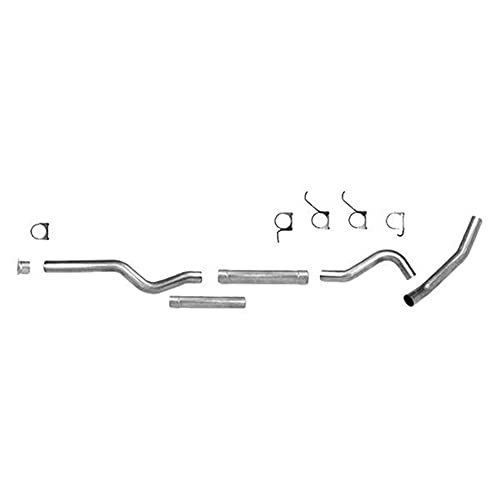 |
Diamond Eye K4110A-RP Diesel Exhaust 4" Cat Back AluminizedDiamond Eye Performance | Our pick | 4" Aluminized · No Muffler · Cat Back | $381.60
Price as of 14 Oct 2026
|
View |
 |
SleYuYir Stainless Steel Exhaust Pipe Kit Compatible withSleYuYir | Upgrade pick | 4" Stainless · OEM Fit · 2015-2016 | $269.99
Price as of 14 Oct 2026
|
View |
This comparison is built around use case, not volume. A quiet towing truck and a deleted weekend truck need very different parts, even if both wear the same 6.6L badge.
Pay close attention to generation, emissions hardware, and where the factory system is still restrictive. Those details matter more than pipe diameter alone.
How we chose
We compared each option by fitment across Duramax generations, towing behavior, emissions-retention compatibility, corrosion resistance, and hardware quality.
That means looking at what the system keeps or deletes, whether it suits a stock tune or a higher-heat tow tune, and whether the clamps and hangers are likely to stay quiet over time.
For emissions-equipped trucks, legal-use fit matters as much as flow. For salt-belt trucks, material and joint quality matter more than a louder tone.
Best overall: 4-inch turbo-back
A 4-inch turbo-back is the best all-around Duramax exhaust for many trucks because it gives meaningful flow improvement without pushing most towing setups into excessive drone. On LB7, LLY, LBZ, and deleted LMM or LML trucks, 4-inch is often the practical ceiling for daily use; on emissions-retained LMM, LML, and L5P trucks, a DPF-back or cat-back is typically the compatible route instead.
Where it fits best
For towing-focused owners, 4-inch piping is usually enough to reduce restriction after the turbo while keeping exhaust note and cab noise manageable. It also fits stock-tune and mild tow-tune trucks better than 5-inch systems, which can add sound without much gain at that power level.
Factory restriction points differ by generation. Older LB7 and LLY trucks often benefit from replacing the downpipe and the tightest bends first, while LMM, LML, and L5P trucks are constrained by DPF, catalyst, SCR, and sensor packaging unless emissions parts stay in place.
Product choice
- Aluminized steel resists corrosion better than bare mild steel
- Cuts backpressure by removing the muffler component
- Designed specifically for Duramax applications
Diamond Eye K4110A-RP Diesel Exhaust 4" Cat Back Aluminized – No Muffler Duramax from Diamond Eye Performance is the clearer fit for owners who want a lower-cost 4-inch Duramax exhaust and can accept more tone than a muffled system. Based on the published specs, it is a 4-inch aluminized cat-back made for Duramax applications and it removes the muffler, so it favors flow and price over quietness.
The main drawback is also the point: no muffler means more sound and a greater chance of cabin drone on long grades or at steady highway speeds. Aluminized steel also needs more corrosion care than 304 stainless, especially in salt-belt use.
Best for towing: quiet cat-back
A quiet cat-back is the better towing choice when long grades, trailer noise, and exhaust brake use matter more than maximum flow. On a Duramax, drone control can matter more than moving up from 4-inch to 5-inch pipe, because a droning exhaust becomes tiring on mountain descents and highway pulls.
Why the muffler matters
For towing, a straight-through muffler often gives the best balance. It keeps restriction lower than a chambered design while cutting the low-frequency boom that shows up in the cab under light throttle or during steady-speed towing.
A chambered muffler can quiet things further, but it may add more restriction and can dull the sound the turbo normally masks. For most tow rigs, a straight-through muffler paired with 4-inch pipe is the cleaner answer.
Exhaust brake fit
Exhaust brake use on descents is part of the buying decision. A well-matched exhaust should not interfere with brake function, but overly restrictive mufflers, poor bends, or loose joints can change the way brake backpressure feels and how much noise the system makes when the brake is engaged.
Best for salt-belt trucks: 409 stainless
For road salt, slush, and winter driving, 409 stainless is usually the smart compromise. It resists corrosion much better than aluminized steel and often costs less than full 304 stainless, which makes it a practical long-life choice for work trucks and daily drivers.
409 vs 304 stainless
304 stainless offers the best corrosion resistance of the three common materials here, but you usually pay for it. 409 stainless is less shiny and not as corrosion-proof as 304, yet it holds up well enough for many trucks that see winter roads.
Aluminized steel still makes sense when budget is tight and the truck lives away from heavy salt exposure. It can be the right short-term answer, but it is the least attractive choice for long service life in rust-prone regions.
Hardware matters too
Band clamps are usually better than U-bolts for leak prevention and joint alignment. They distribute clamping force more evenly, which helps keep the system sealed without crushing tubing at the slip fit.
Hangers should be aligned before final tightening. Re-torque is common after the first heat cycle, especially on systems with slip joints that can settle once the exhaust expands and contracts.
Should you choose 4-inch or 5-inch exhaust?
Choose 4-inch for most stock, towing, and daily-driver Duramax trucks. Choose 5-inch only when the truck is deleted, tuned for higher flow, and the owner accepts more sound and a larger underbody package; on many tow rigs, 5-inch can be more exhaust than the use case needs.
Towing and daily-driver fit
Four-inch pipe is the common sweet spot because it reduces restriction without making the truck obnoxious at cruise. It also fits more cleanly around frame rails, cab mounts, and axle movement, especially on trucks that still need stock-like drivability.
Five-inch systems are more attractive on higher-output deleted trucks where flow becomes the priority. On a stock-tune or lightly tuned Duramax, the extra size often buys more noise and packaging compromises than real benefit.
When 5-inch is overkill
If you tow often, spend time on the highway, or want to keep exhaust brake noise under control, 5-inch is usually unnecessary. The larger tube does not automatically improve low-end torque, and it can make a quiet cab harder to achieve.
Example scenarios
Say your LLY is a weekend tow rig with a 10,000-pound trailer and mostly stock tuning. A 4-inch straight-through or mild muffled setup will usually fit the goal better than a 5-inch system that adds volume without solving a real restriction.
Suppose your L5P is still emissions-retained and you want less drone on the highway. A DPF-back or cat-back that preserves the factory aftertreatment package is the correct direction, not a turbo-back that conflicts with sensors and legal-use requirements.
Can you keep emissions equipment?
Yes, if the truck generation and parts layout allow it. LMM, LML, and L5P trucks are the main emissions-equipment trucks here, and the right answer is usually a DPF-back or cat-back that keeps the DPF, catalyst, SCR, DEF tank, and sensors intact for legal road use.
DPF, SCR, and DEF compatibility
On later Duramax trucks, the DPF and SCR system create both packaging and legality constraints. A compliant exhaust must preserve regeneration strategy, sensor locations, and DEF integration so the truck can run as designed.
Deleting emissions equipment may reduce restriction, but it also changes heat management, sound, and legality. The right choice depends on local law and how the truck is used; for street-driven trucks, retaining emissions hardware is the safer answer.
Stock tune, tow tune, and deleted tune
A stock tune generally pairs best with a quiet, emissions-retained setup. A tow tune can work well with a freer-flowing but still restrained exhaust, while a deleted tune opens the door to larger pipe and less muffling because the truck no longer has to work around the DPF and related hardware.
Higher heat and EGT concerns rise as power rises. More flow helps control heat, but a louder exhaust alone does not guarantee better performance if the rest of the setup is mismatched.
Do not ignore the legal side
Emissions-related modifications are not just a fitment issue. Any configuration that removes or disables required hardware is for off-road or non-road use only where permitted by law.
Will a larger exhaust hurt low-end torque on a Duramax?
Usually no, not by itself. A properly sized 4-inch or 5-inch exhaust does not remove low-end torque in a way most drivers can feel; what matters more is tune quality, turbo response, bend design, and whether the system is too large for the truck’s actual airflow needs.
Backpressure tradeoffs
Turbo-diesel exhaust systems are not simple naturally aspirated systems. A free-flowing exhaust can lower restriction after the turbine, but too much diameter on a lightly modified truck can reduce gas velocity and make the setup louder without adding useful drivability.
That is why 4-inch is the common practical choice for stock and towing trucks. It keeps flow up without making the system unnecessarily large.
Downpipe diameter and bend radius
Downpipe fitment matters as much as pipe size. A better-bent downpipe with a smoother radius can help turbo response and reduce the tight bends that often create restriction near the firewall or transmission tunnel.
Fitment varies by cab, bed, and year range. What clears an LB7 regular cab may not fit an L5P crew cab without specific provisions for sensors, aftertreatment, and frame packaging.
Duramax exhaust matrix decision table
| Engine generation | Towing frequency | Tuning level | Emissions retention | Desired sound | Rust exposure | Recommended pipe diameter / muffler style |
|---|---|---|---|---|---|---|
| LB7 | Frequent towing | Stock or tow tune | Not applicable | Quiet to mild | Salt belt | 4-inch, straight-through muffler, 409 stainless if budget allows |
| LLY | Moderate towing | Stock or mild tune | Not applicable | Mild | Dry climate | 4-inch, straight-through muffler, aluminized acceptable if cost matters |
| LBZ | Frequent towing | Stock, tow tune, or deleted tune | Not applicable | Quiet to moderate | Salt belt | 4-inch, straight-through muffler for towing; 5-inch only on higher-output deleted builds |
| LMM | Frequent towing | Stock or tow tune | Keep DPF and catalyst for road use | Quiet | Salt belt | DPF-back or cat-back, 4-inch equivalent flow, muffled or OE-style |
| LML | Frequent towing | Stock or tow tune | Keep DPF, SCR, and DEF sensors for road use | Quiet | Salt belt | Emissions-retained DPF-back or cat-back, conservative muffler choice |
| L5P | Heavy towing | Stock or tow tune | Keep DPF, SCR, and DEF sensors for road use | Very quiet | Salt belt | Emissions-retained, OE-fit system with strong hanger alignment and corrosion-resistant hardware |
Common failure cases and best match
| Problem | What usually causes it | Best exhaust choice |
|---|---|---|
| Drone | Straight pipe, poor muffler choice, or long cab resonance | 4-inch with a straight-through muffler |
| Soot leak | Loose slip joint, crushed tube, or uneven clamp load | Band clamps with clean slip-fit joints |
| Cracked hangers | Misaligned hangers, excessive vibration, or over-tightened joints | OE-fit system with proper hanger alignment and flex-friendly routing |
| Regen concerns | DPF restriction, sensor disturbance, or incompatible modifications | Emissions-retained DPF-back or cat-back |
| Exhaust brake complaints | Too much noise, poor fitment, or a setup that makes brake engagement harsh in the cab | Quiet 4-inch system with a straight-through muffler or OE-style emissions-retained layout |
What is the best exhaust system for a Duramax truck?
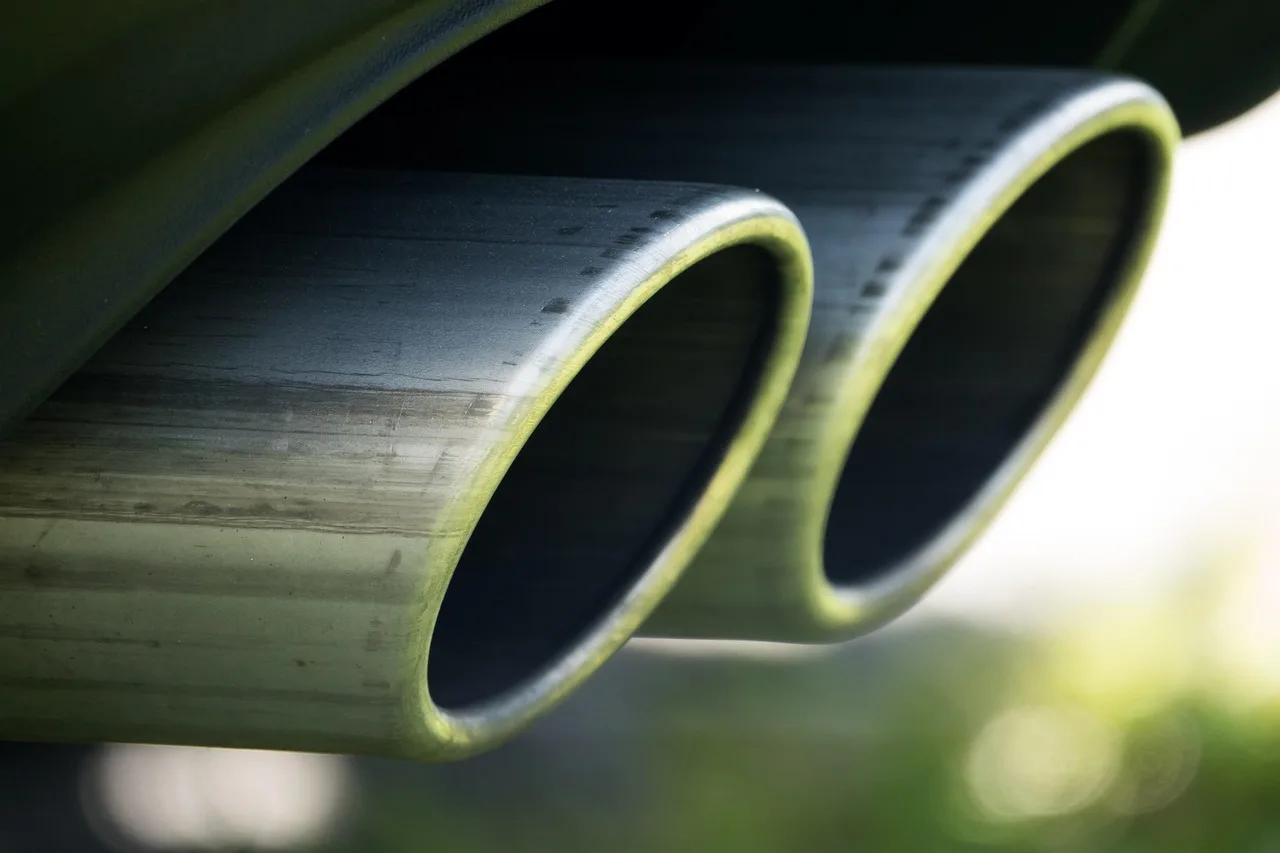
The best choice for most Duramax owners is a 4-inch, quiet-flow setup that matches the truck’s generation and emissions hardware. For older LB7 through LBZ trucks, that usually means a 4-inch turbo-back or cat-back style system; for LMM, LML, and L5P trucks, it usually means a DPF-back or cat-back that keeps the aftertreatment intact.
Do I need a cat-back or turbo-back on a Duramax?
Choose cat-back or DPF-back if the truck still has factory emissions equipment and you want a legal, lower-drama install. Choose turbo-back only when the truck’s generation and use case allow it, because replacing the system upstream of the exhaust aftertreatment changes both fitment and compliance requirements.
Which exhaust is best for towing a Duramax?
A quiet 4-inch system with a straight-through muffler is usually best for towing. It keeps drone under control, preserves enough flow for grade pulls, and pairs well with exhaust brake use on long descents without turning the cab into a drone chamber.
When to use exhaust brake duramax
Use the exhaust brake on long descents, mountain grades, and trailer-heavy downhill sections where you want to reduce service brake load. It works best with an exhaust system that keeps the flow path clean, the joints sealed, and the tone manageable so brake engagement does not become tiresome.
Which one should you buy?
If budget is the main limit and your truck is an older LB7, LLY, or LBZ that does not need emissions hardware retained, the Diamond Eye 4-inch cat-back is the cleaner value play. It favors flow and price, but you should accept more noise and less corrosion resistance than stainless.
If you want the best daily-driver choice for a street truck that sees towing and winter road use, start with a 4-inch quiet-flow system in 409 stainless. That combination gives the best balance of longevity, fit, and cab comfort for most owners.
If towing is the main job, prioritize a muffled 4-inch setup over a larger pipe. If corrosion is the main concern, step up to 409 or 304 stainless before you add diameter.
For emissions-retained LMM, LML, and L5P trucks, do not chase a turbo-back unless the system is specifically designed to keep the required hardware in place. The safer route is a DPF-back or cat-back with correct sensor and hanger integration.
If the truck is deleted and tuned for higher flow, a 5-inch system can make sense, but only when the owner accepts the extra sound and packaging size. That is a niche choice, not the default answer.
Frequently asked questions
Should I get a 4 inch or 5 inch exhaust on my Duramax?
Choose 4-inch for towing, daily driving, and stock or mild tune use. Choose 5-inch only for deleted, higher-output trucks where sound tolerance is higher and packaging space is not a concern. On many trucks, 5-inch adds noise faster than it adds useful flow.
Will a Duramax exhaust make it louder without drone?
It can, if you choose a straight-through muffler and avoid oversized pipe for the truck’s power level. Drone control depends more on muffler design, bend quality, and cab resonance than on exhaust diameter alone, so a thoughtful 4-inch system often sounds better than a bare 5-inch tube.
Is stainless steel worth it for a Duramax exhaust system?
Yes, if the truck sees winter roads, salt, or long ownership plans. 409 stainless is the practical middle ground for cost and corrosion resistance, while 304 stainless offers the best long-term rust protection. Aluminized steel is acceptable for dry climates or tighter budgets.
Can I run a Duramax exhaust and keep emissions equipment?
Yes, on trucks with DPF, catalyst, and SCR systems, if you choose a DPF-back or cat-back that preserves those parts and their sensors. That is the correct route for road use. A turbo-back usually conflicts with emissions equipment on newer trucks.