How To Make Corsa Exhaust Louder Easily
Some car owners want their Corsa exhaust to sound a bit more exciting. It can be tough to figure out how to make Corsa exhaust louder easily, especially if you are new to car modifications. Lots of people search for this because they want a more aggressive sound without complex steps.
This guide will show you simple ways to get that louder exhaust sound you are looking for. We will break it down step-by-step so anyone can follow along.
Understanding Corsa Exhaust Systems
This section will explore the basics of Corsa exhaust systems and why people often seek to alter their sound profile. We will look at what makes an exhaust system produce sound and how different components can affect its loudness. This will set the stage for understanding the methods we will cover later on.
What Makes an Exhaust Louder
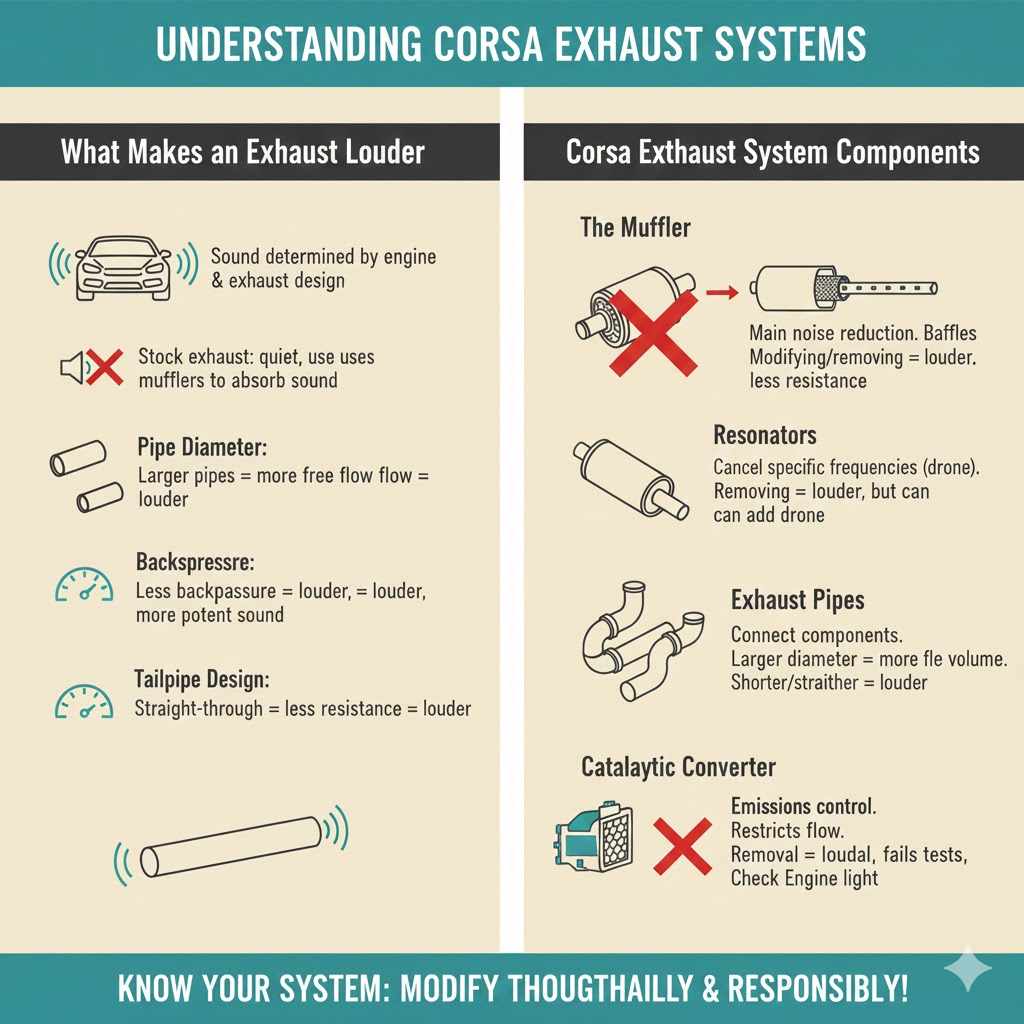
The sound of your car’s exhaust is determined by several factors, including the engine’s design and the exhaust system itself. The exhaust system’s primary job is to channel exhaust gases away from the engine safely. However, it also plays a huge role in the sound your car makes.
Think of it like a musical instrument; the pipes and chambers change the sound.
The loudness of an exhaust system is influenced by its ability to muffle or amplify sound waves. A stock exhaust system is designed to be as quiet as possible. It uses features like mufflers and resonators to absorb sound.
These parts break down the sound waves, making them less intense before they exit the tailpipe. If you want a louder sound, you often need to reduce the effectiveness of these sound-dampening components.
The diameter of the exhaust piping is another factor. Larger pipes can allow exhaust gases to flow more freely, which can sometimes lead to a louder sound. The material of the exhaust system also plays a small part.
Different metals can resonate differently, affecting the overall tone and volume.
A key concept is backpressure. Backpressure is the resistance to flow in the exhaust system. While some backpressure is needed for engine performance, too much can stifle exhaust flow and, consequently, sound.
Reducing backpressure can make the exhaust sound more potent.
Engine tuning also impacts exhaust loudness. An engine running richer or leaner can produce slightly different exhaust notes. However, focusing on the exhaust system itself is usually the easiest way to achieve a noticeable change in volume.
Finally, the tailpipe design matters. A straight-through pipe offers less resistance than a baffled one, leading to increased sound output. Understanding these elements helps explain why certain modifications work and others do not when aiming for a louder Corsa exhaust.
Corsa Exhaust System Components
Corsa exhaust systems are known for their performance and distinctive sound. They typically consist of several key parts. Understanding these parts is vital for knowing how to modify them for increased volume.
Each component has a specific function, from reducing noise to improving exhaust flow.
The Muffler
The muffler is the main component responsible for reducing exhaust noise. It contains baffles and chambers designed to absorb sound waves. Think of it as a sound-canceling device for your car.
It redirects exhaust gases through a series of passages, bouncing them around and cancelling out noise.
For a louder exhaust, the muffler is often modified or
The internal design of a muffler dictates its sound-dampening capabilities. Simple chambered mufflers use physical barriers to redirect sound. Perforated core mufflers, often called “straight-through” or “glasspack” mufflers, offer less resistance to exhaust flow.
This reduction in resistance is a direct contributor to increased loudness.
Resonators
Resonators are smaller than mufflers and are designed to cancel out specific sound frequencies. They work by using a hollow chamber to create sound waves that are out of phase with unwanted exhaust noises. When these opposing waves meet, they cancel each other out.
This helps to eliminate droning or unwanted tones, producing a cleaner sound.
Removing resonators is a common way to make an exhaust system louder. Without resonators, those specific frequencies are no longer canceled, allowing more of the raw exhaust note to escape. However, removing resonators can sometimes lead to an unpleasant drone at certain RPMs.
This is why some people choose to
The effectiveness of a resonator depends on its size and the length of the pipe connected to it. Different lengths create sound waves that cancel out different frequencies. For a louder exhaust, the goal is often to remove these cancellations or reduce their impact.
Exhaust Pipes
The exhaust pipes connect the various components of the exhaust system, from the engine manifold to the tailpipe. Their diameter and material affect exhaust flow and sound. Larger diameter pipes generally allow for better exhaust gas flow, which can lead to increased volume and a slightly more aggressive tone.
The length and routing of the exhaust pipes also play a role. A shorter, straighter exhaust system typically produces a louder sound than a longer, more convoluted one. This is because exhaust gases encounter less resistance and have fewer opportunities for sound to be absorbed or canceled.
Material choice can influence the sound. Stainless steel is a common material for performance exhaust systems because it is durable and can produce a clean, resonant sound. Thinner gauge metal may also resonate more readily, contributing to a louder output.
Catalytic Converter
The catalytic converter is a crucial emissions control device. It converts harmful pollutants in the exhaust gases into less harmful substances. While its primary function is environmental, it also restricts exhaust flow to some extent.
Removing or replacing a catalytic converter can increase exhaust flow and loudness.
However, it is important to note that removing a catalytic converter is illegal in many places and can lead to failed emissions tests. Therefore, modifications involving the catalytic converter are often not recommended for street-legal vehicles.
For individuals looking to increase the sound of their exhaust, focus is typically placed on the muffler and resonator sections. These are the components most directly involved in sound manipulation and are generally permissible to modify or
Simple Ways to Make Corsa Exhaust Louder Easily
Now that we have a good grasp of how exhaust systems work, let’s explore the practical, easy ways to make your Corsa exhaust sound louder. These methods are designed for beginners and focus on achieving a noticeable change without overly complicated procedures or extensive modifications. We will go through each step, making it clear how to achieve your goal.
Replacing the Muffler
Replacing your stock Corsa muffler with an aftermarket performance muffler is one of the most effective and straightforward ways to increase exhaust volume. This is often the first modification car enthusiasts consider when they want a louder sound.
Performance mufflers are engineered differently from factory mufflers. They often feature a straight-through design or a less restrictive internal baffle system. This design allows exhaust gases to flow more freely, creating less resistance.
Less resistance means the exhaust gases can exit the system with more force and less sound dampening. The result is a noticeably louder and often deeper exhaust note.
When choosing a replacement muffler, consider your desired sound level. Some mufflers are designed to be moderately louder, while others offer an aggressive, race-car-like sound. Reading reviews and listening to sound clips online can help you select the right one.
Look for mufflers specifically designed for your Corsa model to ensure a proper fit.
The process of replacing a muffler is usually quite simple. It typically involves unbolting the old muffler from the exhaust pipes and bolting the new one into place. Many aftermarket mufflers are designed as direct bolt-on replacements, meaning no welding or complex fabrication is required.
This makes it an accessible modification for most DIY enthusiasts. Ensure you have the right tools, such as wrenches and possibly some penetrating oil to help loosen stubborn bolts. Safety is key, so always work on a level surface and use jack stands if you need to lift the vehicle.
The benefits of this modification go beyond just sound. A less restrictive muffler can also contribute to a slight improvement in exhaust flow, which might offer minor performance gains. However, the primary goal for most people is the audible enhancement.
This method provides a significant and satisfying increase in exhaust loudness.
Choosing the Right Performance Muffler
Selecting the correct performance muffler is key to getting the sound you want without unintended side effects. The market offers various types, each with a distinct effect on loudness and tone.
- Straight-Through Mufflers: These are highly effective for increasing volume. They have a perforated inner pipe surrounded by sound-absorbing material. Exhaust gases pass directly through the perforated pipe, with minimal obstruction. This design offers the least restriction and thus the loudest sound.
- Chambered Mufflers (Performance Oriented): While traditional chambered mufflers are designed for quietness, performance versions use modified chamber designs. These chambers are less restrictive than stock ones and can produce a deeper, more aggressive tone. They often offer a balance between loudness and a more refined sound compared to straight-through designs.
- Muffler Delete Kits: In some cases, a “muffler delete” involves removing the muffler entirely and replacing it with a straight pipe. This provides the maximum possible loudness from this specific modification. However, it can also lead to significant drone and may be illegal in certain areas.
When making your choice, consider the specific model of your Corsa. Manufacturers often design mufflers to complement the engine and chassis of particular vehicles. A muffler designed for a different car might not fit correctly or produce the desired sound profile.
Listening to sound clips online is a valuable step. Many exhaust manufacturers provide audio samples of their mufflers on various car models. This can give you a realistic preview of the sound.
Additionally, check user reviews for feedback on installation ease, durability, and the actual sound experience.
The material of the muffler also matters. Stainless steel is popular for its durability and corrosion resistance. It also contributes to a cleaner, brighter exhaust tone compared to milder steel.
Look for mufflers made from high-quality materials to ensure longevity.
Modifying or Removing Resonators
Resonators are designed to cancel out specific frequencies, often the annoying drone that can come with louder exhausts. For those seeking more volume, modifying or removing these components can be an effective strategy. This is a common technique that balances loudness with an acceptable exhaust note.
A resonator works by creating a sound wave that is 180 degrees out of phase with the unwanted frequency. When these two waves meet, they cancel each other out. If you want your exhaust to be louder, you essentially want to prevent this cancellation.
The easiest way to do this is to remove the resonator.
Removing a resonator typically involves cutting it out of the exhaust pipe and replacing it with a straight piece of pipe. This bypasses the sound-canceling chamber, allowing more of the raw exhaust sound to pass through. The result is a more aggressive tone and increased overall volume.
It is a relatively simple modification that can be done by a local exhaust shop or by a DIY enthusiast with basic welding skills or access to clamps and pipe sections.
Alternatively, some aftermarket companies offer “resonator delete pipes” specifically designed for your Corsa model. These are direct bolt-on
It is important to note that removing resonators can sometimes introduce an unwanted drone, especially at certain cruising speeds. This drone can be fatiguing on long drives. However, many people find the increased loudness and sportier sound to be well worth this potential trade-off.
If drone becomes an issue, you can always consider re-installing a resonator or trying a different aftermarket muffler that addresses this.
The impact of resonator modification on loudness is significant, but it might not be as dramatic as a full muffler replacement. It often results in a sharper, more pronounced exhaust note rather than a deep rumble. This can be a great option for those who want a noticeable but not overwhelming increase in sound.
The Mechanics of Resonator Deletion
Deleting a resonator involves bypassing its sound-canceling function. The standard exhaust system has a muffler for general noise reduction and resonators for specific frequency cancellation. If your goal is more sound, interfering with the resonator is a logical step.
To delete a resonator, a section of the exhaust pipe containing the resonator is cut out. A straight pipe section is then welded or clamped in its place. This creates a continuous, unobstructed path for the exhaust gases.
The sound waves that would have been canceled by the resonator are now allowed to pass through to the muffler and out the tailpipe.
This process is often performed by local auto repair shops specializing in exhaust systems. They have the tools and expertise to cut the pipe cleanly and install a replacement section securely. For DIY enthusiasts, this might involve using a pipe cutter and then employing exhaust clamps or welding equipment to attach a new pipe section.
A common alternative to cutting and welding is using a clamp-on resonator delete pipe. These are pre-fabricated sections of pipe designed to bolt directly onto the exhaust system where the resonator was removed. They often come with gaskets and hardware for a secure, leak-free installation.
When considering this modification, it is wise to research potential drone. Some vehicles are more prone to drone than others after resonator removal. Online forums and Corsa owner groups can be excellent resources for understanding how this modification typically affects your specific car model.
The loudness increase from resonator deletion is generally moderate. It sharpens the exhaust note and increases overall volume without making it excessively loud. It’s a good middle ground for those who want a more aggressive sound without going to the extremes.
Exhaust Tip Upgrades
While exhaust tips themselves do not significantly increase the internal loudness of the exhaust system, they can affect how the sound is perceived and can contribute to a sportier aesthetic. Changing to larger or differently styled exhaust tips can make the exhaust sound subtly deeper or more aggressive.
The diameter of the exhaust tip plays a role in sound projection. A larger diameter tip can sometimes lead to a slightly deeper tone and a more pronounced sound as the exhaust gases exit. It can also give the impression of greater loudness due to its visual presence.
Material and design also matter. Tips made of polished stainless steel or titanium can resonate differently and contribute a cleaner, sharper sound. Some aftermarket tips are designed with specific shapes or internal baffles that can slightly alter the exhaust note.
For example, a rolled-edge tip might offer a different acoustic effect than a straight-cut tip.
Exhaust tip upgrades are typically very simple to install. Many are designed as bolt-on replacements that attach to the existing exhaust pipe. Some may require clamps, while others might simply slide over the end of the tailpipe.
This makes them a very accessible modification for anyone looking to personalize their car’s appearance and slightly enhance its sound.
While this modification is generally less impactful on loudness compared to muffler or resonator changes, it is an easy and affordable way to enhance the overall exhaust experience. It’s often chosen by individuals who want a subtle enhancement to both the look and sound of their Corsa’s exhaust. It’s a great starting point for those new to car modifications.
Choosing and Installing New Exhaust Tips
Selecting the right exhaust tips involves considering both aesthetics and the subtle acoustic effects they can produce. While not a primary loudness enhancer, they contribute to the overall exhaust experience.
Material: Stainless steel is a popular choice for its durability, resistance to corrosion, and bright, clean appearance. Titanium offers a premium option, being lightweight and highly durable, often with a distinct bluish tint when heated. Carbon fiber tips provide a sporty, modern look.
Diameter: Larger diameter tips can sometimes create a slightly deeper exhaust note as they offer more space for the exhaust gases to expand and exit. Measure your existing tailpipe to ensure compatibility. Common diameters range from 2.5 inches to 4 inches or more.
Style: Tips come in various styles, including straight-cut, angled-cut, rolled-edge, slash-cut, and double-walled designs. Each can subtly influence the sound projection and the visual appeal from the rear of the vehicle.
Installation: Most aftermarket exhaust tips are designed for easy installation.
- Clamp-On: These tips slide over the existing tailpipe and are secured with bolts or clamps. This is the simplest and most common method.
- Bolt-On: Some tips have a flange that bolts directly to the exhaust pipe.This often requires removing the existing tip first.
- Welded: While less common for simple tip upgrades, some may opt for welding for a permanent and secure fit. This requires welding equipment and expertise.
Before installation, ensure the exhaust pipe is clean and free of rust or debris. If using clamps, tighten them securely but avoid over-tightening, which could damage the exhaust pipe.
Exhaust tip upgrades are a great way to personalize your car and get a minor audible enhancement. They are an excellent starting point for those new to car modifications.
Performance Air Filters
While not directly part of the exhaust system, a performance air filter can indirectly influence exhaust sound. By allowing the engine to breathe more easily, it can sometimes result in a slightly more pronounced intake sound, which can complement a louder exhaust.
A performance air filter is designed to be less restrictive than a standard paper filter. It typically allows more air to enter the engine’s intake system. This improved airflow can lead to a slight increase in engine performance and, importantly for sound, a more noticeable intake noise.
When you accelerate, you might hear a subtle “whoosh” or growl from the engine bay, which can make the overall driving experience feel more engaging.
The connection to exhaust loudness is indirect. With more air entering the engine, the combustion process can be slightly more aggressive. This can translate into exhaust gases being expelled with a bit more energy, potentially making the exhaust sound marginally louder or deeper.
However, the primary effect is on the intake sound.
Replacing an air filter is one of the easiest modifications you can do. It usually involves opening the airbox, removing the old filter, and inserting the new one. No tools are typically required, making it accessible for absolute beginners.
Performance air filters are widely available for most Corsa models.
It’s important to manage expectations with this modification. The change in exhaust sound will be subtle, if noticeable at all. Its main contribution is to enhance the intake sound and provide a minor boost in airflow.
If your main goal is to make the Corsa exhaust louder, focus on the muffler and resonator modifications. This is more of a complementary mod.
Some performance air filters are washable and reusable, offering long-term cost savings and environmental benefits compared to disposable paper filters. When choosing one, look for reputable brands that offer filters designed specifically for your Corsa model. This ensures a proper fit and optimal performance.
Benefits of Performance Air Filters
Performance air filters offer several advantages, particularly for enthusiasts looking to optimize their engine’s performance and sound.
- Increased Airflow: Designed with materials like cotton gauze or synthetic fibers, these filters have a larger surface area and allow for more air to enter the engine. This improved airflow can help the engine perform more efficiently.
- Enhanced Intake Sound: As more air is drawn into the engine, the intake noise becomes more audible. This can result in a sportier “whoosh” or growl during acceleration, adding to the driving experience.
- Improved Engine Efficiency: With better airflow, the engine can potentially burn fuel more effectively, leading to slight improvements in power and fuel economy.
- Reusability: Many performance filters are washable and reusable. This means you can clean and re-oil them for continued use, saving money over time compared to replacing disposable paper filters.
- Durability: Constructed from robust materials, these filters are often more durable than standard paper filters, offering longer service life.
The installation process is typically very straightforward. Locate the vehicle’s airbox, which usually has clips or screws holding it shut. Open the airbox, remove the old filter, and install the new performance filter, ensuring it sits correctly.
Close the airbox securely.
While the impact on exhaust loudness is indirect and minimal, the enhanced intake sound and potential for improved engine breathing make it a popular choice for many car owners.
Important Considerations Before Modifying
Before you start changing your Corsa’s exhaust system to make it louder, it is crucial to consider a few important factors. These include legal regulations, potential impact on your car’s performance, and the overall driving experience. Thinking these through will help you make informed decisions and avoid problems down the line.
Legal Regulations and Emissions
Making your Corsa exhaust louder can sometimes cross the line into illegality, depending on your location and the specific modifications made. Most regions have regulations in place regarding vehicle noise levels. These are often measured in decibels and have specific limits, especially for modified exhaust systems.
Exhaust modifications that significantly increase noise can lead to fines or even have your vehicle taken off the road. It is essential to research the local laws and regulations concerning vehicle exhaust noise in your area. Many car forums and local automotive clubs can be good sources of information.
Furthermore, modifications that involve removing or altering the catalytic converter are almost always illegal. The catalytic converter is a vital emissions control device. Its removal not only increases pollution but also typically results in your vehicle failing emissions tests, which are mandatory in many places.
Tampering with emissions control systems can lead to substantial fines and legal trouble.
When aiming for a louder exhaust, focus on modifications that primarily affect sound dampening, such as changing the muffler or resonator, without compromising the catalytic converter. Aftermarket mufflers and resonator delete pipes are generally legal as long as they do not push your vehicle’s noise output beyond the legal limits.
A good rule of thumb is to aim for an exhaust note that is sporty and aggressive but not excessively loud or offensive. Many aftermarket performance exhausts are designed to meet noise regulations while still offering an improved sound. Always prioritize safety and legality when modifying your vehicle.
Understanding Noise Limits and Emissions Laws
Navigating the legal landscape of exhaust modifications requires awareness of noise ordinances and environmental regulations.
- Noise Limits: Many jurisdictions set maximum decibel (dB) limits for vehicle exhausts. These limits are often lower for passenger cars than for trucks or motorcycles. Exceeding these limits can result in citations and fines.
- Catalytic Converters: These devices are mandatory in most developed countries to reduce harmful emissions. Removing, tampering with, or replacing them with a “test pipe” or “cat-delete pipe” is illegal and environmentally damaging.
- Emissions Testing: Vehicles in many regions must pass periodic emissions tests. Modifying the exhaust in ways that affect emissions, such as removing the catalytic converter, will cause the vehicle to fail these tests.
- Aftermarket Compliance: When purchasing aftermarket parts, look for products that are advertised as “emissions legal” or “street legal.” These are generally designed to comply with regulations, although noise limits can still be an issue depending on the specific product and installation.
- Local Ordinances: Beyond national or state laws, some cities or towns have their own specific noise ordinances that may be stricter.
It is wise to consult your local department of motor vehicles (DMV) or equivalent authority for precise information regarding exhaust laws in your area. Many exhaust manufacturers also provide information on the legality of their products in different regions.
Impact on Engine Performance
While the primary goal of making your Corsa exhaust louder is often sound, it is important to understand how these modifications can affect your car’s engine performance. Some changes can lead to minor improvements, while others might have a negative impact if not done correctly.
Generally, a less restrictive exhaust system can improve exhaust flow. This means that the engine can expel exhaust gases more efficiently. When exhaust gases leave the engine faster, it can reduce the work the engine has to do, potentially leading to a slight increase in horsepower and torque.
This is why performance exhaust systems are popular among car enthusiasts.
Replacing a restrictive stock muffler with a straight-through or less baffled performance muffler can certainly improve exhaust flow. Similarly, removing or replacing restrictive resonators can also contribute to better flow. However, the gains are often modest, especially on naturally aspirated engines.
Turbocharged engines can sometimes see more significant improvements due to reduced backpressure.
On the other hand, if an exhaust modification creates too much “scavenging” or too little backpressure, it can sometimes hurt low-end torque. Backpressure, in moderation, helps the engine pull in the next charge of air and fuel mixture more effectively. So, while freeing up exhaust flow is good, completely eliminating backpressure is not always ideal for overall performance across all RPM ranges.
For simpler modifications like swapping mufflers or deleting resonators, the performance impact is usually positive or neutral for most daily driving scenarios. The biggest concern for performance is usually related to emissions components. Removing the catalytic converter, for instance, can lead to a loss of low-end torque and affect engine management if the car’s computer is not retuned.
If you are making significant exhaust modifications, especially on a newer vehicle, it is often recommended to consult with a professional tuner. They can assess the impact on your engine’s performance and recommend any necessary adjustments to the engine control unit (ECU) to optimize power delivery and ensure the engine runs smoothly and efficiently with the new exhaust setup. For basic loudness modifications, this is usually not necessary, but it’s good to be aware of.
Performance Gains from Exhaust Mods
The relationship between exhaust modifications and engine performance is often nuanced.
- Improved Exhaust Flow: Less restrictive exhaust components allow burnt gases to exit the engine more quickly. This reduces pumping losses, meaning the engine expends less energy just pushing gases out.
- Backpressure: While excessive backpressure is detrimental, a certain level is needed for optimal low-end torque in naturally aspirated engines. Extremely large pipes or a complete lack of backpressure can sometimes reduce this torque.
- Horsepower and Torque: Performance mufflers and high-flow catalytic converters (where legal) can add a few horsepower and a small amount of torque, particularly in the mid-to-high RPM range. These gains are usually more noticeable on turbocharged or larger displacement engines.
- Engine Tuning: For maximum performance gains, exhaust modifications are often paired with ECU remapping. This allows the engine’s computer to take full advantage of the improved airflow by adjusting fuel delivery and ignition timing.
- Intake Complementarity: Performance air filters and exhaust upgrades work best when they complement each other. A high-flow exhaust works more effectively when the engine can also take in more air.
It is important to note that for typical daily drivers like many Corsa models, the performance gains from simple exhaust loudness modifications are often minimal. The primary benefit is the auditory enhancement.
Impact on Driving Experience and Drone
Changing your Corsa’s exhaust to make it louder significantly alters the driving experience, and this can be a positive or negative change depending on your preferences. The most common unintended consequence is exhaust drone.
Exhaust drone refers to a persistent, low-frequency humming or buzzing sound that can be heard inside the car, especially at certain cruising speeds, typically between 1500 and 2500 RPM. This sound is often amplified by the cabin acoustics and can become quite annoying on longer journeys. It’s a trade-off for increased volume and a sportier exhaust note.
Simple modifications like removing mufflers or resonators are the most likely culprits for introducing drone. Stock exhaust systems are carefully engineered with mufflers and resonators to cancel out these unpleasant frequencies. When you remove or alter these components, you remove that sound cancellation.
However, not all louder exhausts result in unacceptable drone. Some aftermarket performance mufflers are designed to provide a louder exterior sound while minimizing interior drone. These often employ specific chamber designs, Helmholtz resonators (which are different from standard exhaust resonators), or sound-deadening materials to achieve this balance.
When choosing an exhaust modification, listening to sound clips of other Corsa owners who have made similar changes can be very helpful. Look for videos that include in-cabin sound samples to get a realistic idea of what to expect. Online forums dedicated to Corsa models are also excellent resources where owners share their experiences with different exhaust setups and discuss issues like drone.
If drone is a major concern, consider starting with a less aggressive modification, like a performance muffler that is known for a good balance of sound and comfort. You can always opt for more aggressive changes later if you find the initial modification isn’t loud enough. The goal is to enhance your driving experience, not detract from it.
The overall driving experience is subjective. Some drivers love the aggressive roar of a loud exhaust, finding it exciting and engaging. Others prefer a more refined, quieter ride.
Understanding your own preferences is key to a successful exhaust modification. A well-chosen modification can make your daily drive more enjoyable.
Managing Exhaust Drone
Exhaust drone can be a significant deterrent to enjoying a louder exhaust system. Fortunately, there are ways to manage or eliminate it.
- Choose the Right Muffler: Performance mufflers are not all the same. Some are designed specifically to reduce drone by incorporating sound-dampening technology or specific chamber designs. Look for mufflers advertised as “drone-canceling” or “quiet at cruising speeds.”
- Helmholtz Resonators: These are specialized chambers added to the exhaust system that are tuned to cancel specific frequencies. They are different from standard exhaust resonators and can be very effective at eliminating drone.
- Resonator Installation: If you have removed your resonators and are experiencing drone, consider re-installing them or purchasing aftermarket resonators designed to target the problematic frequencies.
- Exhaust Tip Design: While minor, the design of exhaust tips can have a small effect. Some tips are engineered to reduce drone by altering the exit path of the exhaust gases.
- Professional Tuning: In some cases, a professional engine tune can help manage drone by adjusting engine parameters. This is more complex and usually done in conjunction with other performance modifications.
When researching modifications, pay close attention to owner reviews and videos that specifically discuss drone. Many forums have dedicated threads where people discuss their experiences with different exhaust systems and their success in mitigating drone.

Frequently Asked Questions
Question: How can I make my Corsa exhaust louder without spending a lot of money?
Answer: You can often achieve a louder exhaust sound with simple modifications like replacing your stock muffler with a less restrictive performance muffler or removing the stock resonators and replacing them with straight pipes. These methods are generally more affordable than a full cat-back exhaust system.
Question: Will making my Corsa exhaust louder affect my car’s fuel economy?
Answer: In most cases, making your exhaust louder through less restrictive components can slightly improve fuel economy due to better engine breathing. However, the effect is usually minor and depends heavily on your driving style. Aggressive driving with a louder exhaust will naturally use more fuel.
Question: Is it legal to remove the catalytic converter on my Corsa?
Answer: No, it is generally illegal to remove or tamper with your catalytic converter in most countries and regions. This is because it is a critical emissions control device. Doing so can result in hefty fines and your vehicle failing emissions tests.
Question: How do I know if my Corsa exhaust is too loud?
Answer: Most areas have specific decibel limits for vehicle exhausts. If your exhaust is excessively loud, it might attract attention from law enforcement or cause complaints from neighbors. It’s best to research local noise ordinances.
Many aftermarket exhausts are designed to comply with these limits while still offering a sporty sound.
Question: Can I install a new muffler myself on my Corsa?
Answer: Yes, replacing a muffler is often a straightforward DIY project. Many aftermarket mufflers are designed as direct bolt-on replacements for the stock unit, requiring only basic tools like wrenches. Ensure you work safely and have the correct parts for your specific Corsa model.
Wrap Up
Making your Corsa exhaust louder easily is achievable with straightforward modifications. Focus on replacing the muffler with a performance model or removing the resonators. These steps offer a noticeable increase in sound without complex procedures.
Always consider local laws regarding noise and emissions to ensure your modifications are legal and enjoyable for everyday driving.