How Loud Is Gibson Exhaust? The Essential Answer
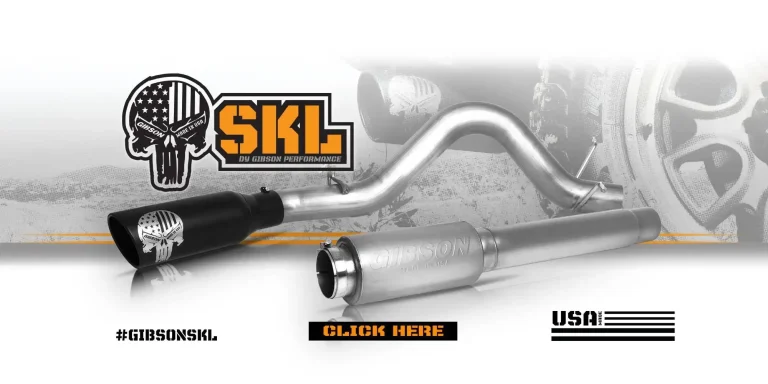
Gibson Exhaust systems offer a range of sound profiles, from mild to aggressive, depending on the specific product line and vehicle. Generally, they aim for a noticeable, performance-oriented tone without being excessively loud or annoying for daily driving.
Is your car’s exhaust making a strange noise, or are you thinking about an upgrade? Understanding exhaust noise levels is super important. Many car owners get confused about how loud a new exhaust will be. This can be frustrating, especially when you just want a better sound or a bit more performance. Don’t worry! We’re here to break down exactly how loud Gibson Exhaust systems are. We’ll make it simple and clear, so you can make the best choice for your ride. Let’s get your exhaust sounding just right!
Understanding Exhaust Sound Levels
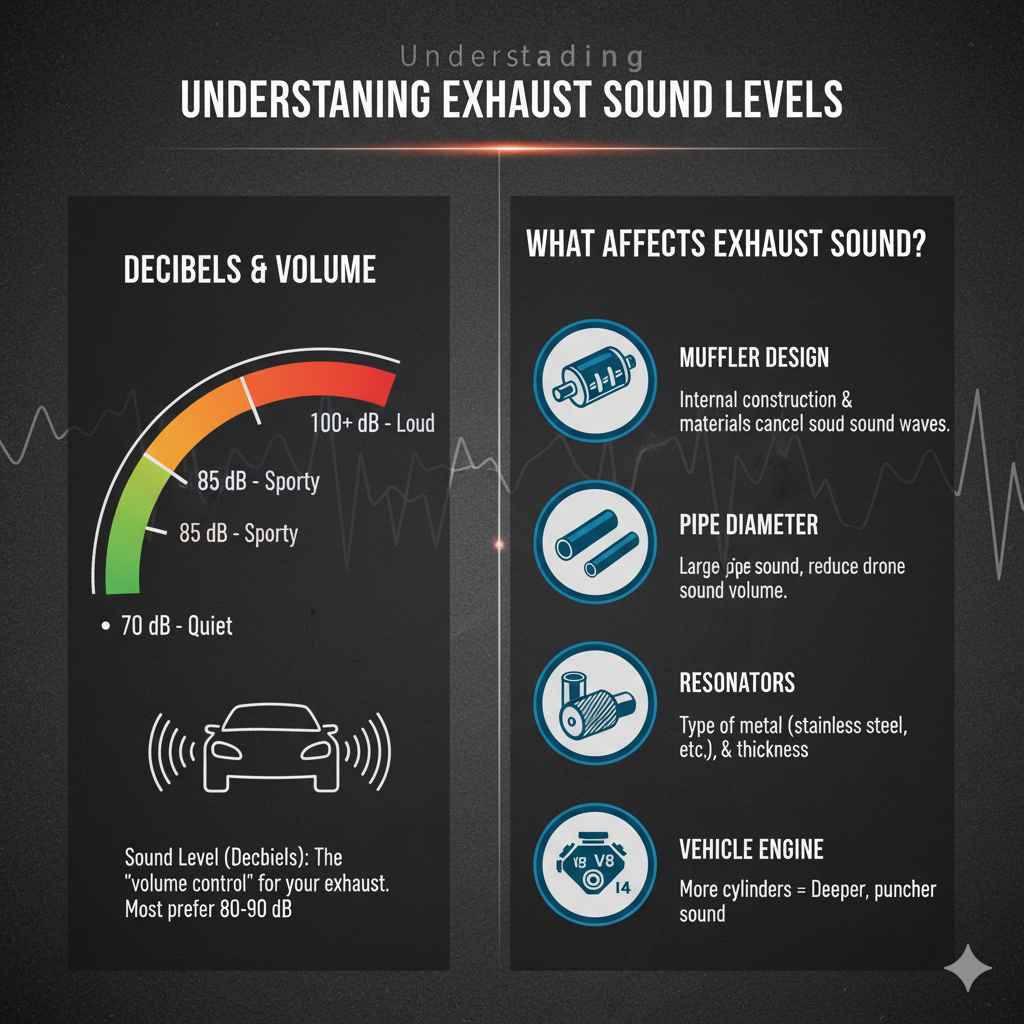
When we talk about how loud an exhaust is, we’re really talking about its sound level. This is often measured in decibels (dB). Think of decibels like the volume control for your car’s exhaust. A quiet exhaust might be around 70 dB, while a really loud one could be 100 dB or more. For everyday driving, most people prefer something in the middle – loud enough to sound sporty but not so loud that it’s annoying on the highway or when you’re just cruising.
Several things affect how loud an exhaust system sounds:
- Muffler Design: The heart of your exhaust’s quietness is the muffler. Mufflers use different methods, like baffling or packing materials, to cancel out sound waves.
- Pipe Diameter: Bigger pipes can sometimes allow more sound to escape.
- Resonators: These quieter chambers help tune the exhaust note and reduce unwanted drone or raspiness.
- Material: The type of metal and how it’s constructed can subtly affect the sound.
- Vehicle Engine: A V8 engine will naturally sound punchier than a 4-cylinder, no matter the exhaust.
What Makes Gibson Exhaust Stand Out?
Gibson Performance Exhaust is known for creating exhaust systems that balance performance gains with a pleasant sound. They don’t just aim for “loud” for the sake of it. Instead, they focus on producing a deep, powerful tone that complements the engine’s performance without causing headaches for the driver or the neighbors. They engineer their systems to reduce that annoying drone you sometimes get with aftermarket exhausts, especially at highway speeds.
Gibson offers different product lines, and each has its own sound characteristics. This means you can choose an exhaust that fits your personal preference. They also focus heavily on quality materials and construction, which not only ensures durability but also contributes to the refined sound they achieve.
Gibson Exhaust Product Lines and Their Sound Profiles
Gibson offers several popular exhaust series, each designed with specific sound goals in mind. Knowing these differences can help you pick the perfect level of loudness for your vehicle.
1. Super Truck Series
The Super Truck series is often described as a more aggressive, sporty sound. It’s designed for trucks and SUVs and aims to give a noticeable rumble that says “performance” without being obnoxious. If you want your truck to sound beefier and more capable, this is a great option. It’s louder than stock but usually not overwhelmingly so, making it suitable for daily driving for most people who enjoy a more spirited exhaust note.
2. Elite Series
Gibson’s Elite series is engineered for a powerful, deep, and throaty sound. It’s one of their more performance-oriented lines, meaning it will be noticeably louder than the stock exhaust. However, Gibson puts a lot of effort into making sure this sound is refined. You get a strong exhaust note under acceleration but minimal drone cruising at highway speeds. It’s a favorite for those who want a substantial upgrade in sound and performance.
3. Swept Side Series
This series often focuses on a well-balanced, sporty sound. It might not be as aggressive as the Elite or Super Truck series for some applications, but it provides a satisfying growl when you step on the gas. It’s designed to be a noticeable improvement over factory sound without being too intrusive. The Swept Side systems are a good middle-ground for many drivers seeking a pleasing exhaust tone.
4. Exhaust Systems for Specific Vehicles
It’s important to remember that the exact loudness can vary based on the vehicle the Gibson exhaust is designed for. A Gibson exhaust for a large V8 truck will naturally sound different and potentially deeper/louder than a system designed for a smaller 4-cylinder car. Gibson engineers their systems to complement the specific engine and chassis of each vehicle model.
How Loud is Gibson Exhaust? A Comparison
To give you a better idea, let’s compare Gibson’s typical sound levels to other exhaust types. Keep in mind these are general descriptions and actual decibel levels can vary significantly based on the exact product and vehicle.
Here’s a general guide:
| Exhaust Type | Typical Sound Description | Likely Decibel (dB) Range (Approximation) | Suitability for Daily Driving |
|---|---|---|---|
| Stock Factory Exhaust | Very Quiet, Muffled | 65-75 dB | Excellent |
| Gibson Swept Side Series | Sporty Growl, Moderate Volume | 80-88 dB | Good to Excellent |
| Gibson Super Truck Series | Aggressive Rumble, Noticeable Volume | 85-92 dB | Good (for those who like a more pronounced sound) |
| Gibson Elite Series | Deep, Powerful Tone, Distinct | 88-95 dB | Good (some might find it a bit much on long trips without sound deadening) |
| “Muffler Delete” / Straight Pipe | Extremely Loud, Raw, Often Raspy | 95+ dB | Poor (often too loud, illegal in many areas, causes significant drone) |
This table gives you a general idea. “dB” stands for decibels, which is a unit for measuring sound loudness. For reference, a normal conversation is about 60 dB, and a lawnmower can be around 90 dB.
Factors Influencing Gibson Exhaust Loudness
While Gibson designs its systems to hit specific sound targets, several other factors can influence the actual loudness you experience:
- Engine Size and Type: A larger engine (like a V8) will naturally produce a deeper and potentially louder exhaust note than a smaller engine (like a 4-cylinder).
- Exhaust System Configuration: Is it a cat-back system (replacing everything from the catalytic converter back) or a axle-back system (only replacing the muffler and tips)? Cat-back systems generally have a more pronounced effect on sound.
- Vehicle Age and Condition: An older vehicle might have more vibration or less insulation, making the exhaust sound more noticeable.
- Installation Quality: Proper installation ensures there are no leaks, which can alter the sound.
- Driving Style: Naturally, hitting the gas pedal harder will make any exhaust louder!
- Passenger Cabin Insulation: Modern cars have good sound deadening, which helps keep exhaust noise out. If your car has less insulation, you might hear the exhaust more.
Are Gibson Exhausts Too Loud for Daily Driving?
This is the big question, and the answer is usually no, not for most people who enjoy a sportier sound. Gibson excels at creating exhausts that offer a satisfying tone without the constant, irritating drone that plagues many aftermarket systems. Their engineers work to ensure that while the exhaust is more audible and aggressive under acceleration, it becomes much quieter and unobtrusive at cruising speeds on the highway.
However, what one person finds “perfectly sporty” another might find “a bit much.” If you are particularly sensitive to noise or drive very long distances at highway speeds in a vehicle with minimal sound insulation, you might want to start with a less aggressive Gibson series or even look for sound clips online specific to your vehicle model.
Finding Sound Clips
The best way to gauge the loudness is to listen to sound clips. Many enthusiasts upload videos to YouTube showcasing their specific Gibson exhaust on their vehicle. Search for “[Your Vehicle Year Make Model] Gibson [Exhaust Series Name] Sound” on YouTube to find these demonstrations.
Legal Considerations
It’s also wise to be aware of local noise ordinances. While Gibson systems are generally designed to be street-legal in terms of emissions and reasonable sound levels, extremely loud exhaust systems can sometimes violate local laws, especially in residential areas or during specific times. Always ensure your exhaust complies with your local regulations. You can often find information on vehicle exhaust noise limits from your state’s Department of Motor Vehicles (DMV) or equivalent agency.
Installation and What to Expect
Installing a Gibson exhaust system is a project that can range from relatively straightforward to more complex, depending on your experience and tools. For many bolt-on systems, especially axle-back or cat-back applications, it’s a manageable DIY job for someone with basic mechanical skills and the right tools. However, if you’re unsure or uncomfortable working under your vehicle, professional installation is always recommended.
Tools You Might Need for DIY Installation:
- Socket wrench set
- Torque wrench
- Penetrating oil (for stubborn bolts)
- Jack and jack stands (ensure they are rated for your vehicle’s weight and used safely – refer to your vehicle’s owner’s manual or a resource like NHTSA’s safety guidelines for proper vehicle lifting procedures)
- Safety glasses
- Gloves
- Exhaust hanger removal tool
- A helping hand (sometimes it’s easier with two people)
What to Expect Post-Installation
After installation, you’ll likely notice a few things:
- Immediate Sound Change: The exhaust note will be different right away.
- Break-In Period: Some exhaust systems, especially those with packing materials in the mufflers, might sound slightly different during the first few hundred miles as they “break in.” The sound might deepen or become more consistent.
- Performance Feel: While loudness is a sound characteristic, many Gibson systems aim to improve exhaust flow, potentially leading to a slight improvement in throttle response or efficiency.
- No Drone (Ideally): The goal is a great sound under load and quiet cruising.
Gibson vs. Competitors: Sound & Performance
When comparing Gibson exhaust to other brands, you’ll find that many focus on similar goals: better sound and performance. However, the nuances in their engineering lead to different results.
Some competitors might focus on simply being the loudest, using less sophisticated muffler designs or straight-pipe configurations more often. This can lead to more drone and a rougher sound profile. Other brands might be quieter, aiming for a subtle enhancement that’s barely noticeable.
Gibson generally strikes a balance. Their systems are typically:
- Louder than stock, but not excessively so.
- Deeper and throatier tones, rather than raspy or high-pitched.
- Engineered to minimize or eliminate drone.
- Focused on producing a “performance” sound that’s pleasing, not just loud.
For actual performance gains, the effect of an aftermarket exhaust like Gibson’s is usually modest on its own. Significant power increases often come when pairing an exhaust system with other modifications like an upgraded intake or custom tuning. However, improved exhaust flow can free up a few horsepower and improve throttle response.
Maintaining Your Gibson Exhaust
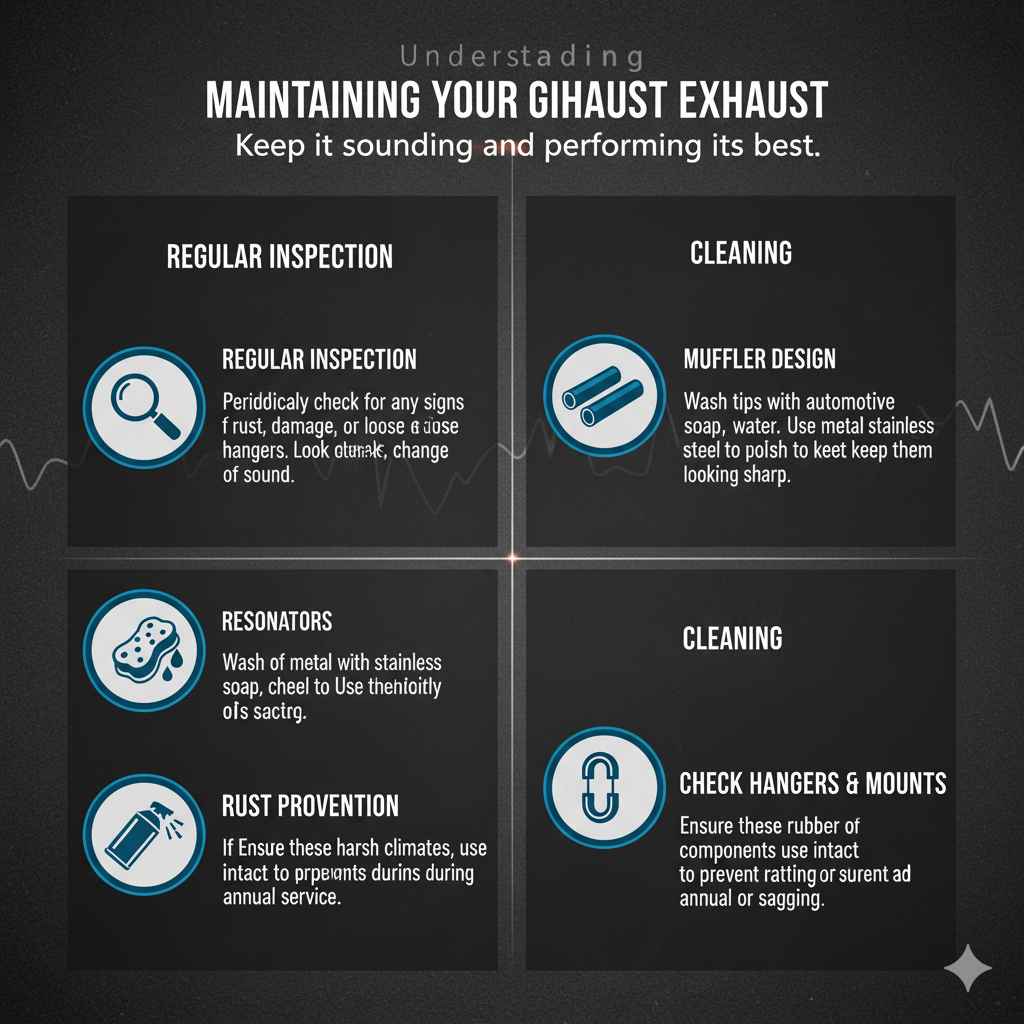
Your Gibson exhaust system is built to last, but a little maintenance can ensure it continues to sound and perform its best for years to come.
- Regular Inspection: Periodically check for any signs of rust, damage, or loose hangers. Look for leaks where the exhaust connects to your vehicle. A leak can change the sound and reduce performance.
- Cleaning: The exhaust tips can get dirty from road grime and soot. A good wash with automotive soap and water, and perhaps a metal polish for stainless steel tips, will keep them looking sharp.
- Rust Prevention: If you live in an area with harsh winters and road salt, consider using a rust inhibitor spray on the exhaust components during your vehicle’s annual service. Many automotive suppliers offer high-temperature rust protection sprays suitable for exhaust systems.
- Check Hangers and Mounts: These rubber components can degrade over time. Ensure they are intact to prevent the exhaust system from rattling or sagging.
Frequently Asked Questions (FAQ)
Q1: Are Gibson mufflers loud?
A1: Gibson mufflers are designed to be louder than stock but not excessively so. They aim for a sporty, deep, and satisfying tone that enhances the driving experience without being annoying. The exact loudness depends on the specific Gibson product line and the vehicle it’s installed on.
Q2: Will a Gibson exhaust drone at highway speeds?
A2: Gibson engineers their systems specifically to minimize or eliminate drone at highway speeds. While personal sensitivity varies, their products are generally praised for offering a good tone under acceleration with quiet cruising.
Q3: How do I know which Gibson exhaust is right for my car?
A3: Gibson offers specific exhaust systems for different makes and models. You can use their vehicle finder tool on their website or consult with an auto parts professional to identify the correct system for your vehicle. Consider the sound profiles of different Gibson series (Super Truck, Elite, etc.) to match your preference.
Q4: Can a Gibson exhaust improve my car’s performance?
A4: Yes, Gibson exhausts are designed to improve exhaust flow by using larger diameter pipes, smoother bends, and more efficient mufflers. This can lead to modest gains in horsepower, torque, and throttle response, especially when combined with other modifications.
Q5: Is a Gibson exhaust system difficult to install?
A5: For many applications, Gibson exhaust systems are designed as direct bolt-on replacements, making installation manageable for DIYers with basic tools and mechanical knowledge. However, if you’re not comfortable working on your vehicle’s underside, professional installation is recommended.
Q6: How loud is a Gibson exhaust compared to a “muffler delete”?
A6: A Gibson exhaust will be significantly quieter and have a much more refined tone than a muffler delete or straight pipe setup. Muffler deletes are extremely loud, often produce rasp, and can be illegal. Gibson focuses on performance sound quality, not just raw noise.
Q7: Will a Gibson exhaust affect my car’s fuel economy?
A7: While the primary goal of an exhaust upgrade is sound and performance, improved exhaust flow can sometimes lead to minor improvements in fuel efficiency, especially if the improved throttle response allows you to use less throttle for the same acceleration. However, significant changes in fuel economy are not typically expected solely from an exhaust system change.
Making Your Choice with Confidence
Choosing a new exhaust is an exciting step in personalizing your vehicle. Understanding “how loud is Gibson Exhaust” is all about knowing what they offer: a balance of performance sound and everyday livability. Gibson systems are designed to give you that satisfying rumble and sporty tone you’re looking for, without the annoying characteristics that some aftermarket exhausts suffer from.
By considering their different product lines—from the spirited Super Truck to the deep Elite series—and listening to sound clips specific to your vehicle, you can confidently select a Gibson exhaust that matches your auditory preferences. Remember to also factor in your vehicle’s specific needs and local regulations. With the right Gibson exhaust, you can enhance your driving experience, making every journey more enjoyable.