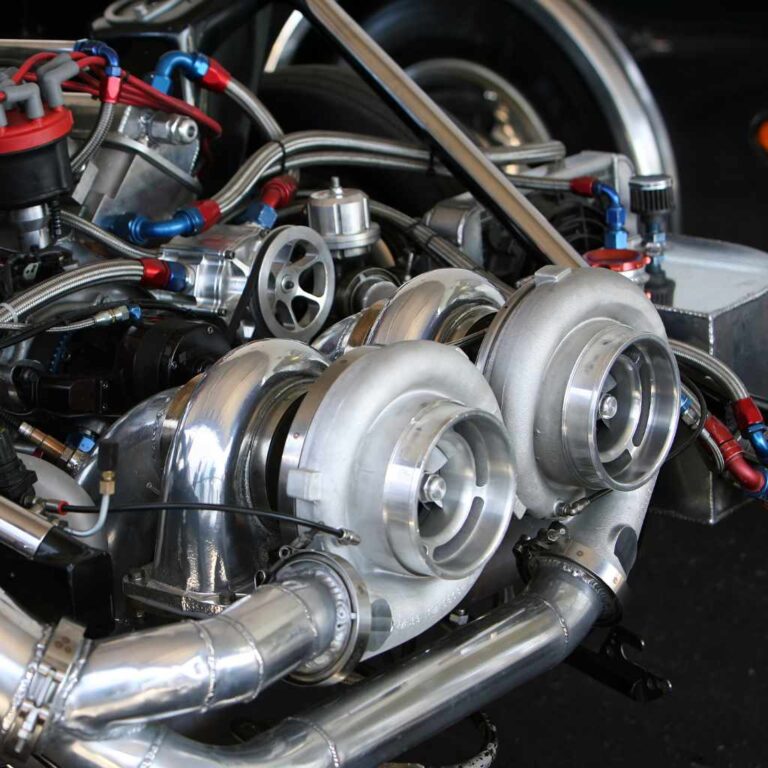
Does a Turbo Exhaust Require a Muffler: Essential Guide
Yes, a turbo exhaust generally requires a muffler for noise reduction, though some setups omit it for a louder sound. The muffler’s primary job is to quiet exhaust noise, but its impact on turbo performance is debated. This guide explains the details to help you decide.
Ever wondered if that roaring sound from a turbocharged car is supposed to be that loud? You’re not alone! Many car owners, especially those new to the world of turbos, hear the distinctive whistle and hiss and then wonder about the exhaust system. A common question that pops up is: “Does a turbo exhaust require a muffler?” It can be confusing because some turbocharged cars seem to rumble loudly, while others have a more subdued tone.
This might lead you to think mufflers are optional on turbo cars. But is that true? We’re here to clear up the confusion. We’ll walk you through what a muffler does, how it interacts with a turbo, and what you need to consider if you’re thinking about changing your turbo exhaust system. By the end, you’ll have a clear understanding and feel confident about making the right choices for your car.
Understanding Your Turbocharged Exhaust System
Before we dive into mufflers, let’s get a basic understanding of how a turbocharged exhaust system works. It’s a bit different from a naturally aspirated (non-turbo) engine. The turbocharger itself is powered by the hot exhaust gases coming from your engine. These gases are then directed through the exhaust system. This is where the muffler comes in, or sometimes, where it’s left out.
How a Turbocharger Works (The Quick Version)
A turbocharger is like a small fan powered by your engine’s exhaust. When your engine produces exhaust gases, they spin a turbine. This turbine is connected to another fan, called a compressor, on the intake side of your engine. The spinning compressor pushes more air into the engine. More air means your engine can burn more fuel, which results in more power! It’s a clever way to get more performance out of your engine without making the engine itself physically larger.
The Role of Exhaust Gases
For a turbo to work efficiently, those exhaust gases need to flow freely. Think of it like a clogged drain – if the water can’t get out easily, things start to back up. In an exhaust system, if the gases can’t escape quickly, it can limit how fast the turbo spins and how much extra air it can push into the engine. This is why some people consider modifying their exhaust system when they have a turbo.
Where Does the Muffler Fit In?
A muffler’s main job is to reduce the noise created by the engine’s combustion process as the exhaust gases exit. Inside a muffler, there are chambers or baffles designed to break up the sound waves. These waves collide with each other and with the muffler’s internal structure, significantly reducing the overall noise level. Without a muffler, your car would likely be uncomfortably loud, and in many places, outright illegal.

Does a Turbo Exhaust Need a Muffler?
This is the big question! The short answer is: it depends on your goals and local laws. A turbo exhaust doesn’t inherently need a muffler to function from a mechanical standpoint. The turbocharger itself is located before the muffler in the exhaust stream. This means removing the muffler won’t prevent the turbo from spooling up or working. In fact, for some enthusiasts, removing the muffler (or using a less restrictive one) can even slightly improve performance.
Performance Considerations
When exhaust gases exit the engine, they carry pressure and sound. A traditional, restrictive muffler can create backpressure. Backpressure is like a dam in a river – it slows down the flow. For a turbo engine, this can hinder the turbocharger’s ability to spin freely and efficiently. By reducing or eliminating the muffler, you can sometimes achieve:
- Quicker Turbo Spool: With less restriction, exhaust gases can exit faster, helping the turbo spin up to speed sooner.
- Slight Horsepower Gains: A less restrictive exhaust can allow the engine to “breathe” more easily, potentially leading to small increases in power, particularly at higher RPMs.
- Different Exhaust Note: This is a big one for many people. Turbocharged engines, especially when “de-muffled,” often produce a unique sound – a mix of turbo whistle, flutter, and a deeper exhaust tone.
However, it’s important to note that modern, high-flow mufflers are designed to minimize restrictive effects while still quieting the exhaust. The gains from removing a muffler entirely on a stock or mildly modified turbo car might be very small, often not noticeable in everyday driving.
Noise Levels and Regulations
This is where the “need” for a muffler becomes critical. Mufflers are designed to control noise. Without one, a turbo exhaust can be extremely loud. We’re talking potentially ear-splitting levels that can be irritating to you and everyone around you. Not only is this often uncomfortable, but it’s also usually illegal. Most regions have strict laws about vehicle noise emissions. Driving without a muffler, or with a straight-pipe exhaust, can lead to:
- Fines: Law enforcement can issue tickets for excessively loud vehicles.
- Inspection Failures: Many areas require vehicles to pass emissions and noise inspections.
- Community Annoyance: Very loud cars can create issues with neighbors and local communities, leading to complaints and potential action.
For these reasons, most people who want to modify their turbo exhaust choose a high-flow muffler or a sport muffler rather than removing it entirely. These options aim to reduce restriction while still keeping the noise within acceptable limits.
The Turbo’s Built-in “Muffling” Effect
Interestingly, the turbocharger itself does have a slight muffling effect on the exhaust. Because the turbine wheel inside the turbo spins very quickly, it can break up some of the initial pressure pulses and sound waves generated by the engine. This is why some turbocharged engines, even with a less restrictive exhaust, can sound quieter or have a different tone than a similarly modified naturally aspirated engine. The sound you hear from a turbo car is often a blend of the engine’s exhaust note AND the sounds of the turbocharger itself (like the spooling and wastegate flutter).
Types of Mufflers for Turbo Exhausts
If you’ve decided a muffler is necessary or desirable for your turbo car, understanding the different types can help you choose the right one. The goal is usually to balance noise reduction with performance. Here’s a look at common options:
1. OEM (Original Equipment Manufacturer) Mufflers
These are the mufflers that came with your car from the factory. They are designed for quiet operation and to meet regulations. While they are effective at muffling sound, they can sometimes be restrictive, especially on performance-oriented turbo models designed for more airflow.
2. Performance Mufflers (Sport Mufflers)
These are designed to offer a compromise. They typically use less restrictive internal baffling or a straight-through perforated core design surrounded by sound-absorbing material. This allows for better exhaust flow than OEM mufflers while still providing significant noise reduction. They often give a sportier, more aggressive exhaust note without being overwhelmingly loud.
3. Resonators
A resonator is not exactly a muffler, but it works alongside it (or sometimes in place of a traditional muffler on very specific setups). Resonators are designed to cancel out specific sound frequencies, often the droning or raspy tones that can be unpleasant. They help to refine the exhaust note, making it sound smoother and more focused, without affecting backpressure as much as a muffler does.
4. Straight-Pipe Exhaust (No Muffler)
This is where the muffler is completely removed. As discussed, this typically results in the loudest possible exhaust note and the least amount of restriction. While some performance enthusiasts opt for this on track-day cars or in jurisdictions with lax noise laws, it is generally impractical and illegal for daily street use due to noise.
5. Glasspack Mufflers
These are essentially a straight pipe surrounded by a perforated tube, with fiberglass packing material wrapped around the perforated tube. They offer very little restriction and produce a louder, more aggressive tone. They are a step up from straight-piping in terms of noise reduction but are still considerably louder than most performance mufflers. They tend to break down over time.
Comparing Muffler Options for Turbo Cars
Choosing the right exhaust component is a balancing act. Here’s a table that helps illustrate the trade-offs:
| Exhaust Component | Noise Level (Subjective) | Performance Impact (Potential) | Likelihood of Passing Inspection | Complexity for Beginners |
|---|---|---|---|---|
| OEM Muffler | Very Quiet | Low (can be restrictive) | High | Easy (usually direct replacement) |
| Performance Muffler | Moderate to Loud | Moderate (less restrictive) | Moderate to High | Moderate (may require custom fabrication) |
| Resonator Only | Moderate | Low to Moderate (depending on size) | Moderate | Moderate (may require custom fabrication) |
| Glasspack Muffler | Loud | Moderate (less restrictive) | Low | Moderate (may require custom fabrication) |
| Straight Pipe (No Muffler) | Very Loud | High (least restriction) | Very Low | Easy (simple removal) |
As you can see, there’s no single “best” option. It really depends on what you want to achieve. For most everyday turbo car owners, a good quality performance muffler or a combination of a high-flow muffler and a resonator will offer the best balance of sound, performance, and legality.
Installing or Replacing a Turbo Exhaust Muffler: What You Need to Know
If you’re thinking about changing your muffler, whether it’s to replace an old one or upgrade, here’s a general overview. This isn’t a full step-by-step installation guide, as that can vary greatly by car model and the specific parts used. Always consult your vehicle’s repair manual or a professional if you’re unsure.
Can You Do It Yourself?
Replacing a muffler on a turbo car can range from a simple bolt-on job to requiring significant welding and fabrication. It depends heavily on the vehicle and the aftermarket parts you choose.
- Bolt-on Systems: Some aftermarket exhaust systems are designed to be direct replacements for the factory parts. They use existing hangers and exhaust pipe connections. These are the easiest for DIY installation.
- Welded Systems: Other systems might require cutting the old muffler out and welding the new one in place. This requires specialized tools (like a welder) and skills.
- Custom Fabrication: If you’re aiming for a very specific setup or if parts aren’t readily available for your car, you might need custom exhaust work done by a professional shop.
Tools You Might Need (for a Bolt-On Replacement)
If your new muffler is a bolt-on type, here are some common tools you might need:
- Safety glasses and gloves
- Jack and jack stands (never work under a car supported only by a jack!)
- Socket wrench set and extensions
- Penetrating oil (like PB Blaster) for rusted bolts
- Wire brush for cleaning connections
- Replacement exhaust hangers (old ones can be brittle)
- Torque wrench (to ensure proper tightness)
- New exhaust gaskets and high-temperature exhaust sealant
General Steps (for a Bolt-On Replacement)
1. Safety First: Park your car on a level surface, engage the parking brake, and use jack stands to safely lift the rear of the vehicle. Wear safety glasses and gloves.
2. Locate the Muffler: Follow your exhaust pipe from the engine back. The muffler is usually the largest component in the rear section.
3. Inspect the Old Muffler: Check for rust, holes, or damage. Note how it’s connected – usually with bolts at the front and hangers holding it in place.
4. Apply Penetrating Oil: Spray any bolts and hangers with penetrating oil and let them soak for a while. This makes them easier to remove.
5. Remove Exhaust Hangers: Use a pry tool or a specialized hanger removal tool to detach the muffler from its rubber hangers.
6. Unbolt the Muffler: Carefully unbolt the exhaust pipe clamps connecting the muffler to the rest of the exhaust system. Be prepared for some rust dust to fall.
7. Remove the Old Muffler: Once disconnected, the old muffler should be free. It might be heavy, so support it.
8. Prepare for Installation: Clean the mating surfaces where the new muffler will connect. If your new muffler uses gaskets, install them.
9. Install the New Muffler: Position the new muffler and connect it to the exhaust pipe using new clamps or bolts. Don’t tighten fully yet.
10. Attach Hangers: Connect the new muffler to the exhaust hangers.
11. Align and Tighten: Ensure the exhaust system has proper clearance and is aligned correctly. Then, tighten all bolts and clamps to the manufacturer’s specifications.
12. Final Check: Start the engine and listen for leaks. Check that all connections are secure.
Important Note: For turbo exhaust systems, the flow dynamics are critical. If you’re unsure about the design and how it will affect your turbo, it’s always best to consult with an exhaust specialist or a reputable auto repair shop. They can guide you on the best options and ensure proper installation.

When to Consult a Professional
While some exhaust work is beginner-friendly, turbo exhaust systems can be more intricate. Here are situations where you should definitely seek professional help:
- You lack the right tools: If you don’t have a welder, proper stands, or the specialized tools for the job.
- You’re dealing with significant rust: Rusted-out connections can be a nightmare to deal with, and professionals have the experience and tools to manage them.
- The job requires welding: Welding exhaust components requires specific skills and equipment.
- You want a performance upgrade: Professionals can advise on the best performance parts, custom fabrication, and ensure the system works optimally with your turbo.
- You’re experiencing performance issues: If you suspect a problem with your exhaust is affecting your turbo or engine, a professional can diagnose it accurately.
- You’re unsure about local laws: They can help you choose an exhaust setup that complies with noise and emissions regulations.
A qualified mechanic or exhaust shop has the expertise to ensure your turbo exhaust system is installed correctly, safely, and efficiently. They can also help you find parts that are compatible with your specific vehicle and its turbocharger. For instance, a shop might recommend a specific diameter pipe or a certain type of performance muffler that has been proven to work well with turbo applications. Resources like the EPA’s findings on engine and exhaust modifications can offer insights into performance and environmental impacts, reinforcing why professional advice is often crucial for responsible modifications.
Frequently Asked Questions (FAQ)
Q1: Will removing the muffler on my turbo car add a lot of horsepower?
While removing a muffler reduces exhaust restriction, the horsepower gains on a stock or mildly tuned turbo car are usually minimal – often just a few horsepower. Significant gains typically require other modifications like a larger downpipe, high-flow catalytic converter, or engine tuning.
Q2: How much louder will my turbo exhaust be without a muffler?
It will be significantly louder. The exact amount depends on the engine size, the turbocharger, and the specific exhaust system. Expect a deep, resonant rumble combined with the distinct sound of the turbocharger.
Q3: Is it illegal to drive a turbo car without a muffler?
In most places, yes. There are regulations on vehicle noise levels. Driving without a muffler is very likely to result in fines or failing a vehicle inspection. Always check your local laws and regulations.
Q4: Can a muffler hurt my turbocharger’s performance?
A restrictive OEM muffler can slightly hinder turbo performance by creating backpressure. However, modern performance mufflers are designed to flow much better and minimize this effect. Removing a muffler completely will provide the least restriction but comes with significant noise drawbacks.
Q5: What’s the difference between a muffler and a resonator on a turbo car?
A muffler’s primary job is to reduce overall exhaust noise by using chambers or baffles. A resonator targets specific sound frequencies to eliminate drone or raspiness, making the exhaust note sound smoother and more refined.