Does a Turbo Exhaust Damage Engines Prematurely?
No, a properly maintained turbocharged exhaust system does not damage engines prematurely. With good care, turbo engines can last just as long as non-turbo ones, often 150,000 miles or more.
Many car owners worry about turbochargers wearing out their engines faster. It’s a common concern, especially with all the extra heat and pressure involved. But don’t stress – modern turbos are built tough, and most issues come from poor maintenance, not the turbo itself.
I’m here to walk you through the facts in simple steps. You’ll see why turbos are safe when treated right, and how easy it is to keep your engine healthy and strong for years.
What Is a Turbocharger and How Does It Work?
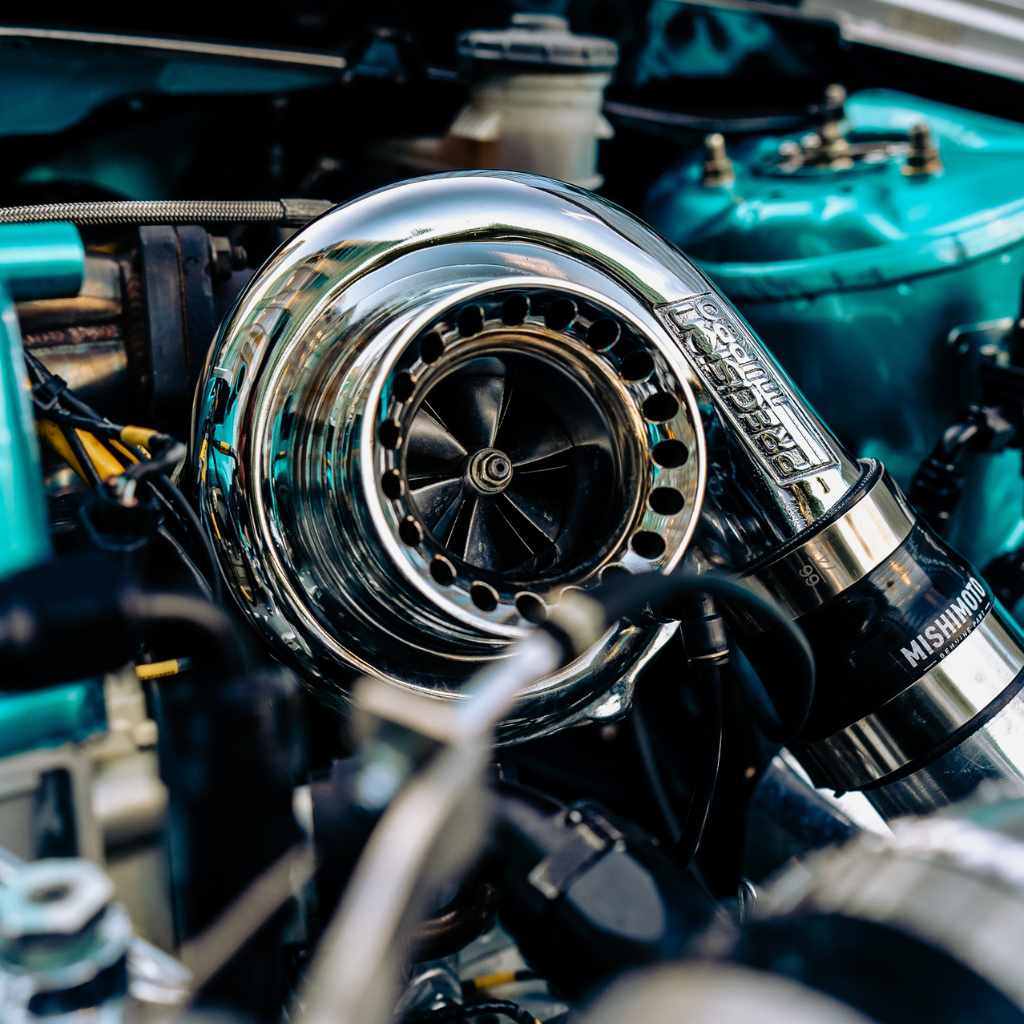
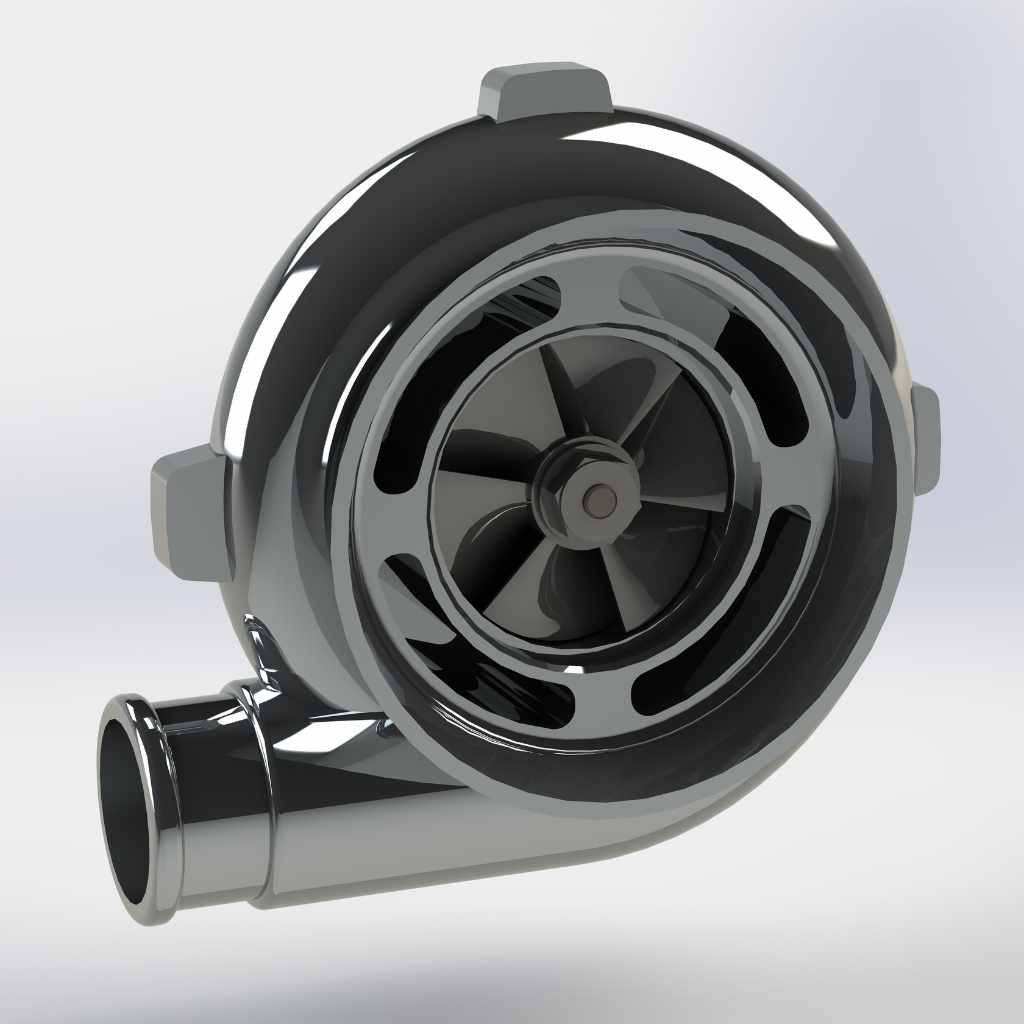
A turbocharger is a smart device that uses your car’s exhaust gases to boost engine power. It has two main parts: a turbine and a compressor, connected by a shaft.
Hot exhaust spins the turbine wheel. This turns the compressor, which pulls in more air and pushes it into the engine. More air means you can burn more fuel, creating extra horsepower without a bigger engine.
Factory turbos are designed to match your engine perfectly. They add performance and efficiency while keeping things safe.
Common Myths About Turbos and Engine Damage
Let’s clear up some worries right away. Here are the top myths I hear from car owners:
- Myth: Turbos always shorten engine life. Not true for well-maintained vehicles. Many turbo engines reach 200,000+ miles easily.
- Myth: Turbos overheat and destroy engines. Modern designs handle heat well with better cooling.
- Myth: All turbos fail early. Over 90% of failures come from oil problems, not the turbo design.
- Myth: Aftermarket turbos ruin engines fast. Poor installs or tuning cause issues, not the turbo alone.
Experts from places like Garrett Motion confirm: turbos don’t cause premature damage when cared for properly.
Does a Turbo Really Cause Premature Engine Wear?
The honest answer? No, not if everything is done right.
Turbos do add heat and pressure, which can stress parts more. But factory turbo engines are built stronger – with better pistons, rods, and cooling systems.
Studies and real-world data show properly maintained turbo engines last as long as naturally aspirated ones. Many diesel turbos go beyond 300,000 miles.
The key is maintenance. Neglect oil changes or drive hard without warm-ups, and problems can arise. But follow basic care, and your turbo engine will reward you with long life and fun performance.
Factors That Can Lead to Turbo-Related Engine Issues
While turbos themselves aren’t the culprit, certain issues can cause trouble if ignored:
- Oil Starvation: Turbo shafts spin super fast and need constant clean oil for lubrication and cooling.
- Oil Contamination: Dirty oil builds up sludge and damages bearings.
- Foreign Object Damage: Debris from a bad air filter can hit turbo blades.
- Overheating: Shutting off right after hard driving “cooks” oil in the turbo.
- Poor Tuning (Aftermarket): Too much boost without upgrades stresses the engine.
These are preventable with simple habits.
Pros and Cons of Turbocharged Engines
Here’s a quick comparison to help you decide:
| Aspect | Turbocharged Engines | Naturally Aspirated Engines |
|---|---|---|
| Power Output | Higher (more torque and HP from smaller size) | Lower (needs bigger displacement for same power) |
| Fuel Efficiency | Better in everyday driving | Good, but often less efficient |
| Longevity (Maintained) | Equal (150,000–300,000+ miles) | Equal (similar mileage) |
| Maintenance Needs | Slightly more (oil quality matters) | Simpler |
| Repair Cost if Issues | Higher (turbo replacement possible) | Lower |
As you can see, the benefits often outweigh the downsides for most drivers.
How to Maintain Your Turbo for Maximum Engine Life
Great news – keeping your turbo healthy is straightforward. Follow these beginner-friendly tips:
- Change Oil Regularly: Use the manufacturer-recommended synthetic oil every 5,000–7,500 miles.
- Warm Up Gently: Drive easy for the first few minutes to get oil flowing.
- Cool Down Properly: Idle 1–2 minutes after hard driving before shutting off.
- Check Air Filter: Replace when dirty to prevent debris damage.
- Use Quality Fuel: Helps prevent detonation and carbon buildup.
- Monitor Boost Levels: Watch for unusual smoke or noises.
- Follow Service Schedule: Professional checks catch issues early.
According to the U.S. Department of Energy, proper maintenance is key to vehicle longevity – this applies doubly to turbos (source).
Signs Your Turbo Might Need Attention
Catch problems early to protect your engine:
| Symptom | What It Might Mean | Action |
|---|---|---|
| Loss of Power | Low boost or leak | Check hoses and intercooler |
| Excessive Smoke (Blue) | Oil leaking into exhaust | Inspect seals urgently |
| Whining Noise | Bearing wear | Get professional diagnosis |
| Check Engine Light | Boost or sensor issue | Scan codes right away |
| Increased Oil Use | Turbo seals failing | Monitor and repair soon |
Addressing these quickly prevents bigger engine damage.
Real-World Turbo Longevity Examples
Many turbo engines prove their durability daily:
- Ford EcoBoost engines commonly hit 200,000+ miles with basic care.
- Volkswagen TDI diesels often exceed 300,000 miles.
- Toyota and Honda turbo models show excellent reliability in recent years.
Reputable sources like the EPA note that modern emissions-compliant turbos are engineered for long life (EPA vehicle info).
Conclusion
A turbocharged exhaust system doesn’t damage engines prematurely when you give it the care it deserves. These setups deliver exciting performance and better efficiency without sacrificing longevity.
Stick to regular oil changes, gentle warm-ups and cool-downs, and watchful driving – your engine will thank you with years of reliable service.
You’ve got this! Enjoy the boost knowing your engine is built to handle it. Safe and happy driving.
Frequently Asked Questions
Will a turbo make my engine wear out faster?
No, not with proper maintenance. Factory turbo engines are designed for durability and often match non-turbo lifespan.
How long do turbochargers typically last?
Most last 150,000–250,000 miles or more, often outlasting the vehicle with good care.
Is it safe to buy a used car with a turbo?
Yes, if it has service records showing regular oil changes and no signs of abuse.
Do turbos require premium fuel?
Many do for best performance and to prevent knock, but check your owner’s manual.
Can turbo failure destroy my engine?
Rarely, if caught early. Fragments could cause damage, but quick action prevents it.
Are diesel turbos more reliable than gas?
Diesels often last longer overall, but modern gas turbos are very dependable too.
Should I let my turbo engine idle after driving?
Yes, 1–2 minutes after hard use helps cool the turbo safely.