Do I Need an Exhaust Pipe: Essential Heater Safety
Do I need an exhaust pipe for my gas heater? Yes, for safe operation, every gas heater requires a properly functioning exhaust system to vent dangerous combustion byproducts like carbon monoxide outside. Without it, you risk severe health hazards and potential fire. This guide explains why and how to ensure yours is safe.
Are you wondering if your gas heater really needs an exhaust pipe? It’s a question many homeowners have, especially when dealing with older appliances or considering a new heating system. The good news is, understanding this isn’t complicated! We’re here to break down exactly why an exhaust pipe is crucial for your gas heater’s safety and how to make sure it’s working right. Let’s make your home warm and safe without any stress.
The Unseen Danger: Why Gas Heaters MUST Have an Exhaust
Your cozy gas heater works by burning fuel. This burning process creates not only heat but also byproducts. The most critical and dangerous of these is carbon monoxide (CO). Carbon monoxide is an invisible, odorless, and tasteless gas that can be deadly. When a gas heater operates without a proper exhaust system, these harmful gases don’t go outside; instead, they can seep into your home.
This is why every gas-fired appliance, from furnaces and water heaters to stoves and fireplaces, needs a way to safely expel these combustion gases. A well-maintained exhaust pipe, also often called a vent or chimney, is your primary defense against carbon monoxide poisoning and other ventilation-related risks.
Understanding How Gas Heaters Work and Vent
At its core, a gas heater involves burning natural gas or propane. This combustion takes place in a controlled environment called the combustion chamber. As the fuel burns, heat is generated, which then warms your home. However, this process also releases flue gases. These gases contain:
- Carbon monoxide (CO)
- Nitrogen oxides (NOx)
- Sulfur dioxide (SO2)
- Water vapor
- Unburned fuel particles
A properly designed and installed exhaust system directs these flue gases away from living spaces and safely outside. This typically involves a pipe or chimney that connects to the appliance and extends through your roof or a wall. Draft, either natural or mechanical, pulls the combustion gases up and out.
The Role of Different Exhaust Systems
There are a few common types of exhaust systems for gas heaters, and understanding them helps you know what you have:
- Natural Draft Vents: These are often made of metal (like single-wall or double-wall pipe) or masonry (a brick chimney). They rely on the natural buoyancy of hot gases – hot air rises – to draw them up and out. They need to be sized correctly and have good airflow.
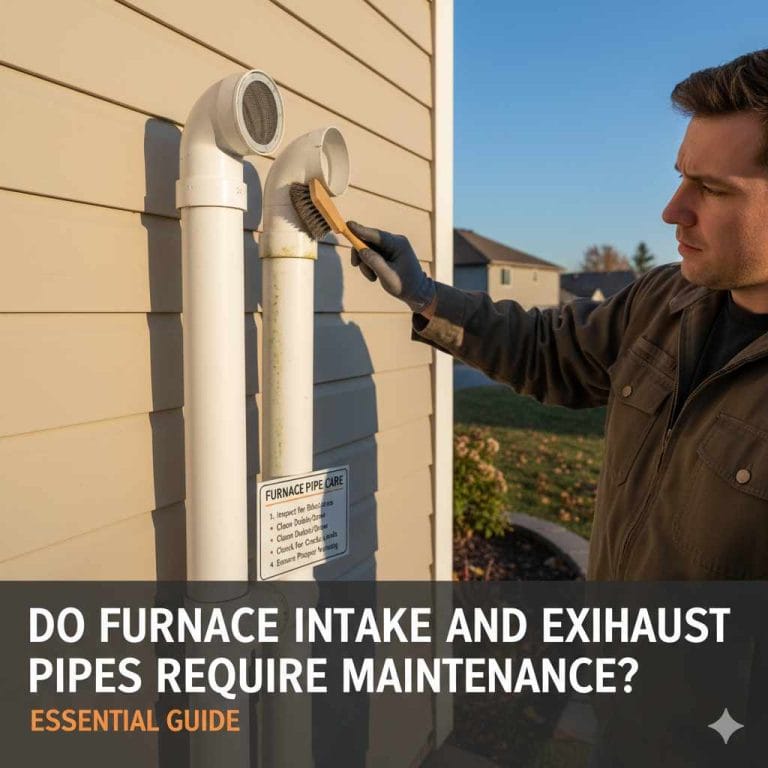
- Mechanical Draft Vents (Ventilation Fans): Some modern high-efficiency furnaces use a fan to force exhaust gases out through smaller pipes, often made of PVC. These are called “direct-vent” or “vented appliances.”
Why an Exhaust Pipe is Non-Negotiable for Safety
Let’s dive deeper into why you absolutely need an exhaust pipe for your gas heater. It’s all about preventing serious hazards.
1. Preventing Carbon Monoxide Poisoning
This is the biggest reason. Carbon monoxide is extremely dangerous. Even small amounts can cause headaches, dizziness, nausea, and confusion. Higher concentrations can lead to incapacitation and death very quickly. A blocked or missing exhaust pipe means CO can build up inside your home to toxic levels.
According to the Centers for Disease Control and Prevention (CDC), combustion appliances like furnaces, gas stoves, and water heaters are common sources of CO poisoning in homes. Proper venting is the first line of defense.
Learn more about carbon monoxide from the CDC.
2. Preventing Fire Hazards
Unvented combustion gases can also contain unburned fuel and soot. If these ignite or come into contact with combustible materials near the heater or within the vent system, they can start a fire. Older vent pipes, especially if they have accumulated creosote or soot, can be a fire risk if not maintained.
3. Ensuring Efficient Operation
A proper exhaust system helps your heater run efficiently. It allows for the correct amount of airflow, which is necessary for efficient combustion. If gases can’t escape properly, the heater may struggle to operate, leading to reduced heating performance and higher energy bills. Appliances designed to draw air from outside for combustion (direct-vent systems) rely on an intake pipe as well as an exhaust pipe to function optimally.
4. Complying with Building Codes
In virtually all jurisdictions, building codes mandate that fuel-burning appliances must be properly vented to the outside. Installing or modifying a heating system without meeting these requirements is not only unsafe but also illegal. This ensures a baseline level of safety for all homes.
Signs Your Gas Heater’s Exhaust System Might Have Problems
It’s crucial to be aware of potential issues with your vent system. Regular checks can catch problems before they become dangerous. Here are some red flags to watch out for:
- Soot or Stains: Look for black soot or discolored stains around the gas heater, on the vent pipe, or on walls and ceilings near the vent. This indicates incomplete combustion or a leak.
- Unusual Smells: A persistent “rotten egg” smell could indicate a gas leak, but the smell of burning fuel or a musty odor could point to exhaust gases not being properly vented out.
- Water or Condensation: While some high-efficiency units are designed to produce condensation, excessive water or condensation on vent pipes or around the appliance could signal a blockage or improper slope.
- Visible Damage: Inspect the vent pipe for rust, holes, cracks, loose connections, or sagging.
- Yellow Pilot Light: A healthy gas flame is typically blue. If your pilot light or the flame on the burner is yellow or flickering oddly, it can be a sign of poor ventilation.
- Difficulty Lighting or Staying Lit: If your heater is hard to start or keeps shutting off, it might be due to ventilation issues that cause safety sensors to activate.
- Headaches or Flu-Like Symptoms: If multiple people in your household experience unexplained headaches, nausea, dizziness, or flu-like symptoms, especially when the heater is running, carbon monoxide is a strong possibility.
What Happens Without an Exhaust Pipe?
Operating a gas heater without a functional exhaust pipe is incredibly dangerous. Here’s a breakdown of the direct consequences:
1. Carbon Monoxide Buildup
As mentioned, this is the most critical risk. Without an escape route, deadly CO gas accumulates in your home. It displaces oxygen and can quickly render occupants unconscious, especially during sleep.
2. Indoor Air Pollution
Beyond CO, other combustion byproducts like fine particulate matter, nitrogen oxides, and volatile organic compounds (VOCs) will be released into your living space. These can aggravate respiratory conditions like asthma and increase the risk of other health problems over time.
3. Moisture and Mold Issues
Some combustion processes produce significant amounts of water vapor. Without proper venting, this moisture can condense inside your home, on walls, windows, and in attics or crawl spaces. This creates an ideal environment for mold and mildew growth, which can damage your home and negatively impact air quality.
4. Poor Appliance Performance
Gas appliances are designed to operate with specific airflow. Removing or blocking the exhaust pipe disrupts this balance. The appliance might not ignite properly, may short-cycle (turn on and off rapidly), or simply won’t produce enough heat. This leads to an uncomfortable home and wasted energy.
5. Potential for Fire
Combustible byproducts and soot can accumulate in unvented areas near the appliance. If these materials reach their ignition temperature or if there’s a spark, a fire can start. This is particularly true if the appliance is not designed to be unvented and produces high temperatures.
A Simple Comparison: Vented vs. Unvented Appliances
It’s important to distinguish between appliances that require venting and those that are designed to be unvented. Many modern appliances are specifically engineered for vent-free operation. These are typically smaller, supplemental heaters designed for occasional use in well-ventilated spaces.
| Feature | Vented Gas Heaters (Furnaces, Boilers, etc.) | Unvented Gas Heaters (Supplemental, Specific Use) |
|---|---|---|
| Exhaust Pipe Required? | Yes, mandatory. They produce dangerous byproducts that must be expelled outdoors. | No. Designed for minimal, safe byproducts expelled directly into the living space. |
| Primary Function | Whole-house heating, primary heat source. | Supplemental heat, specific area warming, occasional use. |
| Safety Concerns | Vent system integrity, CO leakage. | Oxygen depletion if used in small, unventilated spaces; CO buildup is still a risk if not used according to manufacturer instructions. |
| Typical Examples | Central furnaces, water heaters, gas fireplaces, gas stoves. | Vent-free wall heaters, portable propane heaters (for certain uses). |
| Regulations | Strict building codes for venting. | Often have limitations on square footage of use and require minimum ventilation in the room. |
The key takeaway is that if your appliance is a central heating unit, a large gas water heater, or a typical gas fireplace, it absolutely needs and has an exhaust system. If you have a small, portable unit that claims to be “vent-free,” it has different safety considerations and is not a substitute for a primary heating system with proper venting.
What About Gas Fireplaces and Stoves?
Even decorative gas fireplaces or gas stovetops fall under the same rules. A gas stovetop requires ventilation through a range hood to remove combustion fumes and cooking grease. A traditional gas fireplace must vent its byproducts outside through a chimney or vent pipe to prevent the buildup of CO and other harmful gases.
Some modern “ventless” gas fireplaces are available, but they come with significant caveats. They are designed to release small amounts of CO and water vapor into the room, and their use is often restricted to well-ventilated areas and specific square footage limitations to prevent oxygen depletion and CO buildup. For most homeowners, traditional vented gas fireplaces are the safer and more common choice.
Ensuring Your Exhaust System is Safe and Effective
Now that you know why an exhaust pipe is essential, let’s talk about keeping yours in top condition. This involves installation, maintenance, and professional inspection.
Step-by-Step: What to Check (Visual Inspection)
While deep maintenance should be left to pros, you can do a basic visual check:
- Turn Off the Heater: Always shut off the gas supply to the appliance and turn off its power at the breaker before inspecting.
- Locate the Vent Pipe: Identify the pipe or chimney that connects to your gas heater and leads outside.
- Check for Obstructions: Look at the exterior termination of the vent pipe (on your roof or wall). Is it clear of leaves, bird nests, snow, or other debris?
- Inspect Visible Pipe Sections: Examine the pipe for any signs of rust, holes, cracks, or damage.
- Check Connections: Ensure all sections of the pipe are securely connected to each other and to the appliance. Loose connections can leak dangerous gases.
- Look for Soot/Stains: As mentioned earlier, note any black soot or discolored marks on or around the vent.
- Ensure Proper Slope (if applicable): For horizontal vent runs, they should generally slope slightly upwards towards the chimney or exterior vent cap to facilitate natural draft.
Maintenance Schedule: What Needs Doing and When
Regular maintenance is key to a long-lasting and safe exhaust system.
- Annual Professional Inspection: This is the most important step. Have a qualified HVAC technician inspect your entire heating system, including the exhaust/venting system, every year before the heating season begins. They can identify subtle problems you might miss.
- DIY Visual Checks: Perform your own visual inspections seasonally, as outlined in the steps above.
- Chimney Sweeping (for Masonry Chimneys): If your heater vents through a masonry chimney, it should be inspected and cleaned by a chimney sweep periodically, especially if you also use it for a fireplace. Soot and creosote buildup can be a fire hazard. The Chimney Safety Institute of America (CSIA) recommends annual inspections.
- Clear Exterior Vent Terminations: Make sure the outside opening of your vent pipe is clear of snow, ice, leaves, or other blockages, especially after storms.
When to Call a Professional
Don’t hesitate to call for professional help if you notice any of the following:
- Any damage to the vent pipe (holes, cracks, rust, loose connections).
- Significant soot buildup or staining.
- Water or excessive condensation on the vent pipe.
- The heating system is not working efficiently or is shutting off unexpectedly.
- Any suspicion of carbon monoxide presence (get a CO detector immediately and evacuate if you suspect an emergency!).
- If your appliance is older and hasn’t had its venting inspected in several years.
A professional HVAC technician has the tools and expertise to properly assess the condition of your vent system, check for leaks with specialized equipment, and perform necessary repairs or modifications. They can also ensure your system meets current safety standards. For instance, the U.S. Environmental Protection Agency (EPA) provides resources on indoor air quality, which includes proper appliance venting as a key component.
Explore EPA resources on Indoor Air Quality.
The Importance of Carbon Monoxide Detectors
Even with a perfectly functioning exhaust system, having carbon monoxide detectors is a smart safety measure. These devices are designed to alert you if CO levels rise above a safe threshold. They act as an essential backup warning system.
Key Facts About CO Detectors:
- Placement: Install detectors on every level of your home, including outside sleeping areas. Follow manufacturer instructions precisely.
- Testing: Test your detectors monthly and replace batteries at least once a year, or as recommended by the manufacturer.
- Lifespan: CO detectors have a lifespan (usually 5-10 years). Replace them when they expire.
- Interconnected Systems: Consider interconnected detectors, so if one sounds, they all sound, providing an earlier warning throughout the house.
According to the National Fire Protection Association (NFPA), working CO alarms are critical for home safety. They recommend installing detectors on every level of the home and outside sleeping areas.
Learn more about CO alarms from the NFPA.
Frequently Asked Questions (FAQ)
Q1: Can I just run my gas heater without an exhaust pipe for a short time?
A: Absolutely not. Even a short period without proper venting can allow dangerous carbon monoxide to build up to unsafe levels in your home. It’s never safe to operate a gas heater without a functional exhaust system.
Q2: What kind of pipe do I need for my gas heater’s exhaust?
A: The type of pipe depends on the appliance. High-efficiency furnaces often use PVC or other plastics for direct-vent systems. Older furnaces or boilers might use Type B vent pipe (double-wall metal). Gas stoves and water heaters have their own specific venting requirements. Always follow the appliance manufacturer’s specifications and local building codes.
Q3: My house just smells a little “off” when the heater runs. Is that normal?
A: A slight “gas smell” that quickly dissipates can sometimes occur when lighting an appliance. However, any persistent odors that smell like burning fuel, exhaust, or a musty smell while the heater is running could indicate a problem with the venting system and warrants immediate professional inspection.
Q4: Can a bird’s nest or leaves block my exhaust pipe?
A: Yes, absolutely. The exterior termination of your vent pipe is susceptible to blockages from leaves, nests, snow, ice, and other debris. It’s important to keep these openings clear, both for efficiency and safety.
Q5: How often should my gas heater’s vent system be cleaned?
A: While the vent pipe itself may not always need “cleaning” in the sense of sweeping like a chimney, it should be inspected annually. If soot or creosote has accumulated (more common in older systems or those with incomplete combustion), a professional may recommend cleaning.