
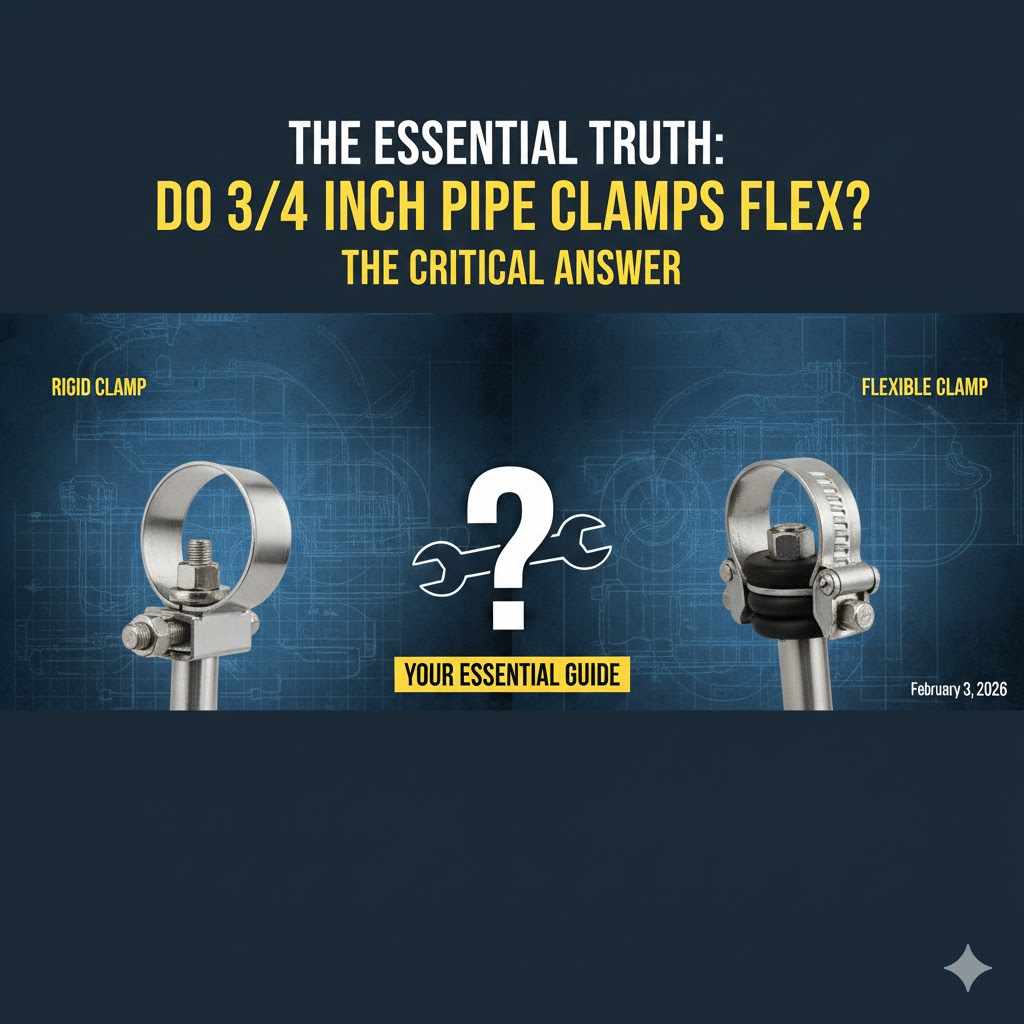
Do 3 4 Inch Pipe Clamps Flex? The Critical Answer
Yes, 3/4 inch pipe clamps can flex, but it’s critical to know that the woodworking-style clamps you’re thinking of should NEVER be used on a car exhaust. The proper tool, an exhaust clamp, is designed to flex slightly to create a tight seal. The amount of flex depends on the clamp’s design, material, and proper installation.
Have you ever been under your car, trying to fix a noisy exhaust, and wondered about that one small part holding it all together? The pipe clamp. It seems simple, but getting it right is crucial. A common question I hear is whether these clamps flex, and it’s a great one because it gets to the heart of how your exhaust system works. An improper clamp can lead to frustrating leaks, loud noises, and even dangerous fumes. But don’t worry. We’re going to clear up the confusion, get you the right information, and make sure you can handle this job with confidence. Let’s dive in and understand why clamp flex matters so much.
When we talk about “3/4 inch pipe clamps,” it’s easy to picture the long, bar-style clamps used for gluing wood panels together. Let’s get one thing straight right away: those are for woodworking, not for your car. Using one on a hot, vibrating exhaust pipe is a recipe for disaster. What you’re actually looking for is an exhaust clamp designed to fit a specific pipe diameter. In this guide, we’ll focus on the correct automotive clamps and answer the core question: do they flex, and why should you care?
What is an Exhaust Clamp and Why is it Different?
An automotive exhaust clamp is a heavy-duty ring of metal designed to do one specific job: securely join two pieces of exhaust pipe. Unlike a woodworking clamp, it’s built to withstand extreme conditions:
- Intense Heat: Your exhaust can get hotter than 1,000°F (538°C).
- Constant Vibration: The engine’s movement travels down the entire system.
- Corrosive Elements: Water, road salt, and acidic exhaust gases constantly attack the metal.
These clamps are not about raw clamping force like their woodworking cousins. They are about creating a durable, gas-tight seal that can handle the harsh environment underneath your vehicle. Understanding this difference is the first step to a successful and safe repair.

The Real Question: Do Exhaust Clamps Flex?
Yes, exhaust clamps absolutely flex. In fact, a certain amount of flex is built into their design. They need to be flexible enough to conform to the shape of the pipes they are joining, creating a complete seal around the entire circumference. However, there’s a difference between good flex and bad flex.
- Good Flex (Conforming): This is when the clamp bends slightly as you tighten it, wrapping snugly around the pipe joint to seal it perfectly. Band-style clamps are excellent examples of this.
- Bad Flex (Bending or Warping): This happens when a clamp is overtightened, made from poor-quality material, or is the wrong type for the job. This can lead to the clamp bending out of shape, failing to seal properly, and even damaging your exhaust pipes.
Factors That Influence Clamp Flex
How much a clamp flexes isn’t random. It depends on several key factors. Getting these right is the difference between a silent, leak-free exhaust and one that’s constantly causing problems.
- Clamp Design: The style of the clamp is the biggest factor. The two most common types you’ll encounter are U-bolt clamps and band clamps.
- Material: Clamps are usually made from mild steel or stainless steel. Stainless steel is stronger and less prone to unwanted flexing or rusting over time.
- Installation Torque: How much you tighten the clamp’s nuts is critical. Too loose, and it will leak. Too tight, and you can warp the clamp and crush the pipe.
- Pipe Condition: Trying to clamp over rusty, bent, or dirty pipes will prevent the clamp from sealing correctly, no matter how good it is.
Comparing Common Exhaust Clamp Types
Choosing the right clamp style is half the battle. Each type has its own characteristics when it comes to flexing and sealing. Let’s break them down in a simple table.
| Clamp Type | How It Works | Flex Characteristic | Best For |
|---|---|---|---|
| U-Bolt Clamp | A U-shaped bolt and a saddle crush the outer pipe onto the inner pipe. | Minimal flex in the clamp itself, but forces the pipe to deform (flex) to create a seal. Prone to creating leaks if not perfectly tightened. | Quick, budget-friendly repairs on straight pipe sections. Not ideal for connecting mufflers or resonators. |
| Band Clamp | A wide, flat band of metal wraps around the pipe joint and is tightened with bolts. | Designed to flex and conform to the pipe’s shape, distributing pressure evenly without crushing the pipe. | Creating a superior, leak-free seal, especially on slip-fit joints. Ideal for connecting mufflers, resonators, and catalytic converters. |
| V-Band Clamp | Two interlocking flanges are welded to the pipes, and a single clamp secures them. | Extremely rigid with almost no flex. Provides a very strong, perfectly aligned connection. | High-performance applications, turbo systems, and components that need to be removed frequently. |
Why Uncontrolled Flex is a Serious Problem for Your Car
When an exhaust clamp flexes in the wrong way or fails to hold a seal, it’s not just an inconvenience. It can lead to serious issues for your vehicle’s health and your safety.
- Dangerous Exhaust Leaks: The most critical concern is carbon monoxide (CO). A leak near the front of the vehicle can allow this odorless, poisonous gas to enter the passenger cabin.
- Loud and Annoying Noise: A small leak creates a ticking or hissing sound that quickly becomes a loud, embarrassing roar as it gets bigger.
- Reduced Performance and Fuel Economy: Exhaust leaks can throw off the readings from your oxygen (O2) sensors. This tricks your car’s computer into using the wrong air-fuel mixture, hurting both power and gas mileage.
- Damage to Other Components: A loose or failed clamp puts extra stress on the remaining exhaust hangers and joints, which can cause them to break over time, leading to more expensive repairs.
How to Tell if Your Exhaust Clamp is Leaking or Failing
Think you might have a problem with a clamp? Your car will give you some clear signs. Here’s what to look, listen, and smell for:
- Soot Trails: Look for black, sooty streaks on the pipe around the clamp. This is a dead giveaway that exhaust gas is escaping.
- Hissing or Ticking Sounds: When the engine is cold, a small leak often makes a distinct ticking noise that may go away as the metal heats up and expands. A larger leak will sound more like a hiss or a deep rumble.
- The Smell of Fumes: If you smell exhaust inside your car, treat it as an emergency. Pull over immediately, get fresh air, and have your vehicle inspected.
- Visible Rust or Damage: Give your clamps a visual check. If a clamp is severely rusted, bent, or looks like it’s about to break, it needs to be replaced.
Step-by-Step Guide: How to Install an Exhaust Clamp Correctly
Proper installation is the key to preventing bad flex and ensuring a lasting seal. Follow these steps for a professional result, even in your own driveway. We’ll focus on installing a band clamp, as it offers the best seal for DIY repairs.
Tools and Materials You’ll Need:
- The correct size and type of exhaust clamp
- Socket set and ratchet (with extensions if needed)
- Wire brush
- Safety glasses
- Work gloves
- Jack and jack stands
- Exhaust assembly paste (optional, but recommended)
Safety First!
Working under your car can be dangerous. Always prioritize safety.
- Work on a level surface. Never use a jack on a slope.
- Let the exhaust cool completely. It can cause severe burns even hours after the car has run.
- Use jack stands. Never rely on a jack alone to support the vehicle’s weight. For more information on vehicle safety, check the guidelines from the National Highway Traffic Safety Administration (NHTSA).
- Wear safety glasses to protect your eyes from rust and debris.
Installation Steps:
- Raise and Secure the Vehicle: Use your jack to lift the car to a comfortable working height and securely place your jack stands under the manufacturer’s recommended lift points.
- Clean the Pipe Surfaces: Use a wire brush to thoroughly clean the inside of the outer pipe and the outside of the inner pipe. Remove all rust, carbon buildup, and dirt. A clean surface is essential for a good seal.
- Apply Assembly Paste (Optional): Smear a thin layer of exhaust assembly paste on the inner pipe. This paste helps fill any tiny imperfections in the metal and cures with heat to create a gas-tight bond.
- Align and Seat the Pipes: Slide the two pieces of pipe together. Make sure the inner pipe is seated as far as it can go into the outer pipe and that the system is properly aligned and supported by its hangers.
- Position the Clamp: Slide the band clamp over the joint. Center it directly over the slits in the outer pipe for the most effective clamping pressure. Make sure the clamp’s block and bolts are in an accessible position for tightening.
- Tighten the Nuts Evenly: Begin tightening the nuts. Alternate between them, turning each one a little at a time. This ensures the clamp tightens down evenly, applying equal pressure all the way around the pipe. Don’t just tighten one side all the way and then the other.
- Check the Torque: Tighten the nuts until they are snug. Most exhaust clamps require around 35-50 ft-lbs of torque. If you don’t have a torque wrench, a good rule of thumb is to get them very tight with a standard ratchet, but don’t use excessive force or a long breaker bar, as this can strip the threads or damage the clamp. Reputable tool makers like IRWIN TOOLS often provide general torque guidance for different bolt sizes.
- Final Check: Start the car and listen for any hissing sounds from the new joint. You can also carefully hold your hand near (but not touching!) the clamp to feel for any puffs of escaping gas. If you find a leak, let the car cool down and tighten the nuts a bit more.
Choosing the Right Clamp Material
The material your clamp is made from plays a huge role in its lifespan and ability to resist flexing and corrosion. Here’s a quick comparison to help you choose.
| Material | Pros | Cons |
|---|---|---|
| Mild Steel | Very affordable and widely available. | Prone to rust, especially in areas with road salt. Has the shortest lifespan. |
| Aluminized Steel | Offers better rust resistance than mild steel due to an aluminum-silicon coating. A good middle-ground option. | The coating can be scratched off, leaving the steel underneath vulnerable to rust. |
| T409 Stainless Steel | Excellent corrosion resistance and durability. The standard for most modern factory and high-quality aftermarket exhausts. | More expensive than mild or aluminized steel. Can develop surface rust but won’t rust through. |

Frequently Asked Questions (FAQ)
1. Can I use a woodworking-style 3/4 inch pipe clamp on my car’s exhaust?
No, absolutely not. These clamps are not designed for the high heat, vibration, and corrosive environment of an exhaust system. They will fail quickly and create a very dangerous situation. Always use a clamp specifically designed for automotive exhaust pipes.
2. How tight should I make an exhaust clamp?
You should tighten it until it is securely sealed without crushing the pipe. For most clamps, this is between 35 and 50 ft-lbs of torque. If you don’t have a torque wrench, tighten the nuts evenly until they are very snug with a standard-length ratchet.
3. What’s the main difference between a U-bolt clamp and a band clamp?
A U-bolt clamp works by crushing the pipes together, which can restrict exhaust flow and often fails to create a perfect seal. A band clamp wraps around the joint and distributes pressure evenly, creating a stronger, leak-free seal without damaging the pipes.
4. Can I reuse an old exhaust clamp?
It is not recommended. Old clamps suffer from heat cycles and rust, which weakens the metal and stretches the threads. A new clamp is a small price to pay for the peace of mind of a secure, leak-free connection.
5. Do I need to use sealant or paste with an exhaust clamp?
It is highly recommended, especially with U-bolt style clamps. Exhaust assembly paste helps fill in small gaps and imperfections in the metal, ensuring a completely gas-tight seal. It’s less critical for high-quality band clamps, but it never hurts.
6. Why is my new exhaust clamp still leaking?
The most common reasons are: the pipe surfaces weren’t cleaned properly, the pipes are misaligned, the clamp was not tightened evenly, or it was overtightened, which can warp the clamp. Let it cool, loosen it, and try reinstalling it, making sure everything is clean and aligned.
Conclusion: The Right Clamp for a Confident Repair
So, do 3/4 inch pipe clamps flex? When we talk about the correct tool for the job—the automotive exhaust clamp—the answer is a clear yes. They are designed to flex just enough to conform to your exhaust pipes and create a perfect seal that can withstand heat and vibration. The key is understanding the difference between the good, conforming flex of a quality band clamp and the bad, warping flex of a cheap or improperly installed one.
By choosing the right style and material for your needs and following a careful installation process, you can prevent dangerous leaks, quiet down annoying noises, and restore your car’s performance. That small metal ring under your car plays a huge role, and now you have the knowledge to make sure it’s doing its job perfectly. Happy wrenching!


