Exhaust Smell at Idle but Not While Driving
An exhaust smell at idle but not while driving usually points to a small exhaust leak, rich cold-start fueling, or outside fumes entering the cabin.

Diesel exhaust troubleshooting covering catalytic converter cost, exhaust leaks, tips and upgrades, for truck owners diagnosing problems.

An exhaust smell at idle but not while driving usually points to a small exhaust leak, rich cold-start fueling, or outside fumes entering the cabin.
The DPF traps soot; the EGR lowers combustion temperature by recirculating exhaust, and faults in either system can trigger regen problems and limp mode.

A smoke test finds exhaust leaks by filling the exhaust path with low-pressure smoke and watching where smoke escapes at each joint.

Exhaust tips almost never add measurable horsepower; a poor, bottlenecked tip can trim flow, while fitment and heat issues matter too.
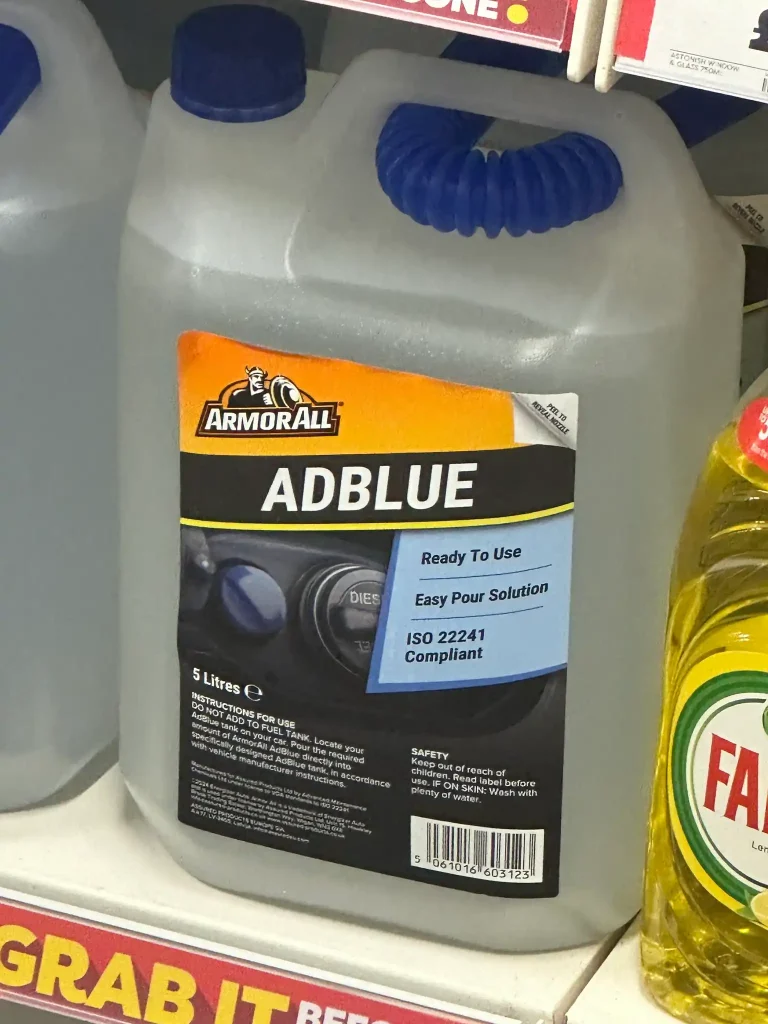
Diesel exhaust fluid usually costs about $2 to $5 per gallon, with annual costs driven by mileage, container size, and where you buy it.

A cabin exhaust smell usually means exhaust gases are entering through a tailpipe leak, body leak, or ventilation path.

Pick the right diesel exhaust cleaner for light soot, heavier soot, or ash-filled DPFs, with product picks, use cases, and a comparison table.

Check for an exhaust leak only on a cold engine: listen for ticking, look for soot, and use soapy water or a smoke-style pressure test at joints.

Usually no: larger exhaust tips rarely make a car louder by themselves. Fitment, tone change, and when tip diameter matters are covered here.

Most diesels use a factory exhaust manifold, while a gas-style header swap usually does not fit. See the differences, common fitment issues, and upgrade path.