Diesel Exhaust System Diagram for Beginners
A beginner diesel exhaust system diagram usually has five main flow points: engine outlet, turbo or aftertreatment, DPF, SCR with DEF injector, and tailpipe.

Diesel exhaust troubleshooting covering catalytic converter cost, exhaust leaks, tips and upgrades, for truck owners diagnosing problems.

A beginner diesel exhaust system diagram usually has five main flow points: engine outlet, turbo or aftertreatment, DPF, SCR with DEF injector, and tailpipe.

If your car smells like exhaust only when the A/C is on, the cabin is usually pulling in fumes through the fresh-air intake or HVAC box. Strong smells or headaches can mean a dangerous exhaust leak.
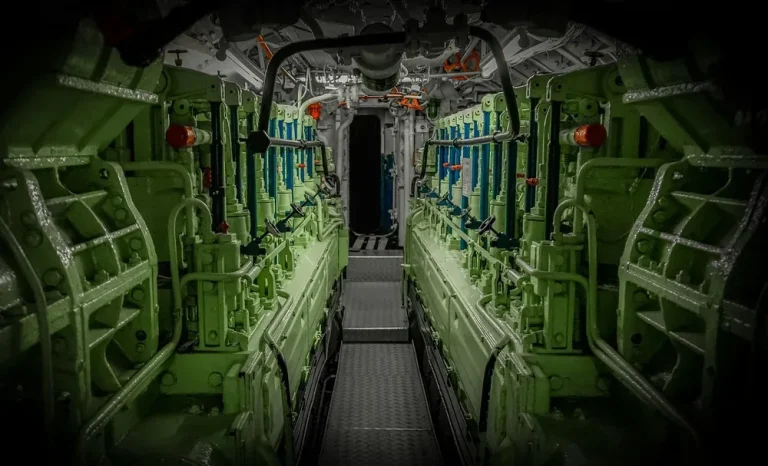
A diesel exhaust system usually includes the manifold, turbo or downpipe, DOC, DPF, EGR piping, sensors, SCR, DEF hardware, and tail pipe.

Usually no: a small exhaust leak often costs $150 to $500 to fix, while cracked manifolds, rusted pipes, or broken flange bolts can cost far more.
Measure the tailpipe’s outside diameter first, then match the exhaust tip inlet. Check outlet size only if you want a specific opening or look.
A Skoda Yeti EGR valve replacement usually costs about £300 to £850 at a UK garage, with dealer prices often higher.

If exhaust smell appears only with the heater or defroster on, the HVAC may be pulling in fumes from a leak. Check the cowl intake, exhaust, fuel, oil, and coolant sources first.

Measure the tailpipe outer diameter first, then choose a tip inlet that matches or is slightly larger. Check bumper clearance, exit length, and clamp or weld fit before buying.
DPF replacement usually costs $1,500-$4,000 for many diesel passenger vehicles, while cleaning is often a few hundred dollars.

DPF cleaning usually costs $300 to $800, forced regeneration $100 to $400, sensor repair $150 to $600, and replacement $1,500 to $5,000+.