Best Diesel Exhaust Materials for Rust Prevention (2026): Research Shows
Choose 409 stainless for mixed-use trucks, 304 for salt or coastal exposure, and aluminized steel for dry, low-cost builds; avoid plain carbon steel for long service life.

Diesel exhaust troubleshooting covering catalytic converter cost, exhaust leaks, tips and upgrades, for truck owners diagnosing problems.

Choose 409 stainless for mixed-use trucks, 304 for salt or coastal exposure, and aluminized steel for dry, low-cost builds; avoid plain carbon steel for long service life.
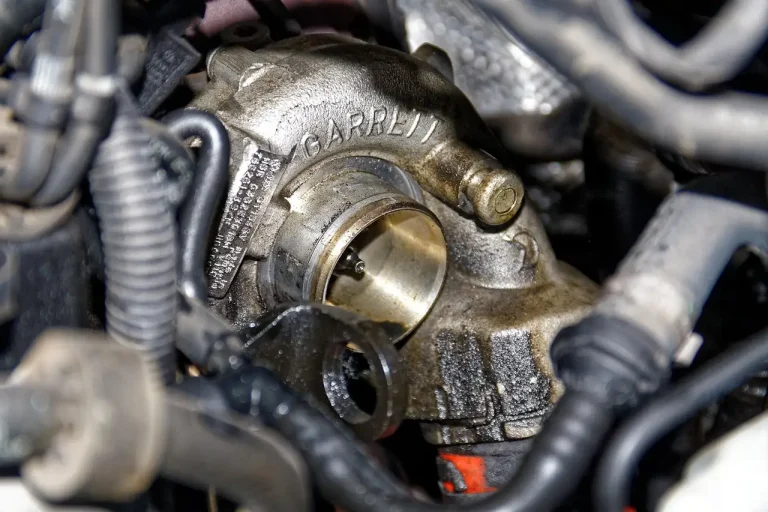
OEM is the safer choice for SCR, DPF, EGR, sensors, gaskets, and control parts; aftermarket often works for pipes, clamps, hangers, and many mufflers.

Diesel catalytic converter replacement usually costs $700 to $3,500, with some Euro-diesel units higher. Use the quote worksheet to separate parts, labor, and diagnostic costs.

Exhaust tips mostly finish and extend the tailpipe, changing appearance and outlet direction without adding power. Bad fit can rattle or scorch trim.

For most diesel trucks, a muffler delete is the better first move. Compare sound, drone, legality, tuning, and reversibility before you cut.

Single exhaust usually fits towing and emissions needs better; dual exhaust suits space-rich, high-power builds where sound and appearance matter more.

Choose a 2.5- to 3-inch exhaust with a quality muffler for most stock diesel trucks; go 4-inch only for more sound or future tuning.
A leak often gets louder under acceleration, hisses, or ticks from under the car. Normal exhaust noise stays steady and exits at the tailpipe.
Use fault codes, soot, DPF, NOx, and SCR symptoms to separate a DEF issue from diesel exhaust system problems before replacing parts.
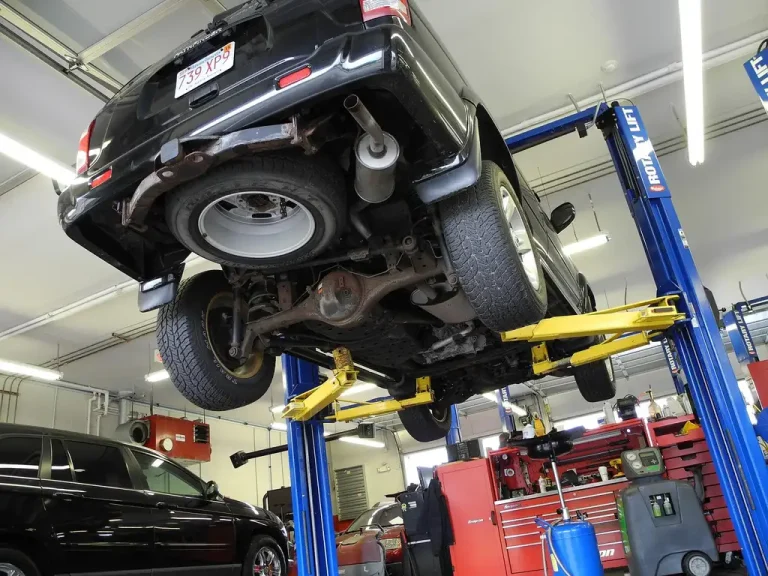
Smoke testers fit most exhaust leaks; combustion block-test kits fit suspected head-gasket or cooling-system faults. Compare kit types, prices, and key features.