Can Heat Exhaustion Cause Nausea? Essential Guide
Yes, heat exhaustion can absolutely cause nausea. It’s a common symptom as your body struggles to regulate its temperature. This guide will help you understand why and what to do.
Feeling sick to your stomach when it’s hot out can be really concerning, especially if you’re active or working in warm conditions. Many people wonder, “Can heat exhaustion cause nausea?” The simple answer is a resounding yes. When your body overheats, it triggers a series of responses to try and cool itself down. Nausea is one of the ways your body signals that something is seriously wrong. Don’t worry, understanding this connection is the first step to staying safe and feeling better. We’ll walk you through exactly why this happens and what you can do.
Understanding Heat Exhaustion and Its Symptoms
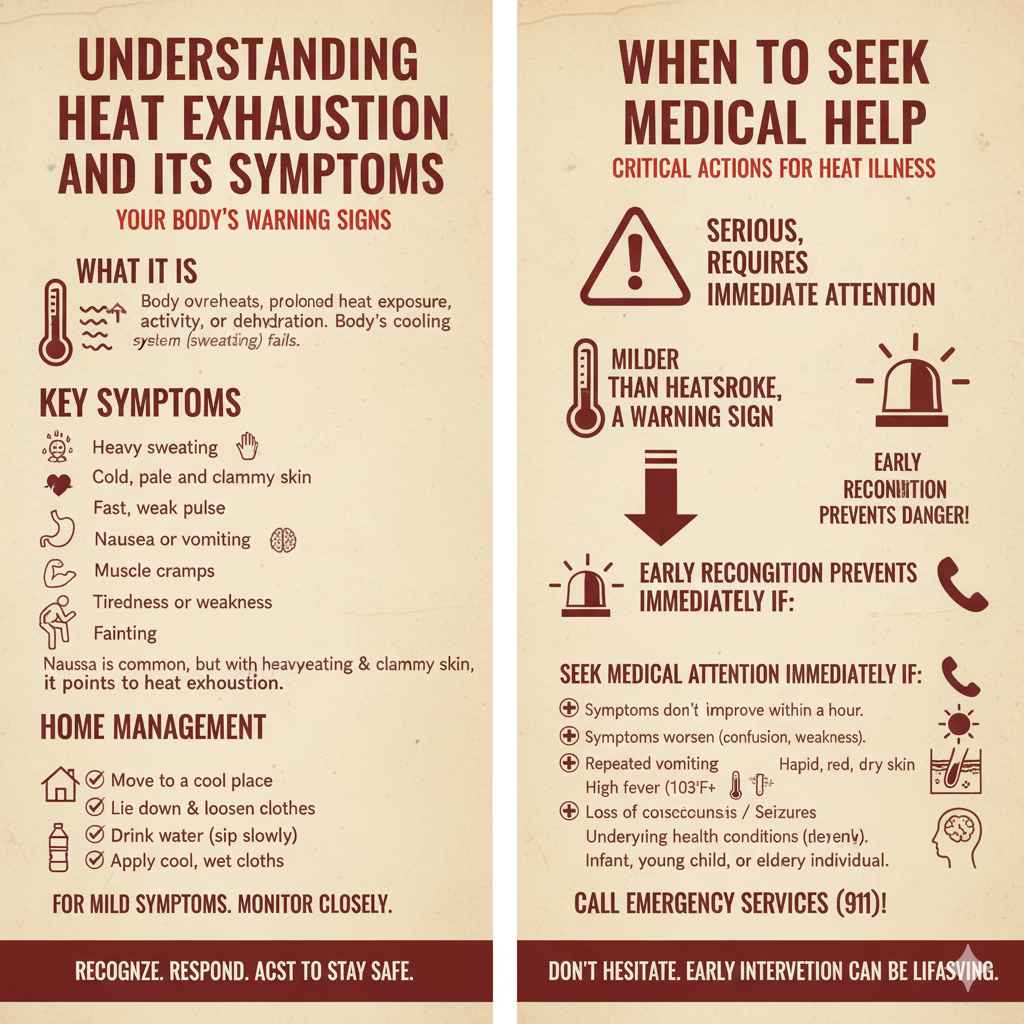
Heat exhaustion is a condition that arises when your body overheats. This usually happens after prolonged exposure to high temperatures, especially when combined with physical activity or dehydration. It’s your body’s way of telling you that it can’t manage the heat effectively anymore.
The symptoms of heat exhaustion can sneak up on you. They are often milder than those of heatstroke, but they are still serious and require immediate attention. Recognizing these signs early can prevent a more dangerous situation from developing.
Key Symptoms of Heat Exhaustion:
- Heavy sweating
- Cold, pale, and clammy skin
- Fast, weak pulse
- Nausea or vomiting
- Muscle cramps
- Tiredness or weakness
- Dizziness
- Headache
- Fainting
It’s important to note that while nausea is a common symptom, it can also be present with other heat-related illnesses. The presence and severity of other symptoms, like heavy sweating and clammy skin, help differentiate it from heatstroke.
Why Does Heat Exhaustion Cause Nausea?
When your body temperature starts to rise uncomfortably high, your body prioritizes sending blood to your skin to help release heat. This redirection of blood flow means less blood is available for other vital organs, including your digestive system. This can lead to a feeling of nausea.
Dehydration is also a major contributing factor. When you sweat a lot, you lose fluids and electrolytes. Insufficient fluid in your body can disrupt many functions, including digestion, and can directly lead to feelings of queasiness and nausea. Your body is trying to conserve water by slowing down non-essential functions.
Furthermore, the stress your body is under from the heat can trigger a physiological response that includes the urge to vomit. It’s a survival mechanism, signaling that conditions are not optimal for normal function.
The Body’s Response to Heat:
- Blood Vessel Dilation: To cool down, blood vessels near the skin surface widen, bringing more blood to the surface to release heat.
- Reduced Blood Flow to Digestion: This diversion of blood means less is available for the stomach and intestines, potentially causing digestive upset.
- Dehydration: Increased sweating leads to water and electrolyte loss, impacting overall body function, including gut motility.
- Electrolyte Imbalance: Loss of sodium, potassium, and other electrolytes through sweat can disrupt nerve and muscle function, contributing to nausea and cramps.
- Nervous System Response: The body’s stress response to overheating can trigger nausea as a defense mechanism.
When Nausea is a Sign of Heat Exhaustion
Nausea, especially when accompanied by other symptoms of heat exhaustion, is a red flag that needs attention. If you or someone else starts feeling nauseous while in a hot environment, especially after physical activity or if you haven’t been drinking enough fluids, it’s crucial to take it seriously.
Think about the context. Are you in a hot and humid environment? Have you been sweating profusely? Have you consumed adequate fluids? If the answer to these is yes, and nausea has set in, followed by feelings of dizziness, headache, or muscle cramps, then it’s highly probable that heat exhaustion is the cause.
It’s important to distinguish this from other causes of nausea, like food poisoning or a stomach bug, although heat exhaustion can certainly worsen existing mild nausea or discomfort.
How to Respond to Heat Exhaustion with Nausea
If you suspect you or someone else is experiencing heat exhaustion with nausea, immediate action is key. The goal is to cool the body down quickly and rehydrate.
Immediate Steps to Take:
- Move to a Cooler Place: Get out of the heat immediately. Find an air-conditioned building or, if that’s not possible, move to a shady area.
- Rest: Lie down and rest. Loosen any tight clothing.
- Cool the Body: Apply cool, wet cloths or sponges to the skin, especially the forehead, neck, armpits, and groin. You can also take a cool shower or bath if you feel up to it. Fans can help too.
- Hydrate (Carefully): Sip on cool water or a sports drink that replenishes electrolytes. Avoid caffeine and alcohol, as they can worsen dehydration. If nausea is severe and vomiting is occurring, try small sips of water or suck on ice chips.
- Monitor Symptoms: Keep a close eye on how the person is feeling. If symptoms don’t improve within an hour, or if they worsen, seek medical attention.
It’s vital not to ignore heat exhaustion. If left untreated, it can progress to heatstroke, which is a life-threatening medical emergency.
Preventing Heat Exhaustion and Nausea
The best approach to dealing with heat exhaustion and its symptoms, like nausea, is prevention. By taking sensible precautions, you can enjoy warm weather activities safely.
Tips for Staying Cool and Hydrated:
- Stay Hydrated: Drink plenty of fluids, especially water. Don’t wait until you feel thirsty. Sports drinks can be beneficial during prolonged activity in the heat to replace lost electrolytes.
- Wear Appropriate Clothing: Opt for lightweight, light-colored, loose-fitting clothing made of breathable fabrics like cotton.
- Limit Outdoor Activity During Peak Heat: If possible, schedule strenuous outdoor activities for cooler parts of the day, like early morning or late evening.
- Pace Yourself: If you must be active in the heat, start slowly and gradually increase the intensity and duration of your activity. Take frequent breaks in the shade or a cool environment.
- Acclimatize: If you are traveling to a hotter climate or starting a new physically demanding job in the heat, give your body time to adjust over several days.
- Know Your Limits: Listen to your body. If you start to feel unwell, stop what you are doing and cool down.
- Check on Vulnerable Individuals: Elderly people, young children, and those with chronic illnesses are more susceptible to heat-related illnesses.
Public health organizations often offer resources and advice on staying safe in the heat. For example, the Centers for Disease Control and Prevention (CDC) provides extensive guidelines on protecting yourself and others from extreme heat.
Heat Exhaustion vs. Heatstroke: Knowing the Difference
It’s essential to understand the difference between heat exhaustion and heatstroke, as heatstroke is a medical emergency.
Heat exhaustion is your body’s reaction to excessive heat exposure and fluid loss. The body is still attempting to cool itself, albeit with difficulty. Symptoms include heavy sweating, nausea, dizziness, and headache.
Heatstroke is a more severe condition that occurs when the body’s temperature regulation system fails. The body’s core temperature can rise to dangerous levels (103°F or higher). In heatstroke, the body stops sweating, and skin may feel hot and dry, though it can sometimes still be moist. Crucially, central nervous system symptoms like confusion, slurred speech, seizures, and loss of consciousness are indicative of heatstroke.
Comparison Table: Heat Exhaustion vs. Heatstroke
| Symptom | Heat Exhaustion | Heatstroke |
|---|---|---|
| Body Temperature | May be normal or slightly elevated, usually below 104°F (40°C) | 103°F (39.4°C) or higher |
| Skin Appearance | Cool, pale, and clammy | Hot, red, and dry (or sometimes moist) |
| Sweating | Heavy sweating | Not sweating (a key indicator) |
| Pulse | Fast, weak | Fast, strong |
| Nausea/Vomiting | Common | Possible |
| Headache | Common | Throbbing |
| Dizziness/Fainting | Common | Common |
| Mental State | Fatigue, weakness | Confusion, disorientation, agitation, possible delirium, loss of consciousness |
| Immediate Action | Cooling measures, hydration | Call 911 immediately, begin cooling measures while awaiting help |
Always err on the side of caution. If you are unsure whether someone has heat exhaustion or heatstroke, seek immediate medical help. Calling emergency services is the safest option when in doubt.
What NOT to Do When Experiencing Heat Exhaustion
When someone is suffering from heat exhaustion, particularly with symptoms like nausea, certain actions can do more harm than good. It’s important to avoid common misconceptions or unhelpful responses.