

Can Exhaustion Cause Low Blood Pressure? Essential Guide
Can exhaustion cause low blood pressure? Yes, severe exhaustion can sometimes contribute to or worsen low blood pressure (hypotension) by impacting the body’s ability to regulate blood flow. Our guide explains the connection and what to do about it.
Feeling wiped out is incredibly common. When you’re exhausted, your body is running on empty, and it can’t always keep things running smoothly. One of the things that might get a little shaky is your blood pressure. Think of your body like a car: when it’s overworked and low on fuel, some systems might not perform at their best. This guide will help you understand how deep tiredness can affect your blood pressure and what steps you can take to feel better and keep your body systems in check. We’ll cover the signs, causes, and what you can do to help your body recover and maintain healthy blood pressure.
Understanding Low Blood Pressure (Hypotension)
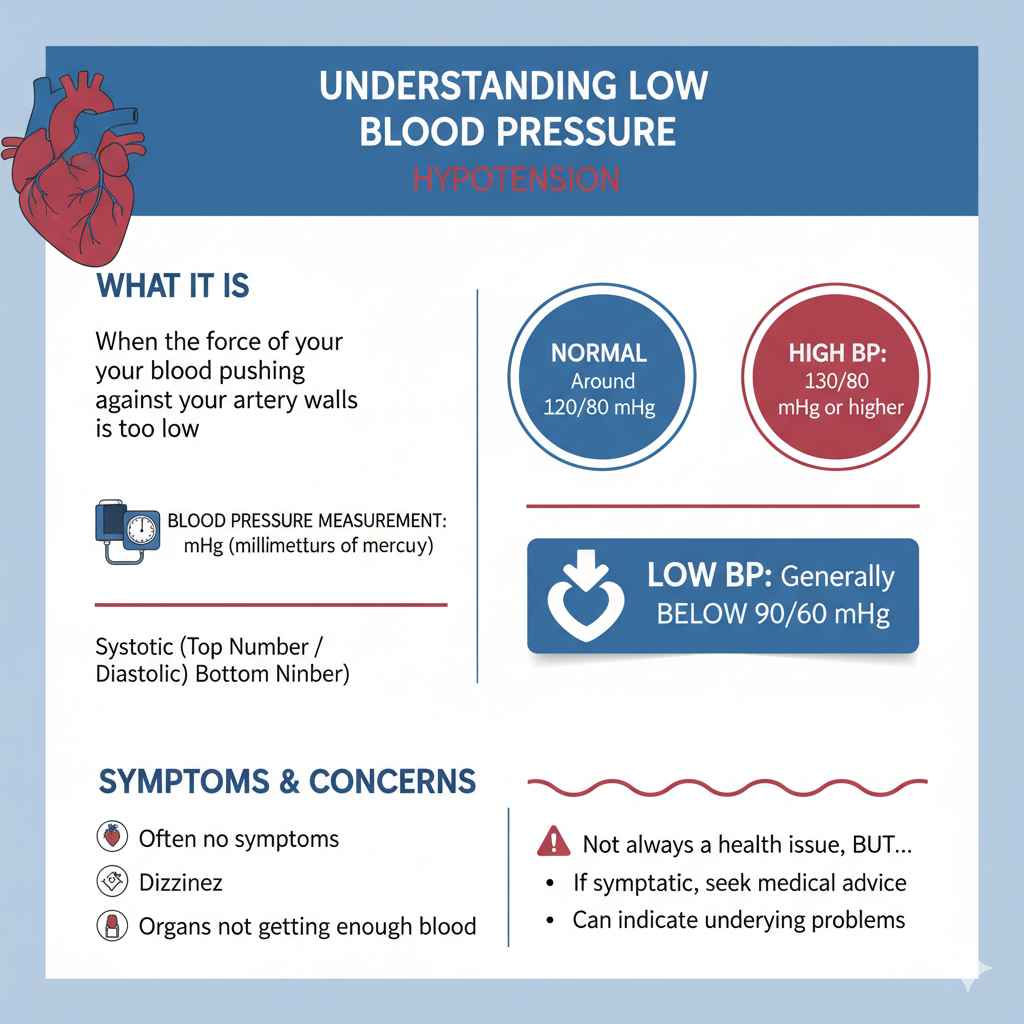
Low blood pressure, medically known as hypotension, happens when the force of your blood pushing against your artery walls is too low. Blood pressure is measured in millimeters of mercury (mmHg) and has two numbers: systolic (the top number) and diastolic (the bottom number). High blood pressure means the top number is consistently 130 or higher, or the bottom number is 80 or higher. Low blood pressure is generally considered to be below 90/60 mmHg.
While high blood pressure is a well-known health concern, having blood pressure that is too low can also cause problems. It might not always be a health issue, especially if you don’t have symptoms. However, for some people, it can lead to dizziness, fainting, and other symptoms that signal that your organs aren’t getting enough blood to function properly.
Can Exhaustion Really Cause Low Blood Pressure?
The short answer is: yes, in some cases, severe exhaustion can contribute to low blood pressure. It’s not a direct cause-and-effect for everyone, but prolonged fatigue can weaken your body’s ability to manage its internal systems, including blood pressure regulation.
When you’re extremely tired, your body is under stress. This stress can affect various bodily functions. For instance, your nervous system, which plays a big role in controlling blood pressure, might not be working at its usual efficiency. Also, if your exhaustion is due to poor sleep or inadequate nutrition, these factors themselves can impact your blood pressure. Essentially, a tired body is less resilient and may struggle to maintain optimal blood pressure.
The Body’s Blood Pressure Regulators
Your body has a sophisticated system to keep your blood pressure within a healthy range. Key players include:
- The Autonomic Nervous System: This is your body’s automatic control center. It tells your blood vessels to narrow or widen and your heart to beat faster or slower based on your body’s needs, like standing up quickly or feeling stressed.
- Hormones: Hormones like adrenaline and cortisol can influence blood vessel constriction and heart rate.
- Kidneys: These organs help regulate fluid balance and blood volume, which directly impacts blood pressure.
When you are severely exhausted, this finely tuned system can become less responsive. Imagine a car engine that’s sputtering; it might not be able to rev up when needed or might run at a lower idle. Similarly, your body might struggle to make the quick adjustments needed to keep blood pressure stable when you’re exhausted.
How Exhaustion Weakens Regulatory Systems
Chronic exhaustion, whether from lack of sleep, prolonged stress, illness, or overexertion, can take a toll on your body’s ability to function optimally. Here’s how it might impact blood pressure:
- Reduced Nervous System Responsiveness: When you’re depleted, your autonomic nervous system might not send signals as effectively. This can slow down the body’s reaction to changes, like standing up, which can lead to a sudden drop in blood pressure (orthostatic hypotension).
- Impact on Hormone Balance: Severe fatigue can disrupt the delicate balance of hormones that regulate heart rate and blood vessel tone.
- Dehydration and Electrolyte Imbalance: Exhaustion can sometimes be linked to not drinking enough fluids or having poor nutritional intake, which can lead to dehydration. Dehydration reduces blood volume, a key factor in maintaining blood pressure.
- Decreased Cardiac Output: While less common, extreme fatigue could theoretically affect the heart’s ability to pump enough blood efficiently, leading to lower pressure.
Signs and Symptoms of Low Blood Pressure
It’s important to recognize when low blood pressure might be an issue, especially if you’re feeling unusually tired. Many people with slightly low blood pressure don’t experience any symptoms. However, when symptoms do occur, they can be quite noticeable and should not be ignored.
Common signs and symptoms may include:
- Dizziness or lightheadedness
- Fainting (syncope)
- Blurred or fading vision
- Nausea
- Fatigue (which can be amplified by exhaustion)
- Lack of concentration
- Cold, clammy, pale skin
- Rapid, shallow breathing
If you’re experiencing these symptoms, especially when combined with feeling severely run-down, it’s a good idea to check in with a healthcare professional. They can perform blood pressure checks and other tests to understand what’s going on.
Factors Contributing to Exhaustion and Low Blood Pressure
Often, the factors that lead to exhaustion are also the same ones that can contribute to low blood pressure. It’s a bit of a cycle, where one can exacerbate the other. Understanding these underlying causes is the first step to addressing both issues.
1. Lack of Quality Sleep
Sleep is when your body repairs and rejuvenates itself. Not getting enough sleep (or experiencing poor quality sleep) means your systems aren’t getting the downtime they need. This chronic sleep deprivation is a major contributor to exhaustion and can affect your body’s ability to regulate blood pressure effectively. For more information on sleep and its impact, the Centers for Disease Control and Prevention (CDC) offers extensive resources on sleep health.
2. Stress and Emotional Overload
Long-term stress, anxiety, or emotional exhaustion can put a constant strain on your body. While acute stress can temporarily raise blood pressure due to the “fight or flight” response, chronic stress can lead to a state of depletion. This chronic stress can, over time, lead to fatigue and potentially impact the autonomic nervous system’s ability to manage blood pressure, sometimes contributing to drops.
3. Poor Nutrition and Dehydration
What you eat and drink significantly impacts your energy levels and blood volume. If you’re not consuming enough calories, essential nutrients, or fluids, your body won’t have the resources to function optimally. Dehydration is a direct cause of lower blood volume, which can consequently lower blood pressure. Lack of vital nutrients can also lead to general weakness and fatigue.
4. Medical Conditions
Certain underlying medical conditions can cause both exhaustion and low blood pressure. These include:
- Anemia: A lack of red blood cells to carry oxygen efficiently can cause extreme fatigue and sometimes low blood pressure.
- Heart Problems: Conditions like heart failure, heart valve problems, or a slow heart rate can affect how well the heart pumps blood, leading to lower pressure and fatigue.
- Endocrine Issues: Problems with glands like the thyroid or adrenal glands can affect metabolism, energy levels, and blood pressure regulation.
- Infections: Severe infections (sepsis) can cause a life-threatening drop in blood pressure and significant fatigue.
- Neurological Disorders: Conditions affecting the nervous system can interfere with blood pressure control.
If you suspect an underlying medical condition, it’s crucial to consult a doctor for diagnosis and treatment.
5. Medications
Some medications, especially those prescribed for high blood pressure, heart conditions, Parkinson’s disease, or depression, can have low blood pressure as a side effect. If you’ve recently started a new medication and are experiencing increased fatigue and symptoms of low blood pressure, speak with your doctor.
6. Prolonged Physical or Mental Strain
Pushing yourself too hard for too long, whether physically (e.g., intense training without adequate rest) or mentally (e.g., demanding work projects), can lead to profound exhaustion. This deep fatigue can deplete your body’s reserves and make it harder for your systems, including blood pressure regulation, to function correctly.
Table: Common Causes of Exhaustion and Potential Link to Low Blood Pressure
Understanding the overlap between causes of exhaustion and factors influencing blood pressure can be helpful. Here’s a quick look:
| Cause of Exhaustion | Potential Link to Low Blood Pressure | Explanation |
|---|---|---|
| Lack of Sleep | Yes | Disrupts regulation of hormones and autonomic nervous system response. |
| Chronic Stress | Yes | Can deplete the nervous system, making it less responsive to blood pressure demands. |
| Poor Nutrition | Yes | Insufficient intake can lead to low blood volume and mineral deficiencies affectingBP. |
| Dehydration | Yes | Directly reduces blood volume, a primary factor in blood pressure. |
| Anemia | Yes | Reduced oxygen-carrying capacity can lead to low BP and significant fatigue. |
| Certain Medications | Yes | Some drugs are known to lower blood pressure as a side effect. |
| Prolonged Illness | Yes | Body is weakened, impacting all regulatory systems, including BP control. |
When to Be Concerned: Recognizing Serious Hypotension
While mild dizziness or fatigue associated with exhaustion might not be immediately alarming, there are signs that indicate low blood pressure is posing a more serious threat. If your low blood pressure is causing significant symptoms or appears suddenly, it could be a sign of a serious underlying issue.
Seek immediate medical attention if you experience:
- Fainting spells accompanied by confusion or disorientation.
- Very rapid or shallow breathing.
- Cold, clammy, pale skin that is also moist.
- A racing or pounding pulse.
- Signs of shock, such as a weak pulse, cool extremities, and rapid breathing.
These symptoms, especially if they manifest quickly or severely, require urgent evaluation by a healthcare professional. The American Heart Association provides comprehensive information on blood pressure and related health concerns.
Managing Exhaustion and Low Blood Pressure
If you find yourself dealing with both exhaustion and symptoms of low blood pressure, the good news is that many lifestyle adjustments can help. The key is to address the root causes of your fatigue and support your body’s ability to maintain healthy blood pressure.
1. Prioritize Sleep
This might seem obvious, but it’s the foundation of recovery. Aim for 7-9 hours of quality sleep per night. Establish a consistent sleep schedule, create a relaxing bedtime routine, and ensure your bedroom is dark, quiet, and cool. Limiting screen time before bed can also improve sleep quality.
2. Hydrate Adequately
Drinking enough water is crucial. Dehydration directly lowers blood volume, which can cause blood pressure to drop. Carry a water bottle with you and sip throughout the day. Your fluid needs can increase with activity, heat, or illness. A general guideline is to drink when you feel thirsty, but consult your doctor if you have specific fluid restrictions.
3. Nourish Your Body
A balanced diet supports energy levels and overall health. Focus on:
- Complex Carbohydrates: Whole grains, fruits, and vegetables provide sustained energy.
- Lean Proteins: Help with energy and muscle repair.
- Healthy Fats: Found in avocados, nuts, and olive oil.
- Adequate Salt Intake: While it sounds contradictory, for some people with low blood pressure, a slightly higher sodium intake (under medical guidance) can help raise it. However, always discuss dietary changes with your doctor.
Avoid large meals that can divert blood flow to digestion, and eat smaller, more frequent meals if that helps you feel better.
4. Manage Stress
Finding healthy ways to cope with stress is vital. Techniques such as mindfulness meditation, deep breathing exercises, yoga, spending time in nature, or engaging in hobbies you enjoy can make a significant difference. If stress feels overwhelming, consider talking to a therapist or counselor.
5. Gentle Exercise
While extreme exertion can cause exhaustion, regular, moderate exercise can actually improve energy levels and cardiovascular health. Activities like walking, swimming, or cycling can boost circulation. Listen to your body; don’t push yourself too hard when you’re feeling depleted. Gradual increases in activity are key.
6. Review Medications with Your Doctor
If you are taking any medications, discuss them with your doctor. They can assess if any of your prescriptions might be contributing to your symptoms and make adjustments if necessary. Never stop or change medication dosages without consulting your physician.
7. Rise Slowly
If you experience dizziness upon standing (orthostatic hypotension), try getting up slowly from a lying or sitting position. Sit on the edge of the bed for a moment before standing up fully. This gives your circulatory system time to adjust.
When to See a Doctor for Low Blood Pressure and Exhaustion
It’s always a good idea to consult with a healthcare professional when you’re experiencing persistent exhaustion, especially if it’s accompanied by symptoms of low blood pressure. They can help rule out any serious underlying conditions and provide personalized advice.
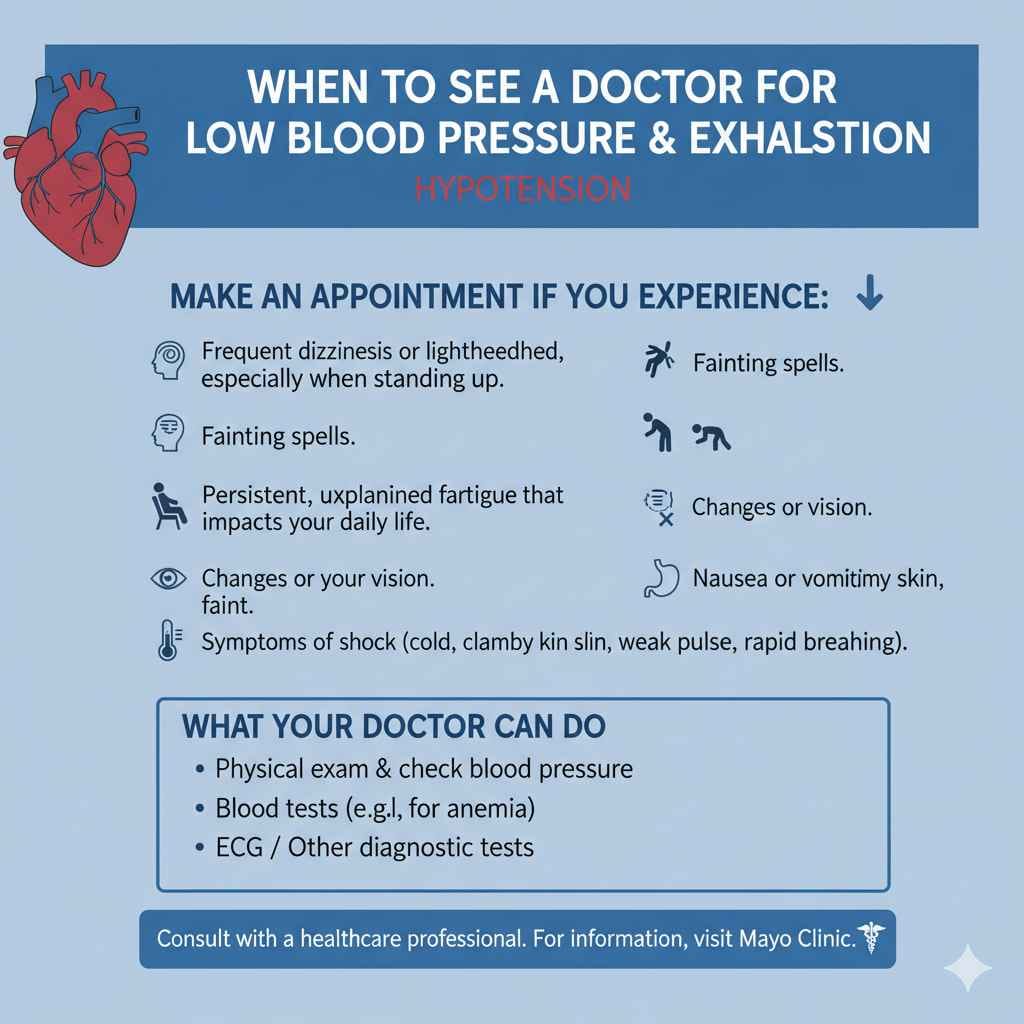
Make an appointment with your doctor if you experience:
- Frequent dizziness or lightheadedness, especially when standing up.
- Fainting spells.
- Persistent, unexplained fatigue that impacts your daily life.
- Changes in your vision.
- Nausea or vomiting that correlates with feeling faint.
- Symptoms of shock (cold, clammy skin, weak pulse, rapid breathing).
Your doctor can perform a physical exam, check your blood pressure in different positions, order blood tests to check for anemia or other issues, and potentially recommend an electrocardiogram (ECG) or other diagnostic tests. For more information on when to seek medical care for blood pressure issues, the Mayo Clinic offers reliable health guidance.
They can also provide specific advice on dietary adjustments (like sodium or fluid intake), exercise recommendations, and stress management techniques tailored to your individual health profile.
Frequently Asked Questions (FAQ)
Q1: Is exhaustion a direct cause of low blood pressure?
Not always directly, but severe or chronic exhaustion can weaken your body’s ability to regulate blood pressure, making existing low blood pressure worse or contributing to symptoms of hypotension.
Q2: What are the main symptoms of exhaustion that might be linked to low blood pressure?
General fatigue, feeling drained, lack of energy, dizziness or lightheadedness (especially when standing), blurred vision, and difficulty concentrating are common symptoms that can overlap between exhaustion and low blood pressure.
Q3: Can I manage low blood pressure caused by exhaustion at home?
Yes, for mild cases, lifestyle changes like prioritizing sleep, staying hydrated, eating a balanced diet, and managing stress can significantly help. However, if symptoms are severe or persistent, medical advice is essential.
Q4: How much sleep do I need if I’m feeling exhausted and possibly have low blood pressure?
Most adults need 7-9 hours of quality sleep per night. If you’re severely exhausted, your body might need even more restorative rest to recover its regulatory functions.
Q5: Should I increase my salt intake if I have low blood pressure and feel exhausted?
This should only be done under the guidance of a healthcare professional. While increased sodium can help raise blood pressure for some, it’s not appropriate for everyone and can be harmful if you have other health conditions.
Q6: Can stress cause both exhaustion and low blood pressure?
Yes, chronic stress can lead to profound exhaustion and can also disrupt the autonomic nervous system’s ability to regulate blood pressure, potentially causing it to drop. It can also contribute to other symptoms like fatigue.
Conclusion
Feeling exhausted can certainly make you feel unwell, and in some instances, it can contribute to or worsen low blood pressure. Your body is a complex system, and when it’s run down, its ability to manage things like blood flow and pressure can suffer. Understanding the connection between your overall well-being, your energy levels, and your blood pressure is the first step towards feeling better.
By prioritizing rest, staying hydrated, nourishing your body with healthy foods, and managing stress effectively, you can help your body recover and maintain a healthy balance.


