Are Flow-Through Mufflers Legal? Essential Guide for Car Owners
Flow-through mufflers are legal in most states if they include proper sound-dampening features and keep noise below local limits—typically under 95 decibels. They differ from illegal straight pipes and offer a safe performance upgrade when chosen wisely.
Hey there, fellow car owner! I’m Monowar Shohag, and I’ve spent years helping everyday drivers like you understand and upgrade exhaust systems. One question I get a lot is about flow-through mufflers—also called straight-through mufflers. You might love that deeper rumble and better flow, but you’re worried about tickets or breaking the law.
Don’t worry—it’s a smart concern. Loud or modified exhausts frustrate many drivers, especially when a cop pulls you over. The good news? You can enjoy performance gains safely. In this guide, I’ll walk you through everything step by step. You’ll learn what makes these mufflers legal, how to pick the right one, and tips to stay on the right side of the law. Let’s dive in and build your confidence!
What Are Flow-Through Mufflers?
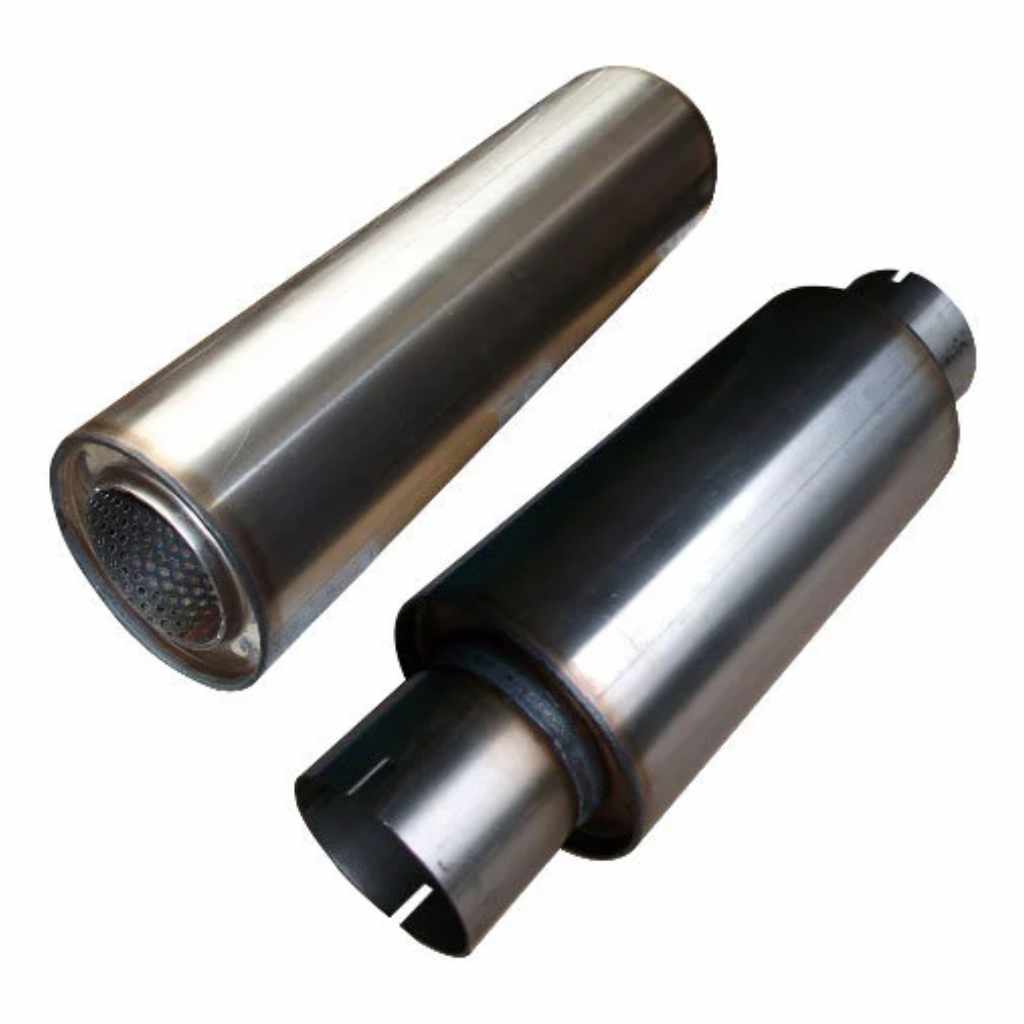
Flow-through mufflers are a popular performance upgrade. They let exhaust gases move straight through the muffler with less restriction than stock ones.
Inside, there’s a perforated pipe wrapped in sound-absorbing material like fiberglass or stainless steel wool. This design reduces backpressure for better horsepower and torque. It also creates a deeper, more aggressive sound—without the full roar of no muffler at all.
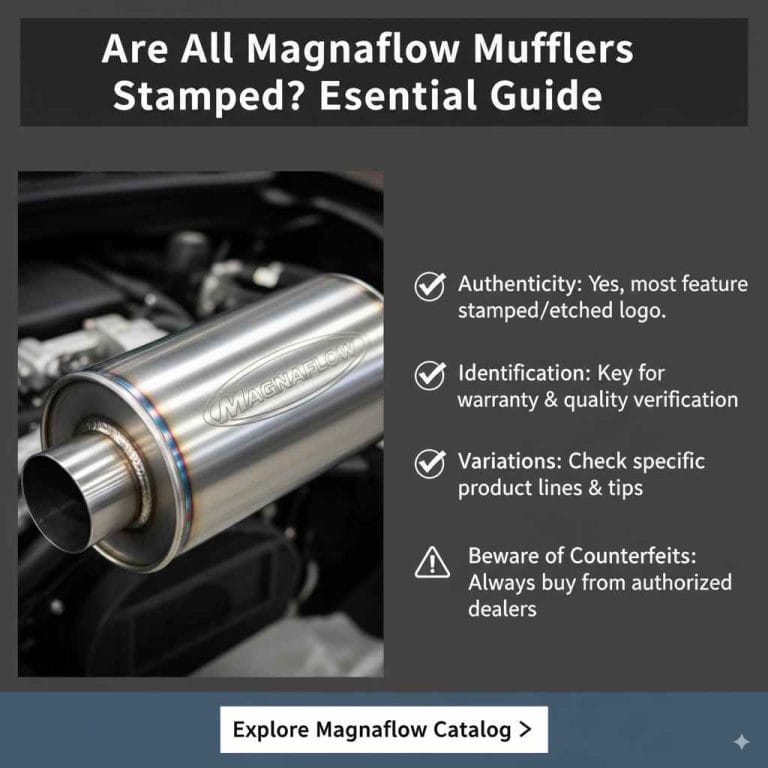
Popular brands include MagnaFlow, Flowmaster FlowFX, and Borla. They call them “straight-through” or “high-flow” mufflers.
How Do Flow-Through Mufflers Differ from Straight Pipes?
Many folks mix these up, but they’re very different—and that matters for legality.
- Flow-through mufflers: Have a muffler body with internal packing or perforations to quiet noise. They reduce sound while improving flow.
- Straight pipes: No muffler at all—just open pipe from the catalytic converter back. Super loud and illegal on public roads in all 50 states.
Flow-through mufflers give you that performance sound legally. Straight pipes? They invite fines fast.

Are Flow-Through Mufflers Legal? The Key Rules
Yes, flow-through mufflers are legal across the US—as long as they meet noise limits and count as a real muffler.
Every state requires an “adequate muffler in good working order” to prevent excessive or unusual noise. That’s from common vehicle codes, backed by groups like the SEMA Action Network.
The EPA focuses more on emissions than noise for cars and trucks. Noise rules come from states. No federal decibel limit exists for light vehicles, but states set their own—often 95 dB or less.
For example, California’s Vehicle Code 27150 requires a proper muffler. High-flow ones from MagnaFlow or Flowmaster pass if not too loud.
Check this table for common noise limits:
| State/Example | Typical Noise Limit (dB) | Key Rule |
|---|---|---|
| California | 95 dB | Must have adequate muffler; no excessive noise |
| Many states (e.g., Maine, Washington) | 95 dB | No modifications that amplify noise over stock |
| General US | Varies, often 95 dB | Muffler required; no straight pipes |
Source: SEMA Exhaust Noise Laws by State (semasan.com).
Why Some Flow-Through Mufflers Raise Red Flags
Not all are equal. Some “race” versions or cheap ones get too loud and attract tickets.
Glasspacks (a basic flow-through type) sometimes face bans in strict areas because they’re louder.
Brands like Flowmaster label many as “not legal for pollution-controlled vehicles” in some states—but that’s often for emissions, not noise. Their street versions usually work fine.
Bottom line: Pick one designed for street use that keeps noise reasonable.
Benefits of Legal Flow-Through Mufflers
Here’s why so many owners love them:
- Better performance: Less backpressure means 5-20 HP gains.
- Deeper sound: Aggressive tone without annoying drone.
- Durability: Stainless steel lasts longer than stock.
- Easy install: Many bolt right on.
Pros and cons in a quick table:
| Pros | Cons |
|---|---|
| Improved horsepower and torque | Slightly louder than stock (but legal) |
| Deeper, throatier exhaust note | May need pro install for best fit |
| Better exhaust flow and efficiency | Cost more than basic replacements |
| Legal when noise-compliant | Not as quiet as chambered mufflers |
How to Choose a Legal Flow-Through Muffler
Follow these steps for peace of mind:
- Check your state’s noise laws—search “[your state] vehicle exhaust noise limits.”
- Choose reputable brands like MagnaFlow or Flowmaster FlowFX.
- Look for “street legal” or CARB-approved if in California.
- Avoid “off-road only” labels.
- Read reviews for real-world sound levels.
For more on state laws, visit the SEMA Action Network site: https://www.semasan.com/resources/exhaust-noise-laws-state
Tips to Stay Legal and Avoid Tickets
Even with a legal setup, drive smart:
- Don’t rev excessively in neighborhoods.
- Keep your system in good repair—no leaks that make it louder.
- If stopped, stay polite and know your setup is compliant.
- Consider a valve system for quiet/loud modes if you want options.
Safety first: A good exhaust helps your engine run efficiently and reduces risks.
FAQ
1. Are flow-through mufflers the same as straight pipes?
No. Flow-through have sound-absorbing materials inside. Straight pipes have nothing—they’re illegal everywhere on roads.
2. Will a flow-through muffler void my warranty?
It might affect exhaust parts, but not usually the whole vehicle. Check your owner’s manual or dealer.
3. Are glasspack mufflers legal?
Depends on the state and noise level. Many are, but some strict areas limit them if too loud.
4. What’s the noise limit in most states?
Often 95 decibels, measured specifically. Check local laws.
5. Can I install a flow-through muffler myself?
Yes, many are bolt-on. Beginners can do it with basic tools, but pro help ensures no leaks.
6. Do flow-through mufflers hurt fuel economy?
No—they can improve it slightly by better engine efficiency.
7. Are they legal in California?
Yes, if under 95 dB and a proper muffler. Many MagnaFlow options pass.
There you have it—a full guide to flow-through mufflers and their legality. As your friendly exhaust mentor, I encourage you to go for a quality upgrade. It boosts performance, sounds great, and keeps you legal and confident on the road.
Remember, the key is choosing wisely and driving responsibly. Your car will thank you with better power and that satisfying rumble. Safe driving, and feel free to reach out if you have more questions—happy motoring!