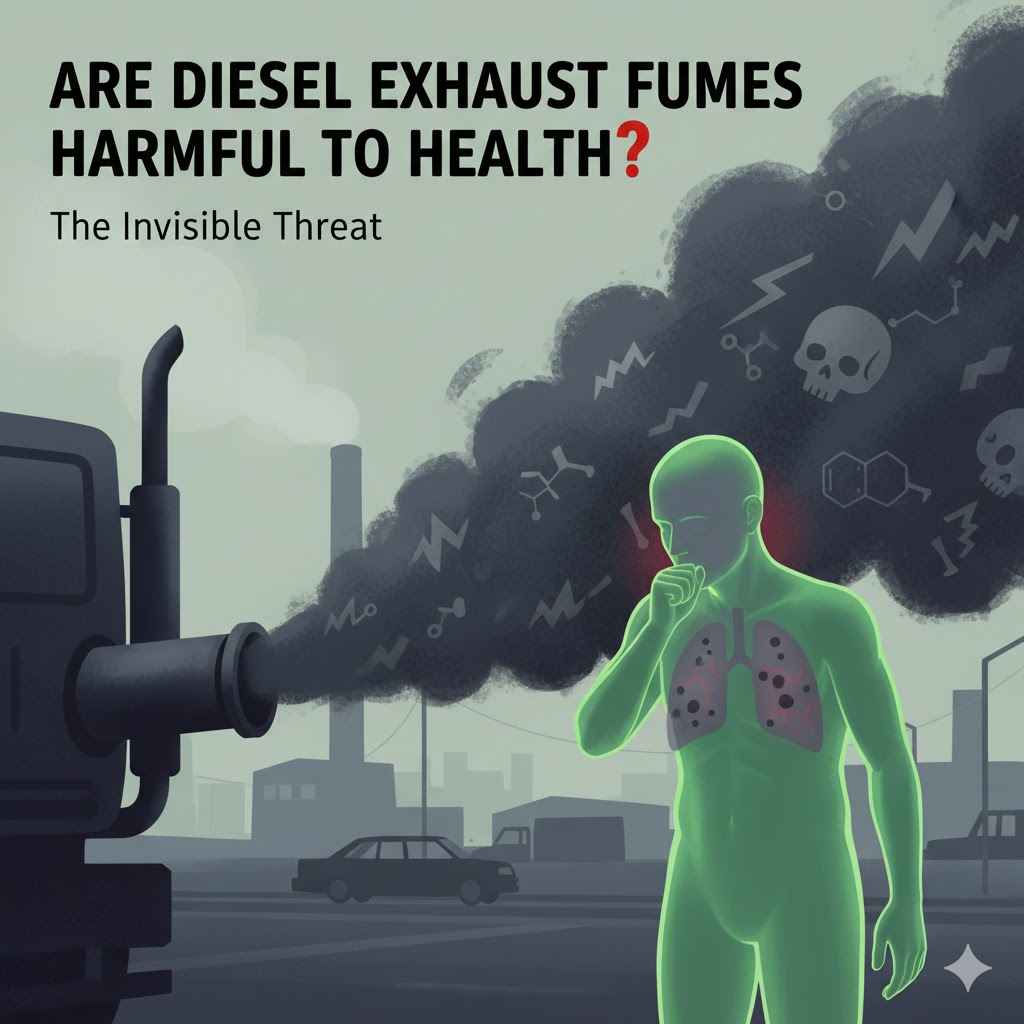
Are Diesel Exhaust Fumes Harmful to Health?
Many people wonder, are diesel exhaust fumes harmful to health? This is a common question, especially for those who live or work near busy roads or industrial areas. It might seem like a tricky subject to figure out, but don’t worry!
We will break it down in a way that’s easy to understand, step by step. Get ready to learn about what makes these fumes a concern and what you can do.
Understanding Diesel Exhaust Fumes And Health Risks
Diesel exhaust is a complex mix of gases and tiny particles that come out of diesel engines when they burn fuel. Think of it like the smoke you see from a car’s tailpipe, but it’s made of many different things. Some of these things are gases like nitrogen oxides, and others are very small bits of soot, which are like tiny pieces of carbon.
These are often called particulate matter, or PM for short. Both the gases and the particles can be bad for us if we breathe them in. This is why the question, are diesel exhaust fumes harmful to health?, comes up so often.
It’s important to know that these fumes aren’t just a little bit unpleasant; they can really affect our bodies.
The main reason diesel exhaust is a concern is its composition. It contains hundreds of different chemicals, many of which are known to be toxic or can cause damage over time. Some of these chemicals can irritate our lungs and airways, making it harder to breathe.
Others can get deep into our lungs and even into our bloodstream. Over long periods of breathing this in, it can lead to serious health problems. This is not something to ignore, and it’s good you’re looking for clear answers.
What Exactly Is In Diesel Exhaust?
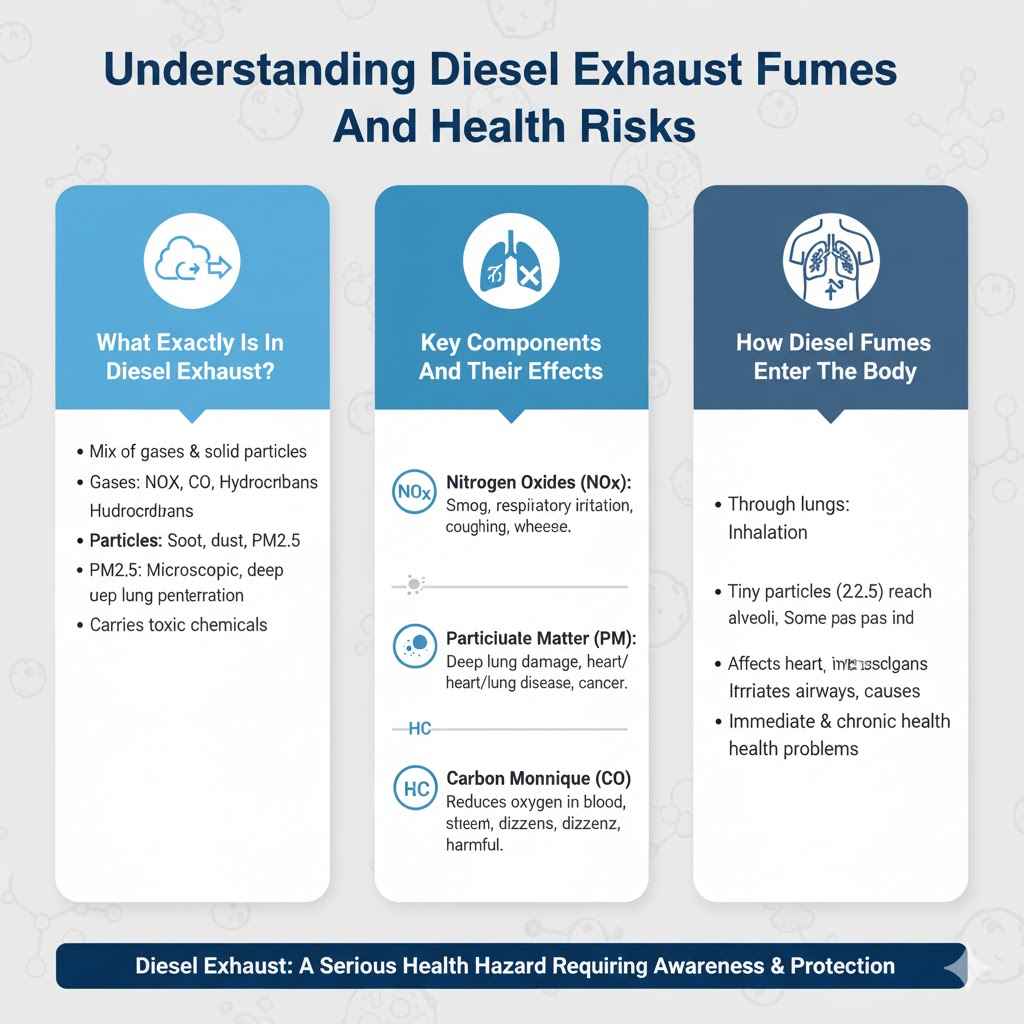
Diesel exhaust contains a mix of gases and solid particles. The gases include things like nitrogen oxides (NOx), carbon monoxide (CO), and unburned hydrocarbons. Nitrogen oxides are a big problem because they can irritate the lungs and contribute to smog.
Carbon monoxide is a poisonous gas that can reduce the amount of oxygen your blood can carry. Unburned hydrocarbons are also linked to health issues.
The solid particles, known as particulate matter (PM), are especially concerning. These are incredibly small, so small that you can’t see them with your eyes. They are often measured in micrometers, with PM2.5 (particles smaller than 2.5 micrometers) being the most dangerous because they can go very deep into your lungs.
Diesel exhaust is a major source of these fine particles. These particles can carry harmful chemicals that stick to them, making them even more toxic when inhaled.
- Nitrogen Oxides (NOx): These gases form when fuel burns at high temperatures. They are major contributors to air pollution, especially smog, and can cause respiratory problems. Exposure can lead to coughing, wheezing, and difficulty breathing, particularly for people with asthma or other lung conditions.
- Particulate Matter (PM): This includes soot, dust, and liquid droplets. The tiny particles in diesel exhaust are a significant health hazard. They can lodge deep in the lungs and have been linked to heart and lung diseases, including cancer. The smaller the particle, the deeper it can penetrate, causing more harm.
- Carbon Monoxide (CO): A colorless, odorless gas produced by incomplete burning of fuel. While less prevalent in modern diesel engines than some other pollutants, it’s still a concern. High levels can reduce the oxygen-carrying capacity of the blood, leading to dizziness and other serious health effects.
- Hydrocarbons (HC): These are compounds made of hydrogen and carbon. Some are unburned fuel, while others form during combustion. Certain hydrocarbons are known carcinogens, meaning they can cause cancer. They also contribute to smog formation.
How Diesel Fumes Enter The Body
When you breathe in diesel exhaust, the tiny particles and gases can enter your body in a few ways. The most direct route is through your lungs. The smaller the particles, the deeper they can go.
They can get into the tiny air sacs in your lungs, called alveoli. From there, some can even pass into your bloodstream.
Once in the bloodstream, these harmful substances can travel to different parts of your body. This can affect your heart, brain, and other organs. The gases can also irritate the lining of your airways, causing inflammation.
This makes it harder for your lungs to do their job of getting oxygen into your body and carbon dioxide out.
The effects can be immediate, like coughing or difficulty breathing, or they can build up over time, leading to chronic health problems. This is why minimizing exposure is so important for long-term well-being. Understanding how this happens helps us appreciate the serious nature of the problem.
Health Effects Linked To Diesel Exhaust Exposure
The health problems associated with diesel exhaust are quite serious and affect many different parts of the body. When people breathe in these fumes regularly, their bodies can react in ways that lead to illness. This isn’t just about feeling a bit unwell; it can mean developing long-term diseases that impact daily life.
The risks are higher for certain groups, like children, the elderly, and people who already have breathing problems.
Research has shown strong links between exposure to diesel exhaust and a range of health issues. These include problems with breathing, the heart, and even cancer. It’s important to know about these effects so we can take steps to protect ourselves and others.
The science behind these connections is quite clear, pointing to the harmful nature of these fumes.
Respiratory Issues
One of the most common health problems from breathing diesel exhaust is related to the lungs and breathing. The particles and gases irritate the airways, making them swollen and sensitive. This can cause immediate symptoms and also lead to more serious lung diseases over time.
For people who already have conditions like asthma or bronchitis, diesel fumes can make their symptoms much worse.
Exposure can trigger asthma attacks, leading to wheezing, shortness of breath, and chest tightness. For those without asthma, it can still cause coughing, phlegm production, and a general feeling of irritation in the throat and chest. Long-term exposure is a major factor in the development of chronic obstructive pulmonary disease (COPD), which includes conditions like chronic bronchitis and emphysema.
These conditions make it very difficult to breathe normally.
A study published in the journal Environmental Health Perspectives found that workers exposed to diesel exhaust had higher rates of lung function decline. This means their lungs didn’t work as well over time compared to those not exposed. The fine particles can get deep into the lungs, causing inflammation and damage to lung tissue.
This damage can be permanent, leading to a lasting reduction in breathing capacity.
Cardiovascular Problems
It’s not just the lungs that are affected. Diesel exhaust can also cause serious problems with the heart and blood vessels. The tiny particles can get into the bloodstream and cause inflammation throughout the body.
This inflammation can make blood vessels narrower and stiffer, making it harder for blood to flow.
This increased strain on the heart and blood vessels can lead to a higher risk of heart attacks, strokes, and other cardiovascular diseases. People who breathe diesel fumes often have higher blood pressure and are more likely to develop blood clots. The effects are often more pronounced in individuals who already have heart conditions, but they can also affect otherwise healthy people with prolonged exposure.
Research from the American Heart Association highlights that air pollution, including diesel exhaust, is a significant risk factor for heart disease. They state that air pollution can trigger heart attacks and strokes, and contributes to the development of heart disease over time. This shows that the dangers of diesel fumes extend far beyond just respiratory health.
Cancer Risk
One of the most concerning long-term health effects linked to diesel exhaust is an increased risk of cancer. The International Agency for Research on Cancer (IARC), part of the World Health Organization (WHO), has classified diesel exhaust as a human carcinogen. This means there is enough evidence to say that it can cause cancer in people.
The primary cancer associated with diesel exhaust is lung cancer. The harmful chemicals in the exhaust, particularly certain hydrocarbons and the particles themselves, can damage the DNA in cells. This damage can lead to uncontrolled cell growth, which is how cancer starts.
The risk is higher for people who have occupational exposure, such as truck drivers, mechanics, and construction workers.
A large study involving thousands of workers in various industries found that those with higher exposure to diesel exhaust had a significantly increased risk of developing lung cancer. This risk was dose-dependent, meaning the more you are exposed, the higher your risk. While the risk for the general population is lower than for highly exposed workers, it is still a significant public health concern.
Other Health Concerns
Beyond respiratory, cardiovascular, and cancer risks, diesel exhaust exposure can contribute to other health problems. It has been linked to issues with brain development in children. Studies suggest that pregnant women exposed to higher levels of diesel fumes may have babies with lower birth weights or other developmental issues.
This highlights how far-reaching the impacts can be, affecting even the youngest among us.
There is also evidence suggesting a link between diesel exhaust and increased risk of other diseases. These include diabetes and problems with the immune system. The inflammatory effects of diesel fumes can disrupt normal bodily functions.
This can make the body more susceptible to various illnesses. It also means that existing conditions might be worsened by exposure.
- Neurological Effects: Emerging research points to a connection between diesel exhaust and neurological issues. This includes potential impacts on cognitive function and an increased risk of conditions like Alzheimer’s disease. The fine particles can cross the blood-brain barrier, causing inflammation and damage.
- Developmental Impacts: Exposure during pregnancy has been linked to adverse birth outcomes, including premature birth and low birth weight. For children, it can affect lung development and increase the likelihood of respiratory infections and asthma. This underlines the importance of clean air for vulnerable populations.
- Immune System Effects: Diesel exhaust can suppress or alter the immune system’s response. This can make individuals more prone to infections and may also contribute to the development of autoimmune diseases, where the body attacks its own tissues.
Who Is Most At Risk From Diesel Fumes
While everyone can be affected by breathing diesel exhaust, some groups are more vulnerable than others. These are people who either have more contact with diesel engines or have bodies that are less able to cope with the pollution. Understanding who is most at risk helps us focus protection efforts where they are needed most.
Occupational exposure is a major factor for many people. This means their job puts them in close proximity to diesel engines for extended periods. However, people living in certain areas or with specific health conditions are also at higher risk.
It’s a complex web of factors that determine vulnerability.
Occupational Exposure
Workers who operate or are frequently around diesel-powered vehicles and machinery are at the highest risk. This includes a wide range of professions. These individuals are often exposed to higher concentrations of diesel exhaust for many hours a day, over many years.
This long-term, high-level exposure significantly increases their risk of developing health problems.
Some examples of high-risk occupations include:
- Truck drivers and long-haul truckers who spend their careers in and around their vehicles.
- Construction workers who operate heavy machinery like excavators, bulldozers, and cranes, often in dusty and polluted environments.
- Miners and underground workers where diesel engines are used in enclosed spaces with limited ventilation.
- Mechanics and repair shop workers who service diesel engines, exposing them to exhaust fumes during testing and repairs.
- Dockworkers and port employees who work around diesel-powered cranes, trucks, and ships.
- Railroad workers who operate and maintain diesel locomotives.
- Bus drivers and public transit workers.
For these workers, even with some safety measures, the cumulative exposure can be substantial. This is why workplace regulations and personal protective equipment are so important in these industries. Without proper controls, the health consequences can be severe and long-lasting.
Living Near Diesel Sources
People who live close to busy roads, highways, ports, or industrial areas with a lot of diesel traffic are also at increased risk. Air pollution, including diesel exhaust, can travel significant distances from its source. This means that even if you don’t work with diesel engines, you can still be exposed to harmful levels of fumes.
Areas with heavy truck traffic, such as near major freight routes or distribution centers, often have higher concentrations of diesel exhaust. Children living in these areas are particularly vulnerable. Their developing bodies are more susceptible to the damaging effects of pollution.
This can lead to higher rates of asthma and other respiratory problems in these communities.
A report from the Environmental Protection Agency (EPA) indicates that communities located near major roadways or industrial facilities often experience disproportionately higher levels of air pollution. This can lead to significant health disparities, with residents in these areas facing greater risks for conditions like asthma, heart disease, and cancer.
Children and The Elderly
Children and the elderly are especially susceptible to the harmful effects of diesel exhaust. Children’s lungs are still developing, making them more vulnerable to damage from pollutants. They also tend to breathe more air per pound of body weight than adults, meaning they inhale more pollutants relative to their size.
This can lead to increased rates of asthma, respiratory infections, and reduced lung function later in life.
The elderly, on the other hand, may already have compromised health due to age or pre-existing conditions. Their bodies may be less able to fight off the effects of pollution. Diesel exhaust can exacerbate existing heart and lung conditions, leading to increased hospitalizations and reduced quality of life.
Their immune systems may also be weaker, making them less resilient to the damage caused by these fumes.
Individuals With Pre-Existing Health Conditions
Anyone with a pre-existing health condition, especially those related to the heart or lungs, is at a significantly higher risk. For people with asthma, diesel exhaust can be a major trigger for attacks. For individuals with heart disease, the inflammation caused by diesel fumes can worsen their condition and increase the risk of serious events like heart attacks or strokes.
Even mild exposure can have a noticeable impact on someone with a sensitive respiratory system. The added stress on the body from breathing polluted air can push already strained systems past their limits. This is why it’s crucial for these individuals to be particularly mindful of their exposure levels and take extra precautions.
How To Reduce Exposure To Diesel Exhaust Fumes
Given the serious health risks, knowing how to reduce your exposure to diesel exhaust fumes is very important. There are actions you can take both personally and within your community to help lower the amount of these harmful fumes you breathe. It’s about making smart choices and advocating for cleaner air.
Reducing exposure doesn’t always mean completely avoiding diesel engines, but rather minimizing contact and supporting cleaner technologies. Even small steps can make a big difference in protecting your health and the health of those around you. Let’s explore some practical ways to achieve this.
Personal Protective Measures
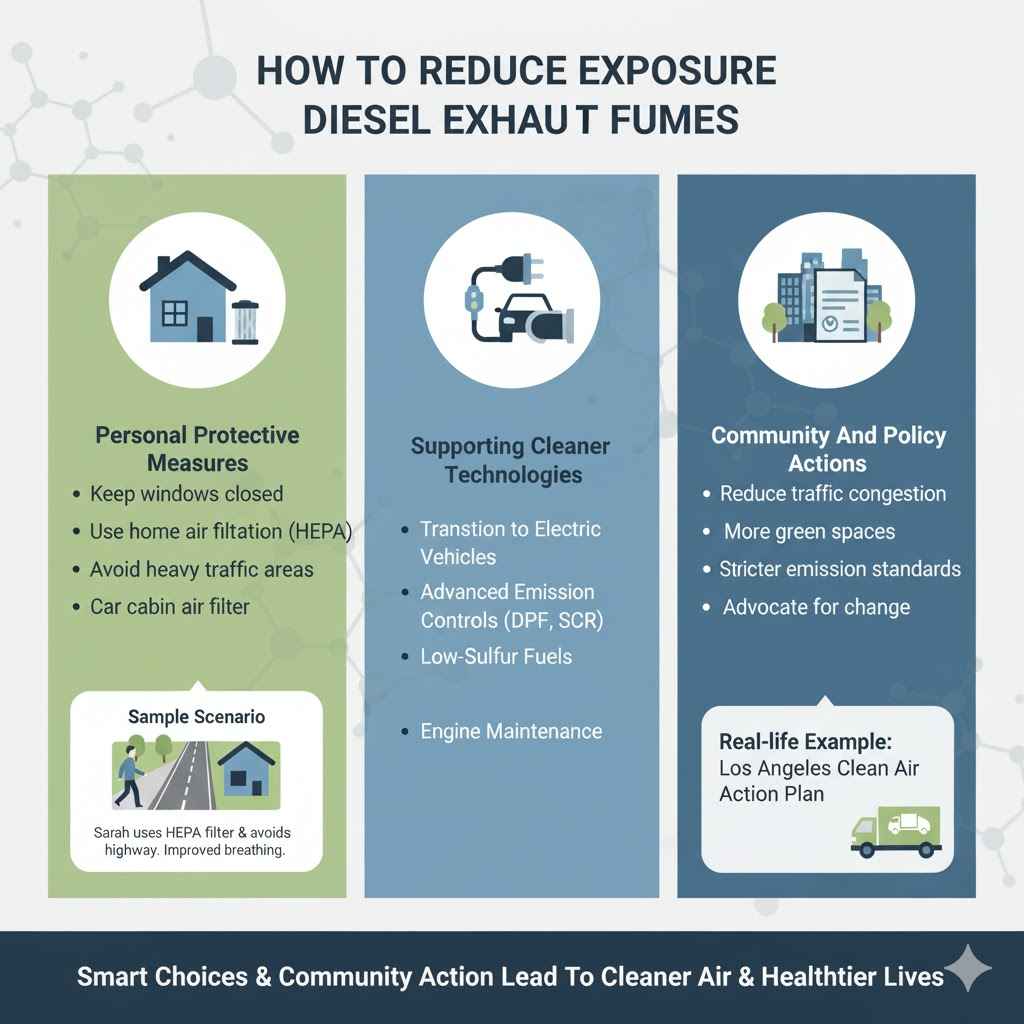
There are several things you can do in your daily life to limit your exposure. If you live near a busy road or areas with a lot of diesel traffic, try to keep your windows closed as much as possible, especially during peak traffic hours. If you have a home air filtration system, ensure it is functioning well and has the right filters to capture fine particles.
When you are out and about, try to avoid spending extended time in areas with heavy diesel traffic. If you are walking or cycling, choose routes that are away from major roadways if possible. If you drive a car, ensure it is well-maintained with a good cabin air filter.
For those who must work around diesel engines, using appropriate personal protective equipment, such as respirators, is essential. Always follow workplace safety guidelines.
Sample Scenario 1:
- Sarah lives in an apartment near a busy highway. She notices her allergies worsen during the summer when traffic is heavy.
- She decides to invest in a good quality HEPA air purifier for her living room and bedroom.
- She also starts taking a slightly longer route to work that avoids the highway during rush hour.
- Within a few weeks, Sarah notices a significant improvement in her breathing and a reduction in allergy symptoms.
Supporting Cleaner Technologies
A key way to reduce overall diesel exhaust is by supporting and advocating for cleaner technologies. This includes encouraging the use of vehicles with advanced emission control systems, such as diesel particulate filters (DPFs) and selective catalytic reduction (SCR) systems. These technologies significantly reduce the amount of harmful pollutants released into the air.
Supporting policies that promote the transition to electric vehicles (EVs) and other zero-emission transportation options is also vital. As more electric trucks, buses, and cars become available and adopted, the overall amount of diesel exhaust in our communities will decrease. This requires both individual consumer choices and broader government and industry initiatives.
- Transition to Electric Vehicles: Encourage and support the adoption of electric vehicles, especially for heavy-duty applications like trucks and buses. This directly
- Advanced Emission Controls: Promote the use of vehicles equipped with the latest emission control technologies, such as improved particulate filters and catalytic converters. These technologies capture or neutralize harmful pollutants.
- Low-Sulfur Fuels: Support the availability and use of ultra-low sulfur diesel fuel. Lower sulfur content reduces the formation of sulfur dioxide, another harmful pollutant.
- Engine Maintenance: Advocate for regular and proper maintenance of diesel engines. Well-maintained engines run more efficiently and produce fewer harmful emissions.
Community And Policy Actions
Beyond individual actions, community and policy changes are critical for reducing diesel exhaust pollution. This can involve supporting local initiatives that aim to reduce traffic congestion, create more green spaces, and implement stricter emission standards for vehicles and industries. Engaging with local government officials and participating in public forums can help shape these policies.
For example, communities can advocate for the creation of dedicated bus lanes or bike paths to encourage public transport and active commuting, reducing reliance on single-occupancy diesel vehicles. Supporting urban planning that minimizes proximity to major diesel sources for residential areas is also a long-term strategy. Public awareness campaigns can also help educate people about the risks and encourage behavioral changes.
A real-life example is the city of Los Angeles, which has been implementing a Clean Air Action Plan. This plan includes strategies to reduce emissions from trucks and ports, which are major sources of diesel exhaust in the region. These efforts involve investing in cleaner trucks, expanding charging infrastructure for electric vehicles, and implementing stricter operational rules for polluting equipment.
Frequently Asked Questions
Question: Are diesel exhaust fumes dangerous even in small amounts?
Answer: Even small amounts of diesel exhaust can be harmful, especially with repeated exposure over time. While higher exposures pose greater risks, prolonged exposure to lower levels can still contribute to chronic health problems like respiratory and cardiovascular diseases.
Question: Can diesel exhaust affect non-respiratory health?
Answer: Yes, diesel exhaust can affect more than just the lungs. It has been linked to cardiovascular problems, an increased risk of cancer, and potential impacts on brain development and neurological health due to particles entering the bloodstream.
Question: Are there ways to filter diesel exhaust at home?
Answer: While you can’t filter exhaust directly from passing vehicles, you can improve your indoor air quality. Using high-efficiency particulate air (HEPA) filters in air purifiers or HVAC systems can help remove fine particles from the air inside your home, reducing your exposure to indoor air pollutants which may include some diesel particles that have entered.
Question: How do regulations help with diesel exhaust problems?
Answer: Regulations set standards for engine emissions, fuel quality, and vehicle technology. They drive the development and adoption of cleaner diesel engines and fuels, significantly reducing the amount of harmful pollutants released into the environment and improving public health.
Question: Is switching to an electric vehicle the only solution for reducing diesel fumes?
Answer: Switching to electric vehicles is a very effective solution for reducing diesel fumes, but it’s not the only one. Supporting cleaner technologies for existing diesel engines, advocating for better public transportation, and implementing stricter emission regulations are also crucial steps in minimizing diesel exhaust exposure.
Conclusion
We have explored the many ways diesel exhaust fumes can be harmful to your health. From lung and heart issues to cancer risks, the evidence is clear. Vulnerable groups like children, the elderly, and those with existing health problems face even greater dangers.
Taking steps to reduce your exposure and supporting cleaner technologies are vital for protecting yourself and your community. Every effort counts towards breathing cleaner air.