Are All Magnaflow Mufflers Stamped: Essential Guide
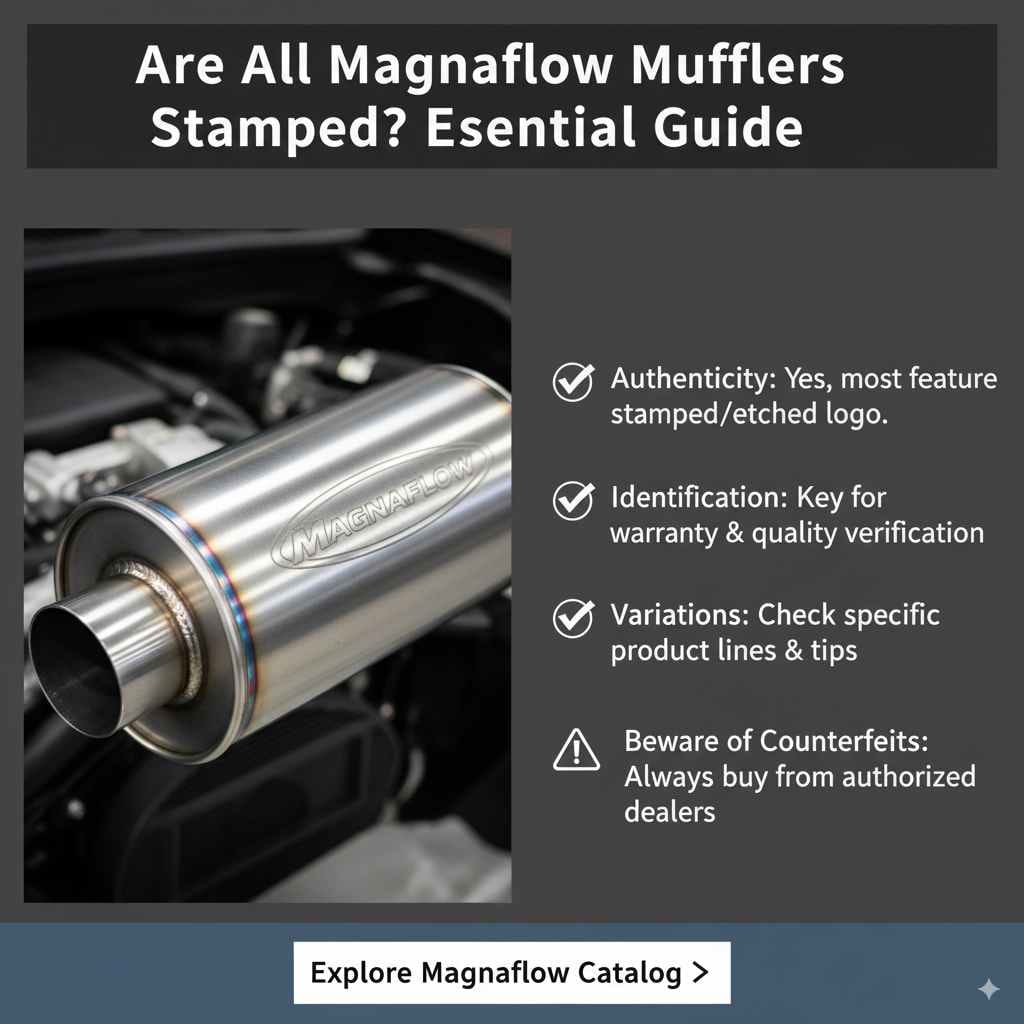
No, not all MagnaFlow mufflers are stamped with every detail, but most genuine MagnaFlow performance mufflers will have some form of branding. Look for the MagnaFlow logo, model numbers, or serial numbers.
Are you wondering if that MagnaFlow muffler on your car is the real deal? It can be confusing when you’re looking for that classic MagnaFlow sound and performance. Sometimes, you might not see a giant “MagnaFlow” stamp all over it, leading to questions. Don’t worry, this is a common concern, and I’m here to help clear the air. We’ll break down exactly what to look for, so you can be confident you have a genuine MagnaFlow product. Let’s get started on identifying your muffler!
Understanding MagnaFlow Muffler Markings
When you’re on the hunt for that signature MagnaFlow exhaust note and the performance gains that come with it, you’ll inevitably be looking at mufflers. One of the most common questions beginners ask is about markings. “Are all MagnaFlow mufflers stamped?” is a question that pops up often. The short answer is generally yes, but the extent and type of stamping can vary.
MagnaFlow, being a reputable and well-established brand, uses markings to identify their products. These aren’t always big, obvious stamps covering the entire muffler body. Instead, they are often discreetly placed, serving a functional purpose for identification and quality control. Think of them as the muffler’s serial number or fingerprint.
Why Do Manufacturers Stamp Their Products?
Manufacturers stamp their products for several key reasons:
Brand Identification: To clearly show that the product is made by their company and to build brand recognition.
Part Numbering: To identify the specific model or part number, making it easier for customers and technicians to order replacements or identify compatibility.
Quality Control: To track production batches and manage quality issues if they arise.
Anti-Counterfeiting: To help consumers distinguish genuine products from fakes.
Legal & Compliance: In some cases, markings are required by regulations for material composition or manufacturing standards.
MagnaFlow understands these needs. While they focus on performance and sound, they also understand the importance of authenticity.

What Kind of Markings Can You Expect on a MagnaFlow Muffler?
So, what should you be looking for? It’s rare to find a MagnaFlow muffler completely devoid of any markings. However, you might not find a huge “MagnaFlow” logo etched into every inch of stainless steel. The most common markings include:
The MagnaFlow Logo: You might find a laser-etched or stamped MagnaFlow logo. This is often subtle and might be on the inlet/outlet pipes or the casing itself.
Part Numbers: This is crucial. You’ll typically find a part number stamped or etched onto the muffler body. This is how you verify the specific model and its intended application.
Serial Numbers: Similar to part numbers, serial numbers help track individual units.
Material Callouts: Sometimes, you might see markings indicating the material used, like “304 SS” for high-grade stainless steel.
“Made In” Country: Some mufflers may indicate their country of origin.
It’s important to note that vintage MagnaFlow mufflers or mufflers from specific product lines might have slightly different marking conventions than their current offerings. The design and manufacturing process can evolve over time.
Where to Look for Stamps and Markings
The best place to find these identifying marks is usually on the casing of the muffler, often near the inlet or outlet pipe connections. Sometimes they’re on the bottom or the side. You might need a flashlight and a bit of patience to find them, especially if the muffler is dirty or has some surface rust.
A little trick:
If you can’t find any obvious stampings, try cleaning a section of the muffler casing with a rag and some degreaser. Sometimes, dirt and grime can obscure subtle etchings.
Identifying a Genuine MagnaFlow Muffler: Beyond the Stamp
While stamping is a good indicator, it’s not the only way to determine if you have an authentic MagnaFlow muffler. Several other factors contribute to the authenticity and quality of a MagnaFlow product.
Material Quality
MagnaFlow is renowned for using high-quality stainless steel, typically 304 grade. This material is highly resistant to rust and corrosion, ensuring longevity and maintaining that beautiful polished look. If the muffler appears to be made of cheap, thin metal that’s already showing signs of rust, it’s a red flag.
A genuine MagnaFlow muffler will feel substantial and have a smooth, clean finish. Even without a prominent stamp, the quality of the materials and construction will speak volumes.
Construction and Fitment
Authentic MagnaFlow mufflers are built with precision. Look for:
Clean Welds: Welds should be consistent and neat, indicating professional manufacturing.
Proper Fitment: If you purchased it as a direct-fit component for your vehicle, it should align correctly without excessive force.
Internal Packing: While you can’t always see this without disassembly, genuine MagnaFlow mufflers use a specific packing material for their signature sound. Performance mufflers often use a straight-through design with perforated internals, not chambered designs often found in stock mufflers.
Sound and Performance
The most telling sign of a MagnaFlow is its sound. They are famous for a deep, resonant tone that is aggressive under acceleration but drones minimally at cruising speeds. If the muffler produces a raspy, tinny sound, or excessively loud resonance, it might not be a genuine MagnaFlow.
MagnaFlow mufflers are designed to improve exhaust flow, leading to potential gains in horsepower and torque. If you haven’t noticed any difference in performance, it could be a sign of a counterfeit or a muffler that’s not designed for performance.
Packaging and Documentation
When buying new, MagnaFlow products usually come in branded packaging. This packaging should be sturdy, well-designed, and include information about the product. Receipts and warranty information are also good signs of a legitimate purchase.
MagnaFlow’s Product Lines and Their Markings
MagnaFlow offers a diverse range of mufflers catering to different needs and preferences. The type and visibility of markings can sometimes vary slightly between these product lines.
Universal vs. Direct-Fit Mufflers
Universal Mufflers: These are designed to be adapted to various vehicles. They might have more general markings and often rely heavily on the part number for identification.
Direct-Fit Mufflers: These are engineered for specific makes and models. They often have part numbers that clearly indicate their application.
Specific MagnaFlow Series
While MagnaFlow aims for consistency, here’s a general idea of what you might find in popular series:
| MagnaFlow Series | Typical Markings | Notes |
|---|---|---|
| MF Series (e.g., MF Series X) | Model number (e.g., 10416, 11226), MagnaFlow logo (often etched), serial number. | Very common performance mufflers. Markings are usually discreetly etched onto the casing. |
| RACE SERIES | Part number, MagnaFlow logo, potentially “RACE” designation. | Designed for maximum flow and aggressive sound. Markings are clear for quick identification. |
| OEM Replacement | Part number, MagnaFlow logo, sometimes “OEM” or equivalent designation. | Built to replicate factory performance and sound. Markings are functional and straightforward. |
| Classic Series | Model number, MagnaFlow logo, sometimes steel or material grade indicated. | Focuses on a specific deep, smooth sound profile. Markings are simple but reliable for ID. |
It’s always a good idea to check the official MagnaFlow website or contact their customer support if you’re trying to verify a specific part number or model.
The Importance of Authenticity
Why all this fuss about whether all MagnaFlow mufflers are stamped? Because authenticity matters.
- Performance: Genuine MagnaFlow mufflers are engineered for optimal exhaust flow and sound. Counterfeits might look similar but won’t deliver the same performance benefits.
- Durability: They are made with high-quality materials designed to last. Cheap imitations can rust quickly and fail prematurely.
- Sound: The iconic MagnaFlow sound is a key selling point. Fake mufflers won’t replicate that distinctive tone.
- Warranty: Only genuine products come with manufacturer warranties.
- Safety: A poorly manufactured muffler could potentially compromise your vehicle’s exhaust system integrity, leading to leaks or even detachment. You can learn more about exhaust system safety from resources like the U.S. Department of Transportation (DOT).
Troubleshooting: What if I Can’t Find Any Markings?
If you’ve inspected your MagnaFlow muffler thoroughly and cannot find any stamps or etched markings, don’t panic just yet. Here are a few steps you can take:
- Thorough Inspection: Get a bright flashlight and carefully examine every inch of the muffler’s exterior, paying close attention to the inlet and outlet pipe areas, as well as the bottom and sides of the main casing.
- Cleaning: Use a degreaser and a cloth to clean the casing. Sometimes, years of road grime, dirt, or even a light coating of rust can obscure subtle etchings.
- Check Purchase Records: Where did you get the muffler? If you bought it new from a reputable dealer or MagnaFlow themselves, the likelihood of it being genuine is very high. Check your invoices or order history.
- Consult a Professional: If you’re still unsure, take your vehicle to a trusted exhaust shop or mechanic. They have experience identifying various brands and can often spot subtle clues of authenticity or lack thereof.
- Compare with Online Images: Search online for images of the specific MagnaFlow model you believe you have. Compare the overall shape, inlet/outlet configuration, and any visible markings with your muffler.
- Contact MagnaFlow: If all else fails, consider contacting MagnaFlow’s customer support. Provide them with as much detail as possible about the muffler (dimensions, pipe sizes, general appearance) and they might be able to help you identify it. You can often find their contact information on their official website.
When to Suspect a FAKE MagnaFlow Muffler
While genuine MagnaFlow mufflers are well-marked, there are situations where you might be dealing with a counterfeit. Be wary if:
The muffler feels unusually light.
The welds are messy, uneven, or look amateurish.
The material appears to be thin or rapidly rusting (especially if advertised as stainless steel).
The sound is significantly different from what’s expected from a MagnaFlow (e.g., raspy, too loud, or completely quiet if it’s a performance model).
It was purchased from an unreliable source at an unbelievably low price.
There are no part numbers or branding whatsoever, even after thorough cleaning.

Frequently Asked Questions (FAQ)
Q1: Are all MagnaFlow mufflers stamped with the logo?
No, not all MagnaFlow mufflers are stamped with a large, prominent logo. However, most genuine MagnaFlow performance mufflers will have some form of identifiable marking, such as a laser-etched logo, part number, or serial number, often discreetly placed on the casing or pipes.
Q2: Where is the best place to look for stamps on a MagnaFlow muffler?
You will typically find markings on the muffler’s casing, often near the inlet or outlet pipe connections, or sometimes on the bottom or sides. A bright flashlight and a clean surface can help you spot subtle etchings.
Q3: What if my MagnaFlow muffler has no markings at all?
If you cannot find any markings after a thorough inspection and cleaning, check your purchase records. If bought from a reputable dealer, it’s likely genuine. If the source is questionable or there’s a complete lack of identifying details, it could be a non-MagnaFlow part or a counterfeit. Contacting MagnaFlow customer support with a detailed description might help.
Q4: Can a factory muffler be stamped with “MagnaFlow”?
Generally, no. Factory mufflers are made by the Original Equipment Manufacturer (OEM) for a specific vehicle. While some aftermarket companies supply OEM direct replacements, a factory-installed muffler will likely have the vehicle manufacturer’s stampings, not “MagnaFlow,” unless it was an optional upgrade or aftermarket part installed by the owner.
Q5: How can I tell if a MagnaFlow muffler is high-quality stainless steel?
Genuine MagnaFlow mufflers are typically made from 304 grade stainless steel, which resists rust and corrosion. A high-quality muffler will feel substantial, have a clean, smooth finish, and consistent welds. If it shows signs of rust quickly or appears flimsy, it might not be genuine or made to MagnaFlow’s standards.
Q6: What should I do if I suspect I bought a fake MagnaFlow muffler?
If you suspect you have a counterfeit: stop using it immediately, especially if performance or safety is compromised. Review your purchase details and contact the seller for a refund. If you purchased it through a platform like eBay or Amazon, report the seller. You might also consider reporting it to MagnaFlow or consumer protection agencies.
Conclusion
Navigating the world of exhaust components can sometimes feel like a treasure hunt. When it comes to MagnaFlow mufflers, understanding their markings is a key part of ensuring you’ve got a genuine, high-quality product. While not every inch of a MagnaFlow muffler will be stamped, you can expect to find important identifiers like part numbers, serial numbers, and possibly a subtle etched logo.
The combination of these markings, along with the superior build quality, material choice, and that distinctive MagnaFlow sound, are your best indicators of authenticity. Don’t be discouraged if you don’t see a huge stamp – a little careful inspection goes a long way. By using the tips and information in this guide, you’ll be well-equipped to identify your MagnaFlow muffler with confidence. Happy motoring, and enjoy that incredible exhaust note!