Does Installing a Flowmaster Affect Engine Programming? Essential Guide
Installing a Flowmaster exhaust system typically does not directly affect your engine’s core programming. Modern vehicles have engine control units (ECUs) that are designed to adapt to minor exhaust changes. However, if you make other modifications alongside your Flowmaster, or if the system isn’t installed correctly, it could indirectly influence how your engine performs and, in rare cases, trigger check engine lights.

Flowmaster
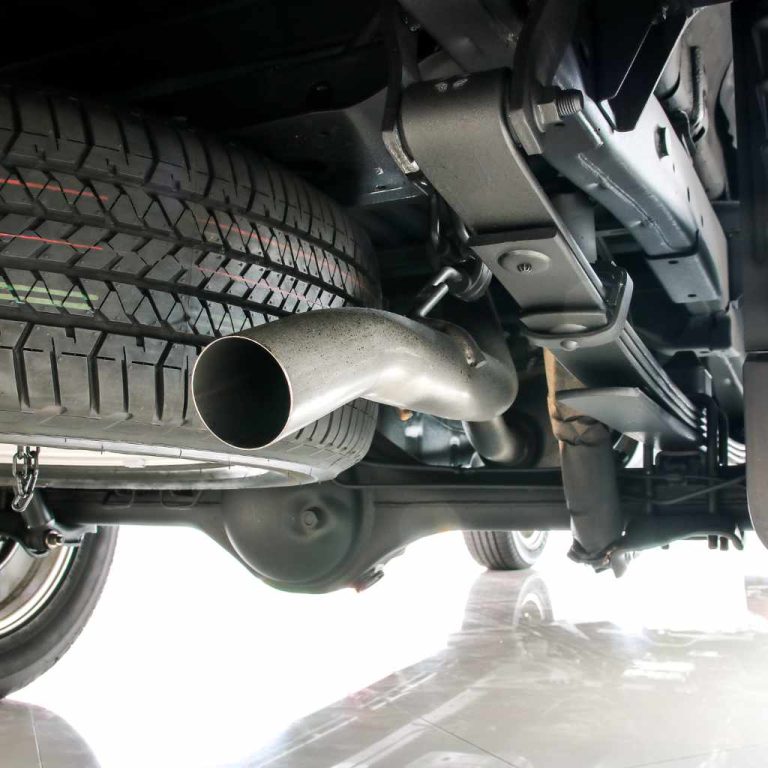
Flowmaster 15801 Prebend Tailpipes - 2.50 in.…
- Exits Straight-out under the Rear Bumper
- Mandrel-bent for Maximum Performance
- High Clearance around Rear Differential
As an Amazon Associate I earn from qualifying purchases.
Hey there, fellow car enthusiasts! It’s Monowar Shohag, your go-to guide for all things exhaust. Ever wondered if swapping out your exhaust for a popular brand like Flowmaster means you’ll need to mess with your car’s computer? It’s a common question, and honestly, it can feel a bit daunting when you’re starting out. You want that sweet new sound and maybe a little extra pep, but you don’t want to end up with a check engine light blinking like a disco ball. Don’t worry, we’re going to break down exactly what happens when you install a Flowmaster and whether it plays nice with your car’s programming. Stick around, and by the end, you’ll understand it all clearly and feel confident about your exhaust upgrade!
Understanding Your Car’s Engine Control Unit (ECU)
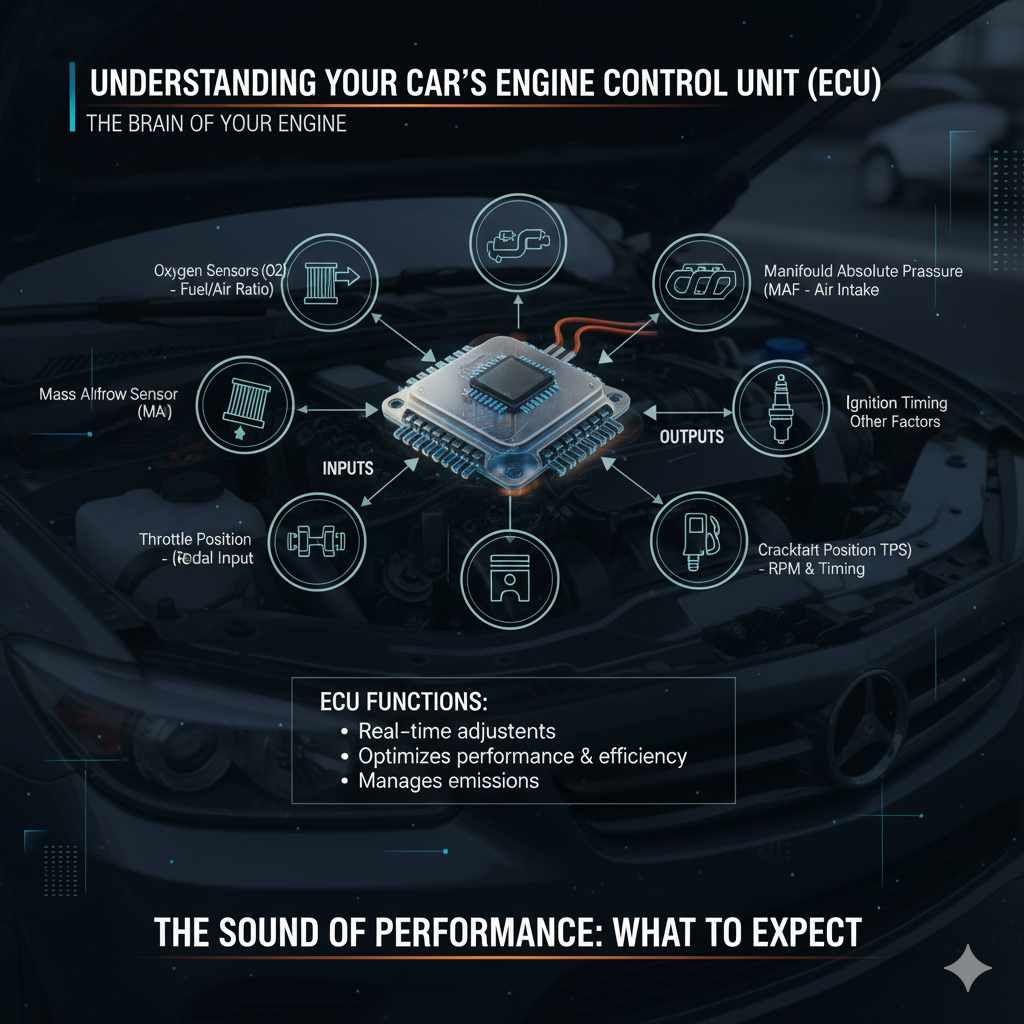
Before we dive into Flowmaster specifically, let’s chat about what controls your engine: the Engine Control Unit, or ECU. Think of your ECU as the brain of your car’s engine. It’s a small computer that constantly monitors everything happening under the hood.
It takes in information from lots of sensors:
- Oxygen Sensors (O2 Sensors): These are perhaps the most important when we talk about exhaust. They measure the amount of unburned oxygen in your exhaust gases. This tells the ECU if the engine is running too rich (too much fuel) or too lean (not enough fuel).
- Mass Airflow Sensor (MAF): Measures how much air is entering the engine.
- Manifold Absolute Pressure Sensor (MAP): Measures the pressure in the intake manifold, which helps determine engine load.
- Crankshaft Position Sensor: Tells the ECU the speed and position of the crankshaft.
- Throttle Position Sensor (TPS): Tells the ECU how much the throttle pedal is being pressed.
Based on all this information, the ECU makes real-time adjustments to fuel injection, ignition timing, and other factors to keep your engine running smoothly, efficiently, and within emissions standards. It’s a sophisticated system designed to optimize performance and fuel economy under various driving conditions.
What is a Flowmaster Exhaust System?
Flowmaster is a well-known brand specializing in aftermarket exhaust systems. They offer mufflers, cat-back systems, and full exhaust kits designed to change the sound, and sometimes the performance, of your vehicle’s exhaust. Flowmaster mufflers, in particular, are famous for their distinct, aggressive exhaust note, which is achieved through their internal baffle design. Unlike a stock muffler that aims for quiet operation, Flowmaster mufflers are engineered to allow more exhaust gas flow while producing a louder, deeper tone.
When you install a Flowmaster system, you’re primarily changing the part of the exhaust that comes after the catalytic converter. This includes the muffler, and potentially the pipes leading to and from it (a “cat-back” system). The primary goals for most people are:
- Sound: Achieving a more aggressive, sporty, or muscle-car-like rumble.
- Performance: Allowing exhaust gases to exit the engine more freely, which can potentially lead to small horsepower and torque gains by reducing “backpressure.”
- Aesthetics: Sometimes, the look of the exhaust tips is also a factor.
Does a Flowmaster Installation Affect Engine Programming?
This is the million-dollar question! For most standard Flowmaster muffler or cat-back exhaust installations on modern vehicles, the answer is no, it does not directly require re-programming your ECU.
Here’s why:
ECU Adaptability: Modern ECUs are incredibly smart. They are designed with adaptive learning capabilities. This means they can adjust fuel trims (the amount of fuel added or subtracted from the base amount) to compensate for minor changes in exhaust flow and backpressure. When you install a less restrictive exhaust like a Flowmaster, the ECU will likely detect a slight change in exhaust gas characteristics through the O2 sensors and make small, automatic adjustments to maintain the optimal air-fuel ratio.
Location of Changes: Most aftermarket exhaust systems, including Flowmaster cat-back systems, focus on modifications after the catalytic converter. The catalytic converter is a critical emissions control device, and its performance is paramount. The ECU relies heavily on the upstream O2 sensor (before the catalytic converter) to adjust fuel and timing. The downstream O2 sensor (after the catalytic converter) is primarily used to monitor the converter’s efficiency. As long as your catalytic converter is still in place and functioning correctly, and your Flowmaster system doesn’t interfere with its operation, the ECU typically won’t see a reason to throw a code or require a tune.
When Might There Be Indirect Effects?
While a direct ECU re-program isn’t usually necessary, there are a few scenarios where installing a Flowmaster could indirectly lead to perceived changes or even trigger warnings:
- Significant Backpressure Reduction: If the exhaust system is drastically less restrictive than the stock one, and the ECU can’t fully compensate through its adaptive learning, you might see slightly altered fuel trims. This is usually within the ECU’s operating parameters, but it’s a change nonetheless.
- Installation Errors: Leaks in the exhaust system after the O2 sensors can introduce air, which the sensors will read as a lean condition. This can cause the ECU to add more fuel, potentially affecting performance and fuel economy, and could even trigger a check engine light for “lean bank” codes. Proper gasket sealing and tight connections are crucial.
- Combined Modifications: If you’re installing a Flowmaster exhaust along with other modifications like a cold air intake, bigger throttle body, or an engine tune, then yes, your ECU will likely need to be re-programmed or “tuned” to optimize performance and ensure everything works together seamlessly. A Flowmaster alone is unlikely to necessitate this, but it’s a critical consideration if you’re going for a full performance package.
- Catalytic Converter Issues: If your catalytic converter is already on its last legs, or becomes damaged during the installation process (though unlikely with a simple muffler swap), an aftermarket exhaust might expose its failing functionality, possibly leading to a check engine light.
- Sensor Malfunctions: Sometimes, installing or working around exhaust components can inadvertently dislodge or damage an O2 sensor or its wiring. If a sensor starts to read erratically or stops functioning, the ECU will definitely react, often with a check engine light.
Flowmaster Systems and Emissions
This is a big one for many car owners. In most regions, especially those with strict emissions testing, removing or altering your catalytic converter is illegal and will cause you to fail inspections. Flowmaster exhaust systems are designed to work with your factory catalytic converter.
Crucial Point: It is imperative that you retain and do not tamper with your catalytic converter when installing an aftermarket exhaust system like a Flowmaster if you wish to remain street legal and pass emissions tests. Flowmaster mufflers and cat-back systems are engineered to bolt up to the existing exhaust, typically right before or after the muffler, leaving the catalytic converter untouched.
The ECU monitors the performance of the catalytic converter using the O2 sensors. If the converter is functioning properly, the signals from the post-catalyst O2 sensor will remain consistent, and the ECU will be happy. A Flowmaster system, by itself, should not negatively impact the catalytic converter’s ability to do its job.
For more information on vehicle emissions standards, it’s always a good idea to check with your local regulatory bodies or the Environmental Protection Agency (EPA) in the United States. You can find valuable resources on the EPA’s website regarding vehicle emissions.
Types of Flowmaster Systems and Their Impact
Flowmaster offers various types of systems, and while their core function is similar, understanding them can help:
1. Muffler Replacement
This involves only replacing the stock muffler with a Flowmaster muffler. This is the most common and least impactful change regarding engine programming. The ECU will adapt to the slight change in backpressure and flow.