6.7 Cummins Exhaust Regeneration: Essential Guide
Understanding 6.7 Cummins exhaust regeneration is key to keeping your diesel engine running smoothly and efficiently. This process, also known as DPF regeneration, burns off soot buildup in your diesel particulate filter. Knowing how it works and how to manage it prevents costly repairs and ensures optimal performance.
6.7 Cummins Exhaust Regeneration: Your Essential Beginner’s Guide
Is your 6.7 Cummins engine light on? Are you hearing unusual sounds or noticing a drop in power? Don’t worry, it’s likely related to exhaust regeneration. This process is a normal part of how modern diesel engines keep their exhaust clean, but it can sometimes feel confusing. Many owners find themselves wondering what “regeneration” actually means and why their truck needs it. This guide breaks down everything you need to know about 6.7 Cummins exhaust regeneration in a simple, easy-to-understand way. We’ll explain what it is, why it’s important, and what you can do to help it happen smoothly. Get ready to understand your Cummins exhaust better than ever before!
What is Diesel Exhaust Regeneration?
Think of your 6.7 Cummins’ exhaust system like a sophisticated filter. Over time, as your engine burns diesel fuel, tiny particles of soot are produced. These soot particles are captured by a component called the Diesel Particulate Filter (DPF). The DPF is designed to trap these harmful emissions, keeping the air cleaner. However, a DPF can only hold so much soot before it becomes clogged, which would hurt your engine’s performance and eventually cause damage.
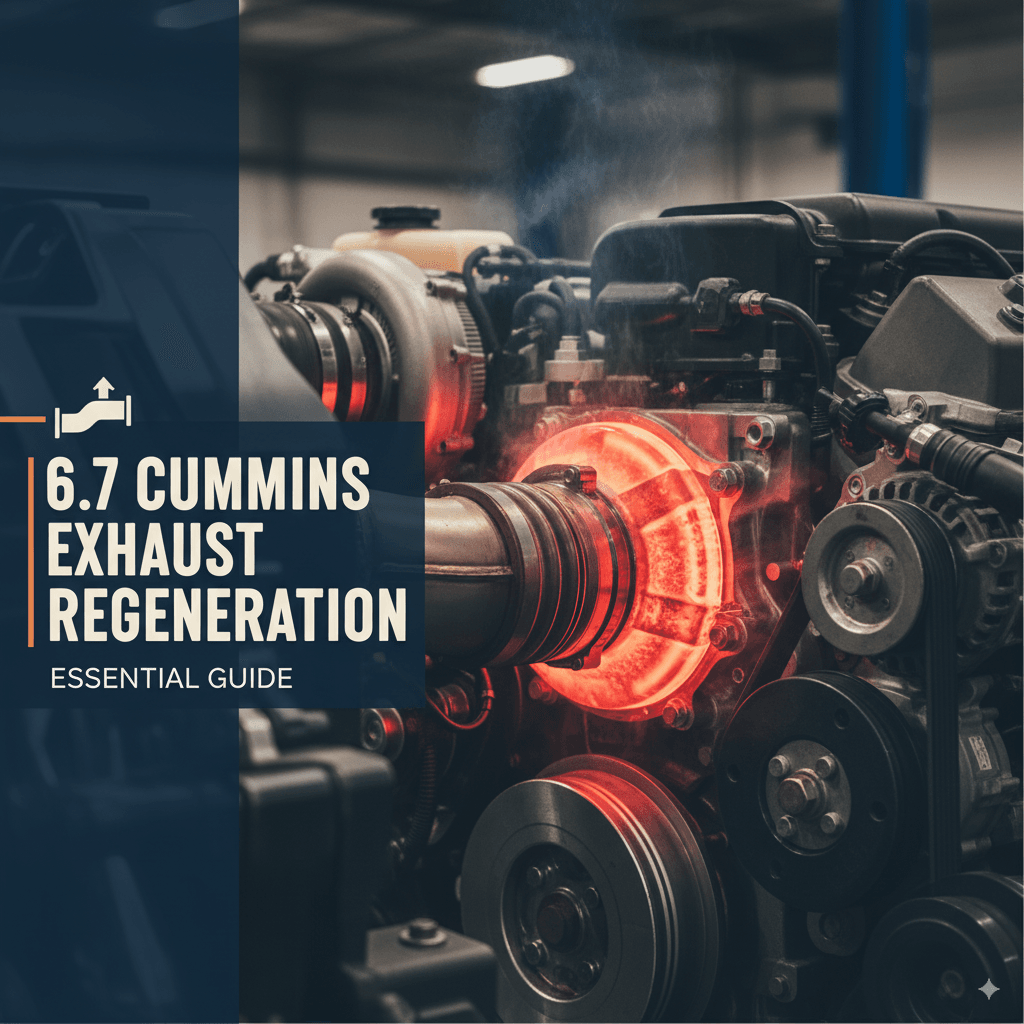
This is where exhaust regeneration comes in. It’s an automatic process where the engine heats up the DPF to a very high temperature. This extreme heat burns off the trapped soot, turning it into a fine ash. This ash is much easier for the exhaust system to handle, and the regeneration process effectively cleans out the DPF, making it ready to trap more soot.

Why is Regeneration Essential for Your 6.7 Cummins?
Regeneration isn’t just a random process; it’s crucial for several reasons:
- Environmental Compliance: Modern diesel engines must meet strict emissions standards. The DPF and regeneration system are key to achieving this by reducing harmful particulate matter in the exhaust.
- Engine Performance: A clogged DPF restricts exhaust flow. This can lead to a noticeable decrease in engine power, poor fuel economy, and sluggish acceleration.
- Preventing Damage: If the DPF becomes completely blocked, it can cause significant damage to the engine and other exhaust components, leading to expensive repairs.
- Longevity of Components: Regular and successful regeneration helps extend the life of your DPF and other parts of the exhaust system.
Understanding the Two Types of Regeneration
There are two main ways your 6.7 Cummins can regenerate its DPF:
1. Passive Regeneration
This is the most common type of regeneration and happens automatically during normal driving, especially at higher speeds. When your engine is running under a typical load and exhaust temperatures are consistently high (like during highway driving), the DPF can get hot enough to burn off soot without any special intervention. Think of it as a natural cleaning process that occurs when your truck is working hard. It’s more effective when your exhaust temperatures are consistently above a certain threshold.
2. Active Regeneration
If passive regeneration isn’t happening often enough – perhaps due to a lot of short trips or idling where exhaust temperatures don’t get high enough – your truck’s computer will initiate an active regeneration. This is a more controlled process where the engine management system actively manipulates engine parameters to increase exhaust temperature. This might involve injecting a small amount of extra fuel into the exhaust stream or adjusting the timing of fuel injection. You might notice:
- A slight increase in engine RPMs.
- A noticeable increase in fuel consumption for a short period.
- A change in engine noise or exhaust smell.
- The radiator fan running more frequently.
Active regeneration typically takes about 20 to 40 minutes to complete. It’s designed to ensure the DPF stays clean even under less-than-ideal driving conditions.
Signs Your 6.7 Cummins Might Need to Regenerate (or is Having Trouble)
While regeneration is usually seamless, there are times when you might notice indicators that it’s happening or that there might be an issue:
- Check Engine Light / DPF Light: This is the most direct warning. If a specific DPF warning light comes on, it usually means the filter is getting quite full and an active regeneration is needed. If the check engine light also illuminates, it suggests a more serious issue.
- Reduced Engine Power: If the DPF is significantly blocked, the engine’s computer may intentionally reduce power to protect components and encourage a regeneration cycle.
- Increased Fuel Consumption: When an active regeneration is occurring, the engine uses more fuel temporarily to generate the necessary heat.
- Different Engine Sound: Some drivers report a change in exhaust sound or a slightly rougher idle during active regeneration.
- Distinct Smell: Some people notice a “hot” or slightly acrid smell from the exhaust during regeneration.
- More Frequent Fan Operation: The engine cooling fan might kick on more often to help manage the higher exhaust temperatures during regeneration.
It’s important to note that not all these signs will be present, and some can be indicative of other issues. However, if you notice several of these together, especially a warning light, it’s worth paying attention.
How to Help Your 6.7 Cummins DPF Regenerate Successfully
For most owners, the truck handles regeneration automatically. However, your driving habits play a big role. Here’s how you can help ensure it goes smoothly:
1. Drive at Highway Speeds Regularly: The best way to encourage passive regeneration is by driving at consistent highway speeds (around 50 mph or more) for at least 20-30 minutes. This keeps exhaust temperatures high enough to burn off soot naturally. Try to incorporate a weekly highway drive if possible.
2. Don’t Ignore Warning Lights: If your DPF warning light illuminates, don’t ignore it. Your truck is telling you it needs help. Typically, this means driving it in a way that promotes regeneration. For the 6.7 Cummins, this often means finding a safe place to drive at highway speeds for a decent stretch.
3. Avoid Excessive Idling and Short Trips: Frequent short trips where the engine doesn’t warm up fully and a lot of idling both contribute to soot buildup and make it harder for regeneration to occur. If your commute is mostly short distances, try to take a longer drive on the weekend.
4. Keep Your Engine Tuned Up: Regular maintenance ensures your engine runs efficiently. A well-maintained engine produces cleaner exhaust, which means less soot buildup in the DPF.
5. Use the Right Fuel and Additives (with Caution): Always use high-quality diesel fuel. Some owners use specific diesel fuel additives designed to aid in DPF cleaning, but it’s wise to research these and consult your owner’s manual or a trusted mechanic before using them. For example, cetane boosters can improve combustion but excessive use without proper justification isn’t recommended. Always follow manufacturer recommendations.
6. Understand if Parked Regeneration is Possible: Some newer Cummins models may allow for a “parked regeneration” initiated by the driver, often through diagnostic tools or specific button sequences. Consult your owner’s manual to see if this is an option for your specific truck and how to perform it safely.
Forced/Service Regeneration Explained
Sometimes, even with the best driving habits, the DPF can become so clogged that the truck’s computer can’t initiate a successful active regeneration on its own. In these cases, a “forced” or “service” regeneration is required. This is a procedure that can only be done with specialized diagnostic scan tools by a qualified mechanic or a skilled truck owner with the right equipment.
During a forced regeneration, the mechanic connects the tool to your truck’s OBD-II port and commands the engine to go through a regeneration cycle. This process is more aggressive than a standard active regeneration and is designed to bring the DPF filter status back to a clean state. This is often necessary when warning lights are on, and the truck’s systems indicate a high soot load that the automatic system cannot clear.
Important Safety Note: A forced regeneration should ONLY be performed in a well-ventilated area, away from flammable materials. The exhaust temperatures during this process can reach extremely high levels, posing a significant fire risk. Always follow the safety guidelines provided by the diagnostic tool manufacturer and your truck’s service manual.
DPF Regeneration Tools and Diagnostics
While many owners rely on their truck to manage regeneration automatically, having the right tools can provide insight and help in troubleshooting.
OBD-II Scanners: Basic OBD-II scanners can read error codes related to the DPF system (codes often start with P20xx for emissions issues). More advanced scanners, often referred to as “professional” or “diagnostic” scanners, can do much more. These advanced tools (like Autel, Snap-on, or specific Cummins diagnostic software) can:
- Monitor real-time DPF soot levels.
- Check exhaust backpressure.
- View temperature sensors within the exhaust system.
- Initiate forced/service regenerations.
- Reset DPF learned values after cleaning or replacement.
These advanced scanners are an investment but can save significant money and time for owners who frequently work on their own vehicles or operate a fleet.
Where to Find Information: Always refer to your 6.7 Cummins owner’s manual for specific procedures and warning light meanings for your model year. For in-depth technical information, resources like Cummins’ official technical manuals or reputable online forums dedicated to Cummins engines can be invaluable. For example, the EPA provides extensive information on diesel emissions control technologies, including DPFs, which can offer a broader understanding of the regulatory and technical landscape:
U.S. EPA: Diesel Particulate Filters (DPFs)
Potential Issues with 6.7 Cummins Diesel Particulate Filters
While regeneration is designed to maintain the DPF, things can still go wrong:
- Ash Buildup: Even thoroughly burned soot turns into ash. Over time, this ash accumulates in the DPF and cannot be burned off by regeneration. Eventually, the DPF will become saturated with ash and require cleaning or replacement. This is a normal part of the DPF’s lifespan.
- Faulty Sensors: The DPF system relies on various sensors (temperature, pressure). If one of these sensors fails, it can send incorrect readings to the engine computer, causing regeneration to fail or to be initiated inappropriately.
- EGR System Issues: Problems with the Exhaust Gas Recirculation (EGR) system can sometimes lead to increased soot production, putting extra strain on the DPF.
- Fueling System Problems: Inaccurate fuel injection can also lead to incomplete combustion and excessive soot.
- Driving Habits: As mentioned, a lifestyle of only short-trip or heavy-idling driving is the primary cause of DPF issues and failed regenerations.
DPF Cleaning and Replacement
When a DPF is too full of ash or has been damaged, it needs attention:
- DPF Cleaning: Professional DPF cleaning services exist. They often use specialized equipment to remove the accumulated ash. The effectiveness can vary, and it’s crucial to choose a reputable service. Some DIY cleaning methods exist, but they are often less effective and can sometimes damage the filter. The EPA has resources on emissions control system maintenance: EPA DPF Information
- DPF Replacement: If cleaning isn’t an option or is unsuccessful, the DPF will need to be replaced. This is a significant expense, as DPFs are complex and costly components.
It’s always better to maintain your DPF through proper regeneration practices to avoid premature cleaning or replacement costs.

Table: Understanding Regeneration Indicators
Here’s a quick reference to common signs and what they might mean:
| Indicator | Possible Meaning | Action Recommended |
|---|---|---|
| Check Engine Light On | General engine issue or DPF fault. | Scan for codes; consult owner’s manual. |
| DPF Warning Light On | DPF is significantly loaded with soot. | Drive at highway speeds (50 mph+) for 20-30 mins. |
| Reduced Engine Power | Engine derate due to clogged DPF or other issue. | Initiate regeneration if possible; check for codes. |
| Slightly Higher Idle Speed / Different Sound | Active regeneration is likely occurring. | Allow the process to complete (don’t shut off engine). |
| Increased Fuel Consumption | Temporary during active regeneration. | Normal during regeneration; monitor if persistent. |
| Hot Smell from Exhaust | High exhaust temperatures during regeneration. | Normal during regeneration; ensure ventilation. |
Frequently Asked Questions (FAQ)
What is the DPF on my 6.7 Cummins?
The DPF stands for Diesel Particulate Filter. It’s a crucial part of the exhaust system on your 6.7 Cummins that traps soot and other harmful particles produced during diesel combustion, helping to keep the air cleaner.
How often does my 6.7 Cummins need to regenerate?
The frequency depends heavily on your driving habits. If you do a lot of highway driving, passive regeneration might occur often, and you might not even notice it. If you do mostly short trips or idle a lot, your truck will likely need to perform active regenerations more frequently, which the truck’s computer manages automatically.
Can I force my 6.7 Cummins to regenerate?
Yes, a “forced regeneration” or “service regeneration” can be performed, but it requires specialized diagnostic scan tools and should only be done by a qualified mechanic or a knowledgeable individual in a safe, well-ventilated area. It’s not a routine procedure for the average owner.
What happens if I ignore the DPF warning light?
Ignoring the DPF warning light can lead to the DPF becoming progressively more clogged. Eventually, this can cause a severe loss of engine power, incomplete but potentially damaging regenerations, or even require costly DPF cleaning or replacement. It can also lead to the check engine light illuminating, indicating a more serious fault.
Is it normal for my truck to use more fuel during regeneration?
Yes, it is normal for your 6.7 Cummins to use slightly more fuel during an active regeneration cycle. The engine management system injects extra fuel or adjusts ignition timing to increase exhaust temperatures, which requires more fuel to achieve.
How do I know if regeneration is happening?
You might notice a slightly higher idle speed, the engine cooling fan running at a higher speed, a different exhaust smell or sound, and a temporary increase in fuel consumption. In some newer models, a dedicated regeneration light or message might appear on the dashboard.
What is the lifespan of a DPF on a 6.7 Cummins?
Under normal operating conditions and with proper regeneration, a DPF can last for many miles, often exceeding 150,000 to 200,000 miles. However, factors like driving habits, fuel quality, and maintenance can significantly impact its lifespan. It will eventually need cleaning or replacement due to ash buildup.
Conclusion
Understanding 6.7 Cummins exhaust regeneration, or DPF regeneration, is essential for keeping your powerful diesel engine in top shape. It’s a sophisticated system working behind the scenes to keep emissions low and your engine running efficiently. By understanding the difference between passive and active regeneration, recognizing the signs your truck might need attention, and adopting driving habits that support the process, you can help prevent common issues and costly repairs.
Remember, regular highway driving is your best friend for healthy DPF function. If you see warning lights, act promptly by giving your truck the chance to regenerate. And for more complex situations, don’t hesitate to consult your owner’s manual or a trusted diesel mechanic. With a little awareness and proactive care, you can ensure your 6.7 Cummins continues to deliver reliable performance for many miles to come!