How to Make Rinehart Exhaust Louder Easily
Many motorcycle riders love the sound of a powerful exhaust. If you have a Rinehart exhaust and want it to be even louder, you’re not alone! Sometimes, getting that perfect rumble can seem tricky, especially if you’re new to bike customization.

As an Amazon Associate I earn from qualifying purchases.
But don’t worry! This guide will show you simple ways to achieve a louder Rinehart exhaust sound, step-by-step. We’ll cover the easy options and explain what makes them work.
Let’s make your bike roar!
Understanding Your Rinehart Exhaust System
This section is all about getting to know your Rinehart exhaust. We will explore what makes it sound the way it does now and identify the key parts that influence its loudness. Understanding these components is the first step toward making it louder.
We will break down each part simply so you can see exactly where to make changes.
The Role of Baffles in Exhaust Sound
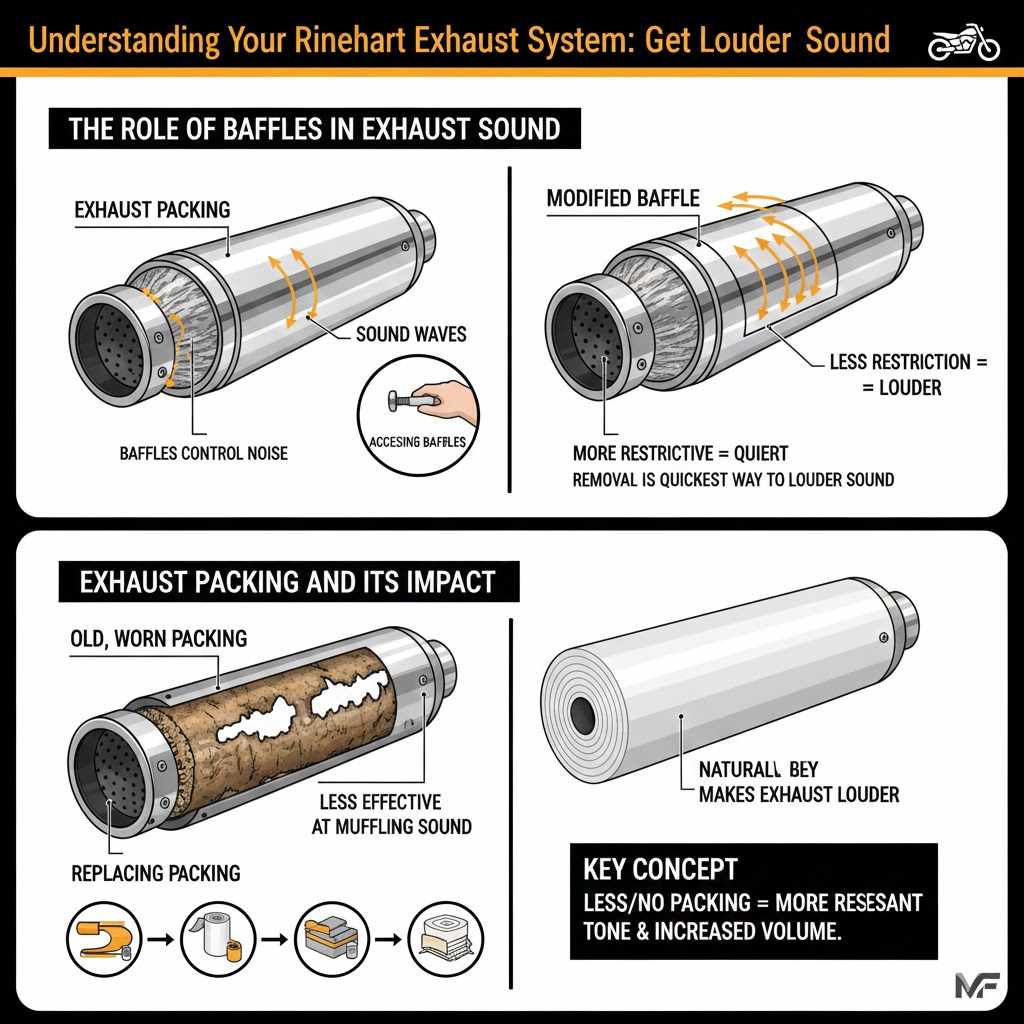
Baffles are like the mufflers inside your exhaust pipe. They help control how loud your exhaust sounds by reducing noise. Think of them as filters for sound waves.
Some baffles have packing material, while others are just perforated tubes. The more restrictive a baffle is, the quieter the exhaust will be. Removing or modifying baffles is a common way to increase exhaust volume.
- Baffles are essential for controlling noise levels. They work by reflecting sound waves back into the exhaust system, where they collide with other sound waves and cancel each other out. This process reduces the overall decibel output of the exhaust.
- Different baffle designs affect sound in unique ways. Some feature a perforated core wrapped in fiberglass packing, which absorbs sound. Others might have a more complex internal structure designed to create turbulence and further dampen sound.
- The material used for baffle packing also plays a role. High-temperature fiberglass or steel wool is typically used. Over time, this packing can degrade or burn off, leading to a slight increase in noise even without modification.
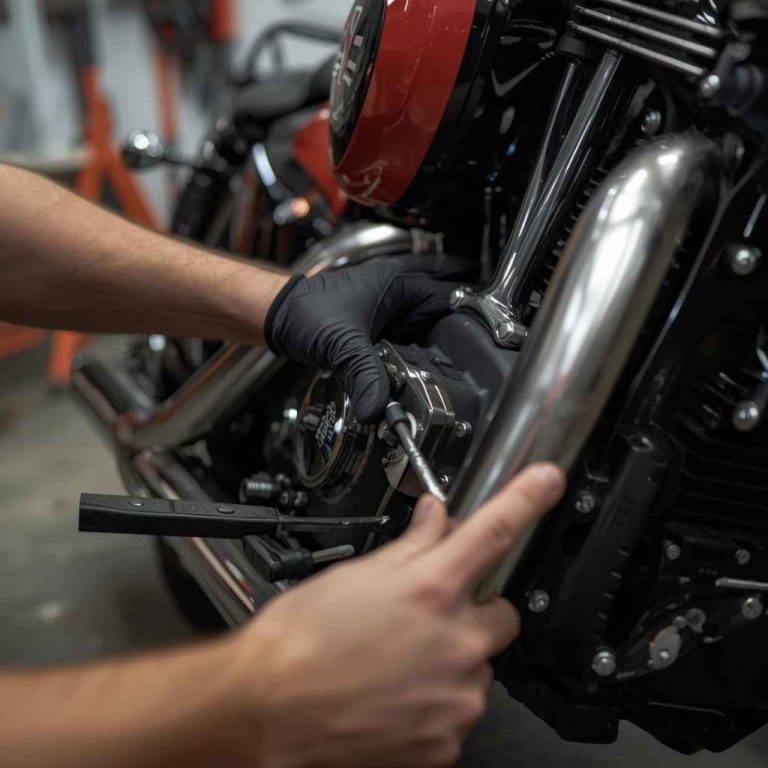
- Accessing baffles usually involves removing a bolt or cap at the end of the exhaust tip. Some baffles are riveted in place and may require drilling to remove. Always check your specific Rinehart model for the best method.
Many riders find that simply removing the baffles from their Rinehart exhaust is the quickest way to get a much louder sound. This is because the baffles are designed to quiet the exhaust significantly. When you take them out, the sound waves can travel more freely, resulting in a more aggressive tone and higher volume.
This is often the first modification people consider.
Exhaust Packing and Its Impact
Exhaust packing, often made of fiberglass or steel wool, is wrapped around the baffle core. Its main job is to absorb sound and heat. Over time, this packing can become worn out or damaged.
When it degrades, it becomes less effective at muffling sound, which naturally makes your exhaust louder. Replacing old packing with fresh material can restore its performance, but if you’re looking to increase volume, you might consider less packing or a different type.
- Exhaust packing acts as a sound absorber. It traps sound waves and converts their energy into heat. This process helps to reduce the overall noise output of the exhaust system.
- The lifespan of exhaust packing varies depending on riding conditions and exhaust system design. Frequent exposure to high temperatures and moisture can accelerate wear and tear.
- When packing wears out, it can lead to a noticeable increase in exhaust noise. This is because the sound-absorbing material is no longer as effective.
- Replacing packing involves carefully unwrapping the old material and wrapping the new material around the baffle core. It’s important to use high-temperature resistant packing designed for exhaust systems.
For those seeking a deeper, more resonant tone along with increased volume, exhaust packing is a key element. Some riders choose to remove the packing entirely, while others opt for less dense packing material. This can significantly alter the exhaust note, making it more raw and powerful.
It’s a relatively simple change that can have a dramatic effect on the sound you hear.
Modifying Your Rinehart Exhaust for More Sound
Now let’s get practical. This section will guide you through the actual steps of modifying your Rinehart exhaust to make it louder. We will cover common techniques that most owners can attempt.
We’ll discuss the tools you might need and provide clear instructions for each method, ensuring you can achieve your desired sound with confidence.
Removing Rinehart Exhaust Baffles
The most straightforward way to make your Rinehart exhaust louder is by removing the baffles. This process can vary slightly depending on the specific Rinehart model you have. Typically, baffles are held in place by a bolt or screw at the end of the exhaust pipe.
Sometimes they might be riveted. If they are riveted, you’ll need to drill out the rivets to release the baffle. Always ensure your bike is cool before starting and have the right tools handy.
- Locate the Baffle Retainer
Often, there’s a visible bolt or screw on the very end of the exhaust tip. This is usually what holds the baffle in place. - Remove the Retainer
Use the appropriate wrench or screwdriver to carefully remove this bolt or screw. Keep it somewhere safe. - Extract the Baffle
Once the retainer is out, you should be able to pull the baffle out. It might be a snug fit, so you may need to gently twist or wiggle it. Some baffles can be removed from the front, while others need to be pulled from the back. - Check for Rivets (If Applicable)
If you don’t see a bolt or screw, your baffle might be secured with rivets. You’ll need a drill and a bit slightly larger than the rivet heads. Drill out the heads of the rivets. - Remove the Baffle with Drilled Rivets
After drilling the rivets, the baffle should be loose enough to remove. You might still need to pull it out. - Test the Sound
Start your motorcycle and listen to the difference. You’ll likely notice a significant increase in volume and a deeper tone.
Removing baffles is a popular choice because it’s a reversible modification. If you decide you want your exhaust quieter later, you can typically reinsert the baffles. This flexibility makes it an attractive option for many riders who want to experiment with sound levels.
Replacing Baffle Packing
If your Rinehart exhaust has removable baffles, they likely contain packing material. This material can degrade over time, making the exhaust louder naturally. However, you can also intentionally use less packing or a different type of packing to achieve a louder sound.
When you remove the baffles, you’ll see the packing wrapped around the core. You can remove all of it, some of it, or
- Gather Supplies
You’ll need new exhaust packing material (ensure it’s high-temperature resistant) and a way to secure it, like stainless steel wire. - Disassemble Baffle
Carefully take apart the baffle, removing the old packing. - Add Less Packing
Wrap the new packing around the baffle core, but use less than was originally there. Ensure it’s evenly distributed and snug. - Secure the Packing
Use stainless steel wire to tie down the packing material, making sure it won’t come loose when the engine is running. - Reassemble and Test
Put the baffle back into the exhaust pipe and secure it. Start your bike to hear the new sound.
Using less packing or packing with a looser weave can allow more sound to escape the baffle. This creates a more aggressive exhaust note. It’s a subtle change that can make a noticeable difference in volume and tone.
Drilling Holes in Baffles (Advanced)
For those who want more control over the sound, drilling additional holes in the baffles is an option. This allows more exhaust gas to flow through, increasing the volume and altering the sound character. This method is more permanent than removing baffles and should be approached with caution.
The size and placement of the holes will affect the final sound. It’s best to start with small holes and gradually increase their size if needed.
- Remove Baffles
First, remove the baffles from your Rinehart exhaust as described previously. - Mark Hole Locations
Decide where you want to drill. Common spots are along the length of the baffle. You can drill a few larger holes or several smaller ones. - Drill Holes
Use a drill and appropriate drill bit. Start with a smaller bit (e.g., 1/4 inch) and drill your marked holes. Always wear safety glasses. - Smooth Edges
After drilling, use a file or sandpaper to smooth down any rough edges to prevent airflow restriction or damage to the packing if you plan to re-add it. - Reinstall Baffles
Put the modified baffles back into your exhaust pipes. - Test Sound
Start your motorcycle and listen to the increased volume and different tone. If it’s not loud enough, you can drill more holes or use a larger bit.
Drilling offers a way to fine-tune the exhaust sound. It allows you to experiment with different hole patterns and sizes to achieve a unique rumble. This is a good method for riders who have a specific sound in mind and are comfortable with a more permanent modification.
Understanding Exhaust Backpressure and Performance
When you make your Rinehart exhaust louder, it can sometimes affect how your motorcycle performs. This is because exhaust systems control backpressure, which is important for your engine. This section explains what backpressure is and how changes to your exhaust can impact it.
We’ll also touch on how to adjust for these changes to keep your bike running smoothly.
What Is Exhaust Backpressure
Exhaust backpressure is the resistance to exhaust gas flow created by the exhaust system. It’s like the engine having to push harder to get the exhaust out. A certain amount of backpressure is necessary for your engine to run efficiently.
It helps to scavenge exhaust gases from the cylinders and can improve low-end torque. Too much backpressure can choke the engine, while too little can lead to a loss of low-end power and potentially damage.
- Backpressure is the force exerted by exhaust gases pushing back against the engine’s exhaust valves. It’s a critical factor in engine tuning and performance.
- Proper backpressure helps to create a vacuum effect that draws fresh air-fuel mixture into the cylinder on the intake stroke. This process is known as exhaust scavenging.
- Excessive backpressure, often caused by a restrictive exhaust system or clogged catalytic converter, can hinder engine performance. It can lead to reduced horsepower and torque, especially at higher RPMs.
- Conversely, insufficient backpressure, which can happen with straight-pipe exhausts or overly large mufflers, can result in a loss of low-end torque and throttle response. It might also cause the engine to run hotter.
- Many performance exhaust systems are designed to optimize backpressure for specific engine types and riding styles, aiming for a balance between power and sound.
Making your Rinehart exhaust significantly louder often involves reducing backpressure. This means exhaust gases can exit more freely. While this can lead to a louder sound and sometimes a slight increase in high-end horsepower, it’s important to be aware of the potential downsides, especially concerning low-end performance.
The Link Between Loudness and Performance
There’s a close relationship between how loud your exhaust is and how it affects your engine’s performance. Generally, a louder exhaust means less restriction, which can translate to more horsepower, particularly at higher speeds. However, this comes at a cost.
If you reduce backpressure too much, your bike might lose some of its responsiveness at lower speeds. This is why many aftermarket exhausts, including Rinehart, try to strike a balance between sound and performance.
For example, a rider might remove baffles and find their bike pulls harder on the highway. But they might also notice that the bike feels a bit sluggish when accelerating from a stop. This is a common trade-off when modifying an exhaust system for increased volume.
Tuning Your Motorcycle After Exhaust Mods
When you make significant changes to your exhaust system, especially by making it louder, your motorcycle’s engine computer (ECU) may need to be retuned. This is because the engine management system is calibrated for the original exhaust’s backpressure and airflow. Changing this can throw off the air-fuel mixture, leading to inefficient running, poor fuel economy, or even engine damage.
- ECU Retuning
A professional tune, often done with a fuel controller or by flashing the ECU, adjusts the air-fuel ratio to match the new exhaust flow. This ensures optimal performance and engine health. - Performance Impact
Without tuning, you might experience pops and burbles on deceleration, a loss of low-end torque, or a general feeling that the engine isn’t running as smoothly as it should. - Fuel Controllers
Devices like the Vance & Hines Fuelpak or similar units allow for on-the-fly adjustments to the fuel mixture, compensating for exhaust modifications. - Dyno Tuning
The most precise way to tune is on a dynamometer (dyno), which measures your bike’s power output and allows for fine-tuned adjustments to air-fuel ratios and ignition timing.
A common scenario for riders is installing a new, louder exhaust and noticing their bike runs rough. This is a clear sign that a tune is needed. A proper tune will not only fix running issues but can also help you get the most power out of your modified exhaust.
Alternative Ways to Enhance Rinehart Exhaust Sound
While modifying baffles is the most common route, there are other, perhaps less intrusive, ways to alter your Rinehart exhaust sound. This section looks at some alternative approaches. These might involve adding accessories or making smaller adjustments that can still contribute to a richer, louder exhaust note without major modifications.
Adding Performance Exhaust Tips
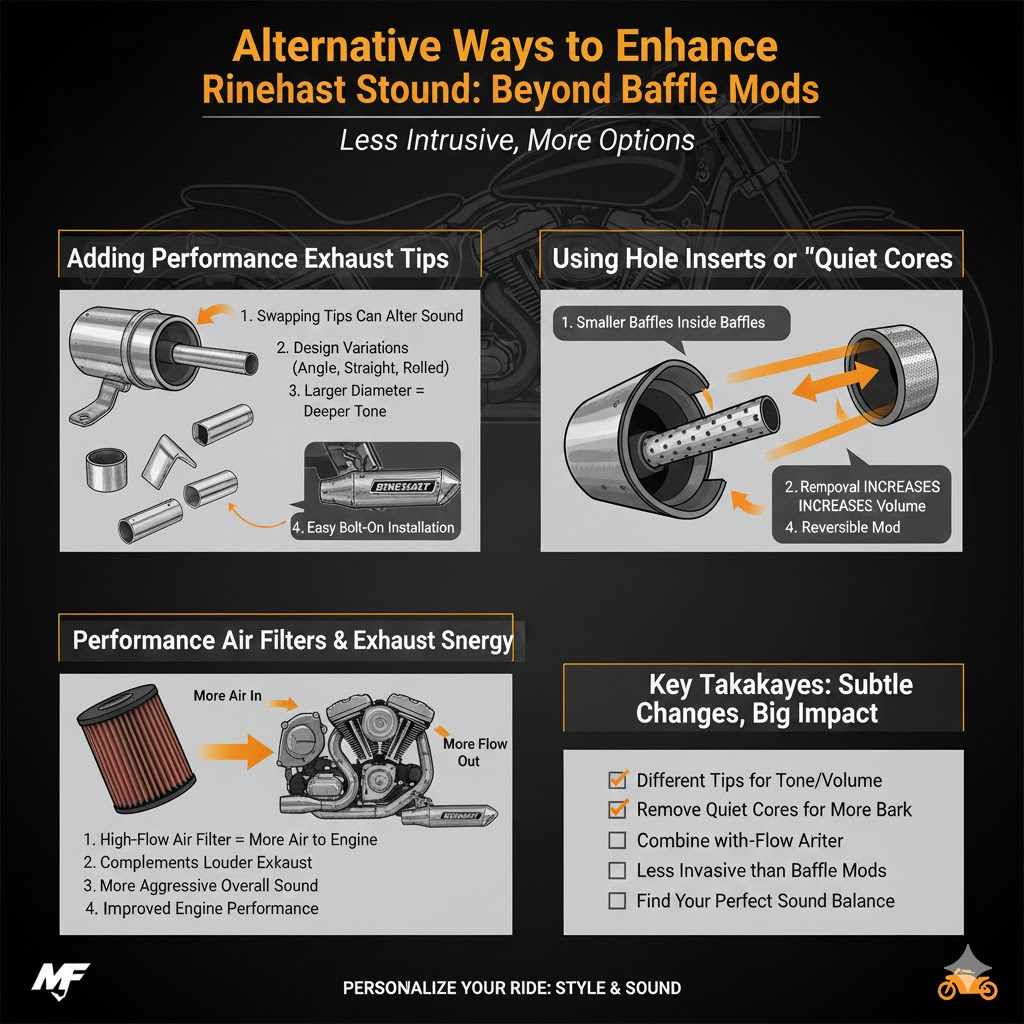
Some aftermarket exhaust tips are designed to enhance sound. While Rinehart exhausts are already known for their sound, some riders might look for tips that offer a slightly different tone or a bit more volume. These tips can sometimes alter the way sound waves exit the pipe, creating a deeper or more aggressive roar.
They are usually easy to install, often bolting directly onto your existing Rinehart muffler.
- Design Variations
Exhaust tips come in various designs, including straight-cut, angle-cut, and rolled tips. Each can subtly affect the sound. - Material and Diameter
The material and diameter of the tip can also influence the sound. Larger diameter tips might allow for a deeper tone. - Ease of Installation
Most performance tips are designed for straightforward bolt-on installation, making them a simple way to change the look and sound of your exhaust. - Aesthetic Appeal
Beyond sound, exhaust tips can also be a significant styling upgrade for your motorcycle, adding a custom touch.
A rider might choose a Rinehart exhaust for its quality but find they want a slightly different look or a bit more bark. Swapping out the stock Rinehart tips for a set of aftermarket ones that are specifically designed to amplify sound is a popular choice. It’s a quick way to personalize the sound profile.
Using Hole Inserts or “Quiet Cores”
Some manufacturers offer a loud exhaust is not permitted or desired. Conversely, some riders might experiment with removing or modifying these inserts to increase sound.
While these are generally for making exhausts quieter, understanding how they work can give insight into sound manipulation. If you have Rinehart baffles with removable inserts, you might find that removing these inserts increases volume.
- Purpose of Quiet Cores
Quiet cores are essentially smaller baffles or perforated inserts designed to fit inside existing mufflers, primarily to reduce sound output. - How They Work
They add more restriction and internal baffling to the exhaust path, forcing sound waves to travel a more complex route and get dampened. - Reversibility
Like baffles, quiet cores are usually removable, allowing riders to switch between loud and quiet modes depending on their needs. - Material and Design
They are typically made from steel and feature perforations or internal chambers to help dissipate sound energy.
A common misconception is that all modifications make things louder. However, understanding how sound is controlled, like with quiet cores, helps in manipulating it. If your Rinehart exhaust came with removable inserts designed for noise reduction, removing them is a direct path to increased volume.
Performance Air Filters and Exhaust
While this is about exhaust, it’s worth noting that changes to your air intake system can also affect exhaust sound. A high-flow air filter allows more air into the engine. This can complement a louder exhaust system by allowing the engine to breathe better.
The combination of a freer-breathing air intake and a less restrictive exhaust can lead to a more aggressive overall sound profile from your motorcycle.
- Airflow Increase
Performance air filters are designed to let more air into the engine than stock filters. This improved airflow can contribute to a more robust engine sound. - Synergy with Exhaust
When combined with a louder exhaust, the increased airflow can help the engine sound more aggressive, with a deeper tone. - Engine Performance
Better airflow can also lead to slight improvements in engine performance, especially when paired with an appropriate exhaust modification. - Maintenance
These filters are often washable and reusable, offering a cost-effective upgrade over time compared to disposable paper filters.
Many riders who modify their exhaust also upgrade their air filter. This is because a less restrictive exhaust and a less restrictive air intake work well together. They allow the engine to perform at its best and create a more satisfying, powerful sound experience.
Frequently Asked Questions
Question: Can making my Rinehart exhaust louder affect my motorcycle’s warranty
Answer: Modifying your exhaust system, especially by making it louder, can potentially void parts of your motorcycle’s warranty, particularly any issues related to the engine or exhaust system. It’s always best to check your warranty documentation or consult with your dealer.
Question: How much louder will my Rinehart exhaust be after removing baffles
Answer: Removing baffles from a Rinehart exhaust typically results in a significant increase in volume, often described as being much louder and deeper. The exact amount varies by Rinehart model and baffle design.
Question: Is it legal to make my motorcycle exhaust louder
Answer: Noise regulations for vehicle exhausts vary significantly by location. In many areas, excessively loud exhausts are illegal and can result in fines. Always check your local laws and regulations regarding exhaust noise levels.
Question: What tools do I need to remove Rinehart exhaust baffles
Answer: You will typically need basic hand tools such as a socket set or wrench for any retaining bolts, and possibly a drill with drill bits if the baffles are riveted in place. Safety glasses are also recommended.
Question: Will my motorcycle need a retune if I only remove baffles
Answer: While removing baffles is a common modification, it can alter the air-fuel ratio. For optimal performance and to prevent potential issues, a retune or fuel controller is often recommended, though some riders proceed without one for minor loudness increases.
Summary
Making your Rinehart exhaust louder is achievable through straightforward modifications like removing baffles or altering packing. These steps can give your motorcycle a more powerful sound. Always consider the impact on backpressure and potential performance changes.
Enjoy the enhanced rumble of your ride!
Related pick: Check today's price on Amazon