How Car Exhaust System Works: Unveiling Engine Secrets
Have you ever wondered what happens to the smoke that your car produces? Or how your car manages to keep the noise down while delivering a smooth ride?
The answer lies in the car’s exhaust system. Understanding how your car’s exhaust system works can be both fascinating and empowering. It’s not just about pipes and mufflers; it’s a complex process that helps your vehicle run efficiently and reduces harmful emissions.
Grasping this knowledge can make you a more informed driver and potentially save you from costly repairs. Dive in to discover how your car’s exhaust system is the unsung hero working tirelessly under the hood.

Credit: m.youtube.com
Exhaust System Basics
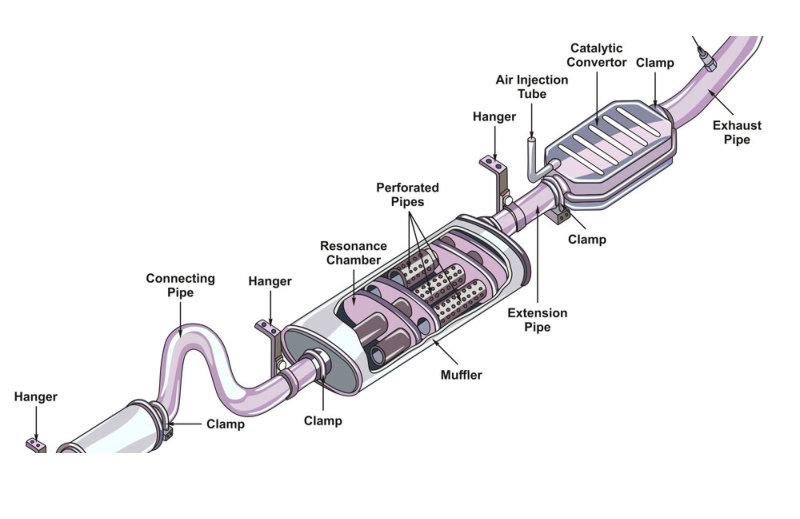
The exhaust system in cars has many parts. Muffleris one of them. It reduces noise. Then there’s the catalytic converter. It cleans harmful gases. Exhaust pipescarry gases out. They connect everything together. Another part is the oxygen sensor. It checks gas levels. These parts work as a team. They keep the car running smoothly.
This system is very important. It helps the car breathe. It takes out dirty gases. Clean air goes into the car. Dirty air leaves through pipes. This keeps the engine healthy. Without it, the car won’t work well. The exhaust system is like the car’s lungs. It keeps air clean and fresh. This is good for the environment.
Exhaust Manifold Role
The exhaust manifoldis like a collector. It gathers hot gases from the car’s engine. These gases are very hot. The manifold must handle this extreme heat. It is made of strong metal. This metal keeps it from breaking. The heat must be managed well. If not, it can harm the engine. Proper heat collection keeps the car safe.
After collecting, the manifold moves gases. This is called gas channeling. The gases go to the exhaust pipe. The path is important. It must be smooth and clear. This helps gases exit quickly. Quick gas flow is needed for engine health. If blocked, it can cause trouble. The car might not run well. Channeling is key to performance.
Catalytic Converter Purpose
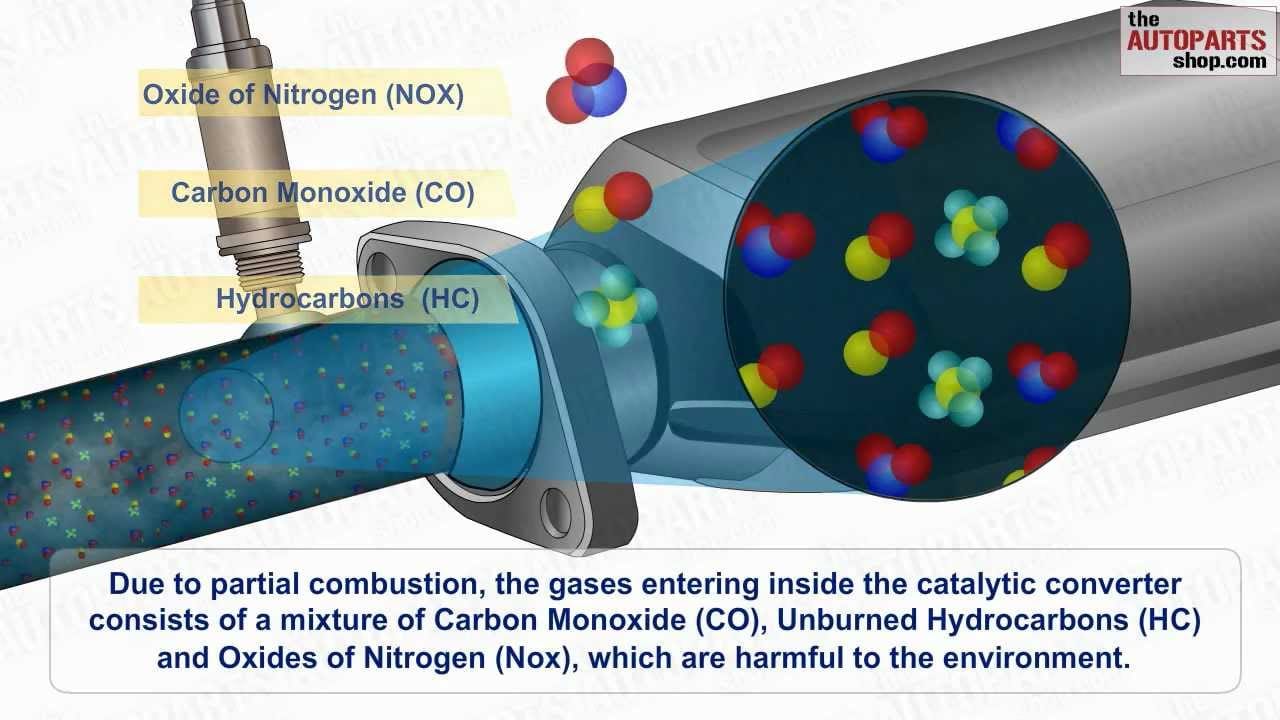
Emission reductionis the main job of the catalytic converter. It helps make the air cleaner. Cars release harmful gases. These gases are bad for health. The catalytic converter changes these gases. It makes them less harmful. This helps keep the environment safe.
Chemical reactionshappen inside the converter. These reactions change harmful gases. They turn them into safe gases. For example, carbon monoxide turns into carbon dioxide. Nitrogen oxides turn into nitrogen and oxygen. This makes the air better for everyone.
Credit: toytechs.com
Muffler Mechanism
The muffler is a vital part of the car. It helps to make the car quiet. Inside the muffler, there are many tubes. These tubes help to reduce noise. The sound waves bounce around inside. This makes the noise less loud. Some mufflers use special materials. These materials absorb sound. This helps to keep the car quieter. A quiet car is nice. It is good for drivers and people around.
Mufflers come in different shapes and sizes. Some are big and round. Others are small and flat. Each design has a purpose. The shape affects how well it works. Some mufflers are made of steel. Others use aluminum. Steel lasts longer. Aluminum is lighter. The choice depends on what the car needs. Different cars need different mufflers. Each muffler is special.
Resonator Functions
The resonator helps in tuning the sound of a car’s exhaust. It changes the sound waves. This makes the car quieter. The resonator is like a music tuner. It removes unwanted noise. This makes the car sound smooth. The car’s sound is pleasant to hear. It is important for a comfortable ride.
The resonator also helps in controlling vibrations. Vibrations can be annoying. They make the ride uncomfortable. The resonator absorbs these vibrations. It reduces the shaking inside the car. This makes the ride smoother. A good resonator keeps the car stable. It adds to the car’s comfort. It’s a small part but very important.
Credit: www.cbac.com
Tailpipe Dynamics
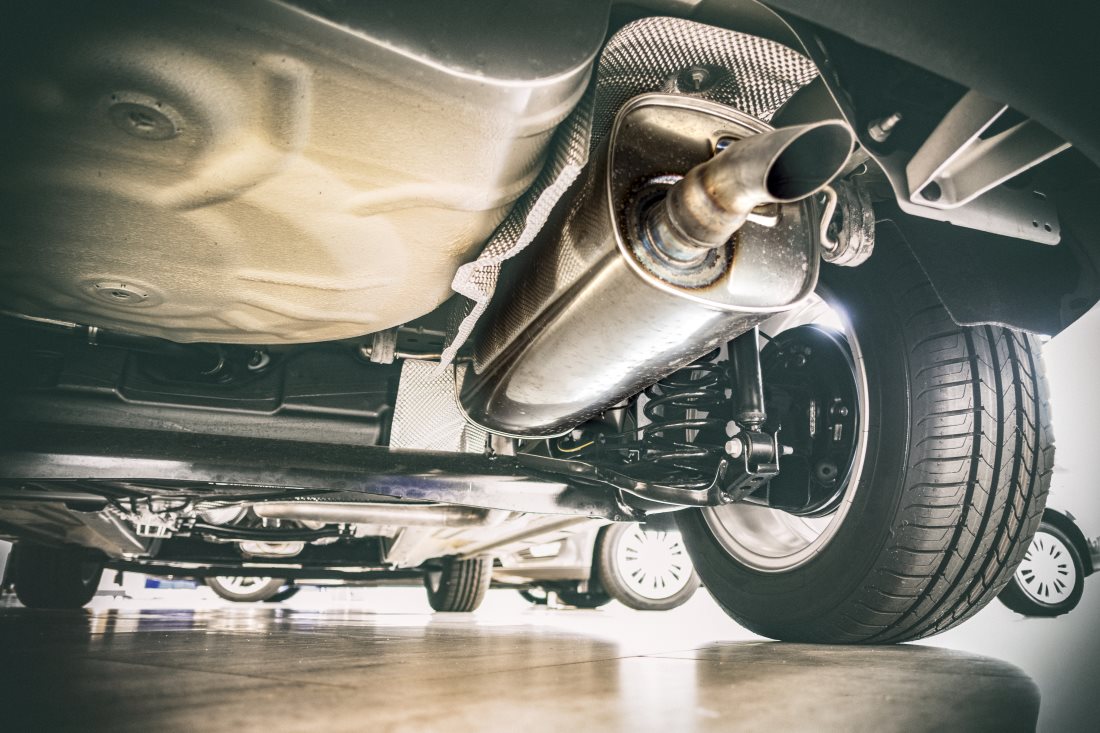
Gas Expulsionis the last step in the exhaust system. It pushes gases out of the car. The gases move through the tailpipe. The tailpipe is long and hollow. This helps gases flow smoothly. The gases are hot and dirty. They must leave the car safely.
The tailpipe has a special shape. It reduces noise. It also stops dirt from spreading. Some tailpipes have filters. These filters trap dirt. This keeps the air clean. Visual Aspectsmatter too. Tailpipes look shiny. They add style to the car. Shiny tailpipes are easy to see. People like them. They make cars look cool.
The tailpipe is often at the back. It points away from people. This keeps them safe from gases. The tailpipe needs care. It should stay clean. A clean tailpipe works well. A dirty tailpipe can cause problems.
Performance Enhancements
Many car lovers want better exhaust systems. Aftermarket systems can help. They replace old parts with new ones. New parts are often made of strong metal. This can make cars last longer. Noise can also change. Some drivers like loud sounds. Others like quiet rides.
New systems can make cars use less fuel. This means more miles per gallon. Less fuel means less money spent. Also, less smoke goes into the air. This helps the planet. New parts can also make cars go faster. Faster cars can be more fun to drive.
Environmental Impact
Car exhaust systems release harmful gases. These gases include carbon monoxide and nitrogen oxides. They pollute the air we breathe. This pollution can cause health problems. It also affects plants and animals. Air pollution leads to smog in cities. Smog makes it hard to see. It also makes it hard to breathe. Reducing car pollution is very important.
Governments have rules to limit car pollution. These rules are called regulatory standards. They help keep the air clean. Car makers must follow these rules. They use special parts to reduce pollution. Catalytic converters are common. They change harmful gases into safe ones. These standards help protect the environment. They also protect our health.
Frequently Asked Questions
What Does A Car Exhaust System Do?
A car exhaust system removes harmful gases from the engine. It reduces noise and improves engine efficiency. The system includes components like the muffler and catalytic converter. Proper functioning ensures cleaner emissions and better performance. Regular maintenance is essential to keep it in top condition.
How Does A Catalytic Converter Work?
A catalytic converter converts harmful gases into less harmful emissions. It uses catalysts to facilitate chemical reactions. These reactions transform carbon monoxide, nitrogen oxides, and hydrocarbons into safer substances. Efficient catalytic converters are crucial for reducing pollution. Regular checks help ensure they function effectively.
Why Is Exhaust System Maintenance Important?
Exhaust system maintenance prevents harmful gas leaks and ensures efficient engine performance. It helps reduce noise and emissions. Regular checks can identify issues early, avoiding costly repairs. Well-maintained systems contribute to better fuel efficiency and safety. It’s essential to follow manufacturer guidelines for optimal results.
Can Exhaust System Affect Engine Performance?
Yes, the exhaust system impacts engine performance significantly. A clogged system can reduce efficiency and power. Properly functioning systems help the engine breathe better, enhancing performance. Regular checks and maintenance ensure optimal operation. A well-maintained exhaust system contributes to smoother driving and fuel economy.
Conclusion
Understanding your car’s exhaust system is important. It keeps the engine running smoothly. The system reduces harmful emissions. It also improves fuel efficiency. Regular maintenance ensures it works well. Listen for unusual sounds. They might signal a problem. Check for leaks.
They can be dangerous. A well-maintained exhaust system keeps your car safe. It also helps the environment. So, next time you drive, think about your exhaust. Appreciate its role in your car’s performance. It’s more than just a pipe. It’s a vital part of your vehicle.