Does Installing a Flowmaster Affect Engine Programming? Essential Guide
Installing a Flowmaster exhaust system typically does not directly affect your engine’s core programming. Modern vehicles have engine control units (ECUs) that are designed to adapt to minor exhaust changes. However, if you make other modifications alongside your Flowmaster, or if the system isn’t installed correctly, it could indirectly influence how your engine performs and, in rare cases, trigger check engine lights.
Hey there, fellow car enthusiasts! It’s Monowar Shohag, your go-to guide for all things exhaust. Ever wondered if swapping out your exhaust for a popular brand like Flowmaster means you’ll need to mess with your car’s computer? It’s a common question, and honestly, it can feel a bit daunting when you’re starting out. You want that sweet new sound and maybe a little extra pep, but you don’t want to end up with a check engine light blinking like a disco ball. Don’t worry, we’re going to break down exactly what happens when you install a Flowmaster and whether it plays nice with your car’s programming. Stick around, and by the end, you’ll understand it all clearly and feel confident about your exhaust upgrade!
Understanding Your Car’s Engine Control Unit (ECU)
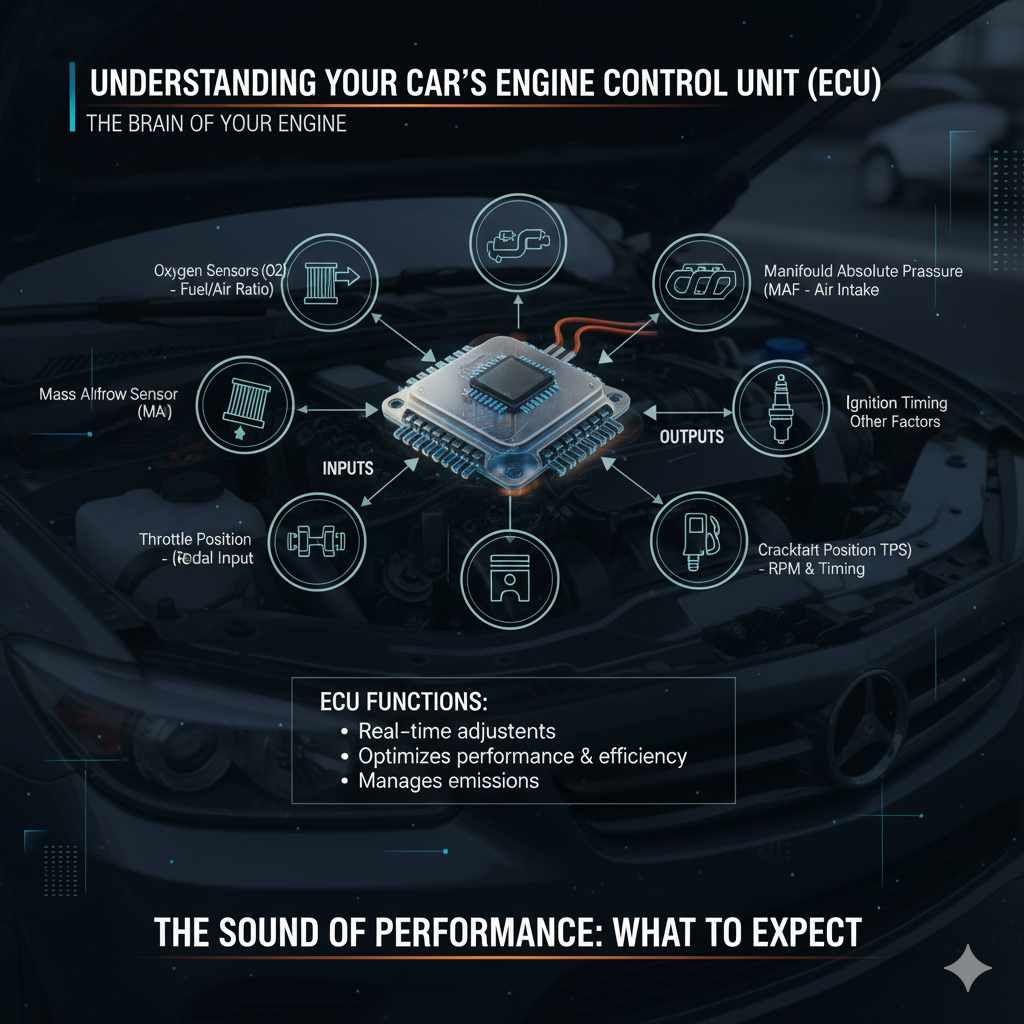
Before we dive into Flowmaster specifically, let’s chat about what controls your engine: the Engine Control Unit, or ECU. Think of your ECU as the brain of your car’s engine. It’s a small computer that constantly monitors everything happening under the hood.
It takes in information from lots of sensors:
- Oxygen Sensors (O2 Sensors): These are perhaps the most important when we talk about exhaust. They measure the amount of unburned oxygen in your exhaust gases. This tells the ECU if the engine is running too rich (too much fuel) or too lean (not enough fuel).
- Mass Airflow Sensor (MAF): Measures how much air is entering the engine.
- Manifold Absolute Pressure Sensor (MAP): Measures the pressure in the intake manifold, which helps determine engine load.
- Crankshaft Position Sensor: Tells the ECU the speed and position of the crankshaft.
- Throttle Position Sensor (TPS): Tells the ECU how much the throttle pedal is being pressed.
Based on all this information, the ECU makes real-time adjustments to fuel injection, ignition timing, and other factors to keep your engine running smoothly, efficiently, and within emissions standards. It’s a sophisticated system designed to optimize performance and fuel economy under various driving conditions.
What is a Flowmaster Exhaust System?
Flowmaster is a well-known brand specializing in aftermarket exhaust systems. They offer mufflers, cat-back systems, and full exhaust kits designed to change the sound, and sometimes the performance, of your vehicle’s exhaust. Flowmaster mufflers, in particular, are famous for their distinct, aggressive exhaust note, which is achieved through their internal baffle design. Unlike a stock muffler that aims for quiet operation, Flowmaster mufflers are engineered to allow more exhaust gas flow while producing a louder, deeper tone.
When you install a Flowmaster system, you’re primarily changing the part of the exhaust that comes after the catalytic converter. This includes the muffler, and potentially the pipes leading to and from it (a “cat-back” system). The primary goals for most people are:
- Sound: Achieving a more aggressive, sporty, or muscle-car-like rumble.
- Performance: Allowing exhaust gases to exit the engine more freely, which can potentially lead to small horsepower and torque gains by reducing “backpressure.”
- Aesthetics: Sometimes, the look of the exhaust tips is also a factor.
Does a Flowmaster Installation Affect Engine Programming?
This is the million-dollar question! For most standard Flowmaster muffler or cat-back exhaust installations on modern vehicles, the answer is no, it does not directly require re-programming your ECU.
Here’s why:
ECU Adaptability: Modern ECUs are incredibly smart. They are designed with adaptive learning capabilities. This means they can adjust fuel trims (the amount of fuel added or subtracted from the base amount) to compensate for minor changes in exhaust flow and backpressure. When you install a less restrictive exhaust like a Flowmaster, the ECU will likely detect a slight change in exhaust gas characteristics through the O2 sensors and make small, automatic adjustments to maintain the optimal air-fuel ratio.
Location of Changes: Most aftermarket exhaust systems, including Flowmaster cat-back systems, focus on modifications after the catalytic converter. The catalytic converter is a critical emissions control device, and its performance is paramount. The ECU relies heavily on the upstream O2 sensor (before the catalytic converter) to adjust fuel and timing. The downstream O2 sensor (after the catalytic converter) is primarily used to monitor the converter’s efficiency. As long as your catalytic converter is still in place and functioning correctly, and your Flowmaster system doesn’t interfere with its operation, the ECU typically won’t see a reason to throw a code or require a tune.
When Might There Be Indirect Effects?
While a direct ECU re-program isn’t usually necessary, there are a few scenarios where installing a Flowmaster could indirectly lead to perceived changes or even trigger warnings:
- Significant Backpressure Reduction: If the exhaust system is drastically less restrictive than the stock one, and the ECU can’t fully compensate through its adaptive learning, you might see slightly altered fuel trims. This is usually within the ECU’s operating parameters, but it’s a change nonetheless.
- Installation Errors: Leaks in the exhaust system after the O2 sensors can introduce air, which the sensors will read as a lean condition. This can cause the ECU to add more fuel, potentially affecting performance and fuel economy, and could even trigger a check engine light for “lean bank” codes. Proper gasket sealing and tight connections are crucial.
- Combined Modifications: If you’re installing a Flowmaster exhaust along with other modifications like a cold air intake, bigger throttle body, or an engine tune, then yes, your ECU will likely need to be re-programmed or “tuned” to optimize performance and ensure everything works together seamlessly. A Flowmaster alone is unlikely to necessitate this, but it’s a critical consideration if you’re going for a full performance package.
- Catalytic Converter Issues: If your catalytic converter is already on its last legs, or becomes damaged during the installation process (though unlikely with a simple muffler swap), an aftermarket exhaust might expose its failing functionality, possibly leading to a check engine light.
- Sensor Malfunctions: Sometimes, installing or working around exhaust components can inadvertently dislodge or damage an O2 sensor or its wiring. If a sensor starts to read erratically or stops functioning, the ECU will definitely react, often with a check engine light.
Flowmaster Systems and Emissions
This is a big one for many car owners. In most regions, especially those with strict emissions testing, removing or altering your catalytic converter is illegal and will cause you to fail inspections. Flowmaster exhaust systems are designed to work with your factory catalytic converter.
Crucial Point: It is imperative that you retain and do not tamper with your catalytic converter when installing an aftermarket exhaust system like a Flowmaster if you wish to remain street legal and pass emissions tests. Flowmaster mufflers and cat-back systems are engineered to bolt up to the existing exhaust, typically right before or after the muffler, leaving the catalytic converter untouched.
The ECU monitors the performance of the catalytic converter using the O2 sensors. If the converter is functioning properly, the signals from the post-catalyst O2 sensor will remain consistent, and the ECU will be happy. A Flowmaster system, by itself, should not negatively impact the catalytic converter’s ability to do its job.
For more information on vehicle emissions standards, it’s always a good idea to check with your local regulatory bodies or the Environmental Protection Agency (EPA) in the United States. You can find valuable resources on the EPA’s website regarding vehicle emissions.
Types of Flowmaster Systems and Their Impact
Flowmaster offers various types of systems, and while their core function is similar, understanding them can help:
1. Muffler Replacement
This involves only replacing the stock muffler with a Flowmaster muffler. This is the most common and least impactful change regarding engine programming. The ECU will adapt to the slight change in backpressure and flow.
2. Cat-Back Systems
These systems replace everything from the catalytic converter rearward – the muffler and the piping. This offers a more noticeable sound change and potentially a bit more performance gain. Similar to a muffler replacement, the ECU is designed to handle this without reprogramming.
3. Header-Back Systems (Less Common for Flowmaster)
These replace the entire exhaust system from the engine’s exhaust manifolds (headers) back. These are more aggressive modifications and can significantly impact exhaust flow and sensor readings. This type of modification often does benefit from, or even require, an ECU tune to optimize performance and prevent issues.
Since this guide is focused on Flowmaster, and they are best known for their mufflers and cat-back systems, we’ll assume you’re looking at those. For these, direct ECU programming is generally not a requirement.
Tools and Installation Considerations
When installing a Flowmaster system, proper installation is key to avoiding any potential issues, including those that might indirectly affect the ECU.
Basic Tools You Might Need:
- Socket wrench set
- Jack and jack stands (for safely lifting the vehicle)
- Penetrating oil (to help loosen rusted bolts)
- Torque wrench
- Exhaust hanger removal tool or pliers
- Safety glasses and gloves
- New exhaust gaskets and clamps
Installation Steps (General Overview):
- Safety First: Park your vehicle on a level surface. Engage the parking brake. Use jack stands to securely support the vehicle if you need to get underneath it. Never rely solely on a jack.
- Locate Stock Muffler/System: Identify the section of your exhaust you’ll be replacing.
- Spray Penetrating Oil: Apply to bolts and hangers to make removal easier.
- Remove Stock System: Unbolt the existing muffler or cat-back section. You might need to use exhaust hanger pliers to detach rubber hangers.
- Clean Mounting Surfaces: Ensure mating surfaces are clean and free of rust or debris.
- Install New System: Attach the Flowmaster system using new gaskets and clamps. Hand-tighten everything first.
- Check Alignment: Ensure the new system is properly aligned and doesn’t rub against the chassis or other components.
- Tighten Connections: Once alignment is confirmed, torque all bolts and clamps to specification.
- Secure Hangers: Re-attach rubber hangers to the new system.
- Final Check: Double-check all connections for leaks and ensure a secure fit.
If at any point you’re unsure or uncomfortable, it’s always best to consult a professional mechanic. A leaky exhaust is not only ineffective but can also be dangerous due to potential carbon monoxide leaks.
Can a Check Engine Light Come On After Installing a Flowmaster?
Yes, it’s possible, though not common with just a muffler or cat-back installation. If a check engine light does appear:
- Scan for Codes: Use an OBD-II scanner to read the diagnostic trouble codes (DTCs). This is the first and most important step.
- Common Culprits:
- O2 Sensor Codes (P0130-P0167 range): These indicate issues with your oxygen sensors. This could be due to a faulty sensor, wiring damage during installation, or the ECU detecting abnormal readings it can’t compensate for.
- Catalyst Efficiency Codes (P0420, P0430): These suggest the catalytic converter isn’t working efficiently. While the Flowmaster itself shouldn’t cause this, it might expose an underlying issue with your converter.
- Exhaust Leaks: Codes related to lean conditions (e.g., P0171, P0174) can sometimes be caused by leaks in the exhaust system after the O2 sensor, allowing unmetered air to enter.
- Troubleshoot: Based on the codes, inspect for leaks, check O2 sensor connections, and verify the catalytic converter’s condition.
Remember, the ECU is designed to adapt. A check engine light usually signifies something the ECU cannot adapt to or something it believes is a safety or emissions concern. Most often, a light after an exhaust mod is related to a leak or a disturbed sensor.
Flowmaster vs. Other Exhaust Mods: What Needs Tuning?
It’s helpful to differentiate what typically requires an ECU tune versus what doesn’t.
| Modification Type | Typical Impact on ECU Programming | Reason |
|---|---|---|
| Flowmaster Muffler Replacement | No | Minor change in backpressure; ECU adapts. |
| Flowmaster Cat-Back System | No | Slightly more flow change; ECU adapts. Retains catalytic converter. |
| Cold Air Intake (CAI) | Often Recommended | Changes airflow density. ECU may adapt, but tuning optimizes it. Affects MAF sensor readings. |
| Headers (without cats) | Yes (High Recommendation) | Significant change in exhaust flow and timing. O2 sensor placement changes or is removed. |
| High-Flow Catalytic Converters | Sometimes Recommended | Improves flow but keeps emissions control. ECU may adapt, but tuning can enhance. |
| Forced Induction (Turbos/Superchargers) | Yes (Required) | Major changes to air intake and boost pressure. ECU must be tuned. |
| Engine Tune/Chip Re-flash | Yes (Designed for it) | Directly modifies ECU parameters for performance. |
As you can see from the table, a standalone Flowmaster exhaust system (muffler or cat-back) sits at the “No” end of the spectrum for direct ECU re-programming. It’s usually the more intrusive modifications, particularly those that alter air intake, fuel delivery significantly, or bypass emissions equipment, that necessitate a tune.
The Sound of Performance: What to Expect
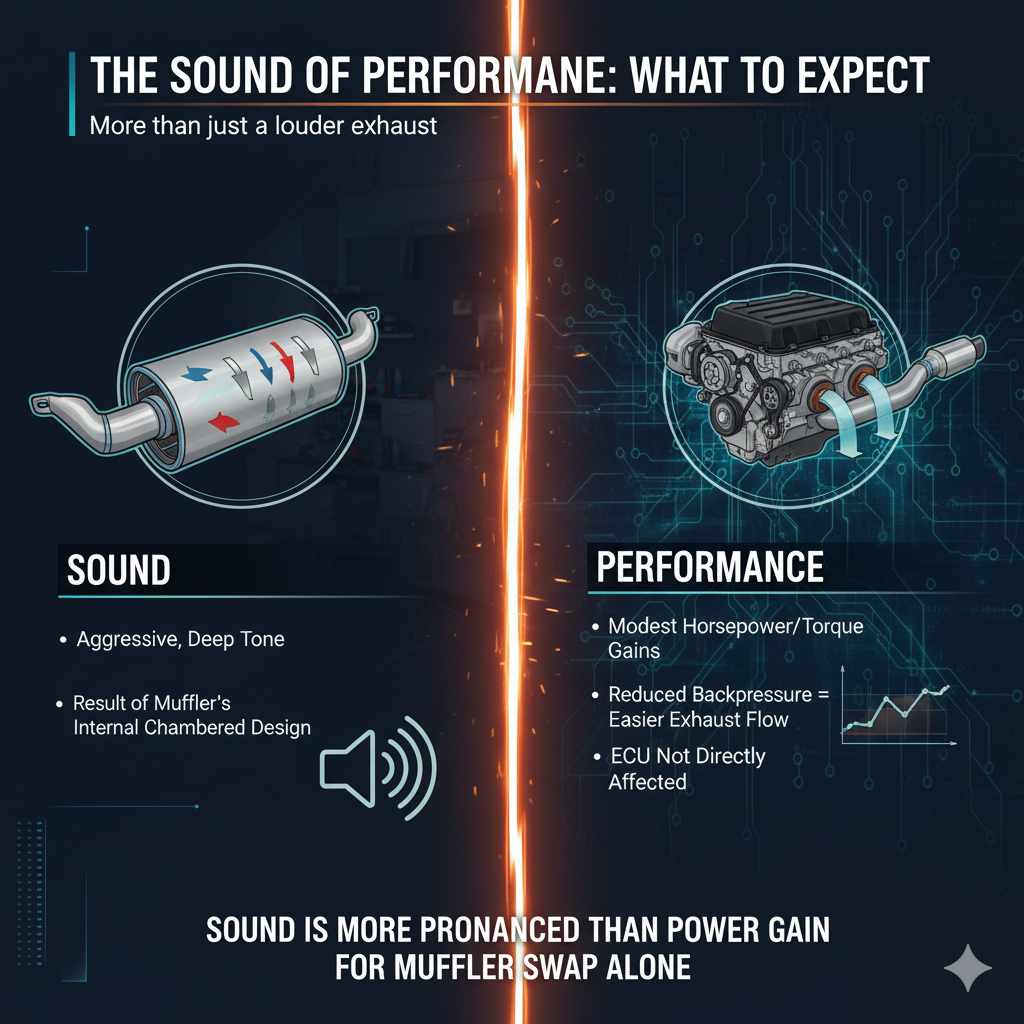
One of the most immediate and noticeable effects of installing a Flowmaster is the sound. Many drivers choose Flowmaster specifically for its characteristic aggressive tone. This sound is purely a result of the muffler’s internal design and the increased unobstructed flow of exhaust gases. It doesn’t indicate any change in how the engine’s computer is firing or injecting fuel.
The “performance” aspect is also directly tied to exhaust flow. A less restrictive exhaust means the engine doesn’t have to work as hard to push spent gases out. This reduction in backpressure can, theoretically, lead to small gains in horsepower and torque. However, on most naturally aspirated, modern vehicles, these gains are modest without other supporting modifications. The ECU is already quite efficient at managing the engine for optimal street performance. The sound is often more pronounced than the actual power increase for a simple muffler swap.
Frequently Asked Questions (FAQ)
Q1: Will installing a Flowmaster alarm void my car’s warranty?
A: This is a common concern. Generally, aftermarket parts like exhaust systems will not void your entire vehicle warranty. However, if a problem arises that can be directly traced to the aftermarket part (e.g., if the exhaust welding fractured and caused damage), the manufacturer may deny a warranty claim for that specific issue. It’s wise to keep records of your installation.
Q2: Can I install a Flowmaster myself?
A: Many Flowmaster systems, especially cat-back replacements, are designed for DIY installation with basic tools. However, if you’re not comfortable working under your car or dealing with potentially rusted bolts, professional installation by a reputable exhaust shop is recommended for safety and proper fitment.
Q3: Does a Flowmaster change my car’s fuel economy?
A: For most drivers, a Flowmaster muffler or cat-back system will have little to no noticeable impact on fuel economy. In some very specific cases, if the ECU’s adaptive learning can’t fully compensate for the reduced backpressure, you might see a very slight decrease if you tend to drive aggressively to take advantage of the new sound. However, many drivers report no change or even slight improvements if they drive more conservatively.
Q4: What’s the difference between Flowmaster mufflers and other brands regarding engine programming?
A: The brand of the muffler (Flowmaster, Magnaflow, Borla, etc.) itself doesn’t dictate whether an ECU tune is needed. The critical factor is the degree of change in exhaust restriction and whether the system bypasses factory emissions components like the catalytic converter. For typical muffler and cat-back systems, the impact on engine programming is minimal across brands.
Q5: Do I need to disconnect my battery during Flowmaster installation?
A: While not strictly necessary for the exhaust install itself, it’s a good practice to disconnect the negative terminal of your car battery before starting any work on electrical components or undertaking significant under-car work. This is a safety precaution to prevent accidental shorts and can also help reset the ECU’s short-term memory, allowing it to re-learn its parameters with the new exhaust in place.
Q6: Can my Flowmaster cause my car to run rough?
A: A properly installed Flowmaster system should not cause your car to run rough. If you experience rough running, it’s likely due to an installation error like an exhaust leak, a damaged O2 sensor, or a coincidental mechanical issue, rather than a direct consequence of the Flowmaster unit itself affecting the ECU. Always get this checked out immediately.
Conclusion
So, to wrap it all up: installing a Flowmaster exhaust system, whether it’s just a muffler or a full cat-back system, generally does not require you to re-program your engine’s computer. Modern cars are equipped with sophisticated ECUs that are designed to adapt to minor changes in exhaust flow and backpressure. Flowmaster systems are designed to enhance sound and performance while working in harmony with your vehicle’s existing emissions control equipment, like the catalytic converter.
The key to a successful installation that avoids issues is ensuring that your catalytic converter remains intact and functioning, that all connections are sealed properly to prevent leaks, and that any sensors in the exhaust system are undisturbed. If you’re adding a Flowmaster as part of a larger suite of modifications—like a cold air intake or engine tuning software—then re-programming might become necessary to optimize the combined effect. But on its own, a Flowmaster is a straightforward upgrade for those seeking a more engaging driving experience. As always, if you have any doubts, consult a qualified mechanic. Happy driving, and enjoy that new exhaust note!